
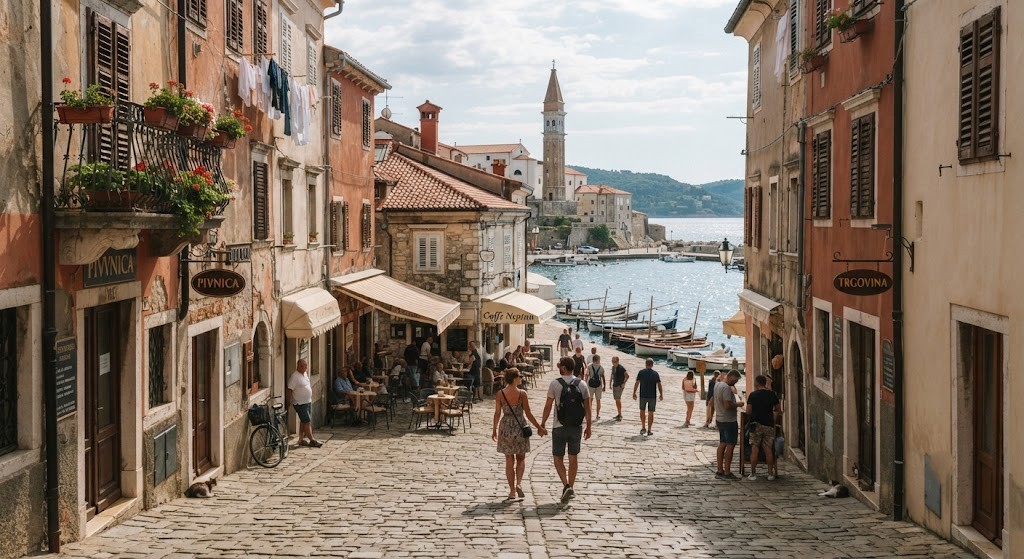
You probably already know the classic European destinations: Paris, Rome, Barcelona, Santorini, and other famous names that dominate travel guides. But Europe is far bigger than its headline attractions, and some of the continent’s most memorable experiences can be found in places that receive far less international attention.
The best underrated European destinations combine beautiful architecture, fascinating history, local food, dramatic landscapes, and distinctive cultures without necessarily requiring the same pace as Europe’s busiest tourist hubs.
From the elegant streets of Ljubljana and the stone houses of Gjirokastër to the Adriatic scenery of Piran and the volcanic landscapes of the Azores, these destinations offer plenty of reasons to look beyond the usual European itinerary.
This guide explores the best underrated European destinations to consider, including the best places for culture, nature, couples, budget travel, first-time visitors, and travelers looking to avoid the busiest periods. You’ll also learn how to compare destinations and build a practical itinerary around your travel style.
What Are Underrated European Destinations?
Underrated European destinations are places that offer significant cultural, natural, historical, or recreational value while receiving less tourist attention than Europe’s most famous destinations.
An underrated destination does not necessarily have to be completely unknown. Instead, it may simply offer more character, value, or interesting experiences than its international popularity suggests.
Europe’s enormous tourism market leaves plenty of room for alternatives to famous capitals, major resort towns, and heavily photographed landmarks. EU tourist accommodations recorded nearly 3.1 billion overnight stays in 2025, with Spain, Italy, France, and Germany accounting for 61.7% of the total. — Source: Eurostat, 2026.
That scale helps explain why travelers looking for quieter or less conventional experiences may want to explore beyond Europe’s most visited destinations.
For example, Ljubljana provides an elegant European city experience in a compact setting, while Gjirokastër offers Ottoman-era architecture and mountain scenery in a much smaller historic environment.
What Makes a Destination Underrated?
An underrated destination combines strong attractions with comparatively lower international attention. Its appeal might come from historic architecture, dramatic landscapes, regional cuisine, beaches, affordability, walkability, or a distinctive local culture.
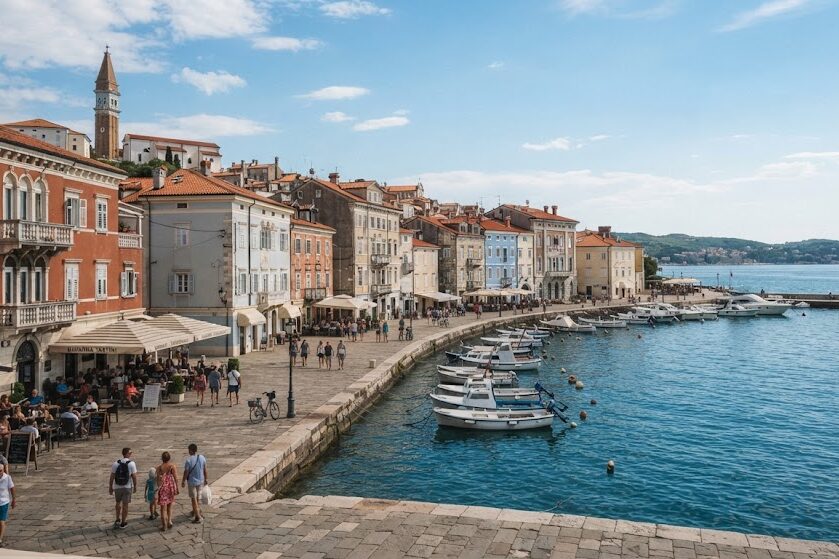
Piran, for instance, gives travelers Adriatic coastal scenery and Venetian-influenced architecture without requiring an itinerary centered on one of Europe’s biggest resort destinations.
However, the word “underrated” is subjective. A destination that feels quiet in one month can become extremely busy during another season.
For that reason, travelers should evaluate crowd levels by month rather than assuming a destination is always uncrowded.
Why Should You Visit Underrated Destinations in Europe?
Traveling to lesser-known European destinations can provide fewer crowds, more local experiences, and potentially better value than visiting Europe’s busiest tourist hubs.
Instead of moving from one famous attraction to another, travelers can often create a slower itinerary focused on neighborhoods, independent restaurants, local markets, scenic walks, and regional experiences.
European tourism demand is substantial and continues to reach record levels. In 2025, the EU recorded a 2.2% increase in tourism nights, reaching a new record of almost 3.1 billion nights. — Source: Eurostat, 2026.
This makes alternative destinations particularly appealing for travelers who want to experience Europe while moving away from the most concentrated tourism corridors.
For example, choosing a smaller historic city instead of staying exclusively in a major capital can give you more time to explore neighborhood cafés, local markets, independent restaurants, and walking routes.
Are Lesser-Known European Destinations More Authentic?
Lesser-known European destinations can make it easier to experience everyday local culture because tourism is often less concentrated around a small group of headline attractions.
However, a smaller destination does not automatically guarantee an authentic experience. Travelers still need to make deliberate choices about where they eat, stay, shop, and spend their time.
For example, staying in a family-run guesthouse in Gjirokastër can create a different experience from staying beside a major attraction in a heavily visited European capital.
Smaller destinations can also encourage travelers to explore:
- Local food and regional specialties
- Traditional customs and cultural experiences
- Independent businesses
- Residential neighborhoods
- Local markets
- Less-touristed attractions
What Are the Most Underrated European Destinations to Visit?
The best underrated European destinations combine distinctive attractions, manageable crowds, practical access, and experiences that justify adding them to a European itinerary.
The following destinations offer a varied selection of city breaks, historic towns, coastal escapes, mountain scenery, and outdoor adventures.
| Destination | Country | Best For | Ideal Trip | Crowd Level* |
|---|---|---|---|---|
| Ljubljana | Slovenia | City + nature | 2–3 days | Low–Moderate |
| Gjirokastër | Albania | History | 1–2 days | Low |
| Kotor | Montenegro | Coast + mountains | 2–3 days | Moderate |
| Mostar | Bosnia and Herzegovina | Culture | 1–2 days | Moderate |
| Plovdiv | Bulgaria | History + food | 2–3 days | Low |
| Český Krumlov | Czechia | Architecture | 1–2 days | Moderate |
| Ghent | Belgium | Culture + architecture | 2–3 days | Moderate |
| Piran | Slovenia | Coast + couples | 1–2 days | Moderate |
| Riga | Latvia | Architecture + culture | 2–4 days | Low–Moderate |
| Azores | Portugal | Nature + adventure | 4–7 days | Low–Moderate |
*Crowd levels are relative and vary considerably by season and specific attraction.
These destinations are not identical, which is part of their appeal. Some are best for short city breaks, while others require more time because nature, islands, or outdoor activities are central to the experience.
Which Underrated European Cities Should You Visit?
Ljubljana, Plovdiv, Ghent, Riga, Mostar, and Gjirokastër are strong choices for travelers seeking culture, history, architecture, and walkable city experiences.
Ljubljana, Slovenia
Ljubljana combines a compact old town, riverfront cafés, Ljubljana Castle, and convenient access to Slovenia’s natural attractions.
It works particularly well for couples, solo travelers, and first-time visitors who want a relaxed Central European city without the scale of Europe’s largest capitals.
Because Ljubljana can function as both a city destination and a starting point for exploring Slovenia, it can also fit naturally into a broader itinerary.
Plovdiv, Bulgaria
Plovdiv stands out for its Roman heritage, colorful historic neighborhoods, creative districts, and Bulgarian cuisine.
The city is particularly appealing to travelers interested in history who want an alternative to Europe’s biggest capitals. Its combination of ancient heritage and modern cultural life gives a short visit plenty of variety.
Ghent, Belgium
Ghent offers medieval architecture, canals, museums, and a lively student atmosphere.
It can be an excellent alternative or addition to a Brussels-focused itinerary for travelers who want to experience Belgian architecture and culture from a different perspective.
Riga, Latvia
Riga is known for Art Nouveau architecture, a historic center, markets, and a distinctly Baltic atmosphere.
Latvia also recorded one of the EU’s strongest increases in tourism nights in 2025. However, national tourism growth should not be interpreted as a guarantee that every individual destination or attraction is uncrowded. — Source: Eurostat, 2026.
Which Coastal Destinations Are Worth Visiting?
Piran, Kotor, and the Azores are excellent choices for travelers who want European coastal scenery without building an entire trip around Europe’s most famous beach destinations.
Piran, Slovenia
Piran is a compact Adriatic town featuring Venetian architecture, waterfront views, seafood, and access to nearby coastal attractions.
Its relatively small size makes it suitable for a short coastal escape, particularly for travelers who prefer historic streets and waterfront atmosphere over large resort environments.
Kotor, Montenegro
Kotor combines a historic old town with dramatic mountains and the Bay of Kotor.
The destination is especially attractive to photographers, couples, and active travelers because a single trip can combine historic sightseeing, scenic viewpoints, coastal experiences, and outdoor activities.
Azores, Portugal
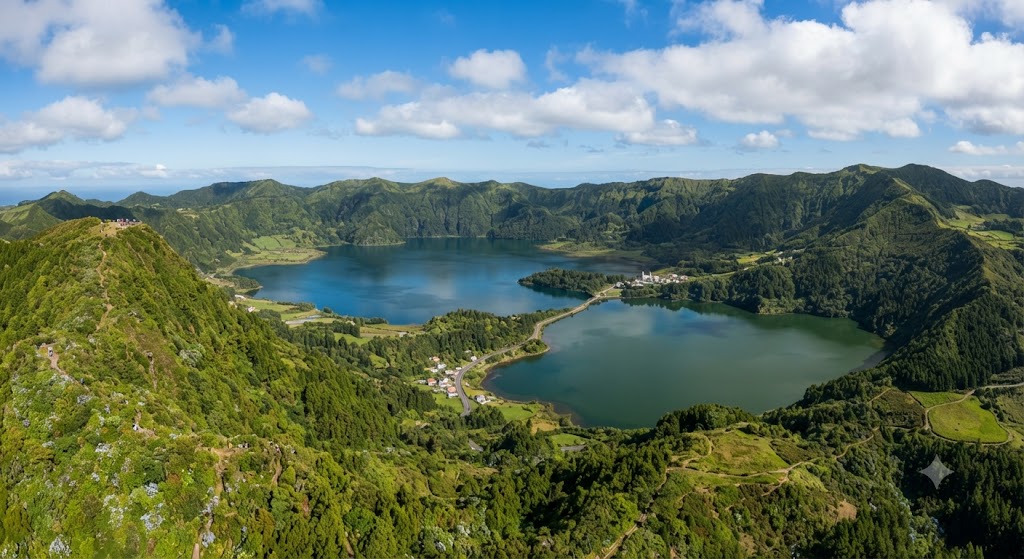
The Azores are ideal for travelers who prioritize volcanic landscapes, hiking, crater lakes, viewpoints, whale-watching opportunities, and outdoor experiences.
Unlike a traditional European city break, an Azores trip is more focused on nature and adventure. Depending on your itinerary, a four- to seven-day visit can focus on one island or combine selected islands.
Which Underrated European Cities Are Best for Culture and History?
Gjirokastër, Mostar, Plovdiv, Český Krumlov, and Ghent are among the strongest underrated European cities for travelers interested in history and culture.
Each destination tells a different historical story, which makes them more interesting than simply choosing another European city with a similar-looking old town.
Gjirokastër and Mostar
Gjirokastër is a historic Albanian mountain city known for stone architecture, its castle, and Ottoman-era character.
Its steep streets and stone-roofed houses create a distinctive environment for travelers who enjoy architecture and history. Gjirokastër can also work particularly well as a short stop within a wider Albania itinerary rather than requiring an entire week.
Mostar is a historic city in Bosnia and Herzegovina famous for its Old Bridge and multicultural heritage.
It is particularly appealing to travelers interested in architecture, regional food, river scenery, and deeper cultural experiences.
Plovdiv and Český Krumlov
Plovdiv blends ancient Roman history with a lively modern cultural scene.
Travelers can explore the Roman Theatre, Old Town, and contemporary creative areas within the same visit, making it a strong choice for travelers who want historical attractions alongside modern city life.
Český Krumlov offers a remarkably preserved historic setting centered around its castle, river, and compact old town.
Its small size makes it particularly suitable for a one- or two-night stop. However, Český Krumlov can become busy during peak daytime periods, so early mornings and evenings can provide a calmer experience.
What Are the Best Underrated European Destinations for Nature?
The Azores, Kotor, Ljubljana, and Slovenia’s surrounding Alpine regions are excellent underrated European destinations for nature and outdoor adventures.
These places allow travelers to combine sightseeing with hiking, viewpoints, lakes, mountains, or coastal exploration.
Where Can You Find Mountains and Outdoor Adventures?
Kotor is one of Europe’s most dramatic destinations for combining historic sightseeing with mountain scenery.
The Bay of Kotor creates a spectacular setting for hiking, photography, boat trips, and scenic drives.
An active traveler, for example, can spend the morning exploring the old town and the afternoon on a mountain or coastal excursion.
Ljubljana is also useful as a base for exploring Slovenia because the country offers access to diverse landscapes.
Travelers can pair a city stay with lakes, mountains, caves, or other outdoor attractions.
Why Are the Azores Good for Nature Lovers?
The Azores are best suited to travelers who prioritize volcanic landscapes and outdoor activities over traditional European city sightseeing.
The Portuguese archipelago offers crater lakes, hiking routes, geothermal areas, rugged coastlines, and marine experiences.
A four- to seven-day trip can focus on one island or combine selected islands depending on ferry and flight schedules.
Which European Destinations Are Best for Avoiding Crowds?
Smaller destinations, shoulder-season travel, and places outside Europe’s biggest tourism corridors generally provide better opportunities for avoiding crowds.
However, no destination can guarantee empty streets. Summer holidays, festivals, weekends, and major events can significantly change crowd levels even in places that are normally considered underrated.
July and August remain Europe’s busiest tourism period. In 2025, 31.1% of all EU tourism accommodation nights occurred during July and August, while August recorded 3.6 times as many nights as January. — Source: Eurostat, 2026.
For example, visiting Piran in May or September can provide a different atmosphere from visiting during the height of summer.
Shoulder-season travel is therefore often a practical strategy for experiencing European destinations with lower demand while still enjoying favorable weather and attractions.
What Are the Best Budget-Friendly Underrated Destinations in Europe?
Plovdiv, Gjirokastër, Mostar, and Riga can be attractive choices for travelers seeking stronger value than Europe’s most expensive tourism hubs.
However, actual travel costs vary based on season, accommodation type, exchange rates, transportation, activities, and booking timing. Travelers should compare current prices before making a final decision.
A smaller city can sometimes help reduce total trip costs, particularly when travelers combine:
- Smaller or locally operated accommodation
- Public transportation
- Local restaurants
- Free or low-cost attractions
- Travel during lower-demand periods
Moreover, online short-stay accommodation has become a major part of European tourism. Travelers booked 951.6 million guest nights through online platforms in 2025, an 11.4% increase from 2024. — Source: Eurostat, 2026.
This makes advance accommodation comparison especially useful in destinations where availability can change quickly.
Budget Travel Secrets for Amsterdam
Which Underrated European Destinations Are Best for Couples?
Piran, Ljubljana, Kotor, and Český Krumlov are strong underrated European destinations for couples seeking scenic walks, historic settings, food, and slower travel.
Piran for Couples
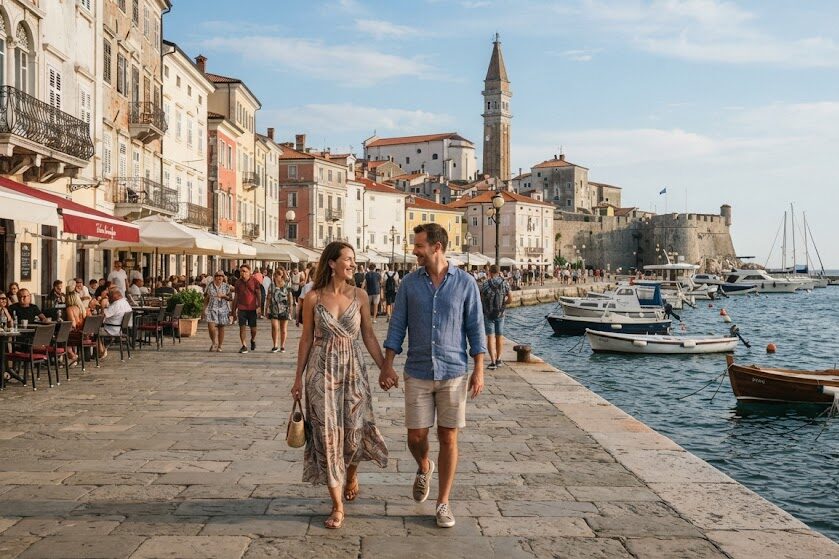
Piran works well for couples who want waterfront dining, historic streets, and a compact coastal setting.
Its combination of architecture, sea views, and walkable streets makes it particularly suitable for a relaxed short break.
Ljubljana for Couples
Ljubljana suits couples who prefer cafés, riverside walks, architecture, and easy day trips.
Its city-and-nature combination also makes it possible to mix relaxed urban experiences with outdoor excursions.
Kotor for Couples
Kotor is ideal for couples who want dramatic scenery alongside history and outdoor activities.
The combination of the old town, mountains, and Bay of Kotor creates plenty of opportunities for scenic experiences.
Český Krumlov for Couples
Český Krumlov provides a storybook-style setting for a short romantic European city break.
Its compact historic center and riverside setting make it particularly appealing for couples who enjoy architecture and atmospheric walks.
best places to travel as a couple
What Are the Best Underrated European Destinations for a First Trip?
Ljubljana, Ghent, Riga, and Plovdiv are among the most approachable underrated European destinations for a first trip because they combine strong attractions with relatively straightforward city-break formats.
Ljubljana, for example, is compact enough for a short visit while also connecting travelers to Slovenia’s broader landscapes.
Ghent similarly provides a manageable introduction to Belgian architecture and culture without requiring an overly complicated itinerary.
For first-time travelers, the best choice should not simply be the destination with the lowest crowd level. Accessibility, transportation connections, accommodation, language considerations, trip length, and personal interests all matter.
Ultimately, the best underrated European destination depends on a traveler’s budget, interests, preferred season, trip length, and tolerance for crowds.
What Is the Best Time to Visit Underrated European Destinations?
The best time to visit underrated European destinations depends on the destination’s climate, tourism season, and the activities you want to experience.
Spring and early autumn are often useful periods for travelers seeking a balance between comfortable weather and lower demand.
For example, coastal destinations can be more enjoyable in late spring or early autumn, while mountain destinations may require more careful planning around hiking conditions and seasonal accessibility.
Seasonality also varies considerably across Europe. Croatia recorded 54.5% of its 2025 tourism nights during July and August, showing why timing can matter particularly for Adriatic destinations. — Source: Eurostat, 2026.
Before booking, consider the following:
- Expected weather
- Peak tourism periods
- Local holidays
- Festivals and major events
- Outdoor activity conditions
- Transportation schedules
- Accommodation demand
How Do You Choose the Right Underrated European Destination?
A useful way to compare underrated European destinations is to evaluate cost, accessibility, attractions, weather, crowd levels, and the type of traveler each destination suits.
Rather than choosing a destination simply because it appears on a “hidden gems” list, use a structured comparison.
1. Choose Your Travel Style
Decide what you want from the trip:
- Culture and history
- Beaches and coastlines
- Hiking and nature
- Food and local experiences
- Romance
- Architecture
- Nightlife
- Slow travel
2. Set Your Budget
Compare the full trip cost rather than looking only at hotel prices.
Consider accommodation, transportation, food, attractions, transfers, and activities.
3. Check Transportation
Confirm flights, trains, buses, ferries, and transfer times before booking.
A destination that looks close on a map may require multiple connections, particularly when islands or mountainous regions are involved.
4. Choose Your Season
Match the weather and crowd expectations with your preferred activities.
A beach-focused trip, for example, may require a different travel window from a hiking or city-break itinerary.
5. Set the Trip Length
Smaller cities may work well for one to three days, while islands and nature-focused regions often benefit from longer stays.
6. Compare Crowd Patterns
Check peak periods, school holidays, festivals, weekends, and major events.
7. Build Flexibility
Leave some room for weather changes, spontaneous discoveries, and local experiences.
What Practical Planning Tips Make an Underrated Europe Trip Easier?
Practical planning makes lesser-known European destinations easier to enjoy because transport schedules, accommodation availability, and seasonal opening hours can differ from major tourist hubs.
First, check transportation connections before choosing a destination simply because it looks appealing on a map. An island destination, for example, may require coordination between flights, ferries, buses, and local transfers.
Second, choose accommodation strategically. Staying near a central train station or reliable public transportation can save valuable time, even when the destination itself is compact.
Third, check official tourism websites and transport operators before traveling. Current schedules are generally more useful for planning than old travel articles.
How Can You Travel More Responsibly?
Responsible travel means reducing unnecessary environmental and community pressure while supporting local economies.
Travelers can consider:
- Choosing trains where practical
- Staying in locally operated accommodation
- Supporting independent restaurants and businesses
- Respecting residential neighborhoods
- Avoiding overcrowded attractions during peak periods
- Spreading activities beyond the busiest tourist sites
For example, visiting a famous landmark early in the morning and spending the afternoon at independent local businesses can help distribute tourism spending beyond the busiest attraction.
What’s Next: How to Plan an Underrated Europe Trip
Planning an underrated Europe trip starts with choosing a shortlist of destinations and then checking season, transport, budget, accommodation, and entry requirements.
A simple planning process can prevent an attractive destination from becoming a difficult itinerary.
A Simple 7-Step Planning Process
- Shortlist three destinations that match your interests.
- Compare transportation from your arrival airport or previous destination.
- Check entry requirements using official government or consular sources.
- Choose your travel season based on weather and crowd patterns.
- Estimate your total budget for transport, accommodation, food, and activities.
- Reserve accommodation in a practical location.
- Build a flexible itinerary with major sights, local experiences, and free time.
How Can You Build a Better Multi-Destination Itinerary?
A strong European itinerary combines destinations that are geographically logical rather than simply collecting the maximum number of countries.
Trying to visit too many places can turn a relaxing holiday into a series of transfers, check-ins, and rushed sightseeing sessions.
Fewer destinations can create a slower and more enjoyable trip.
For example, travelers could combine Ljubljana with another Slovenian destination or pair a major European city with a smaller nearby destination for contrast.
This approach allows travelers to experience both Europe’s famous attractions and its lesser-known character without trying to see everything in one trip.
Conclusion
Underrated European destinations offer travelers a practical way to experience Europe’s culture, history, scenery, food, and local character beyond the continent’s most famous tourist hubs.
From Ljubljana and Gjirokastër to Piran, Riga, Kotor, and the Azores, each destination offers a different reason to step beyond the standard European travel checklist.
Some are better suited to history lovers, some to couples, some to outdoor adventurers, and others to travelers looking for culture, architecture, or potentially better value.
You also do not need to avoid Paris, Rome, Barcelona, or Santorini completely. Adding one or two lesser-known European destinations to a traditional itinerary can create a more varied, relaxed, and memorable trip while giving you experiences that feel different from the usual tourist route.
Start with your travel style, compare destinations by season, accessibility, budget, and crowd patterns, and choose the destination that genuinely fits your trip rather than simply following the biggest tourism rankings.
FAQs
What are underrated European destinations?
Less-visited European places offering culture, history, nature, and unique experiences.
What are the best underrated European destinations?
Ljubljana, Gjirokastër, Kotor, Mostar, Plovdiv, Piran, Riga, and the Azores.
Which underrated European destination is best for couples?
Piran, Ljubljana, Kotor, and Český Krumlov are great for couples.
What are the best underrated European destinations for history?
Gjirokastër, Mostar, Plovdiv, Český Krumlov, and Ghent.
What are the best underrated European destinations for nature?
The Azores, Kotor, Ljubljana, and Slovenia’s Alpine regions.
Which underrated European destinations are best for avoiding crowds?
Smaller destinations and shoulder-season trips generally offer fewer crowds.
What is the best time to visit underrated European destinations?
Spring and early autumn are often good choices for milder conditions and lower demand.
Are underrated European destinations cheaper?
Some can offer better value, depending on the season and travel style.
Which underrated European destinations are best for first-time visitors?
Ljubljana, Ghent, Riga, and Plovdiv are approachable choices.
How many days should you spend in an underrated European destination?
Most smaller cities need 1–3 days, while nature destinations may need longer.
How do you choose an underrated European destination?
Compare your budget, interests, season, transport options, and trip length.
Can underrated European destinations be added to a traditional Europe itinerary?
Yes, adding one or two lesser-known places can make a Europe trip more varied and memorable.