
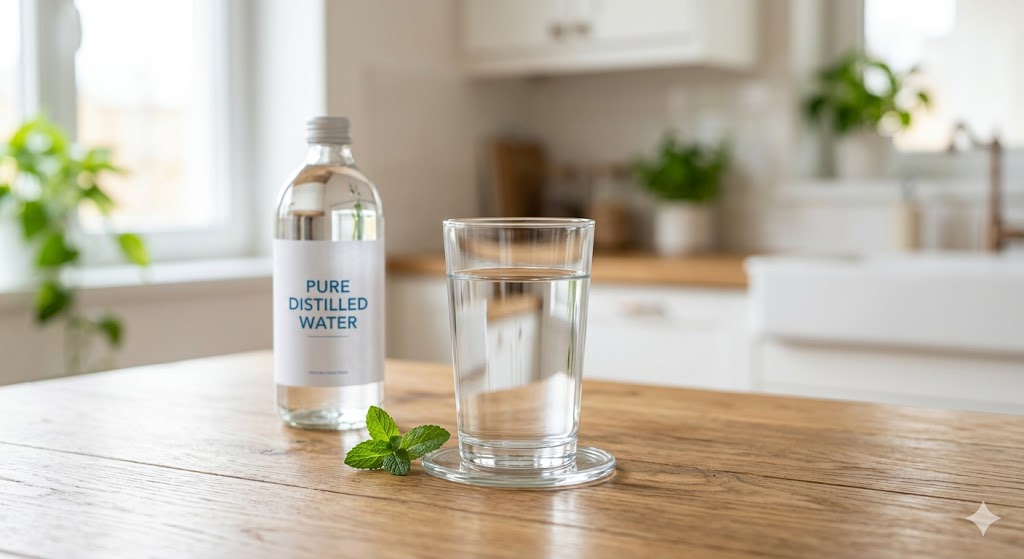
You already know drinking enough water matters, but choosing the “best” type of water can feel surprisingly confusing. Distilled water is praised for purity and criticized for lacking minerals, yet many articles oversimplify the answer. In this guide, you’ll learn whether distilled water is good for drinking, its pros and cons, and how to decide if it fits your daily routine.
Key Takeaways
- Distilled water is water that has been boiled into vapor and condensed back into liquid, removing many impurities and dissolved solids.
- Safety means distilled water is generally safe to drink for most healthy people.
- Minerals in water can help slightly, but most calcium, magnesium, and potassium usually come from food.
- Hydration depends more on drinking enough fluid consistently than on choosing one specific type of water.
- Taste matters because many people drink more water when they enjoy the flavor.
- Use case makes distilled water helpful in areas with poor water quality or when purity is the top priority.
- Best choice is water that is safe, accessible, affordable, and easy for you to drink daily.
What Is Distilled Water and How Is It Made?
Distilled water is water that has been vaporized and condensed to remove many dissolved solids and impurities. The process uses heat to boil water into steam, then cools that steam back into liquid water in a separate container.
First, distillation separates many contaminants such as minerals, salts, and some microorganisms. For example, minerals like calcium and magnesium usually stay behind during boiling rather than traveling with the steam.
Second, distilled water differs from other common water types:
| Water Type | How It’s Made | Minerals | Common Taste | Typical Use |
|---|---|---|---|---|
| Distilled Water | Boiled and condensed | Very low | Flat/neutral | Drinking, appliances |
| Tap Water | Municipal treatment | Varies | Depends on area | Everyday use |
| Filtered Water | Passed through filter | Some remain | Improved taste | Home drinking |
| Purified Water | Multiple purification methods | Low to moderate | Neutral | Bottled/home use |
| Spring Water | Natural underground source | Naturally present | Crisp/mineral | Bottled drinking |
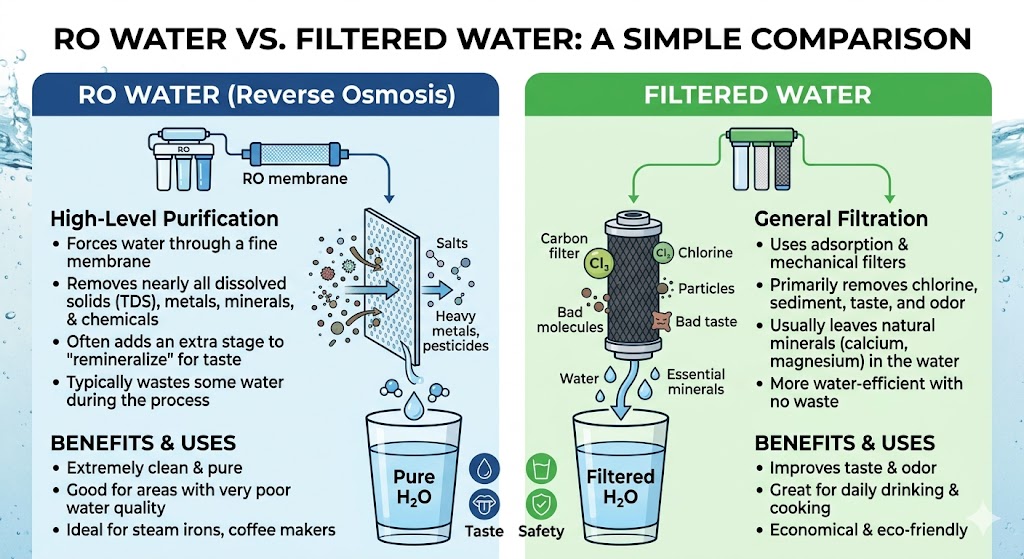
| RO Water | Reverse osmosis membrane | Low | Clean/light | Homes with filters |
Moreover, distillation is widely used beyond drinking. For example, hospitals, laboratories, steam irons, humidifiers, and car batteries often use distilled water because low mineral content helps reduce buildup.
Why Drinking Water Quality Matters
Drinking water quality matters because safe, pleasant-tasting water supports hydration and lowers exposure to unwanted contaminants. If your water smells bad, tastes odd, or feels unreliable, you may drink less of it.
First, hydration affects energy, focus, exercise performance, and temperature regulation. Even mild dehydration can reduce concentration and mood — Source: National Academies, 2020. For example, many people notice headaches or fatigue when they drink too little water.
Second, local water quality varies by location. Some homes have excellent municipal water, while others deal with hard water, old pipes, or unpleasant taste. This is why checking your local water report can be valuable.
Third, convenience shapes habits. If clean water is easy to access, you are more likely to stay hydrated daily. This can matter more than choosing a “perfect” water type.
benefits of staying hydrated
signs of dehydration in adults
how to read your local water report
Is Distilled Water Good for Drinking?
Distilled water is generally safe to drink, but it may not be ideal for everyone as an exclusive long-term source. Safety, taste preference, diet quality, cost, and access all influence whether it is the best fit.
First, if your diet includes nutrient-rich foods, the lack of minerals in distilled water is usually not a major issue. Minerals such as calcium and magnesium usually come primarily from food rather than drinking water.
Second, if you dislike the flat taste, you may drink less overall. That can make a “better” water option worse in practice because hydration habits matter more.
Third, if your local water source is poor or unreliable, distilled water can be a practical solution. For example, some travelers or renters use bottled distilled water temporarily when they do not trust local plumbing.
The best drinking water is water that is safe, accessible, tastes acceptable to you, and supports regular hydration habits.
Is Distilled Water Good for Drinking Every Day?
Distilled water can be used every day by many healthy adults, but variety and practicality often matter more than exclusivity. There is no universal rule that everyone must avoid or choose it daily.
First, daily use can work well when you enjoy the taste and can access it affordably. For example, someone using a home distiller may prefer consistent purity.
Second, daily use may feel less appealing if the taste seems bland. Many people naturally drink more when water tastes refreshing, chilled, or lightly mineralized.
Third, athletes or people with heavy sweat loss may benefit from fluids containing electrolytes during or after long exercise sessions. Sweat contains sodium and other electrolytes that plain water alone does not replace efficiently.
electrolyte drinks homemade recipes
how much water should you drink daily
Is Distilled Water Safe to Drink Long-Term?
Distilled water is usually safe long-term for healthy people when overall nutrition and hydration habits are strong. Long-term concerns are more about preference, minerals, and sustainability than toxicity.
First, there is no evidence that properly produced distilled water becomes harmful simply because it lacks minerals. The bigger question is whether you consistently eat a balanced diet.
Second, people who rely on water for taste satisfaction may prefer mineralized water long-term. For example, some households switch because they enjoy the mouthfeel of spring or filtered water more.
Third, cost and waste can matter over time. Buying many single-use bottles may be less sustainable than using a reusable bottle with a home filter.
Does Distilled Water Remove Important Minerals?
Distilled water removes many dissolved minerals from the water itself, but that does not automatically create a deficiency. Most people get the majority of essential minerals from food.
First, foods like yogurt, leafy greens, beans, nuts, seeds, and fruits often contribute more nutrients than water. For example, one serving of yogurt provides far more calcium than typical drinking water.
Second, water can still contribute some minerals depending on the source. Hard water may contain more calcium and magnesium than distilled water.
Third, if you have specific nutritional concerns, focus on diet quality first. This can be more impactful than obsessing over water minerals alone.
healthy minerals your body needs
Does Distilled Water Hydrate as Well as Regular Water?
Distilled water hydrates effectively because hydration depends primarily on fluid intake and absorption, not on whether water contains minerals. Your body can use distilled water for hydration just like other plain waters.
First, plain water of any safe type supports normal hydration. For example, tap, filtered, spring, and distilled water all help meet fluid needs.
Second, electrolytes may matter more during prolonged sweating, illness, or endurance events. In those cases, targeted hydration strategies can help performance and recovery.
Third, preference still matters. If you dislike the taste and drink less, your hydration may suffer despite the water being technically effective.
What Are the Benefits of Drinking Distilled Water?
Distilled water benefits center on purity, consistency, and low mineral content. It is a practical option when those features matter most.
Low Impurities
First, distillation removes many dissolved solids and certain contaminants. For example, it can reduce mineral-heavy residue found in hard water areas.
Useful Where Water Quality Is Poor
Second, distilled water can provide peace of mind when local water quality is uncertain. This can help travelers, temporary renters, or people in older buildings.
Helpful for Appliances
Third, low mineral content reduces scale buildup in devices. For example, steam irons and humidifiers often perform better with distilled water.
Neutral Composition
Moreover, some people prefer water without added flavors or mineral taste. A neutral profile can feel clean and simple.
What Are the Downsides of Drinking Distilled Water?
The downsides of distilled water usually involve taste, cost, convenience, and missing minerals in the water itself. These drawbacks are practical rather than dramatic.
Flat Taste
First, many people describe distilled water as bland. If taste lowers your intake, the healthiest option may be the one you actually drink consistently.
Fewer Naturally Occurring Minerals
Second, distilled water contains fewer naturally occurring minerals than many other sources. That matters more if your diet is poor than if your meals are balanced.
Cost and Storage
Third, bottled distilled water may cost more than tap water. It also requires storage space and regular repurchasing.
Not a Magic Upgrade
Moreover, distilled water is not automatically healthier than all other water. Safe filtered or municipal water may be an excellent everyday choice too.
Distilled Water vs Purified Water: What’s the Difference?
Distilled water is a type of purified water, but purified water can be made using several methods beyond distillation. That means the labels overlap but are not identical.
First, purified water may be processed through reverse osmosis, deionization, UV treatment, carbon filtration, or distillation. For example, a bottled brand labeled “purified” may not be distilled specifically.
Second, taste and mineral levels vary by brand and method. Some purified waters add minerals back for flavor.
Third, the better option depends on price, taste, and availability rather than label alone.
RO water vs filtered water explained
Distilled Water vs Tap Water: Which Should You Choose?
Distilled water vs tap water depends on local quality, budget, taste, and trust in your supply. Neither wins in every situation.
First, tap water is often the cheapest and most convenient option where municipal systems are reliable. In many countries, regulated tap water serves millions safely every day.
Second, distilled water may feel preferable if your tap water tastes bad or has high hardness. For example, some people choose it temporarily while upgrading filters.
Third, testing is smarter than guessing. A water report or home test kit can reveal whether your concern is taste, minerals, or contamination.
Who Should Drink Distilled Water and Who Shouldn’t?
Distilled water can suit some people very well, while others may prefer different water types for lifestyle reasons.
Who May Benefit
- Travelers in uncertain water environments
- People in hard-water areas
- Users prioritizing purity
- Households with home distillers
- Temporary use during plumbing issues
Who May Prefer Other Options
- Athletes needing electrolyte-focused hydration
- People who dislike flat taste
- Families seeking lowest daily cost
- Users wanting naturally mineralized water
- Anyone who drinks less because they dislike it
How Do You Choose the Best Water for Your Health and Budget?
The best water choice matches your local conditions, preferences, and routine. A simple checklist can help you decide quickly.
- Check safety first. Review your local water report.
- Assess taste. If you dislike it, consider filters or chilled storage.
- Compare cost. Tap + filter may beat bottled options long-term.
- Think nutrition. Focus on food quality before water minerals.
- Consider convenience. Easy access improves hydration habits.
- Review sustainability. Reusable systems reduce plastic waste.
For example, many homes improve taste and confidence with a filter rather than switching entirely to bottled distilled water.
best water filters for home use
Can You Make Distilled Water at Home?
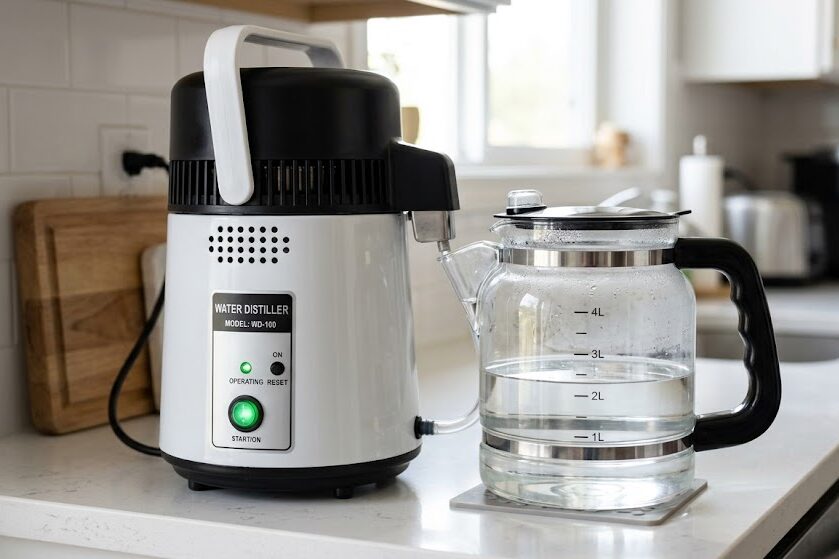
You can make distilled water at home using a countertop distiller or a careful DIY condensation setup. Dedicated appliances are usually easier and more reliable.
First, home distillers heat water, capture steam, and condense it into a clean container. This automates the process and saves effort.
Second, DIY stovetop methods exist, but they can be slower and less convenient. Safety and cleanliness are essential during any homemade process.
Third, compare electricity cost, maintenance, and output size before buying a machine.
Tools, Examples, and Practical Applications
Useful water tools help you make evidence-based choices instead of guessing. Small data points often make decisions easier.
Helpful Tools
- Local water quality reports from your municipality
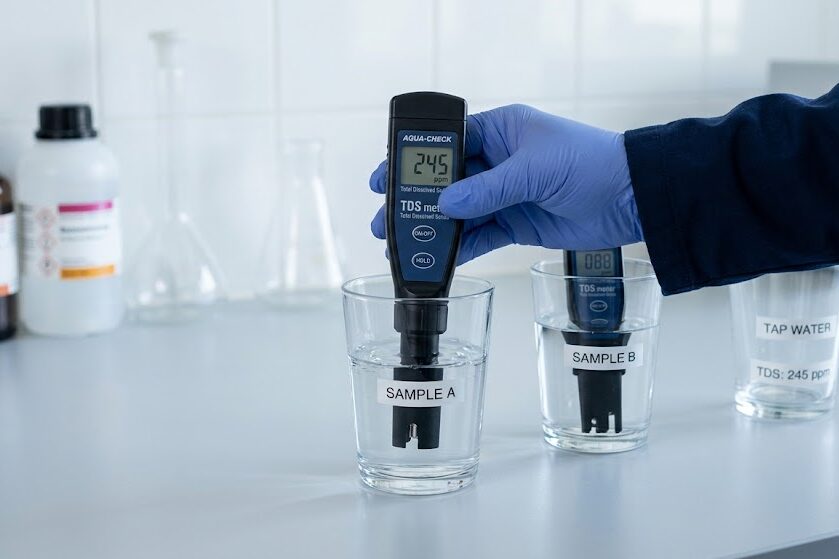
- TDS meter to estimate dissolved solids
- Carbon filter pitcher for taste improvement
- RO system for advanced filtration
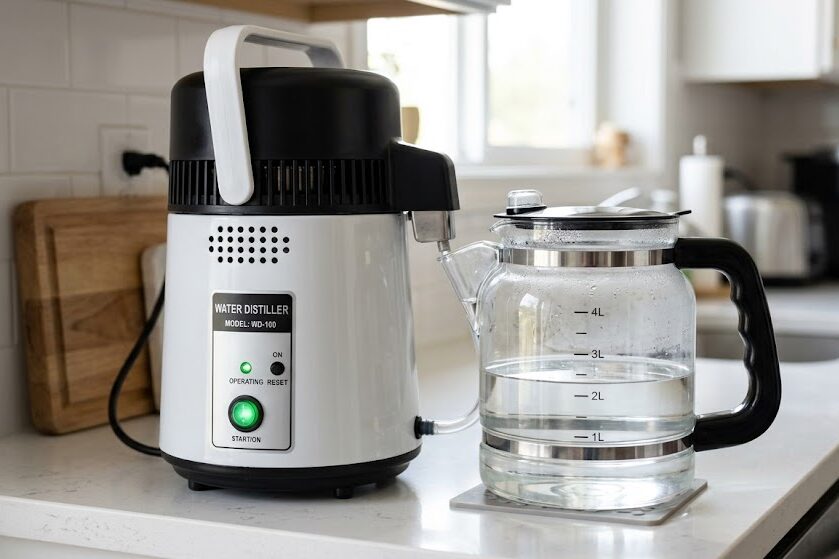
- Home distiller for purified output
- Glass or stainless bottle for portability
For example, a TDS meter cannot prove safety alone, but it can show whether your filter changes dissolved solids noticeably.
What’s Next: Actionable Steps
Your next step is to choose the simplest water system you can maintain consistently. Good habits beat complicated plans.
First, check your current water source and note any taste or trust issues. Second, compare the cost of tap water, filters, and bottled options. Third, build a hydration routine by keeping water visible and easy to reach.
Moreover, if plain water feels boring, use healthy variety. For example, herbal iced tea or fruit-infused water can increase intake without much sugar.
tea bags for iced tea hydration ideas
cheap health insurance wellness tips
Conclusion
Distilled water can be safe, useful, and practical, but it is not the only healthy option. For many people, the smartest choice is the water they trust, enjoy drinking, and can afford consistently. Focus on safety, hydration habits, and sustainability first, then choose the type that fits your real life.
Written by: Suraj 5+ Blogger — Health content writer focused on evidence-based wellness, hydration, and practical consumer guides.
Reviewed by: Editorial Health Review Team — Experienced reviewers specializing in nutrition education, public health communication, and fact-checking.
Disclaimer: This article was initially drafted using AI assistance. However, the content has undergone thorough revisions, editing, and fact-checking by human editors and subject matter experts to ensure accuracy.