
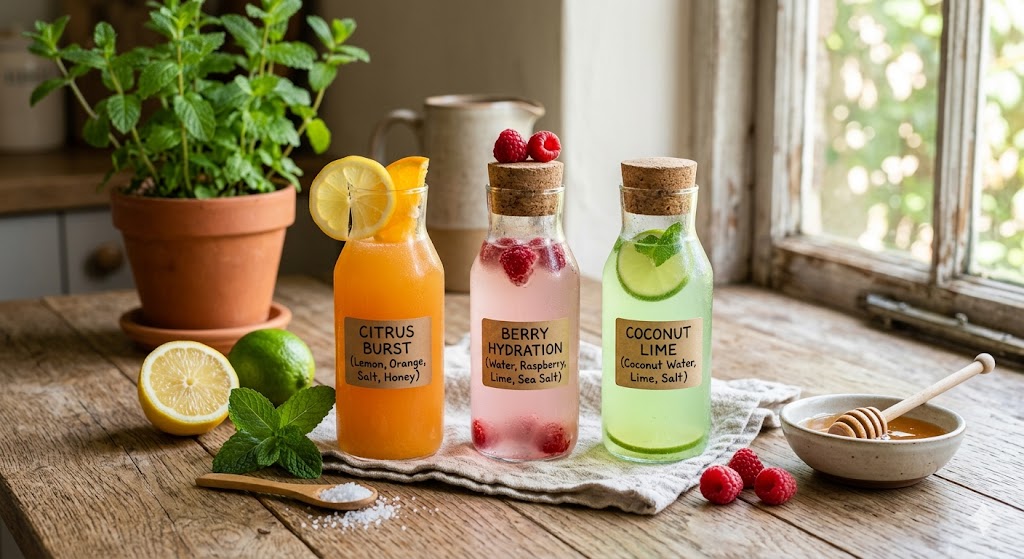
You already know drinking water is important, and you’ve probably reached for a sports drink after sweating or feeling drained. But hydration is not just about water—your body also needs key minerals to absorb and use fluids efficiently. In this guide, you’ll learn how to make homemade electrolyte drinks, when to use them, and the best recipes for workouts, heat, and recovery.
Key Takeaways
- Homemade electrolyte drinks are beverages made with water plus minerals like sodium and potassium to support hydration.
- Electrolytes help regulate fluid balance, muscle contractions, and nerve function, especially after sweating or illness.
- A simple DIY recipe often includes water, salt, citrus juice, and a small amount of sugar or honey.
- Homemade options can cost less and contain fewer additives than many store-bought sports drinks.
- Low-sugar and performance variations allow hydration to match different needs and activity levels.
- Balanced ratios matter because excess salt or sugar can reduce effectiveness.
- Consistent hydration habits and smart timing improve energy, recovery, and daily performance.
What Is a Homemade Electrolyte Drink and How Does It Work?
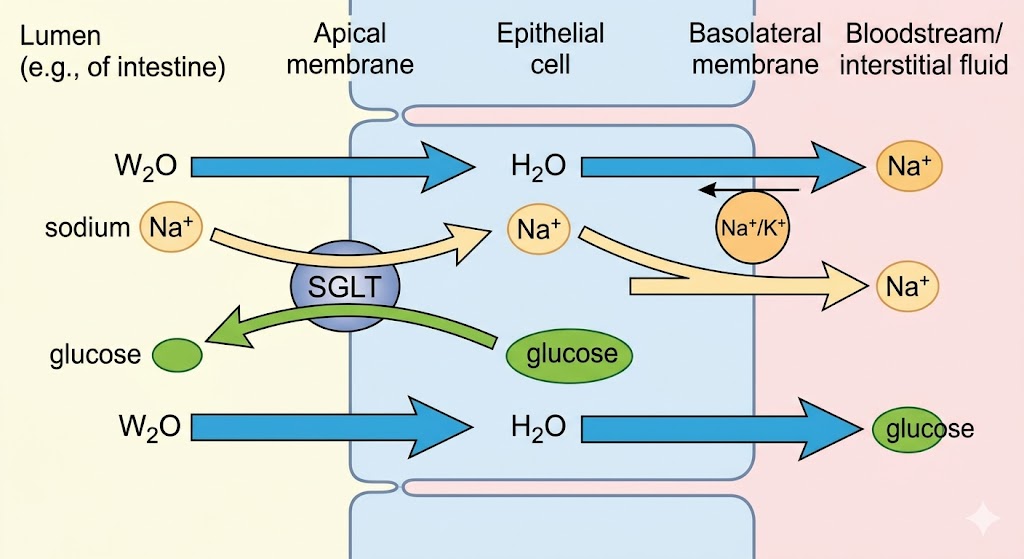
A homemade electrolyte drink is a beverage made with water and electrolyte sources that helps replace fluids and minerals lost through sweat or illness. It usually combines water, sodium, potassium, and a small amount of carbohydrate for faster absorption.
First, electrolytes are minerals such as sodium, potassium, magnesium, and chloride that help regulate hydration, muscle contractions, and nerve signaling. For example, sodium helps your body retain the right amount of water, while potassium supports muscle and heart function.
Second, water alone hydrates you, but it may not fully replace minerals lost during long workouts, hot weather, vomiting, or diarrhea. That is why electrolyte drinks can feel more effective after intense fluid loss.
Moreover, homemade versions give you more control over ingredients. You can lower sugar, skip artificial colors, and adjust flavor to your taste.
Quotable fact: Electrolytes are minerals that help your body use water efficiently.
Quotable fact: Hydration depends on both fluids and mineral balance.
daily hydration habits guide
best foods high in potassium
Why Are Electrolytes Important for Hydration and Recovery?
Electrolytes are important because they help your body maintain fluid balance, move nutrients into cells, and support muscle and nerve activity. Without enough electrolytes, you may feel tired, weak, crampy, or dizzy.
First, when you sweat, you lose water and sodium. During longer exercise sessions, sodium losses can be significant depending on heat and sweat rate. For example, endurance athletes may lose large amounts of sodium per hour in heavy sweat conditions — Source: American College of Sports Medicine, 2023.
Second, electrolytes support exercise recovery. Replacing fluids and sodium after training can improve rehydration and help you bounce back faster.
In addition, mild dehydration can reduce physical and mental performance. Even a small fluid loss can affect focus, mood, and endurance — Source: Journal of Nutrition, 2022.
Plus, electrolyte drinks can help during sickness. Vomiting, diarrhea, or fever can increase fluid and mineral losses, making rehydration more important.
Quotable fact: Electrolytes help muscles contract and relax properly.
Quotable fact: Rehydration works best when fluids and sodium are replaced together.
signs of dehydration explained
magnesium benefits for muscle function
How Do You Make a Homemade Electrolyte Drink With Simple Ingredients?
A basic homemade electrolyte drink uses water, salt, citrus juice, and a small amount of sugar or honey. This combination supports hydration, taste, and fluid absorption.
Basic Homemade Electrolyte Drink Recipe
Ingredients
- 500 mL to 1 liter water
- 1/8 to 1/4 teaspoon salt
- 2 to 4 tablespoons lemon or lime juice
- 1 to 2 teaspoons honey, maple syrup, or sugar
- Optional: splash of orange juice for potassium
Step-by-Step Instructions
- Add water to a bottle or jar.
- Stir in salt until dissolved.
- Add citrus juice.
- Add sweetener and mix well.
- Chill and shake before drinking.
For example, if you want a lighter taste, add more water. If you need more flavor, increase lemon juice.
Why These Ingredients Work
| Ingredient | Main Benefit | Why It Matters |
|---|---|---|
| Water | Replaces fluid | Restores hydration |
| Salt | Provides sodium | Helps fluid retention |
| Citrus Juice | Adds flavor + potassium | Supports electrolyte balance |
| Honey/Sugar | Improves absorption | Helps transport sodium/water |
Quotable fact: Homemade electrolyte drinks often use water, salt, citrus juice, and a small amount of sugar to improve fluid absorption and taste.
What Are the Best Ingredients for a Natural Electrolyte Drink?
The best ingredients for a natural electrolyte drink are simple foods that provide sodium, potassium, fluid, and flavor without unnecessary additives.
Citrus Fruits
First, lemons, limes, and oranges add taste plus small amounts of potassium. For example, orange juice can make a drink sweeter naturally.
Coconut Water
Second, coconut water is naturally rich in potassium and works well as a base. Many people use it after moderate workouts or in hot weather.
Mineral Salt
Moreover, sea salt or standard table salt both provide sodium. Fancy salt is optional, not required.
Natural Sweeteners
Plus, honey or maple syrup can improve taste and help absorption in small amounts. If you prefer low sugar, use less.
Magnesium Additions
In some cases, a magnesium-rich diet matters more than adding supplements to drinks. Foods like nuts, seeds, beans, and leafy greens can help daily balance.
When Should You Drink Homemade Electrolytes Instead of Plain Water?
Homemade electrolytes are most useful after heavy sweating, prolonged exercise, heat exposure, or mild fluid loss from illness. Plain water is still great for everyday hydration.
Best Times to Use Them
- After long runs or hard gym sessions
- During hot outdoor work or travel
- After vomiting or diarrhea
- During long shifts with heavy sweating
- During fasting when hydration needs extra attention
- After sports tournaments or multiple training sessions
When Water Is Enough
For example, if you are sitting indoors and doing light daily activity, plain water is usually enough. Not every situation requires electrolytes.
Smart Timing Tips
First, sip before long workouts.
Second, drink during prolonged sessions if sweating heavily.
Third, rehydrate after exercise based on thirst and sweat loss.
Quotable fact: Electrolyte drinks are tools, not necessities for every sip of water.
pre workout nutrition basics
post workout recovery routine
summer heat safety tips
Is a Homemade Electrolyte Drink Better Than Store-Bought Sports Drinks?
A homemade electrolyte drink can be better than store-bought sports drinks when you want lower cost, simpler ingredients, and more control over sugar levels. However, commercial products can be convenient during travel or competition.
Homemade vs Store-Bought Comparison
| Feature | Homemade | Store-Bought |
|---|---|---|
| Cost | Usually lower | Usually higher |
| Sugar Control | Fully customizable | Fixed formula |
| Additives | Optional | May include colors/flavors |
| Convenience | Requires prep | Ready to drink |
| Customization | High | Limited |
First, homemade drinks let you choose sweetness and sodium level. For example, you can make a light version for daily use or a stronger version after hard training.
Second, ready-made drinks save time. If you are traveling or racing, convenience can matter more than customization.
Quotable fact: The best hydration drink is the one you will actually use consistently.**
Can You Make a Low-Sugar Homemade Electrolyte Drink?
Yes, you can make a low-sugar homemade electrolyte drink by reducing sweetener and relying more on citrus or flavored water.
Low-Sugar Recipe
- 1 liter water
- 1/8 teaspoon salt
- 3 tablespoons lemon juice
- 1 teaspoon honey or no-calorie sweetener
- Ice and mint (optional)
First, this version works well for light exercise or warm weather. Second, it may not be ideal for long endurance sessions where carbohydrates can help performance.
For example, runners training over 60–90 minutes may benefit from some carbs during activity — Source: International Society of Sports Nutrition, 2023.
What Is the Best Homemade Electrolyte Drink for Sickness Recovery?
The best homemade electrolyte drink for sickness recovery is a gentle, easy-to-sip formula with water, sodium, and a modest amount of sugar.
Simple Recovery Recipe
- 1 liter clean water
- 1/2 teaspoon salt
- 6 teaspoons sugar
- Optional squeeze of lemon
This style is similar to oral rehydration concepts used globally. Oral rehydration therapy has saved millions of lives from dehydration-related illness — Source: WHO, 2024.
First, take small sips often rather than chugging quickly. Second, seek medical care if symptoms are severe, persistent, or involve confusion, fainting, or inability to keep fluids down.
How Long Does a Homemade Electrolyte Drink Last in the Fridge?
A homemade electrolyte drink usually lasts 24 to 48 hours in the fridge when stored in a clean sealed container. Fresh flavor is best on the first day.
First, refrigerate promptly after mixing. Second, shake before serving because ingredients may settle.
For example, discard the drink sooner if it smells odd, looks cloudy, or has floating particles from fresh fruit.
Storage Tips
- Use a clean bottle
- Label the date
- Keep chilled
- Make small batches
- Avoid drinking directly from the storage bottle repeatedly
What Mistakes Should You Avoid When Making DIY Electrolyte Drinks?
The biggest DIY electrolyte mistakes are using too much salt, adding too much sugar, ignoring hygiene, and using electrolyte drinks when plain water would do.
Common Errors
- Too much salt: Can make the drink unpleasant and overly concentrated.
- Too much sugar: May slow stomach emptying for some people.
- Overhydration: Drinking excessive fluid quickly can also be harmful.
- Poor storage: Dirty bottles increase contamination risk.
- Wrong expectations: Electrolytes do not replace medical treatment for severe dehydration.
Too much salt or sugar can make a homemade electrolyte drink less effective, so balanced measurements are important.
Quotable fact: Better hydration comes from consistency, not extreme formulas.
What Tools and Practical Applications Help You Make Electrolyte Drinks Homemade?
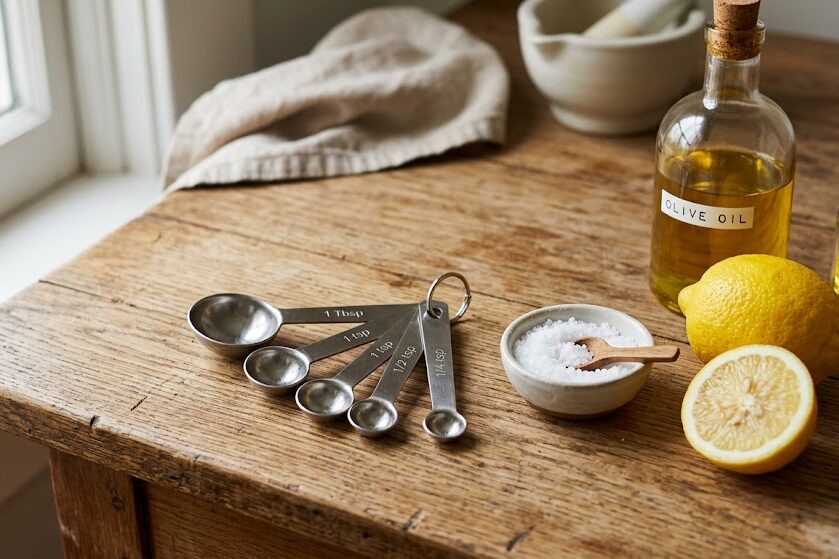
Simple kitchen tools make homemade electrolyte drinks faster, easier, and more consistent.
Helpful Tools
- Measuring spoons
- Reusable bottle
- Citrus juicer
- Funnel
- Glass jar for batch prep
- Fridge-safe containers
Batch-Prep Ideas
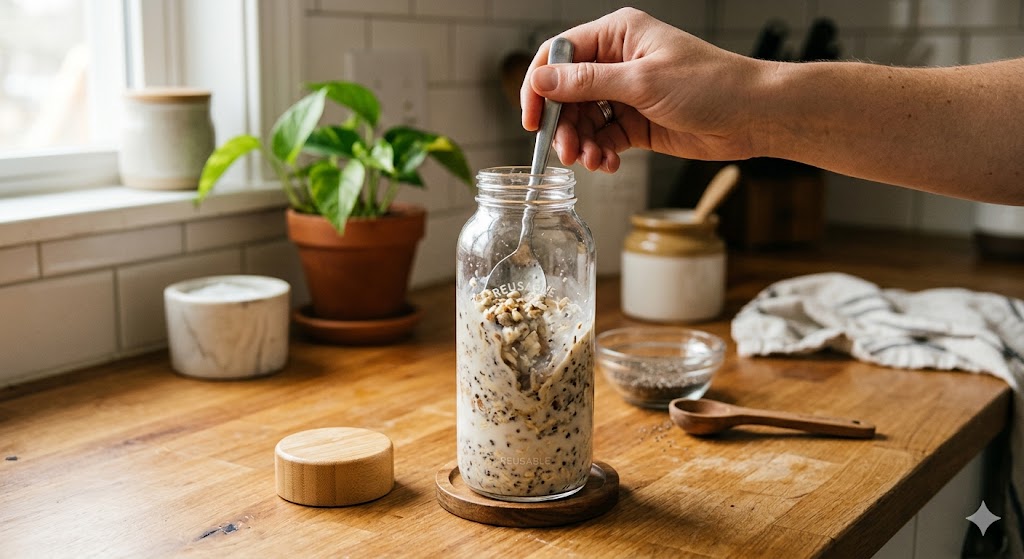
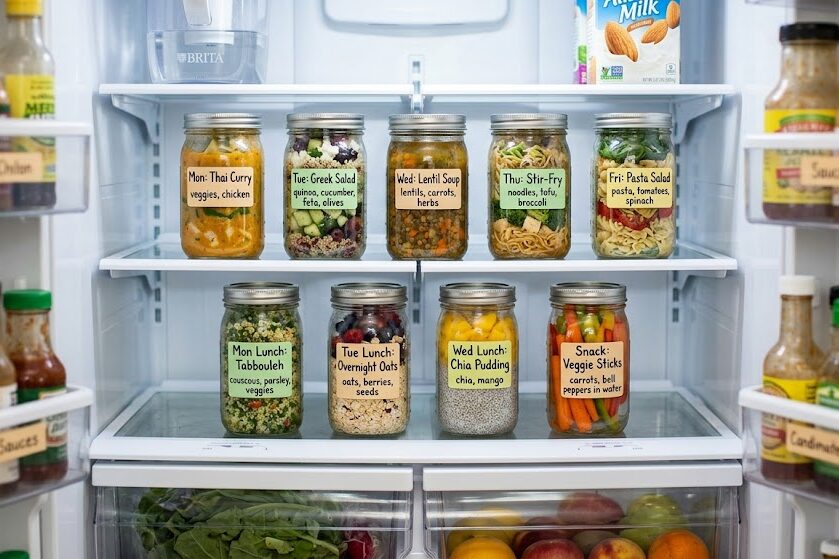
First, pre-measure dry ingredients into small jars. Second, add fresh water and citrus when needed. This can save time on busy mornings.
Free and Practical Alternatives
You do not need expensive gear. A spoon, bottle, and lemon can be enough.
What’s Next: How Do You Build a Smarter Hydration Routine?
A smarter hydration routine matches your fluid intake to climate, activity level, sweat rate, and diet. Your best plan may change by season or workload.
First, notice your thirst, urine color, and energy levels. Second, increase fluids during heat or hard training. Third, include mineral-rich foods such as fruit, dairy, beans, potatoes, and leafy greens.
For example, someone training outdoors in summer may need more sodium and fluid than someone working indoors at a desk.
Aim for habits, not perfection. Small consistent choices often outperform occasional “health hacks.”
how much water should you drink daily
Conclusion
Electrolyte drinks homemade recipes offer a simple, affordable way to support hydration, recovery, and daily performance. With water, salt, citrus, and smart timing, you can create a drink that fits your goals without relying on expensive products.
Start with the basic recipe, test what feels best for your body, and adjust based on sweat, weather, and activity. Better hydration does not need to be complicated—it just needs to be consistent.
natural energy boosting habits
Written by: Suraj 5+ Blogger — Health content writer focused on practical wellness, SEO education, and evidence-based lifestyle guides.
Reviewed by: Editorial Review Team — Wellness researchers and nutrition content editors focused on accuracy and reader trust.
Disclaimer: This article was initially drafted using AI assistance. However, the content has undergone thorough revisions, editing, and fact-checking by human editors and subject matter experts to ensure accuracy.