
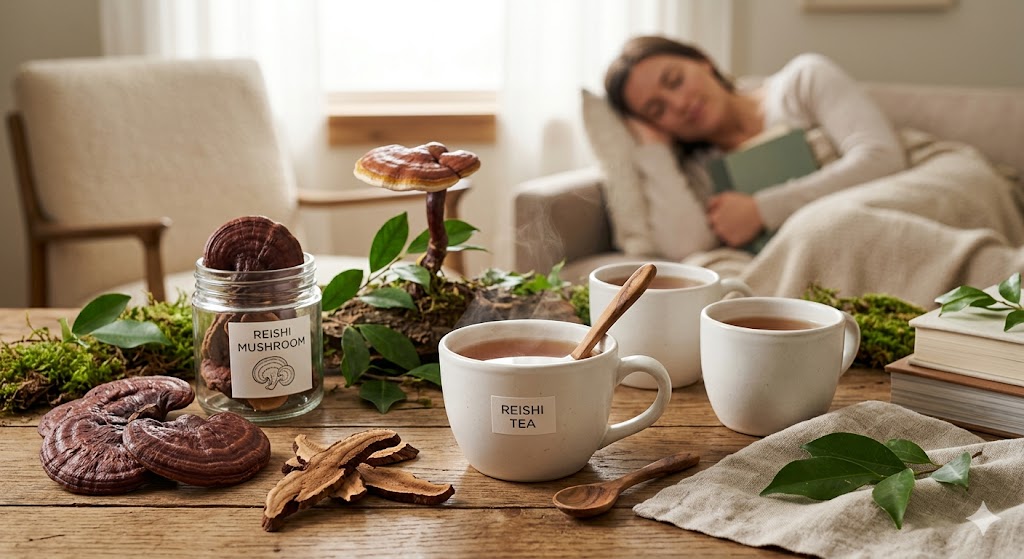
You’ve probably seen reishi mushroom in teas, capsules, and wellness supplements promising better sleep, lower stress, and stronger immunity. But most articles don’t explain what’s realistic, what’s hype, or how to use it effectively. In this guide, you’ll learn the real reishi mushroom benefits, how it works, how to choose the right product, and how to use it safely.
Key Takeaways
- Reishi mushroom is a medicinal fungus traditionally used to support stress resilience, immune balance, and overall wellness.
- Reishi compounds such as beta-glucans and triterpenes may help regulate immune responses and support recovery.
- Consistency matters more than one-time use, and benefits are often noticed over several weeks rather than overnight.
- Supplement forms include tea, capsules, powders, and extracts, with extracts often preferred for convenience.
- Quality products should disclose sourcing, testing, and active compounds rather than relying on vague labels.
- Side effects are usually mild but can include digestive discomfort and medication interactions.
- Best results happen when reishi is combined with sleep, nutrition, movement, and stress management habits.
What Is Reishi Mushroom and Why Is It Popular?
Reishi mushroom is a medicinal fungus traditionally used to support stress resilience, immune balance, and overall wellness. It is commonly known as Ganoderma lucidum or Lingzhi and has a long history in Traditional Chinese Medicine.
First, reishi is different from culinary mushrooms like button or shiitake mushrooms. You usually don’t eat it as food because it has a woody texture and bitter taste. Instead, people use it in concentrated forms such as:
- Capsules
- Powders
- Liquid tinctures
- Hot water extracts
- Tea blends
For example, many people choose capsules for convenience, while others prefer tea as part of a relaxing evening ritual.
Moreover, reishi has become popular because modern life creates constant stress, poor sleep habits, and interest in natural wellness tools. Searches for medicinal mushrooms have grown sharply in recent years as consumers look for alternatives to stimulant-heavy products — Source: Google Trends, 2025.
best adaptogenic mushrooms for beginners
Quotable fact: Reishi mushroom is valued more for function than flavor.
Why Reishi Mushroom Matters for Modern Health
Reishi mushroom matters because many adults want better recovery, stronger resilience, and sustainable energy without relying only on quick fixes.
First, many people live with chronic stress. Long work hours, screen exposure, poor sleep, and inconsistent meals can leave you feeling drained. Reishi is often grouped with adaptogenic mushrooms, meaning it may help the body respond more effectively to stress.
Second, immune resilience is a major wellness priority. According to global supplement surveys, immune health remains one of the top reasons consumers buy wellness products — Source: IFIC, 2024.
Third, prevention matters more than ever. Instead of waiting until health declines, many people now build daily routines around sleep, movement, nutrition, and targeted supplements.
For example, someone with a stressful schedule may use reishi in the evening, improve bedtime habits, and add an immune boosting foods list to support overall wellness.
Quotable fact: Preventive wellness works best when small habits are repeated consistently.
What Are the Main Reishi Mushroom Benefits for Health?
Reishi mushroom benefits may include improved sleep quality, immune modulation, reduced feelings of stress, and support for long-term wellness when used consistently.
Immune Support
Beta-glucans in reishi are natural compounds studied for their role in supporting healthy immune function. Rather than simply “boosting” immunity, reishi may help regulate immune responses.
For example, immune modulation means helping the body respond appropriately instead of overreacting or underperforming. That can be more useful than aggressive stimulation.
Stress Management
Reishi may support stress resilience by influencing pathways linked to recovery and nervous system balance. Many users describe feeling calmer rather than sedated.
For example, someone who feels mentally “wired” at night may notice it becomes easier to unwind after consistent use.
Sleep Quality
Reishi mushroom for sleep is popular because it may help relaxation and bedtime readiness. It is not a sleeping pill, but some users report deeper or more restful sleep over time.
For example, pairing reishi with regular sleep timing and lower evening screen use can amplify results.
foods that improve sleep quality
Antioxidant & Wellness Support
Reishi contains antioxidant compounds that may help protect cells from oxidative stress. Oxidative stress is linked to aging and recovery demands.
Heart & Metabolic Markers
Some early research suggests reishi may support healthy cholesterol, blood pressure, or blood sugar markers in certain groups. However, results vary and should not replace medical care.
Quotable fact: Reishi supports routines, not miracles.
How Does Reishi Mushroom Support Stress and Sleep?
Reishi mushroom may support stress and sleep through compounds that help relaxation, recovery, and nervous system balance.
First, reishi contains triterpenes, which are bitter compounds associated with calming and anti-inflammatory effects. These may be one reason reishi is often taken in the evening.
Second, reishi may indirectly improve sleep by lowering stress load. If your mind races at bedtime, better stress regulation can improve sleep quality even without causing drowsiness.
Third, bedtime routines matter. Reishi works better when combined with supportive habits:
- Keep a consistent sleep schedule
- Reduce caffeine late in the day
- Dim lights 1 hour before bed
- Use a wind-down ritual
- Stay consistent for 2–4 weeks
For example, combining reishi with meditation for better sleep may create stronger results than using supplements alone.
Statistic: Adults who maintain regular sleep timing often report better sleep quality than irregular sleepers — Source: Sleep Foundation, 2024.
Quotable fact: Better sleep usually starts before your head hits the pillow.
Can Reishi Mushroom Help the Immune System?
Reishi mushroom may help the immune system by supporting balanced immune signaling rather than acting as a simple stimulant.
First, immune health is complex. A strong immune system is not always the goal; a well-regulated immune system is better. Reishi’s polysaccharides and beta-glucans are the compounds most often studied here.
Second, reishi is best viewed as one layer of support. Nutrition, sleep, hydration, exercise, and stress management remain foundational.
For example, if someone sleeps five hours per night and eats poorly, supplements alone are unlikely to deliver meaningful results.
That being said, reishi may be a useful add-on within a broader routine that includes your immune boosting foods list
Quotable fact: Supplements cannot outwork poor habits.
How Long Does Reishi Mushroom Take to Work?
Reishi mushroom often takes days to weeks to notice effects, depending on your goal, dose, and consistency.
First, some users notice calming effects within the first few uses, especially with evening routines. Others need 2–4 weeks for sleep or stress improvements.
Second, immune or wellness benefits may take longer because they build gradually.
Here is a realistic timeline:
| Goal | Typical Timeframe |
|---|---|
| Relaxation | Same day to 1 week |
| Sleep quality | 1–4 weeks |
| Stress resilience | 2–6 weeks |
| Long-term wellness | Ongoing |
For example, taking reishi randomly once a week is less useful than taking it daily for one month.
Quotable fact: Consistency beats intensity for most wellness supplements.
What Is the Best Time to Take Reishi Mushroom?
The best time to take reishi mushroom depends on your goal, but many people prefer evening use.
First, evening use is common for sleep and stress support. A capsule or tea 30–60 minutes before bed fits many routines.
Second, morning use can still work if your goal is immune support or daily balance. Some people feel no sedation at all.
Third, split dosing can help. For example:
- Morning: small dose for general wellness
- Evening: larger dose for relaxation
Always start low and assess how you respond.
How to Use Reishi Mushroom for Best Results
Reishi mushroom works best when dosage, form, and consistency match your lifestyle and goals.
Common Dosage Ranges
General supplement labels vary, but many products fall within:
- Powder: 1–3 grams daily
- Extract: 500–1,500 mg daily
- Tea: based on steeping strength and serving size
Always follow the product label first.
Best Forms to Choose
- Capsules: easiest for travel and consistency
- Powder: good for smoothies or coffee alternatives
- Tea: ideal for rituals and evening use
- Tincture: fast and flexible dosing
Smart Stacks
Some users combine reishi with magnesium, glycine, or other calming supplements. Others pair daytime focus products with evening reishi.
natural supplements for focus and energy
Quotable fact: The best supplement is the one you’ll actually use consistently.
What Are the Side Effects of Reishi Mushroom?
Reishi mushroom side effects are usually mild, but some people may experience digestive upset, dry mouth, dizziness, or interactions with medications.
First, mild stomach discomfort can happen when starting too high. Begin with a smaller dose.
Second, reishi may affect blood clotting or blood pressure in some individuals. That matters if you take medications.
Third, quality matters because contaminated or poorly labeled products create extra risk.
Who Should Avoid It or Ask a Doctor First?
- People using blood thinners
- Those with upcoming surgery
- Pregnant or breastfeeding individuals
- People with autoimmune conditions
- Anyone on multiple medications
when to talk to your doctor about supplements
Quotable fact: Natural does not always mean risk-free.
How Do You Choose the Best Reishi Mushroom Supplement?
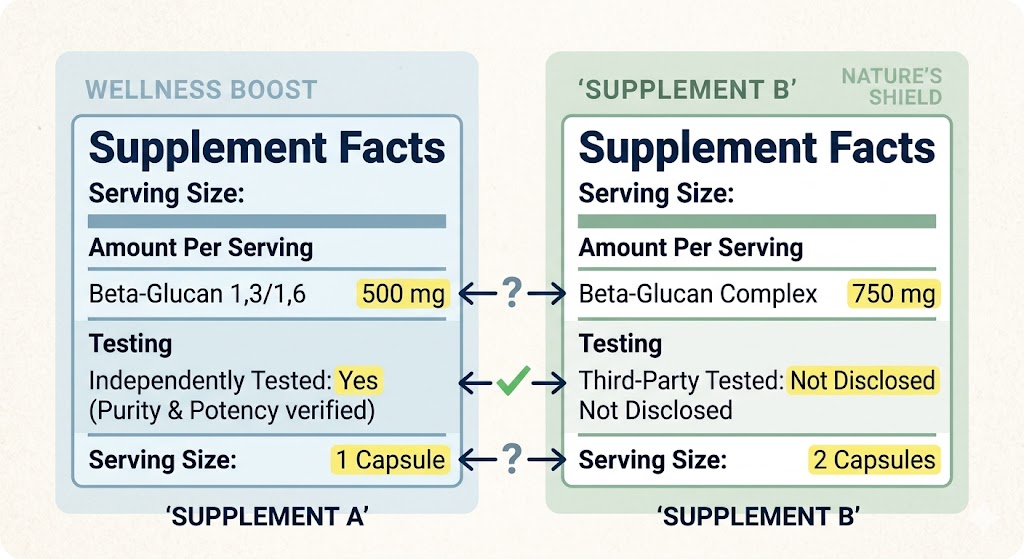
Choosing a reishi supplement involves checking for fruiting body extracts, third-party testing, and clearly labeled active compounds.
First, prefer fruiting body products over vague blends heavy in filler grains or mycelium biomass.
Second, look for beta-glucan content on the label. This is often more useful than flashy marketing claims.
Third, choose brands that share:
- Testing for purity
- Heavy metal screening
- Transparent sourcing
- Clear serving sizes
- Standardized extracts
Quick Buyer Checklist
| What to Check | Why It Matters |
|---|---|
| Fruiting body listed | Higher-quality raw material |
| Beta-glucans disclosed | Shows active compounds |
| Third-party tested | Improves trust |
| Organic sourcing | May reduce contaminants |
| Clear dosage | Easier to use correctly |
Quotable fact: Labels reveal quality faster than marketing slogans.
Is Reishi Mushroom Safe to Take Every Day?
Reishi mushroom is often used daily in moderate amounts, but long-term use should still be personalized.
First, many people take reishi as part of a daily wellness routine. Moderate, label-based dosing is the safest starting point.
Second, periodic check-ins matter. If you notice headaches, digestive issues, or unusual fatigue, pause and reassess.
Third, daily use makes sense only if it adds value. If you feel no benefit after a structured trial, it may not be the right fit.
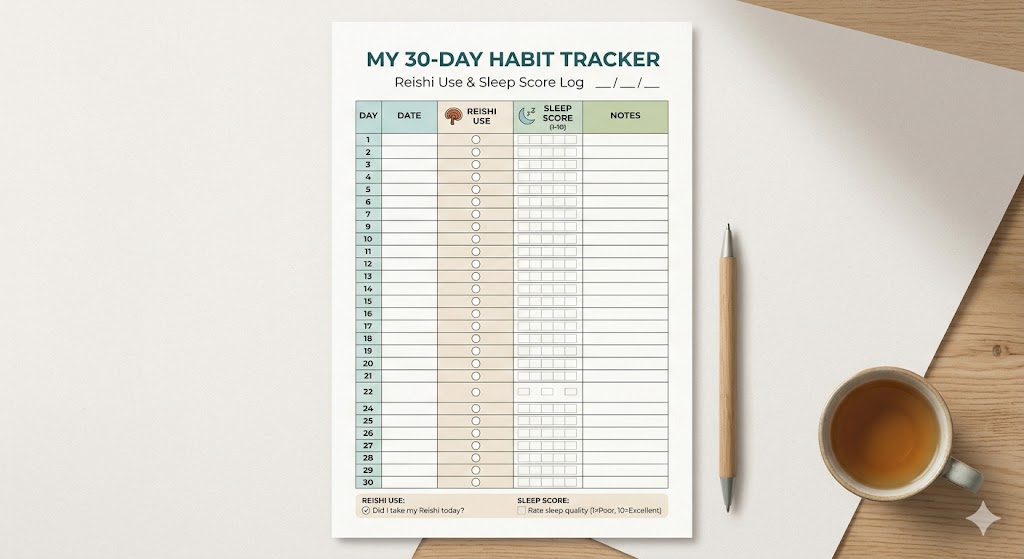
Practical Applications: A 30-Day Reishi Trial Plan
A short reishi trial helps you evaluate whether the supplement matches your real goals.
Week 1: Start Low
Take the minimum suggested dose and track sleep, stress, and digestion.
Week 2: Build Consistency
Use it at the same time daily. Pair it with hydration and bedtime structure.
Week 3: Review Changes
Ask: Are you sleeping better? Feeling calmer? Recovering well?
Week 4: Decide
Continue, adjust, or stop based on measurable results.
Track:
- Sleep quality
- Energy stability
- Mood
- Recovery
- Side effects
daily wellness routine checklist
What’s Next if You Want Better Wellness Results?
The next step after trying reishi is building systems that improve health every day.
First, upgrade sleep hygiene before buying more supplements. Second, improve protein, fiber, and whole-food intake. Third, move your body consistently. Fourth, manage stress proactively.
For example, reishi may support your progress, but it works best beside strong habits such as regular walking, strength training, and stable sleep timing.
Conclusion
Reishi mushroom benefits are most realistic when viewed as supportive, not magical. It may help with stress resilience, sleep quality, immune balance, and long-term wellness when used consistently and paired with healthy habits.
That being said, the smartest approach is simple: choose a quality product, start with a modest dose, track results for 30 days, and keep what genuinely helps. Sustainable wellness is built one repeatable habit at a time.
Written by: Suraj 5+ Blogger — Health content writer focused on evidence-based wellness, supplements, and SEO education.
Reviewed by: Editorial Review Team — Wellness researchers and fact-checkers specializing in nutrition and supplement safety.
Disclaimer: This article was initially drafted using AI assistance. However, the content has undergone thorough revisions, editing, and fact-checking by human editors and subject matter experts to ensure accuracy.