
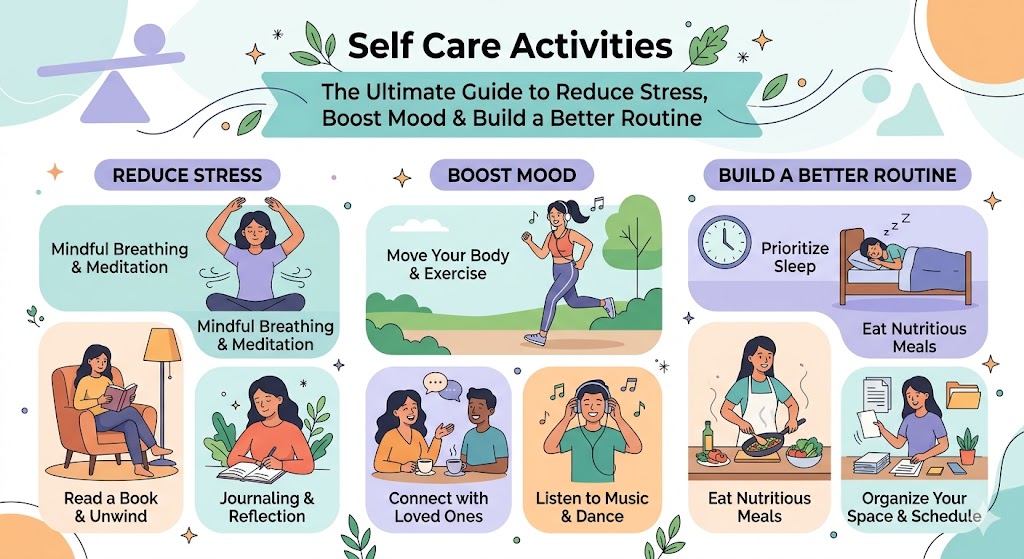
You probably already know self-care is important, but knowing that and actually practicing it are two different things. Many people think self-care requires lots of time or money, when small daily habits often create the biggest results. In this guide, you’ll discover practical self care activities, categorized ideas, and an easy plan to build a routine that truly works.
Key Takeaways
- Self care activities are intentional habits that support mental, emotional, physical, and social well-being.
- Daily self-care can include walking, journaling, hydration, stretching, and quality sleep.
- Different types of self-care solve different needs, from stress relief to confidence and emotional balance.
- Quick self-care activities can be done in five minutes and still improve mood and focus.
- Free self-care options at home can be just as effective as expensive wellness products when practiced consistently.
- Sustainable routines work best when they are small, scheduled, and realistic.
- Consistency matters more than intensity when building long-term wellness habits.
What Are Self Care Activities and Why Are They Important?
Self care activities are intentional actions that support physical, mental, emotional, or social well-being. They are simple choices you make to help yourself feel healthier, calmer, stronger, and more balanced.
First, self-care is not selfish. Taking care of your needs helps you show up better for work, relationships, and responsibilities. For example, sleeping well can improve patience and focus the next day.
Second, self-care is not only about luxury routines. Spa days can be enjoyable, but real self-care often looks like drinking water, setting boundaries, taking a walk, or saying no when needed.
Moreover, regular self-care is linked to better health outcomes. Adults should get at least 150 minutes of moderate physical activity weekly for better physical and mental health — Source: World Health Organization, 2024. That goal can start with short daily habits.
Why Do Self Care Activities Matter?
Self care activities matter because they reduce stress, improve mood, increase resilience, and support long-term health. Small habits done consistently can create noticeable changes in energy and emotional balance.
First, stress management matters because chronic stress affects sleep, focus, and mood. The World Health Organization recognizes stress and burnout as growing workplace concerns — Source: WHO, 2024. For example, five minutes of breathing exercises can calm your nervous system before a meeting.
Second, self-care supports emotional resilience. Journaling, mindfulness, and movement can help you process difficult emotions in healthy ways. This can reduce emotional overload over time.
In addition, physical self-care improves energy. Regular movement and sleep routines help your body recover and perform better. For example, a 20-minute walk can improve alertness and lower mental fatigue.
Plus, self-care improves relationships. When you feel regulated and rested, communication becomes easier and healthier.
how to reduce stress naturally
What Are the Best Self Care Activities for Beginners?
The best self care activities for beginners are simple habits that are easy to repeat daily. Start with low-effort actions that fit your real schedule.
1. Drink More Water
First, hydration supports energy, focus, and physical performance. Even mild dehydration can affect mood and concentration. Keep a bottle near your desk as a reminder.
2. Stretch for Five Minutes
Second, stretching reduces stiffness and improves circulation. For example, morning stretches can help if you sit for long hours.
3. Take a Daily Walk
Moreover, walking is one of the easiest wellness activities. A 10–20 minute walk outdoors can improve mood and reduce stress.
4. Start Journaling
Plus, journaling creates clarity. Write three thoughts, one worry, or one goal each day.
5. Build a Sleep Routine
That being said, consistent sleep and wake times matter more than occasional catch-up sleep. Adults generally need 7 or more hours of sleep per night — Source: CDC, 2024.
6. Take Screen Breaks
Finally, short breaks reduce eye strain and mental fatigue. Stand up every 60 minutes and look away from screens.
What Are Physical, Emotional, and Mental Self Care Activities?
Physical, emotional, and mental self care activities target different areas of well-being. Choosing the right type helps you solve the right problem.
| Self-Care Type | What It Supports | Easy Examples |
|---|---|---|
| Physical | Energy, health, recovery | Walking, stretching, sleep, healthy meals |
| Mental | Focus, learning, clarity | Reading, puzzles, journaling, limiting distractions |
| Emotional | Mood, resilience, regulation | Therapy, gratitude, talking to a friend |
| Social | Connection, belonging | Call a friend, join a group, family dinner |
| Spiritual | Meaning, peace | Meditation, prayer, reflection, nature time |
| Financial | Security, reduced stress | Budgeting, saving, expense tracking |
Physical Self Care Ideas
Physical self care activities improve how your body feels and functions. Try movement, hydration, balanced meals, and recovery habits.
For example, doing bodyweight exercises at home three times a week can build strength without a gym.
Mental Self Care Ideas
Mental self care activities protect focus and reduce overwhelm. Try reading, brain breaks, or learning a new skill.
For example, reading 10 pages before bed can replace doomscrolling and calm your mind.
Emotional Self Care Ideas
Emotional self care activities help you understand and manage feelings. Try journaling, therapy, gratitude, or honest conversations.
For example, writing down one stressor and one solution can reduce mental clutter.
How Can Self Care Activities Improve Mental Health?
Self care activities improve mental health by lowering stress, increasing emotional awareness, and supporting healthy routines. They do not replace medical care, but they can be powerful daily supports.
First, movement helps regulate mood. Exercise is associated with lower symptoms of anxiety and depression in many people — Source: Harvard Health Publishing, 2024.
Second, mindfulness helps reduce racing thoughts. For example, focusing on your breath for two minutes can interrupt stress spirals.
Third, connection matters. Talking with trusted people can reduce loneliness and help you feel supported.
Moreover, routines create stability. When life feels chaotic, consistent habits like waking at the same time or eating regular meals can restore structure.
Different types of self-care target different needs, such as exercise for energy, journaling for clarity, and connection for emotional support.
What Are Quick Self Care Activities for Busy Schedules?
Quick self care activities are short habits that improve mood or focus in five minutes or less. They work well for busy people because they remove the “I don’t have time” barrier.
7 Fast Ideas You Can Do Anywhere
- Deep breathing: Inhale for 4 seconds, exhale for 6.
- Tea break: Pause and drink slowly without multitasking.
- Sunlight exposure: Step outside for natural light.
- Desk stretch: Roll shoulders and stretch your neck.
- Mindful pause: Notice five things you can see.
- Quick tidy-up: Clear one surface.
- Positive affirmation: Repeat one helpful statement.
Quick self-care activities include breathing exercises, stretching, hydration, and short breaks that reduce stress in minutes.
mindfulness exercises for beginners
What Are Free Self Care Activities You Can Do at Home?
Free self care activities at home are low-cost habits that improve well-being without expensive products or memberships. Many of the most effective wellness habits cost little or nothing.
Best Free Ideas at Home
First, try a home workout using bodyweight moves like squats and push-ups.
Second, meditate using a free timer.
Third, declutter one drawer or shelf.
Fourth, listen to calming music.
Fifth, take a warm bath or shower.
Sixth, journal for ten minutes.
Seventh, spend time in nature or on a balcony.
Eighth, do a digital detox for one hour.
For example, turning off notifications for an evening can instantly reduce mental noise.
Effective self-care does not need to be expensive; consistent low-cost habits often provide meaningful benefits.
Which Self Care Activities Help Reduce Stress Fast?
The best self care activities for fast stress relief calm your body and simplify your environment. Choose actions that reduce stimulation quickly.
Best Stress Relief Activities
- Box breathing for two minutes
- Short walk outside
- Stretch your jaw, shoulders, and neck
- Drink cold water slowly
- Write down what’s stressing you
- Clean one small area
- Listen to calming music
- Text someone supportive
First, physical actions work fast because stress lives in the body. For example, unclenching your shoulders can reduce tension immediately.
Second, mental unloading helps too. Writing a worry list often makes problems feel more manageable.
What Self Care Activities Work Best for Burnout Recovery?
Burnout recovery self care activities focus on rest, boundaries, and gradual energy rebuilding. Burnout usually needs slower, gentler support rather than aggressive productivity hacks.
First, reduce unnecessary commitments. Say no to low-priority tasks this week.
Second, prioritize sleep recovery. Go to bed earlier and reduce late-night screen use.
Third, reconnect with enjoyable hobbies. Fun restores energy differently than obligation.
Fourth, ask for support. Talk with a manager, therapist, or trusted friend if burnout feels severe.
For example, taking one full evening offline each week can help nervous system recovery.
Tools, Examples, and Practical Applications
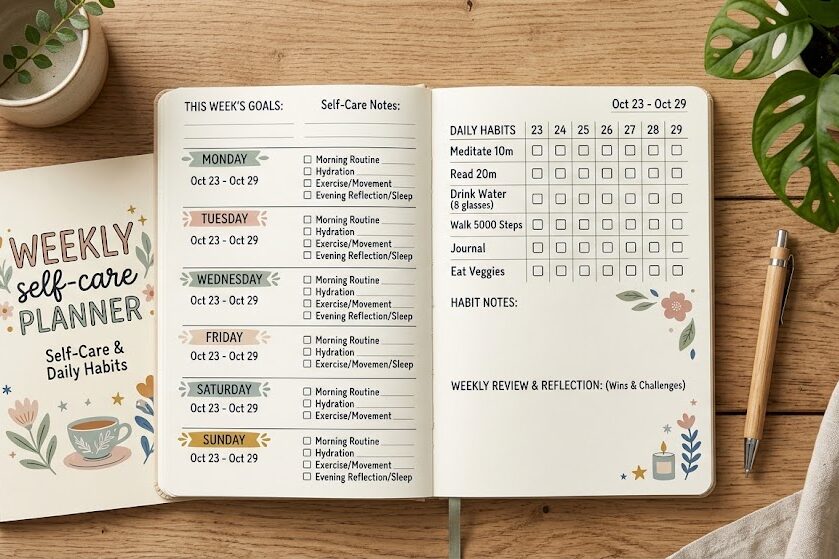
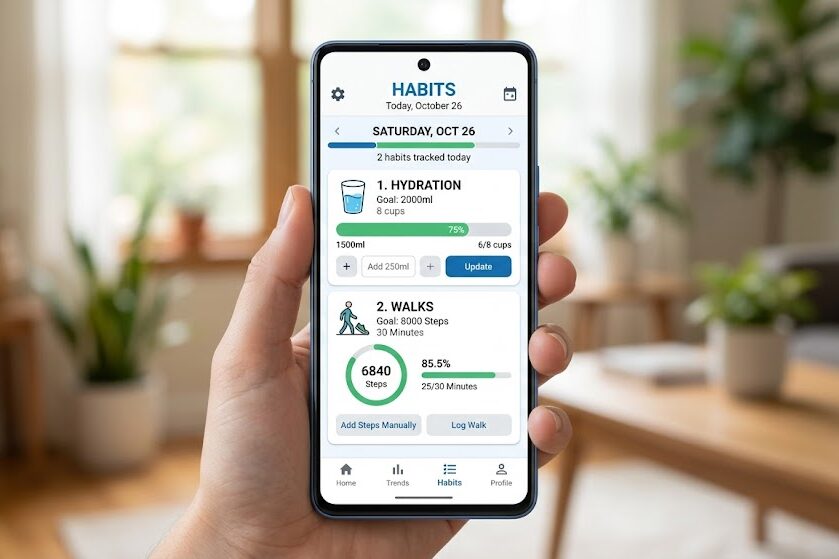
Self care tools make habits easier to remember, track, and repeat. You do not need every tool—just the ones that remove friction.
Helpful Tools
- Habit tracker app for streaks
- Journal for reflection
- Meditation app for guided sessions
- Calendar for scheduled self-care blocks
- Water bottle with measurements
- Timer for focus and breaks
- Printable checklist for routines
Sample Weekly Self Care Routine
| Day | 10-Minute Habit | 20-Minute Habit |
|---|---|---|
| Monday | Stretching | Walk |
| Tuesday | Journaling | Meal prep |
| Wednesday | Deep breathing | Reading |
| Thursday | Gratitude list | Workout |
| Friday | Declutter | Social call |
| Saturday | Nature time | Hobby |
| Sunday | Weekly planning | Early bedtime |
How Do You Create a Daily Self Care Routine That Lasts?
A sustainable self care routine involves choosing small activities, scheduling them regularly, and adjusting them over time. The goal is consistency, not perfection.
Step 1: Choose 1–3 Activities
First, start small. Pick one physical habit, one mental habit, and one emotional habit.
Step 2: Attach Them to Existing Routines
Second, pair habits with what you already do. For example, stretch after brushing your teeth.
Step 3: Schedule It
Moreover, what gets scheduled gets done. Put a 10-minute walk or bedtime alarm in your calendar.
Step 4: Track Progress
Plus, visible progress builds motivation. Use a checklist or simple calendar mark.
Step 5: Adjust Without Guilt
Finally, change your routine based on energy, season, or workload. Flexible routines last longer than rigid ones.
how to build habits that stick
How Often Should You Practice Self Care Activities?
Self care activities work best when practiced regularly in small ways rather than rarely in big ways. Daily micro-habits often outperform occasional intense resets.
First, aim for something every day, even if it takes two minutes.
Second, schedule bigger habits weekly, such as meal prep or long walks.
Third, review monthly and adjust what is no longer helping.
For example, five minutes of journaling daily can be more effective than journaling once a month for an hour.
Conclusion
Self care activities are small, intentional habits that create lasting well-being over time. You do not need a perfect routine, a large budget, or extra hours in the day to feel better.
Start with one simple action today: drink water, take a walk, stretch, or write one page in a journal. Build momentum slowly, stay consistent, and let small wins transform your health.
Written by Suraj 5+ Blogger — SEO content writer and wellness-focused blog creator specializing in practical, reader-first guides.
Reviewed by Editorial Wellness Review Team — Experienced researchers and editors focused on health, habits, and evidence-based lifestyle content.
Disclaimer: This article was initially drafted using AI assistance. However, the content has undergone thorough revisions, editing, and fact-checking by human editors and subject matter experts to ensure accuracy.