

Many people know magnesium is “good for you,” but few understand exactly what it does or why it matters so much for daily health. From sleep problems and muscle cramps to stress and low energy, magnesium may influence more symptoms than most people realize. In this guide, you’ll learn what magnesium is good for, the signs of deficiency, the best food sources, and how to choose the right type of magnesium for your needs.
Key Takeaways
- Magnesium is an essential mineral that supports muscle function, nerve signaling, energy production, and heart health.
- Magnesium deficiency can contribute to fatigue, muscle cramps, poor sleep, headaches, and increased stress.
- Magnesium-rich foods include leafy greens, nuts, seeds, beans, whole grains, and dark chocolate.
- Different magnesium supplements serve different purposes, including sleep support, digestion, and muscle recovery.
- Magnesium glycinate is commonly used for relaxation and sleep, while magnesium citrate is often used for digestion support.
- Daily magnesium intake varies by age and gender, and excessive supplementation may cause side effects.
- Consistent dietary habits and proper supplement use can help maintain healthy magnesium levels long term.
What Is Magnesium and Why Does the Body Need It?
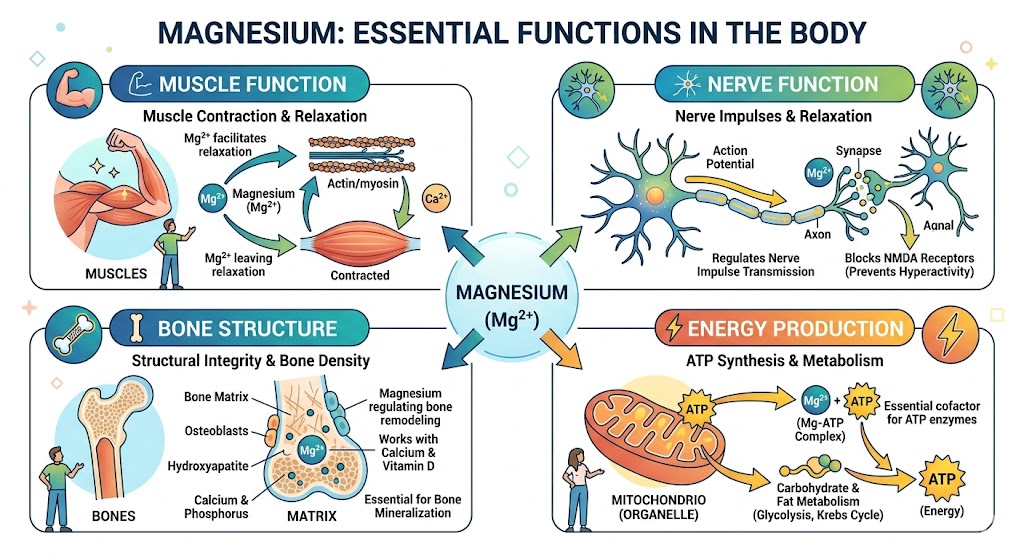
Magnesium is an essential mineral that supports hundreds of biochemical reactions in the human body. Your body uses magnesium for muscle contractions, nerve communication, blood sugar regulation, protein synthesis, and energy production.
First, magnesium acts as a cofactor in more than 300 enzyme systems — Source: National Institutes of Health, 2024. These systems help your body produce energy, regulate heartbeat rhythms, and maintain normal muscle and nerve function.
Moreover, adults need magnesium daily because the body cannot produce this essential mineral on its own. For example, if your diet lacks magnesium-rich foods for long periods, you may develop symptoms like muscle cramps, fatigue, headaches, or poor sleep.
At the same time, magnesium works closely with other nutrients such as calcium, potassium, and vitamin D. This interaction helps maintain healthy bones, muscles, and cardiovascular function.
What Does Magnesium Do in the Body?
Magnesium helps regulate muscle movement, nerve signaling, heart rhythm, and cellular energy production. Without enough magnesium, many systems in the body struggle to function efficiently.
For example, magnesium helps muscles relax after contraction. This is one reason low magnesium levels may contribute to muscle twitching or nighttime leg cramps.
In addition, magnesium supports ATP production, which is the body’s primary energy molecule. This process can influence your daily energy levels and exercise performance.
Why Is Magnesium Important for Overall Health?
Magnesium is important because it supports physical performance, sleep quality, heart health, stress regulation, and metabolic balance. Even mild magnesium deficiency may affect daily wellness.
First, modern diets often contain fewer magnesium-rich foods than previous generations. Processed foods usually lack essential minerals compared to whole foods like nuts, beans, and leafy greens.
Moreover, research suggests that nearly 50% of people in the United States may not consume enough magnesium daily — Source: NIH Office of Dietary Supplements, 2024.
At the same time, chronic stress, poor sleep, alcohol intake, and intense exercise may increase magnesium depletion. For example, athletes and highly active individuals often lose more magnesium through sweat.
Why Magnesium Deficiency Is Becoming More Common
Magnesium deficiency is increasingly common because modern lifestyles can reduce intake and increase mineral loss. Highly processed diets often contain fewer minerals than whole-food diets.
In addition, digestive disorders like Crohn’s disease or celiac disease may reduce magnesium absorption. Certain medications, including some diuretics and proton pump inhibitors, may also lower magnesium levels over time.
What Is Magnesium Good For in Daily Life?
Magnesium is good for sleep, muscle recovery, stress management, heart health, energy production, migraine prevention, and blood sugar regulation. These benefits make magnesium one of the most widely discussed wellness minerals.
Can Magnesium Help Improve Sleep Quality?
Magnesium may help improve sleep quality by supporting relaxation and calming the nervous system. Magnesium helps regulate neurotransmitters involved in sleep and stress responses.
For example, magnesium influences GABA activity, a neurotransmitter associated with calmness and relaxation. This effect may help some people fall asleep more easily.
Moreover, magnesium deficiency can contribute to restless sleep and nighttime muscle tension. Research has linked low magnesium levels to sleep disturbances in some adults — Source: Sleep Foundation, 2024.
Magnesium glycinate is commonly used for sleep and relaxation because it is well absorbed and gentle on the stomach.
best foods for better sleep naturally

How Does Magnesium Support Muscle Recovery and Cramps?
Magnesium supports muscle recovery by helping muscles contract and relax properly. Low magnesium levels may increase the risk of cramps, tightness, and muscle fatigue.
For example, athletes often use magnesium to support recovery after intense training sessions. This support can help reduce muscle discomfort and improve relaxation after exercise.
In addition, magnesium works alongside electrolytes like potassium and sodium. Proper electrolyte balance helps maintain hydration and muscle performance.
daily hydration and electrolyte balance
Can Magnesium Help With Stress and Anxiety?
Magnesium may help manage stress and anxiety by supporting nervous system regulation. While magnesium is not a cure for anxiety disorders, healthy magnesium levels may support emotional balance.
For example, chronic stress can increase magnesium depletion. This depletion may create a cycle where low magnesium contributes to greater stress sensitivity.
Moreover, magnesium may help regulate cortisol responses in the body. Some studies suggest magnesium supplementation may support mild anxiety management — Source: Nutrients Journal, 2023.
how stress affects your body
How Does Magnesium Support Heart Health?
Magnesium supports heart health by helping regulate blood pressure, heartbeat rhythm, and blood vessel function. Healthy magnesium levels are associated with better cardiovascular function.
For example, magnesium helps blood vessels relax, which may support healthy circulation. Research has linked adequate magnesium intake with reduced hypertension risk — Source: American Heart Association, 2024.
Magnesium is an essential mineral that supports muscle function, nerve signaling, energy production, and heart health.
Can Magnesium Help With Energy Production?
Magnesium supports energy production because it helps convert food into usable cellular energy. Low magnesium levels may contribute to fatigue and weakness.
For example, ATP, the body’s energy molecule, requires magnesium for activation. Without sufficient magnesium, energy production becomes less efficient.
how to improve energy levels naturally
Can Magnesium Help Prevent Migraines?
Magnesium may help reduce migraine frequency in some individuals. Some researchers believe magnesium deficiency may influence neurological changes linked to migraines.
For example, magnesium supplementation is sometimes recommended as part of migraine prevention strategies. The American Migraine Foundation notes that magnesium may benefit people with migraine disorders — Source: American Migraine Foundation, 2024.
What Are the Signs of Magnesium Deficiency?
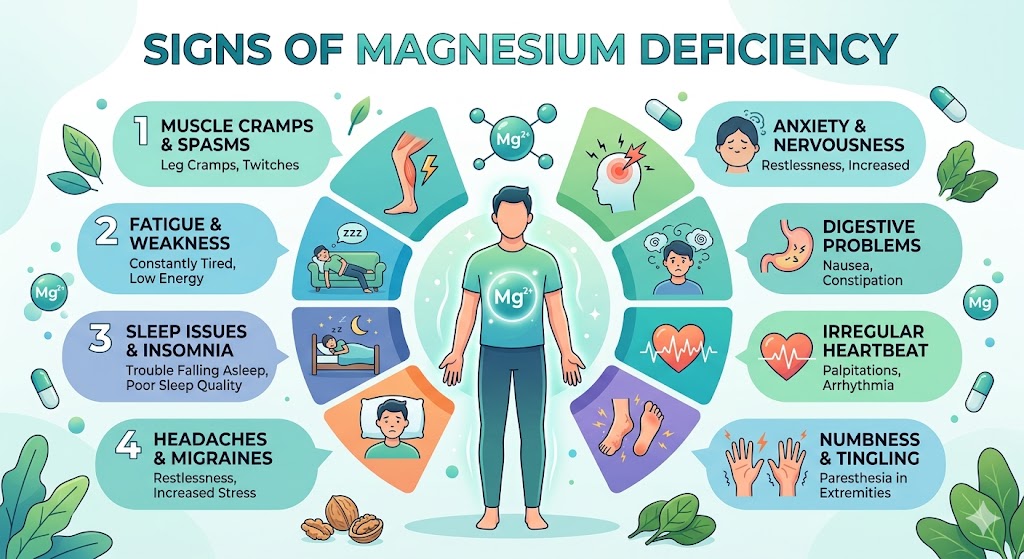
Magnesium deficiency can cause symptoms such as fatigue, muscle cramps, headaches, poor sleep, and irritability. Symptoms may develop gradually over time.
Common Symptoms of Low Magnesium
Low magnesium symptoms often affect muscles, energy, mood, and sleep. Mild deficiency may go unnoticed at first.
Common symptoms include:
- Fatigue or weakness
- Muscle cramps or twitching
- Poor sleep quality
- Anxiety or irritability
- Frequent headaches
- Reduced exercise recovery
- Irregular heartbeat in severe cases
For example, someone with chronic low magnesium intake may experience persistent nighttime leg cramps and low energy levels.
Who Is Most at Risk for Low Magnesium Levels?
Certain groups face a higher risk of magnesium deficiency because of dietary habits, health conditions, or medication use.
Higher-risk groups include:
- Older adults
- People with digestive disorders
- Individuals with type 2 diabetes
- Heavy alcohol users
- Athletes and endurance trainers
- People under chronic stress
According to the NIH, type 2 diabetes may increase urinary magnesium loss — Source: NIH Office of Dietary Supplements, 2024.
Which Foods Are Naturally High in Magnesium?
Leafy greens, nuts, seeds, beans, and whole grains are among the best natural food sources of magnesium. Whole foods usually provide magnesium alongside fiber and other nutrients.
Best Magnesium-Rich Foods
| Food | Approximate Magnesium Content |
|---|---|
| Pumpkin seeds | 150 mg per ounce |
| Spinach | 157 mg per cooked cup |
| Almonds | 80 mg per ounce |
| Black beans | 120 mg per cup |
| Dark chocolate | 65 mg per ounce |
| Avocado | 58 mg per fruit |
| Brown rice | 84 mg per cup |
For example, adding pumpkin seeds and spinach to daily meals can significantly improve magnesium intake.
Leafy greens, nuts, seeds, beans, and whole grains are among the best natural food sources of magnesium.
foods high in potassium and magnesium

Is Magnesium Better From Food or Supplements?
Magnesium from food is generally preferred because whole foods provide additional nutrients and fiber. However, supplements may help people who struggle to meet daily intake needs.
For example, individuals with digestive disorders or restrictive diets may benefit from supplementation under medical guidance.
What Are the Different Types of Magnesium Supplements?
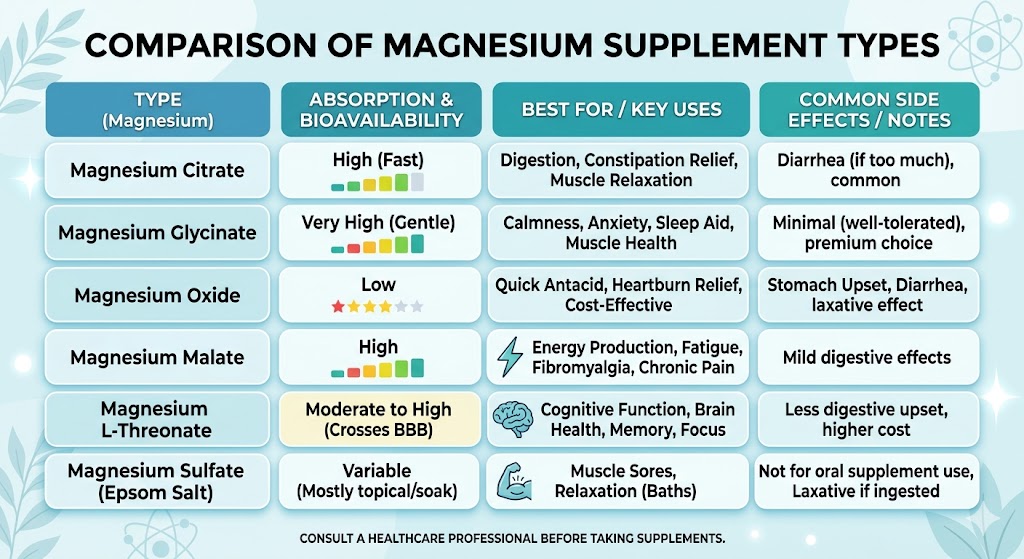
Different magnesium supplements serve different health goals based on absorption and intended effects. Choosing the right form depends on your needs.
Magnesium Glycinate Benefits
Magnesium glycinate is commonly used for sleep, stress support, and relaxation. This form combines magnesium with glycine, an amino acid associated with calming effects.
For example, many people prefer magnesium glycinate because it is less likely to cause digestive discomfort.
Magnesium Citrate Uses
Magnesium citrate is often used to support digestion and relieve occasional constipation. This form draws water into the intestines, which may help bowel movements.
Magnesium citrate is often used to support digestion and relieve occasional constipation.
Magnesium Oxide Uses
Magnesium oxide is commonly used for general supplementation and short-term digestive support. However, it may have lower absorption compared to some other forms.
Magnesium Malate Benefits
Magnesium malate is often associated with energy production and muscle support. Some active individuals prefer this form for exercise recovery.
Magnesium Threonate Benefits
Magnesium threonate is a form designed to support brain and cognitive health. Research on this supplement is still developing, but interest continues to grow.
| Magnesium Type | Common Use | Absorption |
|---|---|---|
| Glycinate | Sleep and anxiety | High |
| Citrate | Digestion support | Moderate to high |
| Oxide | General supplementation | Lower |
| Malate | Energy and muscles | Moderate |
| Threonate | Brain support | Specialized |
How Much Magnesium Should You Take Per Day?
Recommended magnesium intake varies by age, gender, and life stage. Most adults need between 310 and 420 mg daily.
According to the NIH Office of Dietary Supplements:
- Adult men: 400–420 mg daily
- Adult women: 310–320 mg daily
- Pregnant women: 350–360 mg daily
When Should You Take Magnesium for Best Results?
The best time to take magnesium depends on your health goals and supplement type.
For example:
- Magnesium glycinate is often taken at night for sleep support.
- Magnesium citrate may be taken earlier in the day for digestion.
- Magnesium malate is commonly taken in the morning for energy support.
Consistency matters more than exact timing for most people.
Can You Take Too Much Magnesium?
Excess magnesium supplementation may cause digestive upset, diarrhea, nausea, and abdominal cramping. Extremely high doses can become dangerous, especially for people with kidney disease.
The tolerable upper intake level for supplemental magnesium is generally 350 mg daily from supplements alone for adults — Source: NIH Office of Dietary Supplements, 2024.
Who Should Be Careful With Magnesium Supplements?
People with kidney disease or certain medication regimens should use magnesium supplements cautiously. Impaired kidney function may reduce magnesium excretion.
For example, magnesium may interact with antibiotics, bisphosphonates, and some blood pressure medications.
Therefore, you should consult a healthcare professional before starting supplementation if you take prescription medications.
Practical Tips to Increase Magnesium Naturally
You can increase magnesium naturally through better dietary habits, balanced supplementation, and lifestyle improvements. Small daily changes often produce the best long-term results.
Simple Ways to Boost Magnesium Intake
Practical magnesium habits focus on consistency rather than extreme supplementation.
You can improve magnesium intake by:
- Eating more leafy greens weekly
- Snacking on almonds or pumpkin seeds
- Choosing whole grains over refined grains
- Reducing excessive alcohol intake
- Managing chronic stress levels
- Improving sleep quality
For example, replacing processed snacks with nuts and seeds can meaningfully increase magnesium intake over time.
best supplements for workout recovery
What to Do Next if You Think You Need More Magnesium
The best next step is to evaluate symptoms, improve dietary intake, and seek professional guidance when needed. Self-diagnosing severe deficiency without medical advice is not recommended.
How to Choose High-Quality Magnesium Supplements
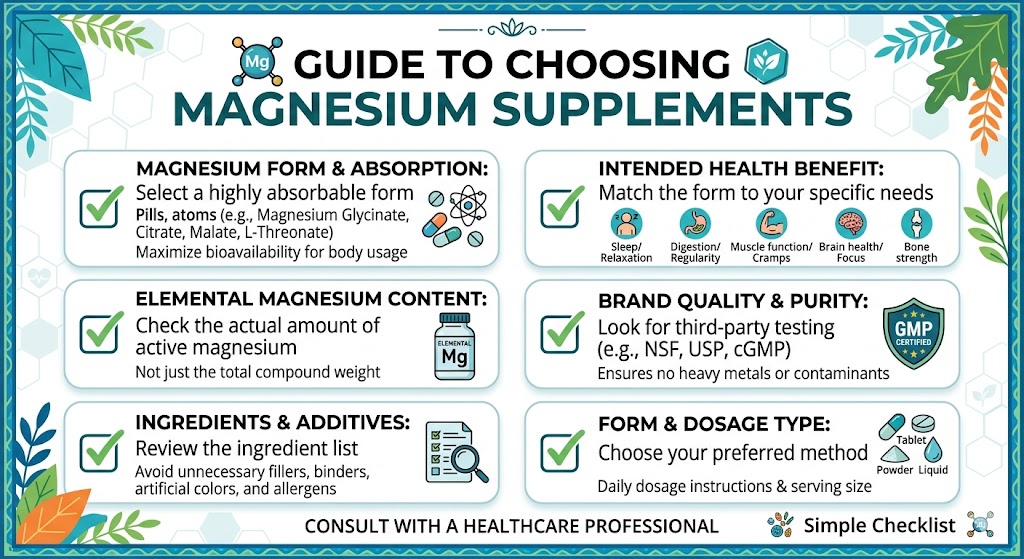
High-quality magnesium supplements usually provide clear labeling, third-party testing, and appropriate dosage information.
When shopping for supplements:
- Choose reputable brands
- Check ingredient transparency
- Avoid unnecessary fillers
- Match the magnesium type to your goal
- Review dosage recommendations carefully
Should You Talk to a Healthcare Professional?
A healthcare professional can help identify whether symptoms are linked to magnesium deficiency or another health condition. Blood tests and medical evaluation may sometimes be necessary.
For example, persistent fatigue or muscle cramps may involve multiple nutrient deficiencies or underlying medical issues.
Conclusion
Magnesium is an essential mineral that plays a major role in sleep, energy production, muscle recovery, stress regulation, and heart health. While many people understand that magnesium is “healthy,” fewer realize how strongly it influences everyday wellness.
Moreover, magnesium deficiency can contribute to symptoms such as fatigue, poor sleep, headaches, anxiety, and muscle cramps. By improving your diet, managing stress, and using supplements wisely when necessary, you can support healthy magnesium levels long term.
Ultimately, better magnesium intake is not about chasing wellness trends. It is about supporting the systems your body depends on every single day.
FAQ
What is Magnesium good for?
Magnesium supports muscle function, nerve health, energy production, sleep, heart health, and overall body function.
Can magnesium help improve sleep?
Yes, magnesium may help relax the body and support better sleep quality and calmness.
Does magnesium increase energy levels?
Yes, magnesium plays a key role in energy production and may help reduce fatigue.
Is magnesium good for muscle recovery?
Yes, it may help support muscle function, reduce cramps, and aid recovery after exercise.
Can magnesium reduce stress and anxiety?
Magnesium may help support relaxation and healthy nervous system function, which can reduce stress symptoms.
What foods are high in magnesium?
Leafy greens, nuts, seeds, whole grains, beans, and dark chocolate are good magnesium sources.
Can magnesium help with headaches or migraines?
Some research suggests magnesium may help reduce the frequency of certain headaches and migraines.
What happens if you don’t get enough magnesium?
Low magnesium levels may cause fatigue, muscle cramps, weakness, and sleep problems.
Is it safe to take magnesium supplements daily?
Magnesium supplements are generally safe when taken as directed, but excessive intake may cause side effects.
What is the best time to take magnesium?
Many people take magnesium in the evening because it may promote relaxation and better sleep.