
Summarize this blog post with: ChatGPT | Perplexity | Claude | Grok
You’ve probably heard that creatine is one of the best supplements for muscle growth and workout performance, but many women still hesitate to try it. What most people don’t realize is that creatine offers benefits far beyond bodybuilding — including recovery, energy, brain health, and lean muscle support. In this guide, you’ll learn exactly how creatine works for women, its proven benefits, safety facts, and how to choose the best supplement for your goals.
Key Takeaways
- Creatine supplements help women improve strength, workout performance, and recovery by increasing cellular energy production.
- Creatine monohydrate is the most researched and effective form of creatine supplementation for women.
- Daily consistency matters more than exact timing when taking creatine supplements.
- Muscle growth from creatine does not make women bulky because body composition changes depend on training style and calorie intake.
- Women’s fitness performance can improve through better endurance, recovery, and high-intensity exercise output.
- Hydration and dosage are essential because 3–5 grams daily supports effectiveness while reducing temporary bloating.
- Strength training combined with creatine produces the best lean muscle and body recomposition results for beginners.
What Are Creatine Supplements and How Do They Work for Women?
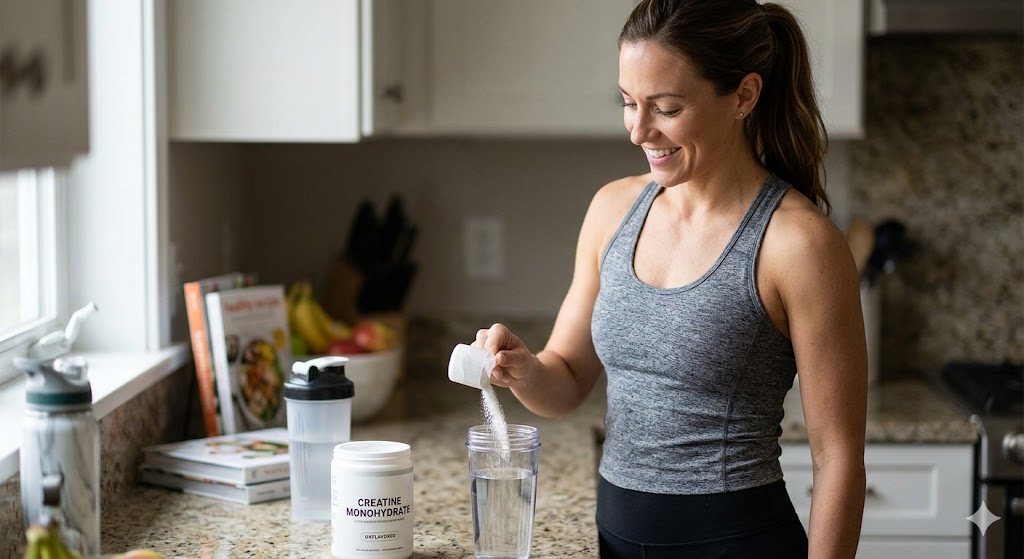
Creatine supplements for women are performance-support supplements that help the body produce quick energy during high-intensity exercise.
Creatine is a naturally occurring compound stored primarily in muscles and produced from amino acids in the liver, kidneys, and pancreas. Additionally, you can get small amounts of creatine from foods like red meat and fish. However, supplementation increases muscle creatine stores far beyond what food alone usually provides.
“Creatine is a naturally occurring compound that helps the body produce quick energy during high-intensity exercise.”
For example, women who perform resistance training, sprinting, CrossFit, or HIIT workouts often use creatine to improve power, endurance, and recovery between sets.
Moreover, women may benefit differently from creatine than men because females naturally tend to have lower creatine stores. This lower baseline means supplementation may produce noticeable improvements in exercise performance and recovery.
Statistic: Nearly 95% of the body’s creatine is stored in skeletal muscle — Source: International Society of Sports Nutrition, 2022.
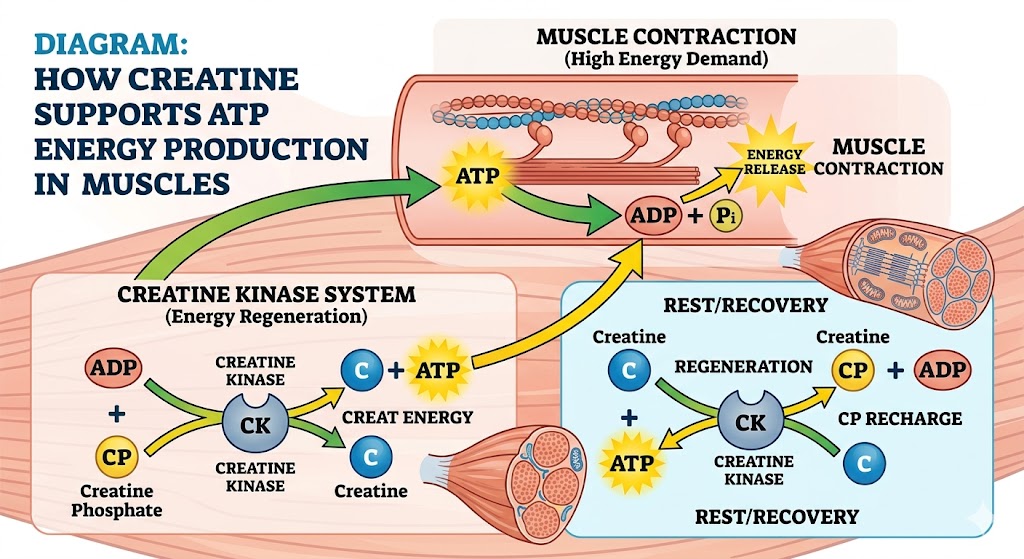
How Creatine Produces Energy
Creatine supports ATP regeneration, which helps muscles perform short bursts of intense activity more efficiently.
ATP, or adenosine triphosphate, is the body’s immediate energy source. During intense exercise, ATP stores deplete rapidly. Creatine helps regenerate ATP faster, allowing muscles to maintain power output longer.
For example, a woman performing squats or sprint intervals may notice improved strength and reduced fatigue after several weeks of consistent supplementation.
“Consistent creatine supplementation increases muscle phosphocreatine stores, which improves energy production during workouts.”
Why Are More Women Taking Creatine Supplements?
More women are taking creatine supplements because research shows benefits for strength, recovery, body composition, and cognitive health.
First, creatine is no longer viewed as a “bodybuilding-only” supplement. Women now use creatine for athletic performance, lean muscle development, healthy aging, and mental performance support.
Statistic: Research reviews show creatine supplementation consistently improves muscular strength and exercise performance — Source: Journal of the International Society of Sports Nutrition, 2023.
Benefits for Strength and Lean Muscle
Creatine helps women build lean muscle and strength without automatically causing bulky physiques.
Muscle growth depends mostly on training intensity, protein intake, and calorie surplus. Creatine simply improves workout capacity and recovery.
For example, women using creatine alongside resistance training often report firmer muscle tone, improved gym performance, and better endurance during workouts.
Recovery and Reduced Fatigue
Creatine supports faster recovery by improving cellular hydration and reducing exercise-related fatigue.
Moreover, better recovery can help women train more consistently throughout the week. This consistency often leads to greater long-term progress.
For example, runners and HIIT athletes may notice reduced soreness between training sessions.
Cognitive and Healthy Aging Benefits
Research suggests creatine may support cognitive function and healthy aging in women.
Women over 40 may especially benefit because muscle mass and energy production naturally decline with age.
Statistic: Studies suggest creatine may improve short-term memory and mental fatigue resistance — Source: Frontiers in Nutrition, 2023.
How Does Creatine Work in the Female Body?
Creatine works in the female body by increasing phosphocreatine stores that fuel muscular energy production and exercise performance.
Women generally store less creatine naturally than men. As a result, supplementation may create larger relative improvements in energy availability and recovery.
Muscle Hydration and Performance
Creatine increases intracellular water storage, which supports muscle performance and recovery.
This process is often misunderstood as unhealthy water retention. In reality, most creatine-related hydration occurs inside muscle cells rather than under the skin.
For example, some women notice slightly fuller muscles during the first two weeks of supplementation.
Why Women Respond Well to Creatine
Women may respond especially well to creatine during strength training and high-intensity exercise programs.
Additionally, vegetarians and women with low dietary protein intake often respond strongly because they consume less creatine from food sources.
Statistic: Vegetarian athletes frequently show larger increases in muscle creatine levels after supplementation — Source: Nutrients Journal, 2022.
What Are the Main Benefits of Creatine for Women?
The main benefits of creatine for women include improved strength, lean muscle support, exercise endurance, recovery, and cognitive performance.
Increased Strength and Endurance
Creatine improves high-intensity exercise performance by increasing rapid energy availability.
For example, women may complete extra reps during strength training sessions or sustain sprint performance longer during cardio intervals.
Improved Muscle Tone Without Bulking
Creatine helps improve muscle tone without causing masculine muscle growth.
“Creatine does not make women bulky because muscle growth depends primarily on resistance training and calorie intake.”
Additionally, women naturally produce much lower testosterone levels than men, making extreme muscle growth difficult without specialized training and nutrition.
Fat Loss and Body Recomposition Support
Creatine may support fat loss indirectly by helping women maintain muscle while improving workout intensity.
For example, stronger workouts can increase calorie expenditure and improve body composition over time.
benefits of strength training for women
Cognitive and Mood Benefits
Research shows creatine supplementation may support both physical performance and cognitive function in women.
Some emerging research also suggests creatine may support mental energy during stressful periods or sleep deprivation.
Is Creatine Safe for Women to Take Daily?
Creatine is considered safe for healthy women when taken at recommended dosages.
“Women can safely take 3-5 grams of creatine daily to support strength, recovery, and exercise performance.”
The International Society of Sports Nutrition considers creatine one of the most researched sports supplements available.
Statistic: More than 500 peer-reviewed studies support creatine’s safety and effectiveness — Source: ISSN Position Stand, 2022.
Does Creatine Cause Kidney Problems?
Creatine does not appear to damage healthy kidneys when taken responsibly.
However, women with existing kidney disease or medical conditions should consult a healthcare professional before supplementation.
Does Creatine Cause Bloating?
Creatine may cause temporary water retention during the first weeks of supplementation, but this effect is usually mild.
For example, some women gain 1–3 pounds initially because muscles hold more water intracellularly.
Who Should Avoid Creatine?
Women with kidney disorders, certain medications, or medical conditions should speak with a doctor before using creatine.
Pregnant or breastfeeding women should also consult healthcare professionals first because research remains limited.
How Much Creatine Should Women Take Per Day?
Most women should take 3–5 grams of creatine daily for long-term strength and performance benefits.
Loading Phase vs No Loading
A creatine loading phase involves taking higher doses for faster saturation, but it is optional.
Here is a simple comparison:
| Approach | Dosage | Timeline | Best For |
|---|---|---|---|
| Loading Phase | 20g daily for 5–7 days | Faster results | Athletes wanting quicker saturation |
| Standard Approach | 3–5g daily | Gradual saturation | Most beginners |
For example, beginners usually benefit from the standard approach because it minimizes bloating concerns.
What Is the Best Time for Women to Take Creatine?
The best time to take creatine is whenever you can remain consistent daily.
Some studies suggest post-workout timing may slightly improve uptake, but overall consistency matters more than timing.
Hydration and Mixing Tips
Proper hydration helps maximize creatine effectiveness and reduce temporary side effects.
Women should drink adequate water throughout the day, especially during intense exercise programs.
hydration tips for active women
Which Type of Creatine Is Best for Women Beginners?
Creatine monohydrate is the best type of creatine for most women beginners because it is affordable, effective, and extensively researched.
“Creatine monohydrate is the most researched and effective form of creatine supplementation for women.”
Creatine Monohydrate
Creatine monohydrate provides the strongest scientific evidence for strength and performance improvements.
Additionally, micronized monohydrate mixes more easily and may reduce stomach discomfort.
Creatine HCL
Creatine HCL is a more concentrated form that some women prefer for digestion and smaller serving sizes.
However, research on HCL remains far smaller than monohydrate studies.
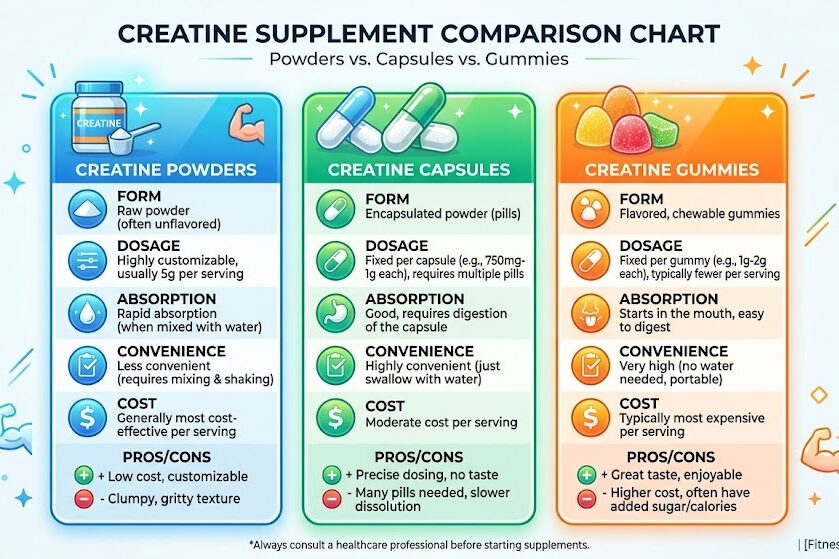
Gummies vs Powder vs Capsules
Creatine gummies, powders, and capsules all work, but powders are usually the most cost-effective option.
| Form | Pros | Cons |
|---|---|---|
| Powder | Cheapest, flexible dosing | Requires mixing |
| Capsules | Convenient travel option | More expensive |
| Gummies | Tasty and easy | Lower creatine per serving |
Are Creatine Gummies as Effective as Creatine Powder?
Creatine gummies can be effective if they provide sufficient creatine dosage per serving.
However, many gummies contain lower doses and added sugar compared to powders.
What Are the Best Creatine Supplements for Women in 2026?
The best creatine supplements for women combine purity, third-party testing, effective dosing, and easy digestion.
Top Recommended Creatine Supplements
| Product | Best For | Key Features |
|---|---|---|
| Optimum Nutrition Micronized Creatine | Beginners | Affordable, trusted brand |
| Thorne Creatine | Premium users | NSF Certified for Sport |
| Naked Creatine | Minimal ingredients | Vegan-friendly |
| Legion Recharge | Recovery support | Includes L-carnitine |
| Create Gummies by Bear Balanced | Gummies lovers | Easy daily use |
What to Look for Before Buying
Third-party testing and ingredient transparency are important quality indicators in creatine supplements.
Look for:
- Creapure certification
- NSF Certified for Sport
- No unnecessary fillers
- Transparent ingredient labels
Best Creatine for Specific Goals
- Best creatine for beginners: Micronized creatine monohydrate
- Best creatine for athletes: NSF-certified monohydrate
- Best creatine for vegans: Unflavored pure creatine
- Best creatine for fat loss goals: Creatine combined with resistance training
What Are the Possible Side Effects of Creatine in Women?
The most common creatine side effects in women are temporary bloating, mild stomach discomfort, and water retention.
Fortunately, these effects are usually mild and manageable with proper dosing and hydration.
Common Mistakes Women Make With Creatine
Inconsistent supplementation reduces creatine effectiveness because muscle saturation requires regular intake.
Common mistakes include:
- Skipping daily doses
- Taking too little creatine
- Expecting overnight results
- Avoiding water intake
- Falling for “creatine detox” myths
For example, women who stop supplementation every few days often struggle to maintain consistent muscle creatine stores.
Can Women Combine Creatine With Protein Powder?
Women can safely combine creatine with protein powder to support muscle recovery and lean muscle development.
Many women mix creatine directly into post-workout protein shakes for convenience.
For example, whey protein plus creatine can support recovery after strength training sessions.
Should Women Over 40 Take Creatine Supplements?
Women over 40 may benefit significantly from creatine supplementation because muscle mass and strength naturally decline with age.
Additionally, creatine may support healthy aging, cognitive function, and exercise performance during hormonal transitions.
Statistic: Adults lose approximately 3–8% of muscle mass per decade after age 30 — Source: Harvard Health Publishing, 2024.
For example, women combining creatine with resistance training may improve mobility, strength, and daily energy levels.
How Long Does It Take for Creatine to Work in Women?
Creatine typically starts working within 1–4 weeks depending on dosage consistency and supplementation approach.
Women using a loading phase may notice faster improvements in workout performance. However, gradual daily dosing still produces excellent long-term results.
For example, many beginners report improved gym endurance and recovery after about two weeks of daily supplementation.
Practical Tips for Using Creatine Successfully
A beginner creatine routine works best when paired with structured strength training and realistic expectations.
Simple Beginner Routine
- Take 3–5 grams daily
- Drink enough water consistently
- Pair creatine with resistance training
- Track progress every 30 days
- Stay consistent for at least 8 weeks
complete beginner gym workout plan
Helpful Tools and Tracking Apps
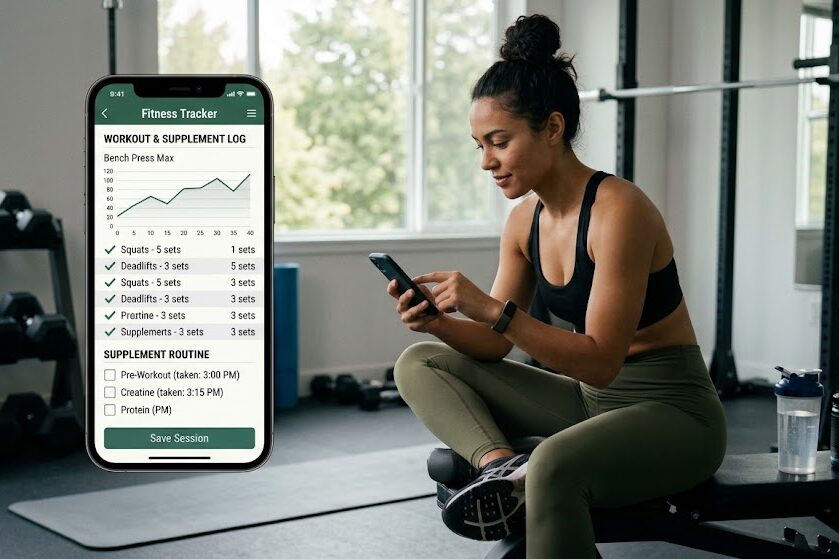
Fitness tracking tools help women measure workout performance and body composition changes more accurately.
Useful tools include:
- Strength tracking apps
- Body measurement trackers
- Workout journals
- Progress photo comparisons
What Should You Do Next?
The next step is choosing a simple creatine monohydrate supplement and committing to consistent training for at least 30–60 days.
First, beginners should focus on daily consistency instead of chasing advanced supplement stacks. Second, combine creatine with proper nutrition, hydration, and resistance training.
For example, women following structured strength training programs often see better body composition results than those relying on supplements alone.
Additionally, pairing creatine with a balanced diet and progressive overload creates sustainable improvements in strength and lean muscle tone.
home workouts for female beginners
Conclusion
Creatine supplements for women are among the safest and most researched performance supplements available today.
From improved strength and workout performance to recovery and cognitive support, creatine offers benefits far beyond bodybuilding. Moreover, women do not become bulky simply from taking creatine because muscle development depends primarily on training style, nutrition, and consistency.
The most important factor is staying consistent with a simple daily routine. By combining creatine supplementation with strength training, hydration, and realistic expectations, you can support long-term health, confidence, and physical performance.
Strength is not just about appearance — it’s about energy, resilience, and feeling capable in your everyday life.
FAQ
What is Creatine?
Creatine is a naturally occurring compound that helps produce energy for muscles during high-intensity exercise and strength training.
Are creatine supplements safe for women?
Yes, creatine is generally considered safe for healthy women when used in recommended amounts.
What are the benefits of creatine for women?
Creatine may help improve strength, exercise performance, muscle recovery, and lean muscle development.
Can creatine help women build lean muscle?
Yes, creatine can support lean muscle growth when combined with resistance training and proper nutrition.
Does creatine cause weight gain in women?
Some women may notice slight water retention initially, but creatine itself does not directly cause fat gain.
Is creatine good for recovery after workouts?
Yes, it may help reduce muscle fatigue and improve recovery between workouts.
What is the best type of creatine for women?
Creatine monohydrate is the most studied and commonly recommended form.
How should women take creatine?
Many women take 3–5 grams daily, usually mixed with water or a post-workout drink.
Do women need a creatine loading phase?
A loading phase is optional, as consistent daily use can also increase creatine levels over time.
Can creatine improve energy and performance?
Yes, creatine may enhance workout performance, power output, and overall exercise endurance.
Author Section
Written by: Suraj 5+ Blogger — Fitness and wellness content writer specializing in evidence-based supplementation, women’s fitness, and beginner-friendly health education.
Reviewed by: Editorial Review Team — Sports nutrition and exercise science researchers focused on women’s health and performance supplementation.
Disclaimer: This article was initially drafted using AI assistance. However, the content has undergone thorough revisions, editing, and fact-checking by human editors and subject matter experts to ensure accuracy.