
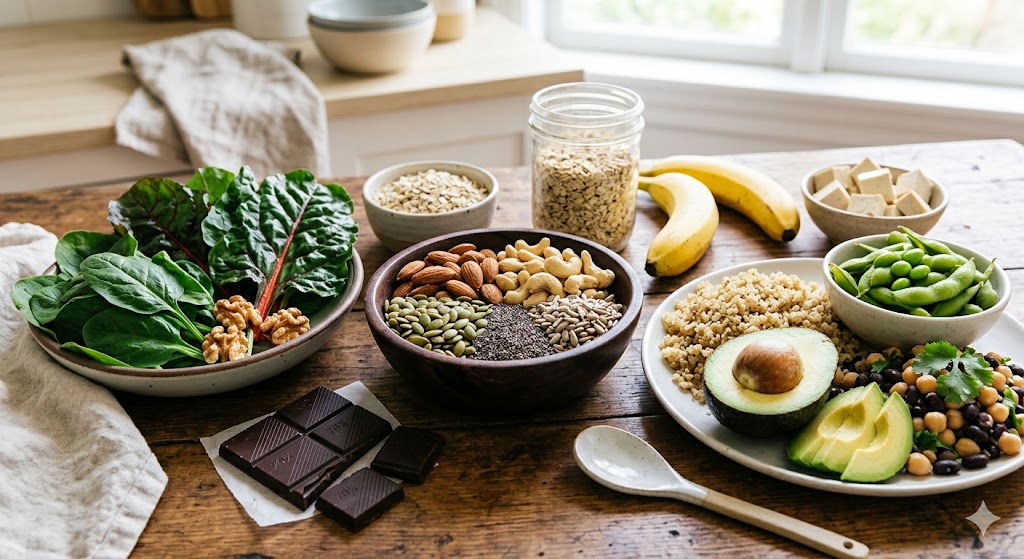
You probably know magnesium is important, but most people don’t realize how many everyday foods can help them meet their needs naturally. Missing enough magnesium may affect energy, sleep, and muscle function more than you think. In this guide, you’ll discover the best foods high in magnesium, how much you need, and simple ways to add them to your meals.
Key Takeaways
- Magnesium is an essential mineral that supports muscle function, nerves, heart health, sleep, and energy production.
- Seeds, nuts, legumes, leafy greens, whole grains, and dark chocolate are some of the richest natural food sources of magnesium.
- A balanced diet can often improve magnesium intake without needing supplements.
- Magnesium needs vary by age, sex, pregnancy status, and activity level.
- Common low-magnesium symptoms include cramps, fatigue, headaches, poor sleep, and weakness.
- Simple food habits like adding seeds to breakfast or beans to lunch can significantly raise daily magnesium intake.
- Consistency matters more than relying on one “superfood.” Combine several magnesium-rich foods across the day.
What Is Magnesium and Why Does Your Body Need It?
Magnesium is an essential mineral that helps regulate muscle function, nerve signaling, blood pressure, and energy production. Your body uses it in more than 300 biochemical reactions, making it one of the most important nutrients for daily health.
First, magnesium helps your muscles contract and relax properly. For example, low magnesium levels may contribute to muscle cramps or twitching after exercise.
Second, magnesium supports nerve communication. This helps your brain and body send messages efficiently, which can affect mood, focus, and stress response.
Moreover, magnesium works with calcium and vitamin D to maintain strong bones. Around 50–60% of the body’s magnesium is stored in bones — Source: National Institutes of Health, 2024.
In addition, magnesium helps turn food into usable energy. This means your cells rely on it every day, especially when you’re physically active or under stress.
Why Are Foods High in Magnesium Important for Overall Health?
Foods high in magnesium matter because they support multiple systems at once, including your heart, metabolism, sleep quality, and recovery. Unlike supplements, whole foods also provide fiber, protein, antioxidants, and healthy fats.
First, magnesium supports normal blood pressure and heart rhythm. For example, diets rich in magnesium are linked with better cardiovascular health patterns — Source: American Heart Association, 2023.
Second, magnesium may help with sleep and relaxation. It supports the nervous system and may help regulate melatonin production, which influences sleep cycles.
Moreover, magnesium helps manage blood sugar. Research shows higher magnesium intake is associated with better insulin sensitivity — Source: Harvard T.H. Chan School of Public Health, 2024.
Plus, magnesium supports exercise recovery. It helps muscles relax after training and plays a role in energy production.
Whole-food magnesium sources also provide fiber, healthy fats, antioxidants, and other nutrients that supplements do not fully replicate.
foods for better heart health
sleep supporting foods guide
Which Foods Are Highest in Magnesium Per Serving?
Foods highest in magnesium per serving include seeds, nuts, legumes, leafy greens, whole grains, and some seafood. The best strategy is to mix several of these foods across the day.
Top Magnesium Foods List
| Food | Serving Size | Approx. Magnesium |
|---|---|---|
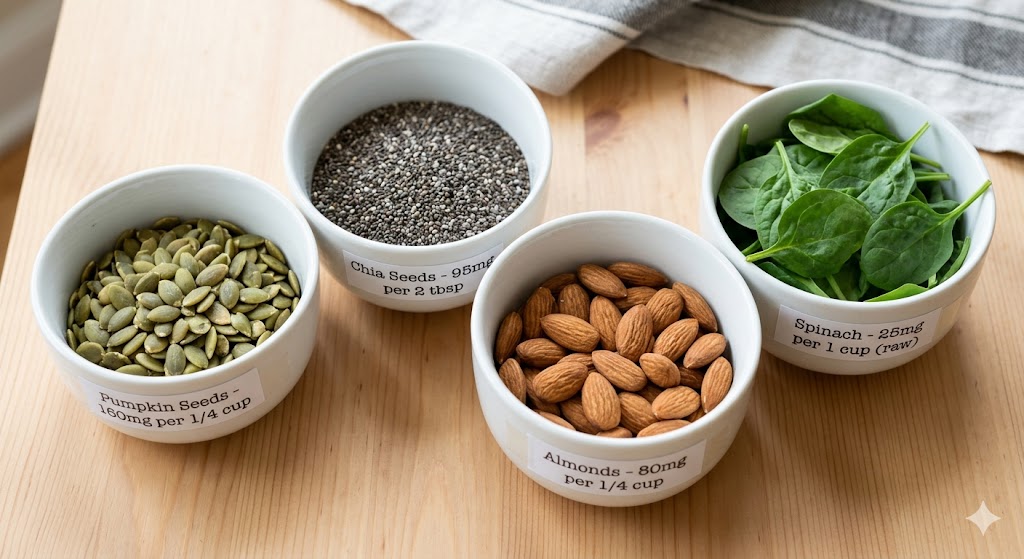
| Pumpkin seeds | 28 g | 150+ mg |
| Chia seeds | 2 tbsp | 95 mg |
| Almonds | 28 g | 80 mg |
| Cashews | 28 g | 74 mg |
| Spinach (cooked) | 1/2 cup | 78 mg |
| Black beans | 1 cup | 120 mg |
| Edamame | 1 cup | 99 mg |
| Avocado | 1 medium | 58 mg |
| Dark chocolate (70%+) | 28 g | 65 mg |
| Oats | 1 cup cooked | 60 mg |
| Banana | 1 medium | 32 mg |
| Tofu | 1/2 cup | 37 mg |
| Yogurt | 1 cup | 42 mg |
| Salmon | 100 g | 30 mg |
| Brown rice | 1 cup cooked | 84 mg |
Values vary by brand and preparation method.
Why Seeds Often Rank #1
Seeds are among the most concentrated magnesium foods. Pumpkin seeds, chia seeds, and flaxseeds deliver a lot of magnesium in small portions.
For example, sprinkling pumpkin seeds on yogurt or oats can add over 100 mg quickly.
pepitas health benefits
benefits of chia seeds
What Fruits and Vegetables Are High in Magnesium?
Fruits and vegetables high in magnesium include spinach, Swiss chard, avocado, bananas, potatoes, and okra. While they may contain less magnesium than seeds, they add hydration, fiber, and vitamins.
First, leafy greens are excellent choices because chlorophyll contains magnesium. For example, cooked spinach is one of the best vegetable sources.
Second, avocado offers magnesium plus heart-healthy fats. This combination can help satiety and nutrient absorption.
Moreover, bananas are useful because they provide both magnesium and potassium. That makes them popular for active people and those focused on recovery.
Plus, potatoes with skin provide magnesium and carbohydrates for energy. Roasted potatoes can fit easily into dinner meal prep.
Foods high in magnesium and potassium can support hydration, muscle function, and recovery.
Are Nuts and Seeds the Best Natural Source of Magnesium?
Nuts and seeds are often the best natural source of magnesium because they provide high amounts in small servings. They are also convenient, portable, and easy to add to meals.
Best Nuts for Magnesium
- Almonds
- Cashews
- Brazil nuts
- Peanuts
- Hazelnuts
Best Seeds for Magnesium
- Pumpkin seeds
- Chia seeds
- Flaxseeds
- Sesame seeds
- Sunflower seeds
First, nuts work well as snacks. For example, a small handful of almonds gives magnesium, protein, and healthy fats.
Second, seeds blend easily into meals. You can add chia to smoothies, flax to oatmeal, or sesame to salads.
basil seeds nutrition facts
healthy snack ideas for weight loss
How Much Magnesium Do Adults Need Each Day?
Adults need different amounts of magnesium depending on age, sex, and life stage. Needs may rise during pregnancy, intense exercise, or periods of high stress.
| Group | Recommended Daily Intake |
|---|---|
| Men 19–30 | 400 mg |
| Men 31+ | 420 mg |
| Women 19–30 | 310 mg |
| Women 31+ | 320 mg |
| Pregnancy | 350–360 mg |
| Breastfeeding | 310–320 mg |
— Source: National Institutes of Health, 2024
First, active people may benefit from higher food intake because sweat and recovery demands can increase needs.
Second, some medications may affect magnesium status. Examples include certain diuretics or acid-reducing drugs.
Magnesium needs vary by age, sex, pregnancy status, and activity level.
What Are the Signs of Low Magnesium Intake?
Signs of low magnesium intake can include fatigue, cramps, headaches, poor sleep, weakness, irritability, and low appetite. These symptoms are not unique to magnesium, but they can be clues.
First, muscle cramps or twitches are common complaints. For example, frequent nighttime leg cramps may signal low intake.
Second, fatigue and weakness may appear because magnesium helps produce cellular energy.
Moreover, headaches or migraines may be linked in some people. Some clinicians assess magnesium intake when migraines are frequent.
Plus, poor sleep and irritability can happen when stress and nervous system balance are affected.
Low magnesium intake may contribute to symptoms such as muscle cramps, fatigue, headaches, poor sleep, and weakness.
If symptoms are persistent or severe, speak with a healthcare professional.
Can Foods High in Magnesium Help Sleep and Stress?
Foods high in magnesium may help sleep and stress by supporting nervous system regulation and muscle relaxation. They are not magic cures, but they can support healthy routines.
First, magnesium helps regulate neurotransmitters involved in calmness. For example, pairing magnesium foods with an evening routine may improve relaxation.
Second, foods like oats, yogurt, banana, and pumpkin seeds make practical bedtime snacks.
Simple Evening Snack Ideas
- Greek yogurt + chia seeds
- Banana + almond butter
- Oats with pumpkin seeds
- Dark chocolate + nuts (small portion)
At the same time, sleep quality also depends on light exposure, caffeine timing, and stress management.
Is It Better to Get Magnesium from Food or Supplements?
Getting magnesium from food is usually the best first step because foods provide magnesium alongside other helpful nutrients. Supplements may be useful in specific cases, but they are not always necessary.
First, food sources are easier to build into daily habits. For example, adding beans, oats, and nuts to meals can raise intake steadily.
Second, foods offer multiple nutrients together. Spinach provides folate, beans provide fiber, and yogurt provides protein.
Moreover, supplements may be considered when deficiency is confirmed or intake remains low despite diet changes. Always check with a qualified professional if you have health conditions or take medications.
A balanced diet can often improve magnesium intake without needing supplements.
How Can You Add More Magnesium-Rich Foods to Your Diet?
Adding more magnesium-rich foods works best when you upgrade meals you already eat. Small daily changes are easier to maintain than extreme diet overhauls.
Breakfast Ideas
- Oatmeal + chia + banana
- Yogurt + pumpkin seeds + berries
- Smoothie with spinach + nut butter
Lunch Ideas
- Bean salad with avocado
- Brown rice bowl with tofu
- Whole-grain wrap with edamame
Dinner Ideas
- Salmon + quinoa + spinach
- Lentil curry + brown rice
- Stir-fry tofu + greens + sesame seeds
Smart Grocery Tips
- Buy mixed nuts in bulk
- Keep frozen spinach ready
- Choose whole grains over refined grains
- Stock canned beans for fast meals
how to meal prep healthy lunches
What Foods or Habits Can Lower Magnesium Levels?
Foods or habits that lower magnesium status include highly processed diets, excess alcohol, poor diet quality, some medications, and certain digestive conditions. Intake and absorption both matter.
First, highly processed foods often lose minerals during refining. For example, white flour products usually contain less magnesium than whole grains.
Second, excess alcohol can increase magnesium losses and reduce diet quality.
Moreover, digestive disorders may reduce absorption. Conditions affecting the gut can make nutrient repletion harder.
Plus, chronic low intake matters over time. Missing magnesium by a little each day can add up.
Increasing magnesium intake through whole foods involves adding seeds, nuts, legumes, leafy greens, and whole grains to daily meals.
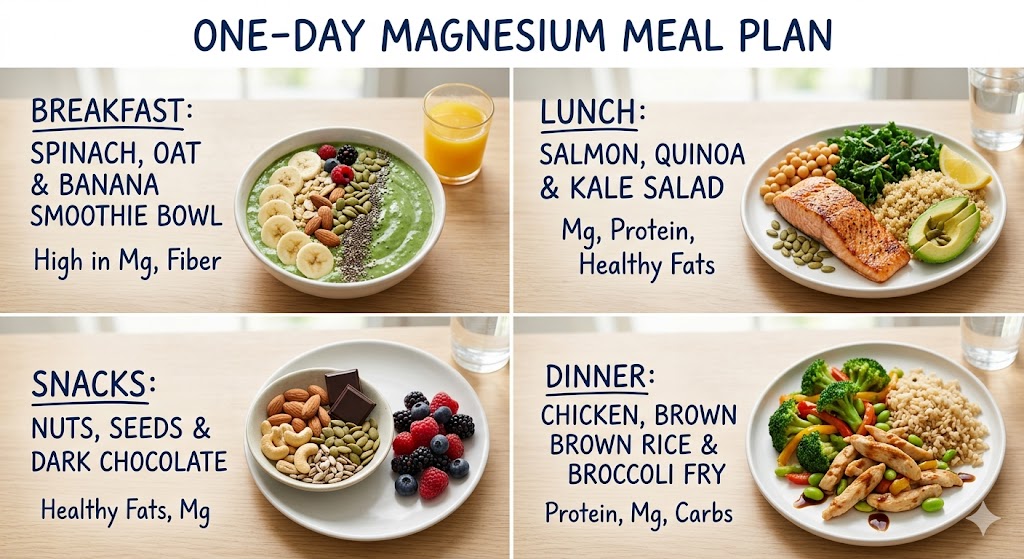
What Is a Sample One-Day Magnesium Meal Plan?
A one-day magnesium meal plan combines several moderate sources instead of relying on one food. This approach feels realistic and sustainable.
Sample Day
Breakfast: Oats with chia seeds, banana, and yogurt
Snack: Almonds + dark chocolate square
Lunch: Black bean bowl with brown rice, avocado, and spinach
Snack: Apple + peanut butter
Dinner: Salmon, quinoa, roasted vegetables
Evening: Herbal tea + pumpkin seeds
This pattern can easily provide several hundred milligrams of magnesium depending on portions.
Tools and Practical Applications to Track Magnesium Intake
Practical tools can help you estimate magnesium intake and improve consistency. You do not need perfection—just awareness.
Useful Tools
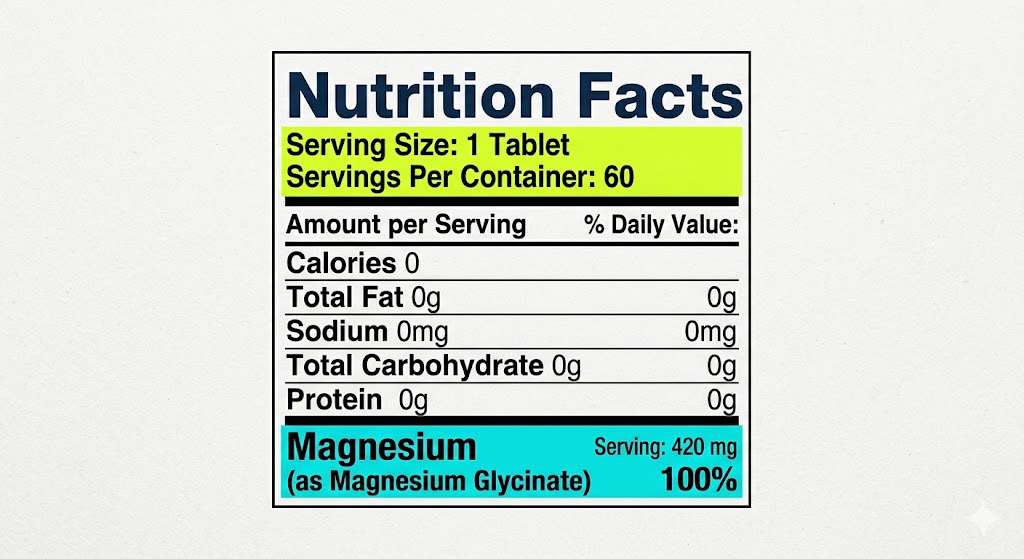
- Nutrition labels – Check serving size and nutrient values.
- Food tracking apps – Helpful for short-term awareness.
- Meal prep containers – Make healthy choices easier.
- Shopping lists – Prevent last-minute processed food purchases.
Label Reading Tip
Look for whole foods first. If a snack includes nuts, seeds, oats, or legumes, it may contribute useful magnesium.
What’s Next: Actionable Steps to Improve Magnesium Intake
The next step is to audit your current diet and add two or three magnesium foods this week. Simple consistency creates results.
- Write down your usual meals for 3 days.
- Circle meals missing whole foods.
- Add one seed, one legume, and one leafy green.
- Replace one refined grain with a whole grain.
- Track energy, sleep, cramps, or recovery for two weeks.
For example, you might add chia to breakfast, beans to lunch, and spinach to dinner. That single change can meaningfully raise intake.
Conclusion
Foods high in magnesium can support energy, muscle function, sleep, heart health, and overall wellness when eaten consistently. You do not need a perfect diet or expensive supplement stack. Start with simple swaps like oats instead of sugary cereal, beans instead of processed sides, or seeds on top of breakfast. Small choices repeated daily can make a real difference.
Written by: Suraj 5+ Blogger — Health content writer focused on practical nutrition, SEO education, and evidence-based wellness guides.
Reviewed by: Editorial Nutrition Review Team — Experienced reviewers specializing in nutrition research, health communication, and fact-checking.
Disclaimer: This article was initially drafted using AI assistance. However, the content has undergone thorough revisions, editing, and fact-checking by human editors and subject matter experts to ensure accuracy.