
Summarize this blog post with: ChatGPT | Perplexity | Claude | Grok
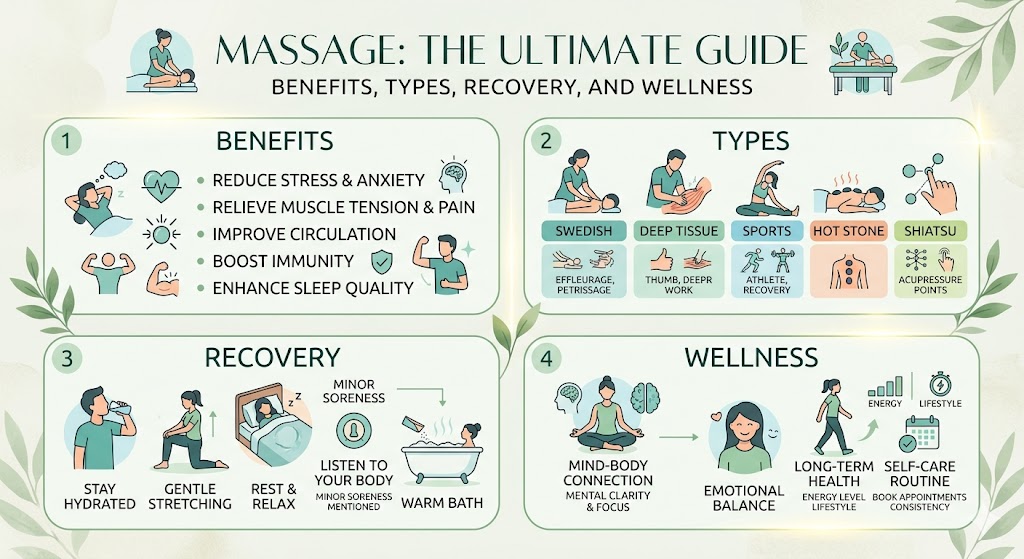
Most people think massage is simply a luxury spa treatment or a way to relax after a stressful week. What many don’t realize is that different massage techniques can support recovery, reduce chronic pain, improve sleep, and even boost long-term wellness. In this guide, you’ll learn exactly how massage works, the different types available, their proven benefits, and how to choose the right massage for your needs.
Key Takeaways
- Massage therapy is a therapeutic practice that uses pressure and movement techniques to relax muscles, improve circulation, and reduce stress.
- Different massage types serve different goals, including relaxation, pain relief, athletic recovery, and flexibility improvement.
- Swedish massage is commonly recommended for beginners, while deep tissue massage targets chronic tension and muscle knots.
- Regular massage sessions may help improve sleep quality, reduce anxiety, and support physical recovery after exercise.
- Choosing the right massage depends on your pain level, wellness goals, health conditions, and preferred pressure intensity.
- At-home massage tools like foam rollers and massage guns can complement professional massage therapy sessions.
- Safe massage practices include staying hydrated, communicating pressure preferences, and consulting professionals for medical concerns.
What Is Massage and How Does It Work?
Massage is a therapeutic technique that uses manual pressure and movement to relax muscles, improve circulation, and reduce physical tension. Massage therapy involves manipulating soft tissues to support recovery, reduce stress, and improve overall physical wellness.
First, massage has existed for thousands of years across cultures including China, Egypt, India, and Greece. Ancient wellness systems used massage to improve flexibility, reduce pain, and restore balance in the body. Today, modern massage therapy combines traditional healing methods with scientific understanding of muscles, connective tissue, and the nervous system.
Moreover, massage therapy works by stimulating muscles, fascia, tendons, and nerves through different pressure techniques. For example, gentle strokes can calm the nervous system, while deeper pressure can release muscle knots and tight tissue. This response may help improve blood flow, reduce stiffness, and support recovery after exercise.
According to the American Massage Therapy Association, nearly 95% of massage consumers say massage improves overall wellness — Source: AMTA, 2024.
“Massage is a therapeutic technique that uses manual pressure and movement to relax muscles, improve circulation, and reduce physical tension.”
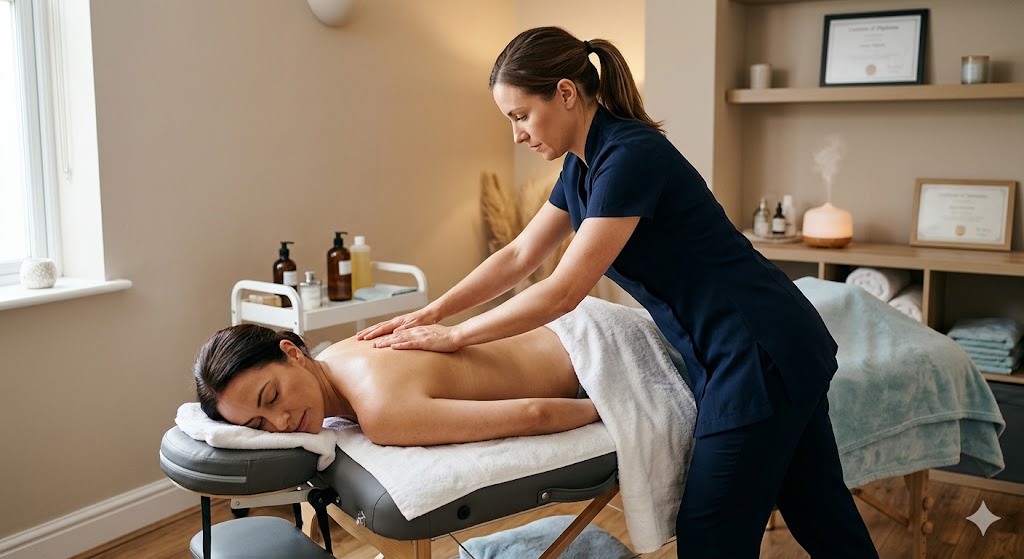
Brief History and Origins of Massage
Massage therapy originated in ancient healing traditions that focused on physical recovery, circulation, and relaxation. Historical records show massage practices dating back more than 5,000 years.
For example, Ayurvedic massage in India emphasized energy flow and herbal oils, while Chinese medicine used massage to balance internal energy pathways. Similarly, Greek athletes received massage treatments to improve sports performance and muscle recovery.
At the same time, modern massage therapy evolved significantly during the 19th and 20th centuries. Swedish massage techniques later became the foundation for many Western massage styles used today.
How Massage Affects Muscles and the Nervous System
Massage affects muscles and the nervous system by reducing tension, improving circulation, and activating the body’s relaxation response. This process can lower stress hormones and improve physical comfort.
For example, massage may reduce cortisol levels while increasing serotonin and dopamine production. Research suggests massage therapy can reduce anxiety symptoms and promote better sleep quality — Source: Mayo Clinic, 2024.
Additionally, increased circulation delivers oxygen and nutrients to muscles more efficiently. This improved blood flow can help reduce soreness after workouts or prolonged sitting.
better sleep and recovery habits
Why Is Massage Important for Physical and Mental Health?
Massage is important for physical and mental health because it supports stress reduction, pain management, recovery, and relaxation. Many people use massage as part of a long-term wellness routine.
First, stress is one of the most common reasons people seek massage therapy. Office workers, athletes, and busy professionals often experience muscle tension from long hours, poor posture, or repetitive movement. Massage helps relax tight muscles and calm the nervous system.
According to the American Psychological Association, more than 76% of adults report physical symptoms caused by stress — Source: APA, 2024.
Furthermore, massage therapy may improve flexibility and mobility. For example, sports massage and stretching-focused therapies can reduce stiffness in the shoulders, hips, and lower back.
“Regular massage sessions may help reduce stress hormones, improve sleep quality, and enhance muscle recovery.”
Can Massage Therapy Help With Stress and Anxiety?
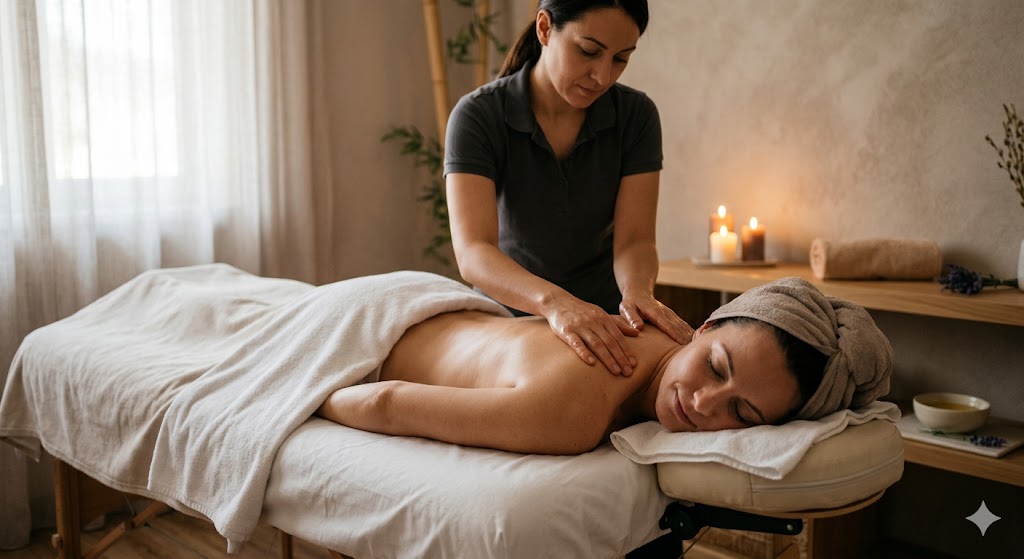
Massage therapy may help with stress and anxiety by promoting relaxation and lowering nervous system activity. Many massage techniques encourage slower breathing and muscle relaxation.
For example, Swedish massage uses long, gentle strokes that create a calming effect on the body. This process may help reduce mental fatigue after stressful workdays.
In addition, massage can improve sleep quality. Better sleep supports mood regulation, recovery, and cognitive performance.
sunlight therapy for mental wellness
What Are the Benefits of Massage for Muscle Recovery?
Massage therapy supports muscle recovery by improving circulation, reducing soreness, and decreasing muscle stiffness. Athletes and fitness enthusiasts commonly use massage after training sessions.
For example, sports massage may help reduce delayed onset muscle soreness after intense workouts. This recovery support can improve flexibility and overall movement quality.
Research published in the Journal of Athletic Training found massage therapy may reduce muscle soreness and perceived fatigue after exercise — Source: Journal of Athletic Training, 2023.
best recovery methods after workouts
high-protein diet for recovery
What Are the Different Types of Massage Therapy?
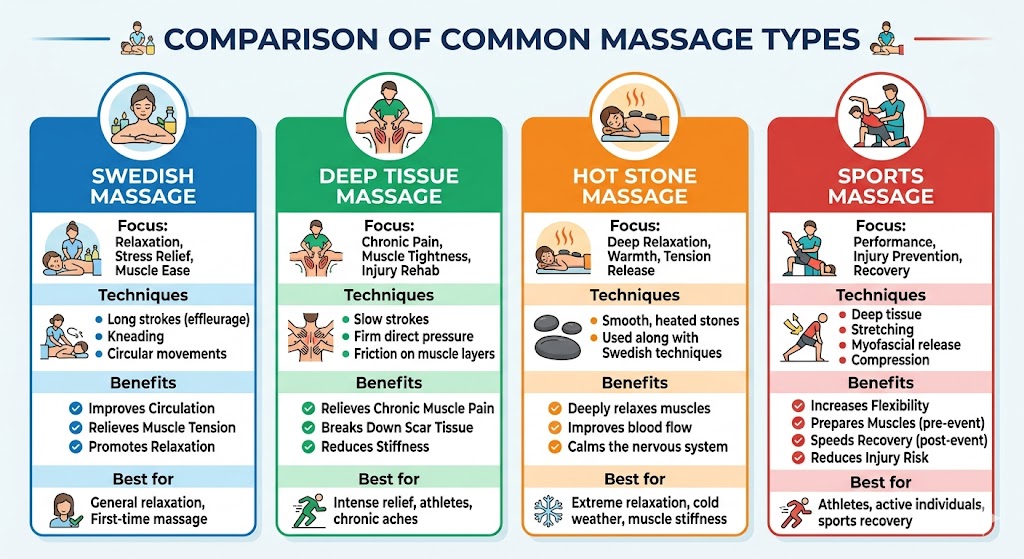
Different types of massage therapy use unique techniques and pressure levels to achieve specific wellness and recovery goals. Choosing the right massage depends on your comfort level and physical needs.
| Massage Type | Best For | Pressure Level | Main Benefits |
|---|---|---|---|
| Swedish Massage | Relaxation | Light to Medium | Stress relief, circulation |
| Deep Tissue Massage | Chronic tension | Firm | Muscle knot relief |
| Sports Massage | Athletes | Medium to Firm | Recovery and flexibility |
| Hot Stone Massage | Relaxation | Gentle | Warm muscle relaxation |
| Thai Massage | Mobility | Moderate | Stretching and flexibility |
| Shiatsu Massage | Energy balance | Medium | Tension reduction |
| Prenatal Massage | Pregnancy support | Gentle | Reduced swelling and stress |
What Is Swedish Massage?
Swedish massage is a gentle massage technique that focuses on relaxation, circulation, and stress reduction. It is often recommended for beginners.
For example, therapists use long gliding strokes, kneading, and rhythmic tapping to relax muscles. Swedish massage focuses on relaxation and light pressure, while deep tissue massage targets chronic muscle tension using firmer pressure.
According to the National Center for Complementary and Integrative Health, massage therapy is increasingly used for stress management and relaxation — Source: NCCIH, 2024.
What Is Deep Tissue Massage?
Deep tissue massage is a massage technique that targets deeper muscle layers and chronic tension using firm pressure. This massage style is commonly used for muscle knots and stiffness.
For example, athletes and office workers often choose deep tissue massage for neck pain or lower back tightness caused by repetitive posture issues.
deep tissue massage therapy benefits
What Is the Difference Between Swedish and Deep Tissue Massage?
The difference between Swedish and deep tissue massage is the pressure intensity and treatment goal. Swedish massage focuses on relaxation, while deep tissue massage focuses on chronic muscle tension.
For example, Swedish massage uses lighter strokes that calm the nervous system. Deep tissue massage uses slower, firmer pressure to target deeper tissues and adhesions.
“Swedish massage focuses on relaxation and light pressure, while deep tissue massage targets chronic muscle tension using firmer pressure.”
Swedish massage vs deep tissue massage
What Is Sports Massage?
Sports massage is designed to improve athletic performance, flexibility, and post-workout recovery. Athletes use this massage type before and after exercise.
For example, runners often use sports massage to reduce calf tightness and improve mobility after training sessions.
“Sports massage is designed to improve athletic performance, flexibility, and post-workout recovery.”
What Is Thai Massage?
Thai massage is a stretching-based therapy that combines pressure techniques with assisted body movements. Unlike traditional table massage, Thai massage often takes place on a mat.
For example, therapists guide your body through stretches that may improve flexibility and posture.
Pilates for flexibility and posture
What Is Prenatal Massage?
Prenatal massage is a gentle massage therapy designed to support comfort during pregnancy. It may help reduce swelling, back pain, and stress.
However, pregnant individuals should always consult healthcare professionals before beginning massage therapy.
How Does Massage Therapy Work on the Body?
Massage therapy works on the body by stimulating muscles, connective tissue, blood circulation, and the nervous system. Different pressure levels create different physiological responses.
First, lighter massage techniques calm the parasympathetic nervous system. This response can reduce stress and promote relaxation.
Second, deeper pressure techniques may improve mobility by releasing tight tissue and adhesions. For example, deep tissue massage can help loosen chronically tight shoulder muscles caused by desk work.
Third, massage increases circulation throughout the body. Improved blood flow may support recovery by delivering oxygen and nutrients to tissues.
[Insert custom diagram: Muscle tissue response during massage therapy | Alt text: “Understand how massage therapy affects muscles and circulation”]
How Do You Choose the Right Massage Type for Your Needs?
Choosing the right massage depends on your goals, pain level, pressure preference, and physical condition. Beginners often benefit from lighter massage styles before trying deeper techniques.
First, relaxation-focused users usually prefer Swedish or hot stone massage. These therapies focus on calming the body and reducing stress.
Second, recovery-focused individuals often choose sports massage or deep tissue massage. These therapies target muscle soreness and movement restrictions.
Third, flexibility-focused users may benefit from Thai massage or mobility-based therapies.
Beginner Recommendations for Massage Therapy
Beginners should start with moderate-pressure massage styles that prioritize comfort and relaxation. Starting gently helps your body adapt to massage techniques.
For example, a 60-minute Swedish massage is often ideal for first-time spa visitors.
Choosing Massage Intensity Levels
Massage intensity levels range from gentle relaxation pressure to firm therapeutic pressure. Communication with your therapist is extremely important.
For example, deep tissue massage should feel intense but not painful. If pressure becomes uncomfortable, adjusting intensity can improve the experience.
Are There Any Risks or Side Effects of Massage Therapy?
Massage therapy is generally safe, but certain medical conditions and injuries require caution. Professional guidance is important for safe treatment.
First, people with blood clotting disorders, fractures, severe osteoporosis, or infections should consult medical professionals before massage therapy.
Second, soreness may occur after deep tissue massage sessions. Mild discomfort is normal, but severe pain is not.
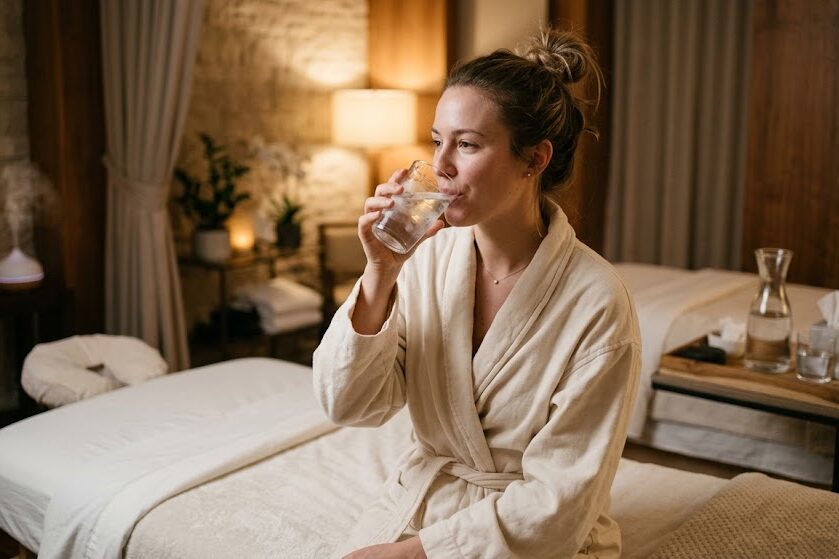
Third, hydration is important after massage because increased circulation may contribute to temporary fatigue or dehydration.
According to Cleveland Clinic, licensed massage therapists should understand anatomy, pressure safety, and contraindications before treatment — Source: Cleveland Clinic, 2024.
What Should You Do Before and After a Massage Session?
Preparing properly before and after massage can improve comfort and recovery. Small habits can make sessions more effective.
Before your session:
- Drink water
- Avoid heavy meals
- Communicate injuries or pain areas
- Wear comfortable clothing
After your session:
- Stay hydrated
- Stretch gently
- Rest if needed
- Avoid intense workouts immediately after deep tissue massage
Can You Perform Effective Self-Massage at Home?
Self-massage techniques can reduce muscle tension and improve mobility between professional massage sessions. At-home recovery tools are increasingly popular among fitness enthusiasts and office workers.
For example, foam rolling can target tight leg muscles after workouts, while massage balls can relieve shoulder tension caused by desk posture.
Research shows foam rolling may improve short-term flexibility and reduce soreness after exercise — Source: International Journal of Sports Physical Therapy, 2023.
foam rolling and mobility exercises
What Are the Best Massage Tools for Home Use?
Massage tools help support recovery, relaxation, and mobility outside professional therapy sessions. Different tools work better for different needs.
Popular massage tools include:
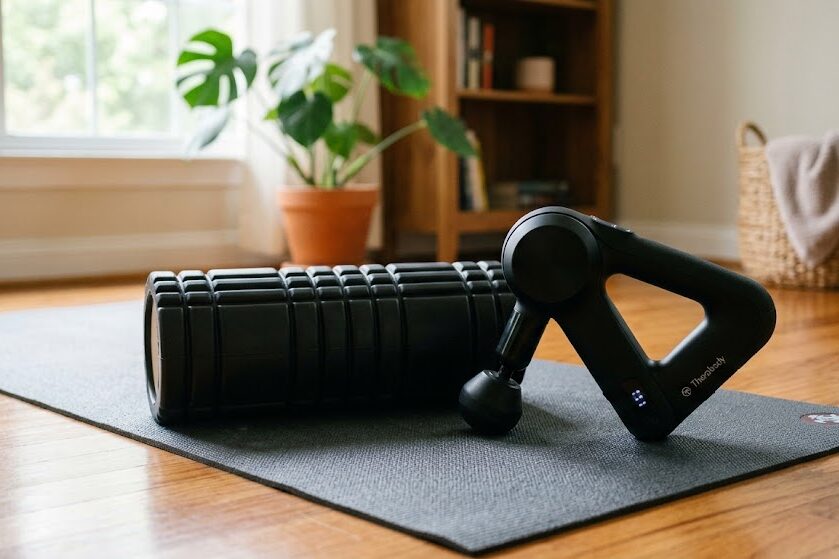
- Massage guns for muscle recovery
- Foam rollers for mobility and flexibility
- Massage balls for trigger points
- Essential oils for relaxation massage
- Heating pads for muscle comfort
Are Massage Guns Effective?
Massage guns are handheld recovery devices that use rapid percussion to reduce muscle tightness and soreness. Many athletes use them before or after workouts.
For example, short massage gun sessions on the calves or shoulders may improve circulation and temporary mobility.
What’s Next: Creating a Wellness Routine With Massage
Creating a wellness routine with massage involves combining recovery habits, movement, hydration, and stress management. Consistency matters more than intensity.
First, many people benefit from monthly massage sessions for general wellness. Athletes or physically active individuals may benefit from more frequent recovery-focused massage.
Second, combining massage with exercise and mobility training creates better long-term results. For example, stretching and Pilates can improve posture alongside massage therapy.
walking for stress reduction and recovery
Third, healthy sleep and hydration habits enhance massage recovery benefits. Sleep quality directly affects muscle repair and stress levels.
Conclusion
Massage therapy is a practical wellness tool that supports relaxation, recovery, flexibility, and long-term physical health. Whether you want stress relief, pain management, improved athletic recovery, or better sleep, there is a massage style that fits your goals.
Moreover, understanding different massage techniques helps you choose treatments that match your comfort level and lifestyle. From Swedish massage for relaxation to sports massage for recovery, each approach offers unique benefits.
Most importantly, self-care is not a luxury. By combining massage with movement, hydration, recovery habits, and healthy routines, you can create a more balanced and energized lifestyle.
FAQ
What is massage therapy?
Massage therapy is a hands-on treatment that uses pressure and movement techniques to relax muscles, reduce stress, and support overall wellness.
What are the benefits of massage?
Massage may help reduce stress, relieve muscle tension, improve circulation, promote relaxation, and support recovery.
What are the different types of massage?
Popular types include Swedish massage, deep tissue massage, sports massage, hot stone massage, and lymphatic drainage massage.
Can massage help with stress and anxiety?
Yes, massage is commonly used to promote relaxation and reduce stress and anxiety levels.
Is massage good for muscle recovery?
Yes, massage may improve circulation, reduce soreness, and support faster muscle recovery after exercise.
How often should you get a massage?
The ideal frequency depends on your goals, but many people benefit from sessions every few weeks or monthly.
Can massage help with back pain?
Yes, certain massage techniques may help reduce muscle tightness and discomfort associated with back pain.
What should you do after a massage?
Drink water, rest if needed, and avoid intense physical activity immediately after the session.
Is massage safe for everyone?
Massage is generally safe, but people with certain medical conditions should consult a healthcare professional first.
How long does a massage session usually last?
Most massage sessions typically last between 30 and 90 minutes depending on the treatment type and goals.
Written by Suraj — Wellness Blogger & Health Content Writer with 5+ years of experience covering recovery, fitness, massage therapy, and holistic wellness topics.
Reviewed by Editorial Wellness Review Team — Specialists in fitness recovery, wellness education, and evidence-based health content.
Disclaimer: This article was initially drafted using AI assistance. However, the content has undergone thorough revisions, editing, and fact-checking by human editors and subject matter experts to ensure accuracy.