
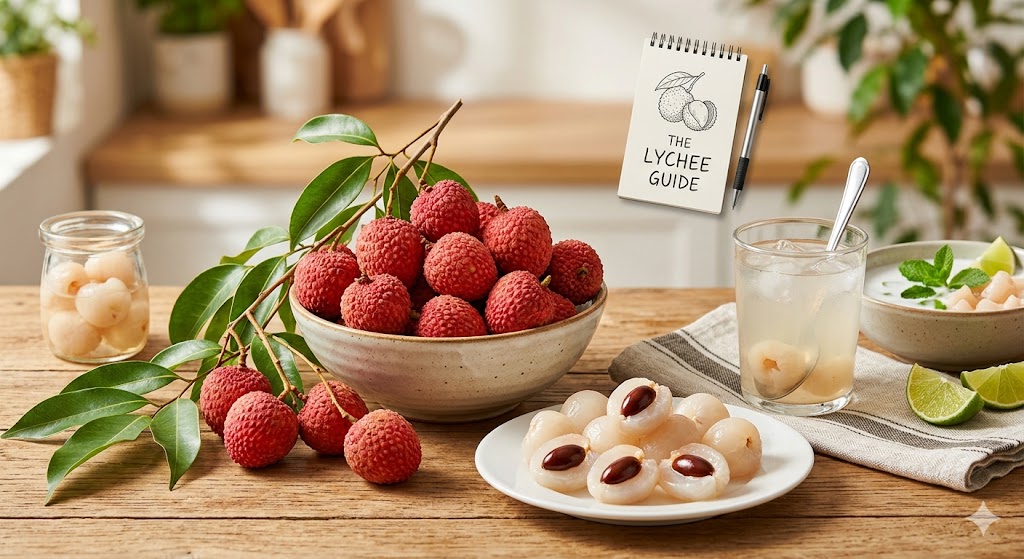
You’ve probably seen lychee in tropical fruit bowls, bubble tea, or summer desserts and wondered why it’s becoming so popular. What most people don’t realize is that lychee offers far more than a sweet flavor—it’s packed with nutrients, antioxidants, and versatile culinary uses. In this guide, you’ll learn exactly what lychee is, its health benefits, how to eat it, nutrition facts, storage tips, and the best ways to add it to your diet.
Key Takeaways
- Lychee is a tropical fruit known for its sweet floral flavor, juicy texture, and high vitamin C content.
- Fresh lychee provides antioxidants, hydration, and important nutrients while remaining relatively low in calories.
- Lychee fruit can be eaten fresh, frozen, canned, or dried and works well in smoothies, desserts, salads, and fruit bowls.
- Properly peeled lychee should be consumed without the seed, and moderation is important because of its natural sugar content.
- Refrigerated fresh lychee stays fresh longer and maintains better flavor and texture than room-temperature storage.
- Lychee recipes pair well with coconut, mango, berries, yogurt, mint, and citrus flavors.
- Nutrient-rich tropical fruits like lychee can support hydration, immune health, and overall wellness when included in a balanced diet.
What Is Lychee Fruit and What Does It Taste Like?
Lychee is a tropical fruit known for its sweet floral flavor, juicy texture, and high vitamin C content. The fruit grows on evergreen trees native to southern China and Southeast Asia, but it is now cultivated in tropical and subtropical regions worldwide.
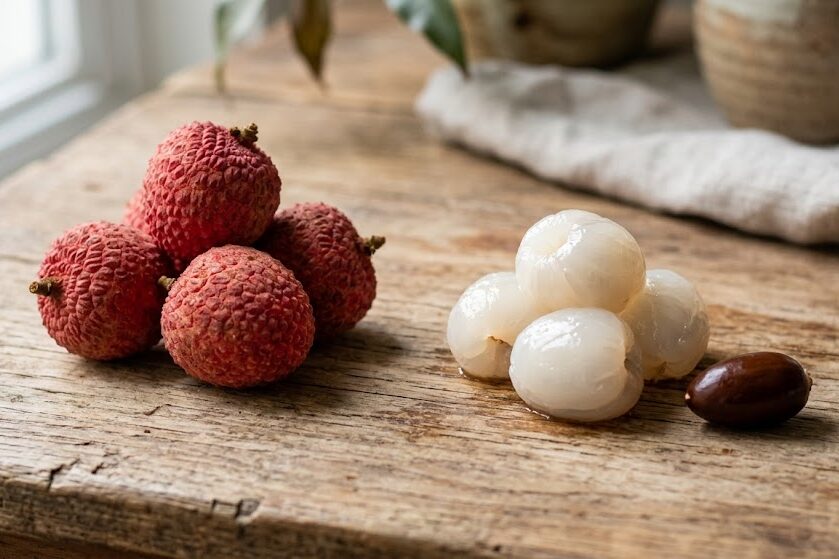
First, lychee fruit has a rough pink-red shell that protects translucent white flesh inside. The edible flesh is soft, juicy, and aromatic, while the center contains a large dark seed that should not be eaten. For example, many people describe the taste as a mix of grape, pear, watermelon, and rosewater.
Moreover, lychee belongs to the soapberry family, alongside rambutan and longan. Its refreshing sweetness makes it popular in smoothies, fruit salads, desserts, and beverages during warm weather.
According to the Food and Agriculture Organization, tropical fruit demand has steadily increased globally due to growing consumer interest in functional foods and wellness diets — Source: FAO, 2024.
What Does Fresh Lychee Look Like?
Fresh lychee fruit usually appears round or oval with textured reddish-pink skin. Once peeled, the flesh becomes glossy, white, and semi-transparent.
In addition, ripe lychee feels slightly firm but not hard. Overripe fruit often develops dark spots, cracks, or fermented odors. For example, fresh premium lychee should smell lightly floral and feel heavy for its size.
What Is the Difference Between Fresh, Canned, and Dried Lychee?
Fresh, canned, and dried lychee differ mainly in texture, sugar content, and culinary use.
| Type of Lychee | Texture | Flavor | Common Uses |
|---|---|---|---|
| Fresh Lychee | Juicy and soft | Floral and sweet | Snacks, smoothies, salads |
| Canned Lychee | Softer and syrupy | Sweeter | Desserts, drinks |
| Dried Lychee | Chewy | Rich and caramel-like | Snacks, teas |
| Frozen Lychee | Similar to fresh | Mildly sweet | Smoothies and bowls |
Furthermore, canned lychee usually contains added syrup and sugar, while fresh lychee offers a more natural nutritional profile.
Why Is Lychee Considered a Healthy Tropical Fruit?
Lychee is considered a healthy tropical fruit because it provides vitamin C, antioxidants, hydration, and beneficial plant compounds in relatively few calories.
First, one serving of fresh lychee contains significant vitamin C, which supports immune function and collagen production. According to the USDA, 100 grams of fresh lychee contains around 71 mg of vitamin C — Source: USDA FoodData Central, 2025.
Additionally, lychee contains polyphenols and antioxidant compounds that help reduce oxidative stress. For example, antioxidant-rich fruits may help protect cells from environmental damage and inflammation.
Why Is Lychee Popular in Healthy Diets?
Lychee fits well into healthy diets because it offers natural sweetness with hydration and nutrients.
Moreover, many people use lychee in low-fat desserts, smoothie bowls, and fruit-based snacks instead of processed sweets. For example, adding lychee to yogurt bowls can increase flavor without needing artificial syrups.
At the same time, lychee contains approximately 66 calories per 100 grams — Source: USDA FoodData Central, 2025. This relatively low calorie count makes it attractive for balanced eating plans.
low calorie snacks for weight loss
Is Lychee Good for Hydration?
Lychee supports hydration because the fruit contains a high water content and natural electrolytes.
In addition, tropical fruits with high moisture levels can help replenish fluids during hot weather. For example, lychee pairs well with watermelon, mint, and coconut water in refreshing summer drinks.
What Nutrients Are Found in Lychee?
Lychee nutrition includes vitamin C, copper, potassium, carbohydrates, and antioxidant compounds. The fruit also contains small amounts of fiber and several phytonutrients.
Lychee Nutrition Facts
Here is the approximate nutrition profile for 100 grams of fresh lychee:
| Nutrient | Amount |
|---|---|
| Calories | 66 |
| Carbohydrates | 16.5 g |
| Sugar | 15 g |
| Fiber | 1.3 g |
| Protein | 0.8 g |
| Fat | 0.4 g |
| Vitamin C | 71 mg |
| Potassium | 171 mg |
| Copper | 0.15 mg |
Source: USDA FoodData Central, 2025.
Furthermore, vitamin C contributes to immune support and skin health. Copper helps energy metabolism and iron absorption.
How Much Sugar Is in Lychee Fruit?
Lychee contains natural fruit sugars that contribute to its sweet taste and energy content.
First, 100 grams of fresh lychee contains roughly 15 grams of sugar. While this is higher than berries, it is similar to many tropical fruits like mango and grapes.
That being said, whole fresh lychee still contains water and fiber, which slow digestion compared to sugary beverages. For example, eating fresh fruit is generally healthier than consuming fruit syrups or sweetened canned products.
Is Lychee Good for Weight Loss and Hydration?
Lychee can support weight management when eaten in moderation as part of a balanced diet.
Additionally, the fruit provides sweetness and hydration with relatively moderate calories. For example, using lychee in fruit bowls or smoothies may help satisfy dessert cravings naturally.
Research also suggests that diets rich in fruits and vegetables are associated with healthier weight outcomes — Source: Harvard T.H. Chan School of Public Health, 2024.
What Are the Health Benefits of Lychee?
Lychee offers health benefits related to immune support, hydration, antioxidant protection, and skin health.
Fresh lychee contains antioxidants and vitamin C that help support immune health and cellular protection.
Immune Support Benefits
Vitamin C in lychee helps support immune system function.
First, vitamin C contributes to white blood cell activity and antioxidant defense. For example, a single serving of lychee may provide more than 75% of the daily recommended vitamin C intake for many adults.
According to the National Institutes of Health, vitamin C plays a major role in immune protection and collagen synthesis — Source: NIH Office of Dietary Supplements, 2025.
Skin Health and Antioxidants
Lychee antioxidants may help support healthy skin and reduce oxidative stress.
Moreover, antioxidants neutralize unstable molecules called free radicals. For example, diets rich in colorful fruits are commonly associated with healthier skin appearance and aging support.
Potential Heart-Health Advantages
Lychee contains potassium and polyphenols that may support cardiovascular wellness.
Additionally, potassium helps maintain fluid balance and healthy blood pressure regulation. For example, pairing lychee with heart-healthy foods like yogurt, nuts, and oats can create balanced snacks.
How Do You Peel and Eat Lychee Correctly?
Lychee fruit is typically eaten by peeling the rough outer skin and removing the large central seed before consumption.
First, gently squeeze or tear the outer shell using your fingers. The shell usually cracks easily when ripe.
Second, remove the translucent flesh from the peel carefully. After that, slice the flesh slightly to expose and remove the seed.
Finally, eat the juicy flesh fresh or add it to recipes.
Common Mistakes When Eating Lychee
Common lychee mistakes include eating unripe fruit, consuming spoiled fruit, or accidentally biting the seed.
Moreover, unripe lychee may taste sour and less sweet. For example, ripe lychee should smell fragrant and have vibrant pink-red skin.

Can You Eat Lychee Every Day Safely?
Most healthy adults can eat lychee daily in moderate portions.
That being said, excessive intake may increase sugar consumption. For example, eating one small bowl of fresh lychee alongside balanced meals is generally reasonable for healthy individuals.
People with diabetes or blood sugar concerns should monitor portion sizes carefully and consult healthcare professionals if necessary.
When Is Lychee Season and How Do You Pick Ripe Lychee?
Lychee season usually occurs from late spring through summer, depending on the growing region.
First, countries like India, China, Thailand, Vietnam, and South Africa produce seasonal lychee harvests during warmer months.
Moreover, ripe lychee should feel heavy, aromatic, and brightly colored. For example, avoid fruit with cracked shells, excessive browning, or fermented smells.
According to agricultural export reports, India remains one of the world’s largest lychee-producing countries — Source: APEDA India, 2025.
How Should You Store Lychee to Keep It Fresh Longer?
Refrigerating fresh lychee helps preserve its flavor, texture, and moisture for a longer period.
First, place unpeeled lychee in a breathable container or perforated bag inside the refrigerator. Fresh lychee generally stays good for 5–10 days when chilled properly.
In addition, freezing peeled lychee extends shelf life significantly. For example, frozen lychee works especially well in smoothies and sorbets.
how to store fresh fruit properly
Shelf Life of Different Lychee Forms
| Lychee Type | Typical Shelf Life |
|---|---|
| Fresh Refrigerated | 5–10 days |
| Frozen | 6–12 months |
| Canned Unopened | 1–2 years |
| Dried | Several months |

What Are the Best Lychee Recipes for Beginners?
Lychee recipes work best when combined with refreshing fruits, creamy textures, and citrus flavors.
First, lychee pairs naturally with coconut, mango, berries, mint, yogurt, and lime. For example, many smoothie bowl recipes use lychee for tropical sweetness.
Lychee Smoothie Recipe
Lychee smoothies combine hydration, fruit sweetness, and creamy texture into a beginner-friendly drink.
Simple ingredients include:
- 1 cup fresh or frozen lychee
- 1 banana
- ½ cup yogurt
- ½ cup coconut water
- Ice cubes
Blend until smooth and serve chilled.

Lychee Lemonade
Lychee lemonade is a refreshing summer drink made with fresh fruit and citrus juice.
Additionally, combining lychee puree with lemon juice creates balanced sweetness and acidity. For example, adding sparkling water transforms it into a light mocktail.
Lychee Desserts and Fruit Bowls
Lychee works well in healthy desserts because of its juicy texture and floral sweetness.
Popular ideas include:
- Lychee sorbet
- Coconut chia pudding with lychee
- Tropical fruit bowls
- Yogurt parfaits
- Lychee popsicles
Tools and Practical Ways to Add Lychee to Your Diet
Adding lychee to your diet becomes easier when you combine it with everyday healthy foods and meal routines.
First, you can add peeled lychee to breakfast bowls, overnight oats, salads, and smoothies. For example, combining lychee with Greek yogurt and berries creates a balanced snack with protein and fiber.
Second, meal-planning apps and nutrition trackers can help monitor fruit intake and sugar consumption. You can do this using tools like calorie trackers or hydration apps. Free alternatives include Google Fit and MyFitnessPal.

Beginner-Friendly Weekly Serving Ideas
| Day | Serving Idea |
|---|---|
| Monday | Lychee yogurt bowl |
| Tuesday | Lychee smoothie |
| Wednesday | Fruit salad with mint |
| Thursday | Lychee overnight oats |
| Friday | Lychee lemonade |
| Saturday | Frozen lychee snack |
| Sunday | Tropical smoothie bowl |
What’s Next: How Can You Start Eating More Lychee?
You can start adding lychee to your diet by using fresh fruit in simple meals and snacks.
First, begin with easy recipes like smoothies, fruit bowls, or chilled snacks. For example, frozen lychee cubes can replace sugary desserts during summer.
Moreover, combining lychee with nutrient-dense foods improves meal balance. Pairing lychee with yogurt, oats, nuts, or seeds adds protein and fiber to meals.
Finally, try seasonal fresh lychee whenever available for the best flavor and nutritional quality.
Conclusion
Lychee is a versatile tropical fruit that combines refreshing sweetness with impressive nutritional value. From vitamin C and antioxidants to hydration and recipe flexibility, lychee fits naturally into healthy eating patterns.
Moreover, fresh lychee can be enjoyed in smoothies, fruit bowls, desserts, salads, and beverages with minimal preparation. By learning how to peel, store, and serve lychee properly, you can enjoy its flavor while supporting balanced nutrition and hydration.
If you’re exploring healthier summer foods, lychee is one tropical fruit worth adding to your routine.
FAQ
What is a Lychee?
Lychee is a small tropical fruit with a rough red shell, juicy white flesh, and a sweet floral flavor.
What does lychee taste like?
Lychee tastes sweet, juicy, and slightly floral, often compared to a mix of grapes and pears.
Is lychee healthy?
Yes, lychee is rich in vitamin C, antioxidants, and important nutrients that support overall health.
Can lychee help with weight loss?
Lychee can support weight management because it is low in calories and contains water and fiber.
How do you eat lychee?
Peel off the outer shell, remove the seed, and eat the juicy flesh fresh or add it to recipes.
What are the nutritional benefits of lychee?
Lychee provides vitamin C, copper, potassium, and antioxidants that support immunity and heart health.
Can you eat lychee every day?
Yes, lychee can be enjoyed in moderation as part of a balanced diet.
What recipes can you make with lychee?
Lychee is commonly used in smoothies, fruit salads, desserts, juices, and refreshing drinks.
Is canned lychee healthy?
Canned lychee can be enjoyed occasionally, but fresh lychee is healthier because it contains less added sugar.
Does lychee boost immunity?
Yes, its high vitamin C and antioxidant content may help strengthen the immune system.
Written by: Suraj — Blogger with 5+ years of experience covering nutrition, healthy foods, wellness trends, and SEO-focused lifestyle content.
Reviewed by: Editorial Wellness Review Team — Nutrition and health content specialists focused on evidence-based wellness education.
Disclaimer: This article was initially drafted using AI assistance. However, the content has undergone thorough revisions, editing, and fact-checking by human editors and subject matter experts to ensure accuracy.