

You already know that sleep, exercise, and nutrition affect how energized you feel. But the real source of your energy exists at a much deeper level—inside your cells.
At the center of this process are mitochondria, tiny structures responsible for producing the energy your body needs to function. From powering your brain and muscles to supporting metabolism, immunity, and healthy aging, mitochondrial health plays a critical role in overall well-being.
In this comprehensive guide, you’ll learn what mitochondrial health is, why it matters, what causes mitochondrial dysfunction, and the most effective science-backed strategies to improve cellular energy production and support long-term vitality.
What Is Mitochondrial Health and Why Is It Important?
Mitochondrial health refers to the ability of mitochondria to efficiently produce cellular energy in the form of ATP while maintaining normal cellular function.
Mitochondria are specialized structures found inside nearly every cell in the body. Their primary job is to convert nutrients and oxygen into usable energy that powers virtually every biological process.
Mitochondria are specialized structures inside cells that convert nutrients and oxygen into usable energy.
When you consume carbohydrates, fats, and proteins, mitochondria transform these nutrients into adenosine triphosphate (ATP), which serves as the body’s primary energy currency. Without sufficient ATP production, cells struggle to perform essential tasks.
According to the National Human Genome Research Institute, mitochondria are often referred to as the “powerhouses of the cell” because they generate most cellular energy requirements — Source: NHGRI, 2024.
What Is ATP Production?
ATP production is the process through which mitochondria create usable energy for cellular activities.
Every heartbeat, thought, movement, immune response, and repair process requires ATP. Because your body constantly uses and replenishes ATP, healthy mitochondrial function is essential for life.
Cellular energy production determines how effectively your cells perform daily functions.
Why Does Mitochondrial Health Matter?
Mitochondrial health affects nearly every system in the body.
Energy Production
Healthy mitochondria support stable energy levels throughout the day.
When ATP production is efficient, cells can perform their functions without excessive strain. As a result, people often experience:
- Better stamina
- Improved productivity
- Fewer energy crashes
- Greater physical resilience
Brain Function
The brain is one of the most energy-demanding organs in the body.
Mitochondrial function directly influences cognitive performance, memory, concentration, and mental clarity.
The brain consumes roughly 20% of the body’s energy despite representing only a small percentage of body weight — Source: Harvard Medical School, 2024.
Poor mitochondrial performance may contribute to:
- Brain fog
- Reduced focus
- Mental fatigue
- Slower cognitive processing
Muscle Performance
Muscles rely heavily on mitochondria to generate energy during movement and exercise.
Higher mitochondrial density allows muscles to produce energy more efficiently, improving endurance and recovery.
Athletes often develop greater mitochondrial density through consistent training, helping them sustain performance over longer periods.
Metabolic Health
Mitochondria play a central role in metabolism by regulating how the body uses glucose and fat for fuel.
Healthy mitochondria support:
- Glucose utilization
- Fat oxidation
- Insulin sensitivity
- Metabolic flexibility
Healthy Aging and Longevity
Researchers increasingly recognize mitochondrial health as one of the most important factors influencing healthy aging.
Efficient cellular energy production helps support:
- Tissue repair
- Cellular resilience
- Recovery capacity
- Long-term vitality
Immune Function
The immune system requires significant amounts of energy to identify threats and coordinate defense responses.
Healthy mitochondria help regulate immune activity while supporting balanced inflammatory responses throughout the body.
How Do Mitochondria Produce Energy for the Body?
Mitochondria generate energy through a process called cellular respiration.
Cellular Respiration Explained Simply
The process occurs in several stages:
- Food is broken down into nutrients.
- Nutrients enter cells.
- Mitochondria use oxygen to process these nutrients.
- ATP is produced and distributed throughout the body.
For example, glucose from a meal is ultimately converted into usable energy that powers movement, thinking, recovery, and countless other bodily functions.
The Role of Oxygen
Oxygen is essential for efficient ATP generation.
During aerobic exercise, muscles consume more oxygen because mitochondria need it to sustain energy production.
This is one reason cardiovascular fitness is closely linked to mitochondrial performance.
Nutrients Required for ATP Production
Several vitamins, minerals, and compounds support mitochondrial energy metabolism.
| Nutrient | Primary Function |
|---|---|
| CoQ10 | Electron transport chain support |
| Magnesium | ATP activation and enzyme support |
| B Vitamins | Energy metabolism |
| Omega-3s | Cell membrane health |
| Alpha-Lipoic Acid | Antioxidant protection |
| Iron | Oxygen transport |
These nutrients work together to ensure mitochondria can efficiently produce cellular energy.
What Are the Signs of Poor Mitochondrial Health?
Poor mitochondrial health often results in reduced energy production and impaired recovery.
Common Symptoms
Some of the most common signs include:
- Chronic fatigue
- Brain fog
- Reduced exercise capacity
- Muscle weakness
- Slow recovery
- Increased inflammation
- Insulin resistance
- Accelerated aging markers
Mitochondrial dysfunction occurs when mitochondria cannot produce enough energy to meet the body’s needs.
For example, someone experiencing persistent fatigue despite getting adequate sleep may benefit from examining factors that influence mitochondrial function.
What Causes Mitochondrial Dysfunction?
Mitochondrial dysfunction develops when cellular energy production becomes impaired.
Aging
Mitochondrial efficiency naturally declines over time.
Research consistently shows reductions in mitochondrial function across multiple tissues as people age.
Sedentary Lifestyle
Physical inactivity reduces mitochondrial stimulation and adaptation.
Long periods of sitting can decrease mitochondrial density compared to maintaining an active lifestyle.
Poor Nutrition
Nutrient deficiencies can disrupt ATP production pathways.
Low levels of magnesium, iron, or B vitamins may negatively affect energy metabolism.
Chronic Stress
Chronic stress increases oxidative stress and may damage mitochondrial structures over time.
Sleep Deprivation
Sleep plays a critical role in cellular repair and energy regulation.
Research shows that inadequate sleep affects metabolic and cellular recovery processes — Source: Sleep Foundation, 2024.
Environmental Toxins and Inflammation
Exposure to pollutants, smoking, chronic inflammation, and excessive oxidative stress may damage mitochondria and reduce energy production.
How Can You Improve Mitochondrial Health Naturally?
Improving mitochondrial health naturally involves optimizing movement, sleep, nutrition, and recovery habits.
Can Exercise Increase Mitochondrial Function?
Exercise is one of the most effective ways to improve mitochondrial health.
Studies show that endurance training increases mitochondrial density in skeletal muscle — Source: Journal of Physiology, 2024.
Resistance Training
Resistance training supports:
- Muscle adaptation
- Metabolic health
- Energy utilization
- Recovery capacity
Zone 2 Cardio
benefits of zone 2 cardio training
Zone 2 cardio includes activities such as:
- Walking
- Cycling
- Jogging
- Hiking
Performed at a conversational pace, these activities encourage mitochondrial biogenesis and improve endurance.
How Does Sleep Affect Mitochondrial Health?
Healthy sleep supports mitochondrial repair, energy regulation, and recovery.
Most adults benefit from:
- 7–9 hours of sleep per night
- Consistent sleep schedules
- Reduced evening screen exposure
- Good sleep hygiene practices
Stress Management
Reducing chronic stress helps protect mitochondria from oxidative damage.
Effective stress-management strategies include:
- Meditation
- Deep breathing
- Walking outdoors
- Yoga
- Mindfulness practices
Which Foods Support Healthy Mitochondria?
Foods that support mitochondrial health provide nutrients required for ATP production and cellular protection.
Protein-Rich Foods
Protein supplies amino acids needed for cellular repair and energy metabolism.
Examples include:
- Eggs
- Fish
- Poultry
- Greek yogurt
- Legumes
Omega-3 Fatty Acids
Omega-3 fatty acids support cell membrane integrity and mitochondrial communication.
Best sources include:
- Salmon
- Sardines
- Mackerel
- Chia seeds
- Flaxseeds
Polyphenols and Antioxidants
Polyphenols help protect mitochondria from oxidative stress.
Examples include:
- Blueberries
- Green tea
- Dark chocolate
- Pomegranates
- Olive oil

What Vitamins and Minerals Are Essential for Mitochondrial Function?
Several nutrients serve as cofactors in mitochondrial energy-production pathways.
Key nutrients include:
- Magnesium
- Vitamin B1
- Vitamin B2
- Vitamin B3
- Vitamin B6
- Vitamin B12
- Iron
- Selenium
Magnesium participates in over 300 enzymatic reactions throughout the body, many of which influence ATP generation.
According to the NIH Office of Dietary Supplements, magnesium is essential for normal muscle and nerve function and energy metabolism — Source: NIH ODS, 2024.
Which Supplements May Improve Mitochondrial Health?
Certain supplements may support mitochondrial function when combined with healthy lifestyle habits.
CoQ10
CoQ10 supports ATP production and antioxidant protection.
It is particularly concentrated in high-energy organs such as the heart.
PQQ
PQQ may support mitochondrial biogenesis and cellular resilience.
Creatine
Creatine helps regenerate ATP during high-energy activities.
Many athletes use creatine to improve performance, strength, and recovery.
Acetyl-L-Carnitine
Acetyl-L-carnitine assists in transporting fatty acids into mitochondria for energy production.
NAD+ Precursors
Popular NAD+ precursors include:
- Nicotinamide Riboside (NR)
- Nicotinamide Mononucleotide (NMN)
These compounds support metabolic processes involved in cellular energy generation.
Important Limitations
Supplements should enhance—not replace—healthy lifestyle habits.
Consistent exercise, quality sleep, proper nutrition, and stress management typically provide greater mitochondrial benefits than supplementation alone.
What Is Mitochondrial Biogenesis and Why Does It Matter?
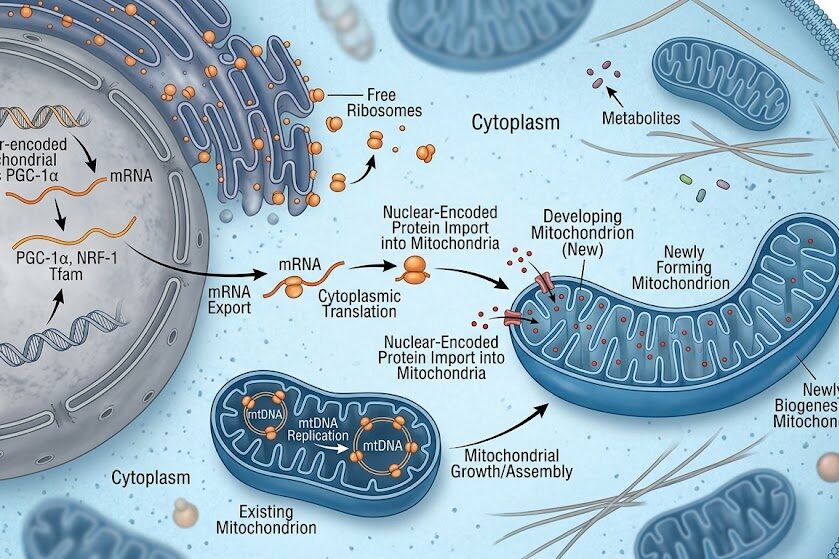
Mitochondrial biogenesis refers to the creation of new mitochondria within cells.
More mitochondria generally improve the body’s ability to generate energy efficiently.
Regular endurance exercise stimulates signaling pathways that encourage cells to produce additional mitochondria.
Potential benefits include:
- Better endurance
- Improved metabolic flexibility
- Enhanced recovery
- Support for healthy aging
Research suggests that exercise-induced mitochondrial biogenesis may contribute to improved endurance, metabolic flexibility, and healthy aging — Source: Nature Reviews Molecular Cell Biology, 2024.
How Does Mitochondrial Health Affect Aging and Longevity?
Mitochondrial health is closely linked to aging because cellular energy production influences repair and resilience.
Oxidative Stress and Aging
Excessive oxidative stress can damage mitochondrial DNA, proteins, and cellular structures.
Over time, this damage may contribute to age-related decline.
Healthy Lifespan
People who remain physically active throughout life often maintain better mitochondrial function and greater physical independence.
Healthy mitochondria support:
- Mobility
- Cognitive function
- Metabolic health
- Recovery capacity
Emerging Longevity Research
Researchers continue exploring:
- Mitochondrial-targeted therapies
- NAD+ metabolism
- Cellular repair mechanisms
- Healthy aging interventions
Are Mitochondrial Health Tests Worth Taking?
Mitochondrial health tests may provide useful information when viewed alongside broader health assessments.
Blood Markers
Common markers include:
- Fasting glucose
- HbA1c
- Insulin
- CRP
- Lipid profile
Wearables and Recovery Metrics
Wearable technology can help monitor recovery and lifestyle factors that influence mitochondrial health.
Examples include:
- Heart rate variability (HRV)
- Resting heart rate
- Sleep duration
- Recovery scores
Fitness Tracking
Improvements in exercise performance often reflect better mitochondrial efficiency.
For example, increased endurance capacity may indicate positive adaptations in cellular energy production.

What Is the Best Daily Routine for Supporting Mitochondria?
The best daily routine combines movement, sleep, nutrition, and recovery habits.
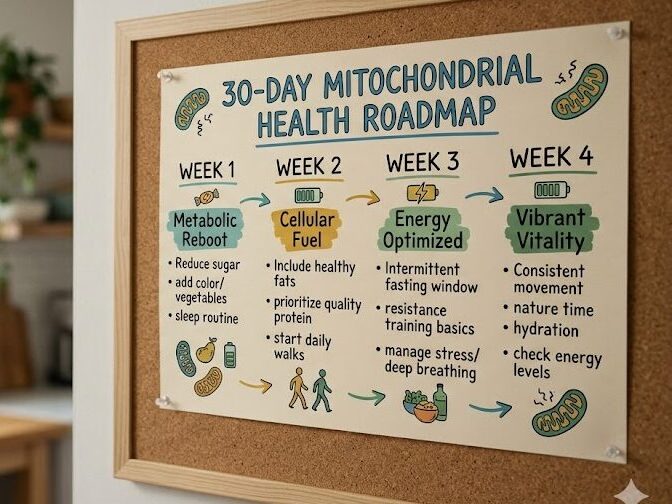
30-Day Mitochondrial Health Plan
Week 1: Build Foundations
- Walk 30 minutes daily
- Sleep 7–9 hours
- Increase protein intake
- Stay hydrated
Week 2: Improve Metabolic Flexibility
- Add 2 resistance-training sessions
- Include omega-3-rich foods
- Reduce ultra-processed foods
Week 3: Enhance Recovery
- Track sleep quality
- Practice daily stress reduction
- Monitor energy levels
Week 4: Optimize Long-Term Habits
- Add Zone 2 cardio sessions
- Review recovery metrics
- Evaluate nutrition consistency
how to improve recovery after exercise
Conclusion
Mitochondrial health is the foundation of cellular energy, metabolic performance, resilience, and healthy aging. Because mitochondria produce the ATP that powers every cell in the body, optimizing their function can have a profound impact on how you feel and perform each day.
The good news is that improving mitochondrial health does not require extreme measures. Consistent exercise, quality sleep, nutrient-dense foods, effective stress management, and targeted supplementation can all support healthier mitochondria over time.
Start with one habit today. Small improvements in cellular energy production can lead to meaningful gains in vitality, recovery, cognitive performance, and long-term wellness.
FAQs
What is mitochondrial health?
Mitochondrial health refers to the ability of mitochondria to efficiently produce ATP, the energy that powers cellular functions throughout the body.
What are the symptoms of poor mitochondrial health?
Common symptoms include fatigue, brain fog, muscle weakness, reduced exercise performance, slow recovery, and low energy levels.
Can exercise improve mitochondrial health?
Yes. Regular aerobic and resistance exercise can increase mitochondrial density, improve ATP production, and enhance overall cellular energy.
Which foods are best for mitochondrial health?
Protein-rich foods, omega-3-rich fish, berries, green tea, olive oil, nuts, seeds, and other nutrient-dense whole foods support mitochondrial function.
Does sleep affect mitochondrial function?
Yes. Quality sleep supports mitochondrial repair, recovery, and energy regulation, making it essential for optimal cellular health.
Are supplements necessary for mitochondrial health?
Not always. Lifestyle habits such as exercise, sleep, nutrition, and stress management are the foundation. Supplements may provide additional support when appropriate.
What is mitochondrial biogenesis?
Mitochondrial biogenesis is the process of creating new mitochondria, increasing the body’s ability to produce energy efficiently.
Can mitochondrial health affect aging?
Yes. Healthy mitochondria support cellular repair, metabolic function, and resilience, making them an important factor in healthy aging and longevity.