
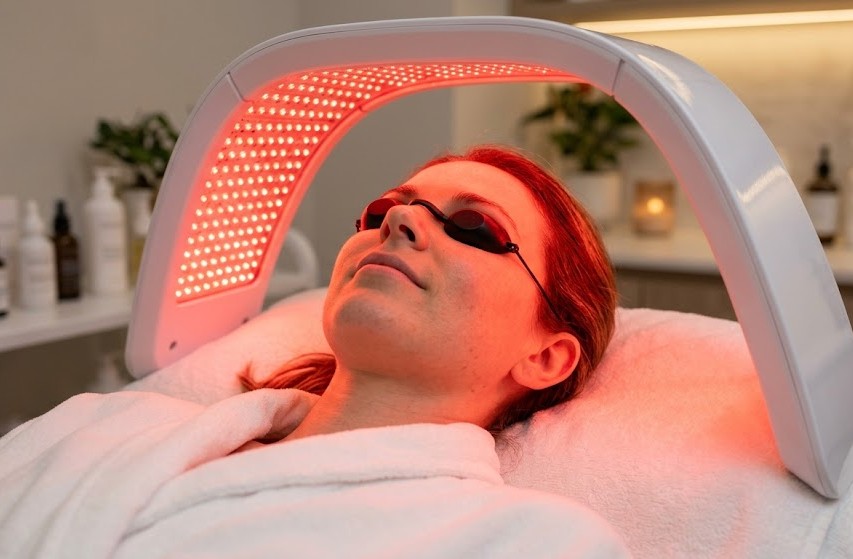
You’ve probably seen red LED light masks and therapy devices becoming increasingly popular in skincare routines. But many people use these treatments without fully understanding how they work, what results they can realistically expect, or whether the science supports the claims. In this guide, you’ll learn exactly what red LED light skin treatment is, how it benefits the skin, its potential limitations, and how to use it effectively for the best results.
Key Takeaways
- Red LED light skin treatment is a non-invasive therapy that uses specific wavelengths of red light to support skin repair and rejuvenation.
- Red light therapy may stimulate cellular energy production and encourage collagen synthesis in the skin.
- Regular treatments may help reduce the appearance of fine lines, wrinkles, redness, and certain types of acne scars.
- At-home red light therapy devices offer convenience, while professional treatments typically provide higher power and broader coverage.
- Consistency is one of the most important factors influencing red light therapy results.
- Red LED therapy is generally considered safe when used according to manufacturer guidelines.
- A comprehensive skincare routine can enhance the benefits of red light therapy treatments.
What Is Red LED Light Skin Treatment?
Red LED light skin treatment is a non-invasive therapy that uses specific wavelengths of red light to support skin repair and rejuvenation.
First, red light therapy belongs to a category of treatments known as photobiomodulation therapy, where light energy interacts with cells to support biological processes associated with healing and tissue repair. Unlike UV rays from the sun, red LED light does not damage skin DNA when used properly.
Moreover, red light therapy for skin commonly uses wavelengths between approximately 620 and 700 nanometers. These wavelengths penetrate the skin more deeply than many other visible light wavelengths and interact with skin cells involved in repair and regeneration.
For example, many modern red light face mask devices are designed to deliver controlled red light exposure directly to facial tissues. This can make red LED light skin treatment an appealing option for people seeking a non invasive anti aging treatment without needles or surgery.
complete skincare routine guide
Photobiomodulation involves the interaction of light energy with cells to support biological processes associated with healing and tissue repair.
Statistic: The global light therapy market continues to expand due to growing consumer demand for non-invasive wellness and skincare solutions — Source: Grand View Research, 2025.
Why Does Red LED Light Skin Treatment Matter for Skin Health?
Red LED light skin treatment matters because it supports natural skin repair processes without physically damaging the skin.
First, healthy skin constantly repairs itself. However, factors such as aging, environmental stress, poor sleep, inflammation, and sun exposure can slow this process.
Moreover, collagen production naturally declines with age. Research suggests that collagen levels may decrease by approximately 1% annually after early adulthood — Source: American Academy of Dermatology, 2024.
For example, reduced collagen can contribute to:
- Fine lines
- Wrinkles
- Skin laxity
- Uneven texture
- Reduced elasticity
At the same time, many people seek treatments that improve skin appearance without downtime. Red LED light therapy skincare solutions offer an alternative that can often be combined with existing skincare routines.
How Does Red Light Therapy Affect Skin Cells and Collagen Production?
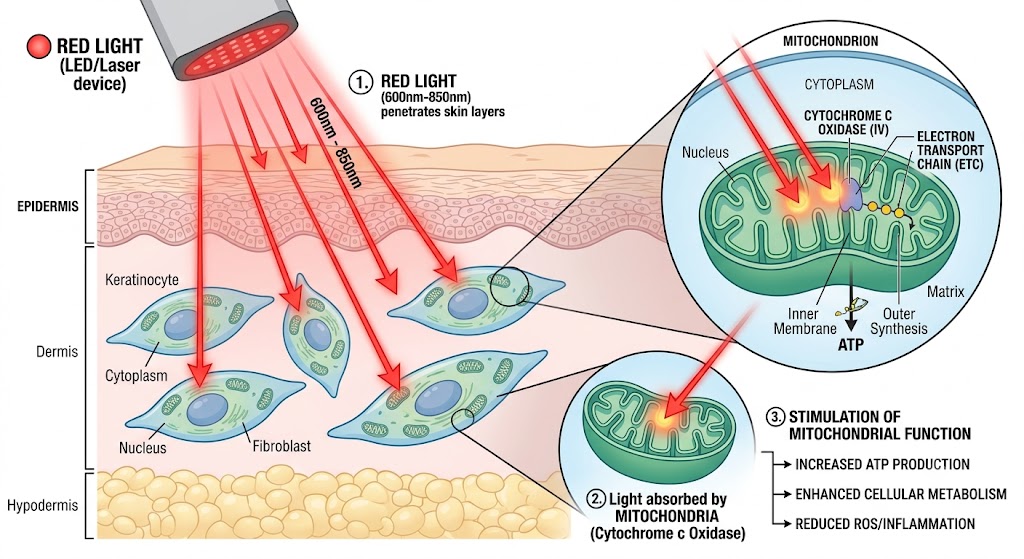
Red light therapy works by stimulating cellular energy production within mitochondria, helping skin cells function more efficiently.
Understanding Cellular Energy Production
First, mitochondria are often called the “powerhouses” of cells because they produce adenosine triphosphate (ATP), the molecule that stores cellular energy.
When red light reaches the skin, researchers believe it may improve mitochondrial efficiency. Increased cellular energy can support repair mechanisms involved in skin renewal.
For example, skin cells with improved energy availability may perform maintenance and repair activities more effectively.
Red light therapy works by stimulating cellular energy production within mitochondria, helping skin cells function more efficiently.
How Red Light Supports Collagen Production
Collagen production is one of the primary reasons red light therapy is used for reducing the appearance of fine lines and wrinkles.
Moreover, collagen acts as the structural framework that helps skin remain firm and smooth. When collagen levels decline, visible signs of aging become more noticeable.
For example, dermatologists often recommend collagen-supporting approaches such as:
- Retinoids
- Vitamin C serums
- Peptides
- Red light therapy
how inflammation affects skin aging
Statistic: Clinical studies have reported improvements in skin complexion and collagen density following consistent red light therapy use — Source: Journal of Cosmetic and Laser Therapy, 2023.
Why Is Red Light Therapy Becoming Popular in Skincare?
Red light therapy is becoming popular because it offers a convenient, non-invasive approach to skin rejuvenation.
First, consumers increasingly prefer treatments that fit into their daily routines. At-home devices make it possible to receive regular treatments without visiting a clinic.
Moreover, social media, celebrity endorsements, and growing scientific interest have increased public awareness of LED facial treatment technologies.
For example, many skincare enthusiasts combine red light therapy with:
- Hydrating serums
- Retinol routines
- Peptide treatments
- Professional facials
This combination approach often aligns with broader wellness goals and long-term skin maintenance strategies.
What Are the Main Benefits of Red LED Light Skin Treatment?
Red LED light skin treatment may provide multiple skin-rejuvenating benefits when used consistently.
Reduced Appearance of Wrinkles and Fine Lines
First, red light therapy for wrinkles focuses primarily on collagen support and skin firmness.
For example, many users report smoother-looking skin and improved elasticity after several weeks of consistent use.
Improved Skin Texture and Tone
Moreover, regular treatments may help improve overall skin appearance by supporting natural repair processes.
For example, some individuals notice reduced redness and a more even complexion.
Enhanced Skin Elasticity
Additionally, healthier collagen networks can contribute to firmer skin.
For example, combining red light therapy with the best facial exercises for skin firmness may help support overall skin appearance.
Support for Overall Skin Health
Furthermore, red light therapy skincare routines often complement other evidence-based skincare practices.
natural ways to improve skin health
Statistic: Consumer surveys show increasing adoption of LED skincare devices among adults seeking non-invasive anti-aging solutions — Source: Statista, 2025.
Can Red Light Therapy Help Reduce Wrinkles and Fine Lines?
Red light therapy may help reduce the appearance of wrinkles and fine lines by supporting collagen production and skin repair.
First, wrinkles form due to a combination of aging, collagen breakdown, repetitive facial movements, and environmental exposure.
Moreover, red light therapy addresses one of these factors by encouraging biological processes linked to collagen maintenance.
For example, users often notice gradual improvements rather than dramatic overnight changes. Results typically develop over weeks or months of consistent treatment.
Consistent use over several weeks is typically required before noticeable improvements in skin appearance become visible.
Does Red Light Therapy Improve Acne Scars and Skin Texture?
Red light therapy may improve certain acne scars and overall skin texture by supporting healing processes.
First, acne scars can develop when inflammation damages skin tissue during the healing process.
Moreover, red light therapy may help support tissue repair and reduce visible redness associated with previous breakouts.
For example, some individuals use red light therapy alongside dermatologist-approved acne treatments for a more comprehensive approach.
how to reduce acne scars naturally
However, deeper scars often require additional treatments such as:
- Microneedling
- Laser resurfacing
- Chemical peels
- Professional dermatological procedures
What Types of Red Light Therapy Devices Are Available?
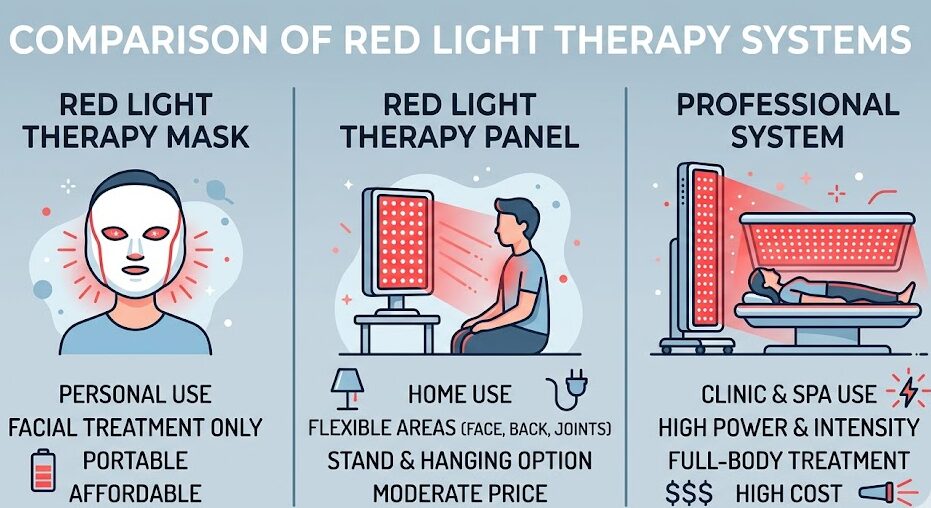
Red light therapy devices are available in multiple formats designed for different treatment goals and budgets.
| Device Type | Best For | Advantages | Limitations |
|---|---|---|---|
| Face Masks | Facial treatments | Convenient and hands-free | Limited treatment area |
| Panels | Face and body coverage | Larger coverage area | Less portable |
| Wands | Spot treatments | Affordable and portable | Smaller treatment zone |
| Professional Systems | Clinical treatments | Higher power output | More expensive |
Red Light Face Masks
First, masks are among the most popular at-home red light therapy devices because they are easy to use.
Red Light Panels
Moreover, panels provide broader treatment coverage and are often used for both skin and wellness applications.
Professional Systems
Additionally, professional systems generally offer stronger output and larger treatment areas.
At-home red light therapy devices provide lower-intensity treatments, while professional systems generally deliver greater power and coverage.
How Often Should You Use Red LED Light Therapy for Best Results?
Most red light therapy protocols recommend consistent use several times per week according to device instructions.
First, treatment frequency varies by device design and manufacturer recommendations.
A common beginner approach includes:
- Start with manufacturer-approved session durations.
- Use the device consistently.
- Monitor skin response.
- Avoid excessive exposure.
- Track progress with photos.
For example, many users perform treatments three to five times weekly during the initial phase.
Consistency is one of the most important factors influencing red light therapy results.
What Is the Difference Between Professional and Home Red Light Therapy Treatments?
Professional red light therapy treatments generally provide higher power output and broader coverage than at-home devices.
First, professional treatments are usually administered in dermatology clinics, medical spas, or aesthetic centers.
Moreover, professional equipment may allow practitioners to customize treatment parameters.
Professional Treatment Advantages
- Stronger devices
- Larger treatment areas
- Professional supervision
- Personalized protocols
At-Home Device Advantages
- Lower long-term cost
- Greater convenience
- Easier scheduling
- Consistent access
Are There Any Side Effects or Risks Associated With Red Light Therapy?
Red light therapy is generally considered safe when used according to manufacturer instructions and recommended exposure times.
First, most users tolerate red LED treatments very well.
However, potential side effects may include:
- Temporary redness
- Mild irritation
- Eye discomfort if proper protection is not used
- Increased sensitivity in rare cases
For example, individuals taking photosensitizing medications should consult a healthcare professional before starting treatment.
Who Should Avoid Red LED Light Therapy Treatments?
Certain individuals should seek medical guidance before use, including:
- People with photosensitivity disorders
- Individuals using light-sensitive medications
- Those with specific eye conditions
- Anyone advised against light exposure by a physician
How Long Does It Take to See Results From Red Light Therapy?
Most people require several weeks of consistent treatment before noticeable improvements become visible.
First, skin repair is a gradual biological process rather than an instant transformation.
Moreover, results depend on factors such as:
- Age
- Skin condition
- Device quality
- Treatment frequency
- Overall skincare habits
For example, some users report visible improvements within four to eight weeks, while others require longer treatment periods.
What Does Scientific Research Say About Red Light Therapy for Skin?
Scientific research suggests that red light therapy may support skin rejuvenation, collagen production, and overall skin appearance.
First, numerous studies have investigated photobiomodulation and its effects on skin health.
Moreover, researchers continue exploring how red light influences cellular energy production, inflammation pathways, and tissue repair mechanisms.
For example, multiple clinical studies have reported improvements in skin smoothness, elasticity, and overall complexion following structured treatment protocols.
Red LED light therapy is generally considered safe when used according to manufacturer instructions and recommended exposure times.
Statistic: Research reviews have found evidence supporting photobiomodulation for skin rejuvenation and wound-healing applications — Source: Photomedicine and Laser Surgery, 2024.
How Can You Maximize Results From Red Light Therapy?
You can maximize red light therapy results by combining consistent treatments with evidence-based skincare habits.
First, hydration plays a major role in skin appearance and barrier function.
skin hydration and barrier repair tips
Moreover, supporting skin health through nutrition can complement topical and device-based treatments.
best supplements for healthy skin
Additionally, sleep quality significantly affects skin recovery and repair.
Best practices include:
- Following device instructions
- Maintaining treatment consistency
- Using sunscreen daily
- Staying hydrated
- Prioritizing sleep
- Following a balanced skincare routine
Recommended Tools, Devices, and Practical Applications
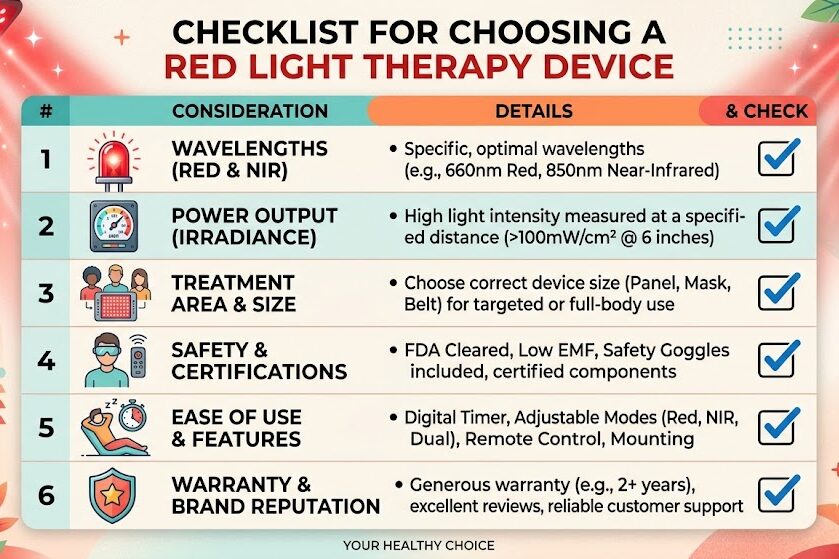
Choosing the right red light therapy device depends on your goals, budget, and treatment preferences.
First, beginners often benefit from FDA-cleared or dermatologist-recommended LED masks because they are easy to incorporate into daily routines.
Moreover, larger panels may provide broader coverage for users interested in treating multiple body areas.
When evaluating devices, consider:
- Wavelength range
- Treatment area
- Session duration
- Safety certifications
- User reviews
- Manufacturer reputation
Free resources for research include:
- Dermatology association websites
- Peer-reviewed journals
- Clinical study databases
What’s Next: Creating a Long-Term Red Light Therapy Routine?
A long-term red light therapy routine focuses on consistency, realistic expectations, and complementary skincare practices.
First, begin with a device that matches your goals and lifestyle.
Second, establish a sustainable schedule rather than pursuing excessive treatments.
Third, track progress using monthly photographs under consistent lighting conditions.
For example, comparing photos over several months often provides a more accurate assessment than daily observations.
By creating a structured routine, you can better evaluate whether red LED light skin treatment supports your individual skincare goals.
Conclusion
Red LED light skin treatment is a non-invasive therapy that uses specific wavelengths of red light to support skin repair and rejuvenation. Research suggests that red light therapy may stimulate cellular energy production, encourage collagen synthesis, and improve overall skin appearance when used consistently.
While red light therapy is not a miracle cure, it can be a valuable addition to a comprehensive skincare routine. By choosing an appropriate device, following recommended treatment guidelines, and maintaining healthy lifestyle habits, you can give your skin the best opportunity to look and feel healthier over time.
FAQ
What is red LED light skin treatment?
Red LED light skin treatment uses low-level red light wavelengths to support skin health and improve the appearance of the skin.
What are the benefits of red LED light therapy for skin?
It may help improve skin texture, support collagen production, reduce the appearance of fine lines, and promote a healthier-looking complexion.
Can red LED light therapy reduce wrinkles?
Red LED light therapy may help reduce the appearance of fine lines and wrinkles by supporting collagen production.
Is red LED light therapy safe?
Yes, red LED light therapy is generally considered safe when used according to manufacturer guidelines.
How often should you use red LED light therapy?
Many devices recommend several sessions per week, though frequency varies depending on the product and treatment goals.
Can red LED light therapy help with acne?
Red light may help reduce inflammation associated with acne, especially when combined with a consistent skincare routine.
How long does it take to see results from red LED light therapy?
Some people notice improvements within a few weeks, while more significant results may take several months of consistent use.
Can you use red LED light therapy at home?
Yes, many at-home devices are available and designed for convenient regular use.
Does red LED light therapy increase collagen production?
Research suggests red light therapy may support collagen production, which can improve skin firmness and elasticity.
Can red LED light therapy be combined with other skincare products?
Yes, it is often used alongside moisturizers, serums, and other skincare products as part of a broader skincare routine.