
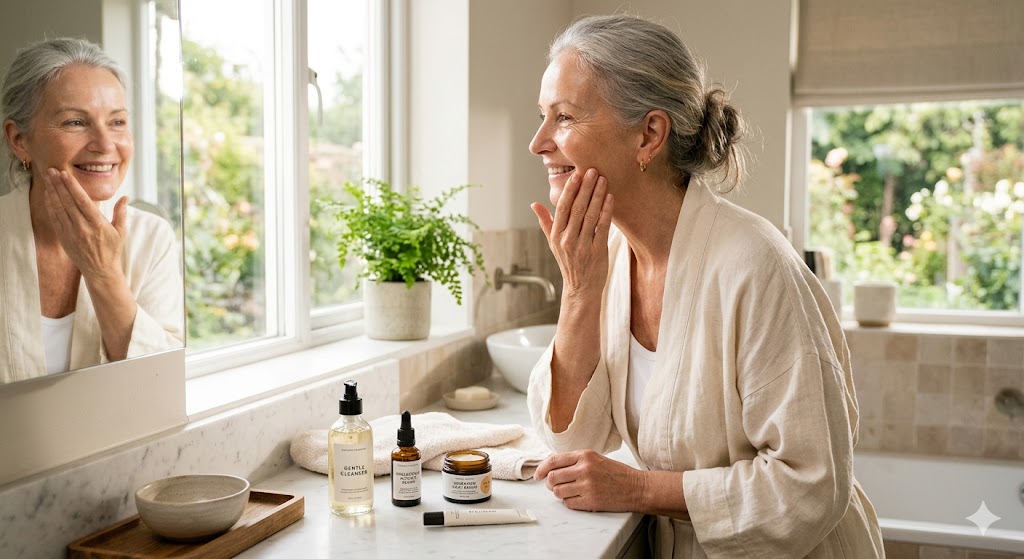
You probably already cleanse, moisturize, or try trending skincare products when your skin looks tired or dry. But many routines fail because they miss the few steps that truly slow visible aging. In this guide, you’ll learn the exact anti aging skin care routine, best ingredients, and simple adjustments for your age and skin type.
Key Takeaways
- Anti aging skin care routine is a consistent plan that protects skin, supports repair, and reduces visible aging signs over time.
- Daily sunscreen is the most important anti aging step because UV exposure speeds wrinkles, dark spots, and collagen breakdown.
- Retinoids, vitamin C, peptides, niacinamide, and ceramides are proven ingredients for smoother, brighter, healthier-looking skin.
- Simple routines often outperform complicated routines because consistency drives long-term results.
- Skin type and age affect product strength, texture, and frequency of use.
- Slow product introduction lowers irritation and helps you identify what works.
- Lifestyle habits like sleep, hydration, stress control, and nutrition strongly influence skin aging. anti aging foods for skin
What Is an Anti Aging Skin Care Routine and How Does It Work?
An anti aging skin care routine is a consistent daily regimen designed to protect skin from damage and reduce visible signs of aging over time. It usually includes cleansing, targeted treatment, moisturizing, and sun protection.
First, aging skin changes because collagen production gradually slows. Skin may also lose moisture and elasticity with time. For example, this can appear as fine lines, rough texture, dullness, or sagging.
Second, skincare works through prevention and correction. Prevention means limiting new damage from UV rays, pollution, and dryness. Correction means using ingredients that improve texture, tone, and firmness.
Moreover, effective anti aging skin care involves cleansing, targeted treatment, moisturizing, and daily sun protection. That is why a simple system often beats random product hopping.
Quotable fact: Anti aging skincare rewards consistency more than luxury packaging.
Quotable fact: The best routine is the one you can repeat daily.
how to build a skincare routine
Why Does an Anti Aging Skin Care Routine Matter?
An anti aging skin care routine matters because most visible skin aging is influenced by daily habits and environmental exposure. While natural aging happens to everyone, external damage can accelerate it.
First, ultraviolet radiation is a major cause of premature aging. Up to 80% of visible facial aging is linked to sun exposure in some populations — Source: World Health Organization, 2023. For example, frequent unprotected sun exposure can lead to wrinkles, pigmentation, and uneven texture.
Second, lifestyle factors also matter. Poor sleep, smoking, chronic stress, and dehydration can weaken skin recovery. For example, one week of restricted sleep can visibly reduce skin barrier recovery in small clinical studies — Source: Clinical and Experimental Dermatology, 2022.
At the same time, consistency compounds results. Using a gentle cleanser and sunscreen daily for one year usually creates better results than using expensive serums only occasionally.
Quotable fact: Skin aging is influenced by both biology and behavior.
Quotable fact: Repetition creates visible results in skincare.
Why Is Sunscreen the Most Important Anti Aging Product?
Sunscreen is the most important anti aging product because ultraviolet exposure accelerates wrinkles, pigmentation, and collagen loss. No anti aging routine is complete without daily sun protection.
First, UVA rays penetrate deeply and contribute to photoaging. UVB rays mainly cause sunburn, but both can damage skin over time. For example, driving near windows without SPF can still expose your skin to UVA.
Second, sunscreen protects the results of your other products. Retinol, vitamin C, and exfoliants can help skin look smoother, but ongoing UV damage can undo progress.
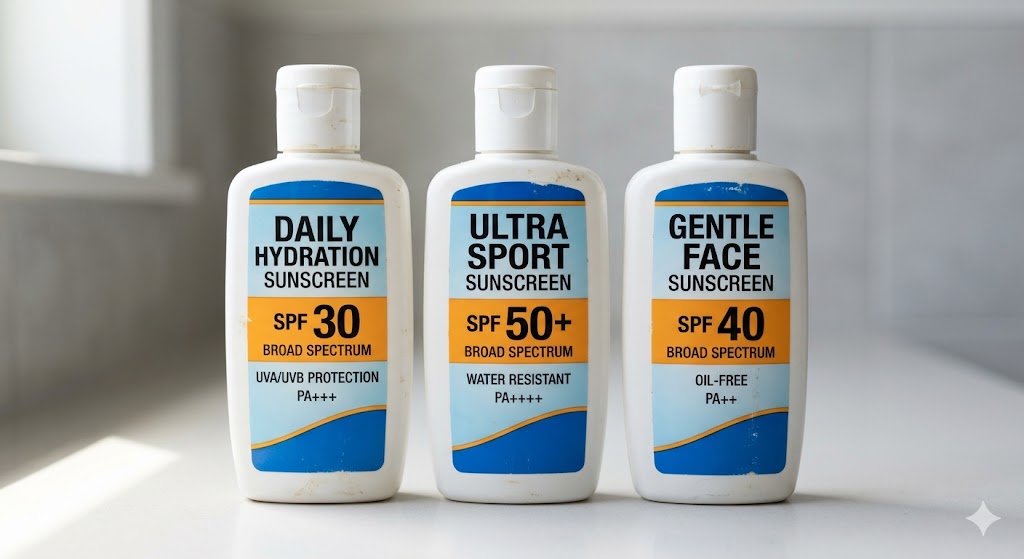
How to Choose Daily SPF
- Broad-spectrum protection
- SPF 30 or higher
- Comfortable texture you will wear daily
- Reapply when outdoors for long periods
Moreover, people who use sunscreen daily show slower signs of aging in long-term studies — Source: Annals of Internal Medicine, 2013.
What Is the Best Morning Anti Aging Skin Care Routine?
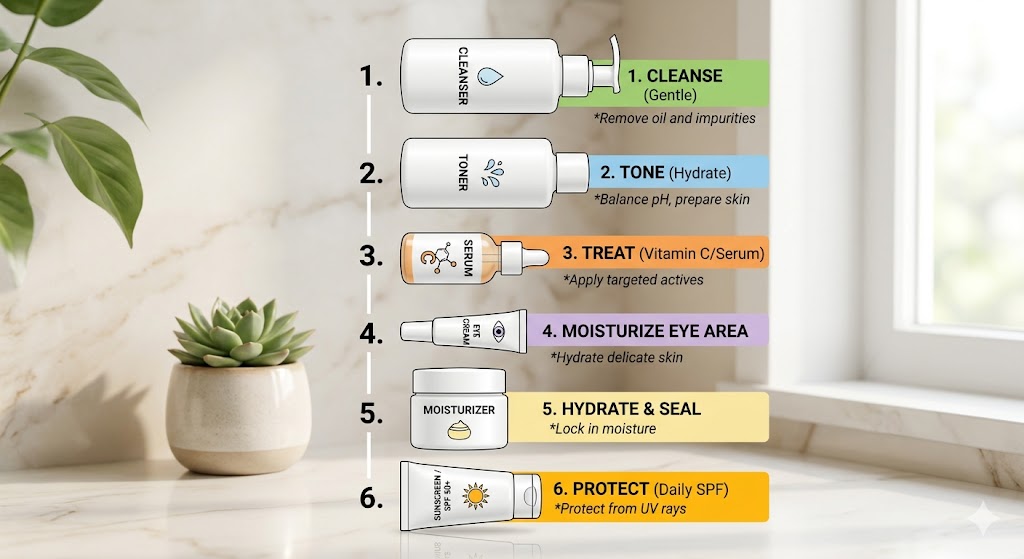
The best morning anti aging skincare routine cleanses skin, defends against environmental stress, hydrates the barrier, and protects with sunscreen. Morning care should focus on prevention.
Step 1: Gentle Cleanser
First, use a mild cleanser to remove sweat and overnight oil. Harsh cleansing can dry skin and increase irritation.
Step 2: Antioxidant Serum
Second, apply vitamin C if tolerated. Vitamin C is an antioxidant that helps brighten skin and defend against environmental stress that contributes to premature aging.
For example, a 10% to 20% vitamin C serum can support brightness and even tone over time.
Step 3: Moisturizer
Moreover, apply moisturizer to reduce water loss and support the skin barrier. Look for glycerin, hyaluronic acid, ceramides, or squalane.
Step 4: Sunscreen
Finally, apply SPF 30+ generously. Most adults need about two finger lengths for face and neck.
Quick AM Routine:
- Cleanser
- Vitamin C
- Moisturizer
- Sunscreen
What Is the Best Night Anti Aging Skin Care Routine?
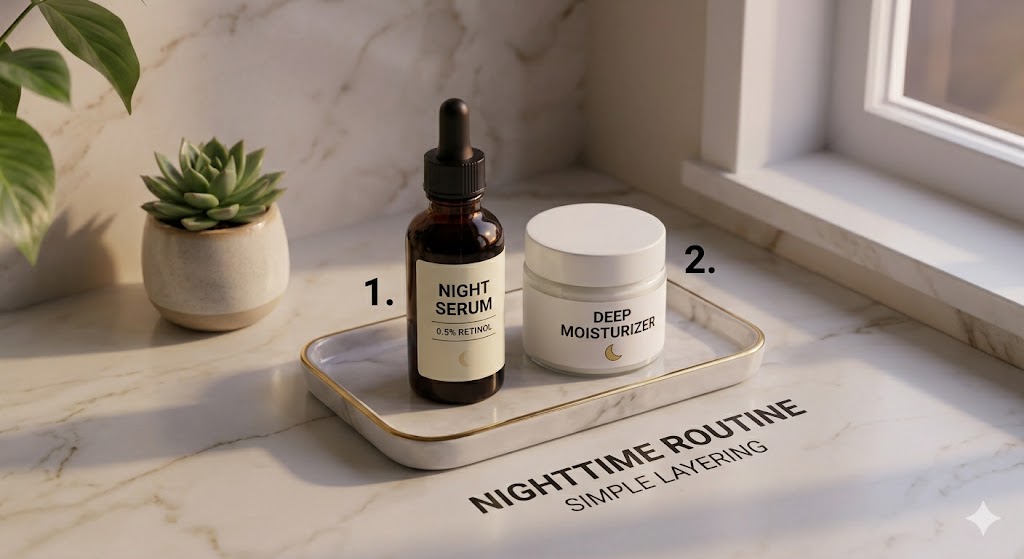
The best night anti aging skincare routine cleanses skin, uses repair-focused treatments, restores hydration, and supports the skin barrier while you sleep. Night care is where many corrective ingredients fit best.
Step 1: Cleanser
First, cleanse away sunscreen, makeup, and pollution. If needed, double cleanse with an oil cleanser followed by a gentle face wash.
Step 2: Retinoid or Retinol
Second, use a retinoid. Retinoids help increase skin cell turnover and improve the appearance of fine lines, texture, and uneven tone.
For example, start with retinol two nights per week, then increase gradually if your skin stays comfortable.
Step 3: Hydrating Serum
Moreover, add hyaluronic acid or panthenol to support hydration.
Step 4: Moisturizer
Finally, seal everything with a nourishing moisturizer. Dry skin often benefits from richer creams at night.
Quick PM Routine:
- Cleanser
- Retinol
- Hydrating serum
- Moisturizer
Which Ingredients Are Best for Wrinkles and Fine Lines?
The best anti aging ingredients improve hydration, support collagen, brighten discoloration, and smooth skin texture over time. Different ingredients solve different problems.
| Ingredient | Main Benefit | Best For | Beginner Tip |
|---|---|---|---|
| Retinoids | Smooth lines, improve texture | Wrinkles, acne, tone | Start 2x weekly |
| Vitamin C | Brighten, antioxidant defense | Dullness, spots | Use in morning |
| Niacinamide | Calm oil, strengthen barrier | Redness, pores | Great starter active |
| Peptides | Support firmness look | Mature skin | Pair with moisturizer |
| Hyaluronic Acid | Hydration | Dryness, dehydration | Apply on damp skin |
| Ceramides | Barrier repair | Sensitive, dry skin | Use daily |
| AHAs/BHAs | Exfoliation | Rough texture, clogged pores | 1-2x weekly |
| Bakuchiol | Gentle alternative | Sensitive users | Patch test first |
First, no ingredient works overnight. Most need 8 to 12 weeks of regular use.
Second, combining too many actives can irritate skin. For example, beginners may do better with vitamin C in the morning and retinol at night.
niacinamide benefits for skin
chemical exfoliation explained
How Should an Anti Aging Routine Change in Your 30s, 40s, and 50s?
An anti aging routine should evolve with age because hydration needs, collagen loss, and sensitivity often change over time. You do not need to restart from zero—just adjust strategically.
Anti Aging Routine for 30s
First, focus on prevention and early correction. Add vitamin C, sunscreen, and beginner retinol.
Anti Aging Routine for 40s
Second, prioritize firmness support and pigmentation management. Richer moisturizers, peptides, and more consistent retinoid use can help.
Anti Aging Routine for 50s+
Moreover, support barrier health and comfort. Hormonal changes may increase dryness, so creamy cleansers and lipid-rich moisturizers become more valuable.
Quotable fact: Your routine should change with your skin, not with trends.
Quotable fact: Stronger products are not always better products.
What Is the Best Anti Aging Routine for Sensitive Skin?
The best anti aging routine for sensitive skin uses fewer products, lower-strength actives, and strong barrier support. Calm skin usually responds better than irritated skin.
First, choose fragrance-free basics. Use a gentle cleanser, ceramide moisturizer, and daily sunscreen.
Second, introduce one active ingredient at a time. For example, start niacinamide first, then later add low-strength retinol once weekly.
Third, reduce frequency before changing products entirely. Sometimes using retinol once weekly works better than stopping it completely.
How Long Does It Take to See Results From Anti Aging Skin Care?
Anti aging skincare usually takes weeks to months because skin renewal and collagen remodeling are gradual processes. Fast promises are usually marketing, not biology.
First, hydration improvements may appear in days. Skin can look plumper quickly when dryness improves.
Second, brightness and smoother texture often improve in 4 to 8 weeks with consistent use.
Third, fine lines and firmness changes often take 3 to 6 months, especially with retinoids and sunscreen. Clinical retinoid studies commonly assess outcomes after 12 weeks or longer — Source: Journal of Drugs in Dermatology, 2021.
Quotable fact: Visible improvement often arrives slowly, then compounds.
Which Skincare Mistakes Make Skin Age Faster?
Skincare mistakes can make skin age faster when they increase inflammation, dryness, or repeated UV damage. Avoiding these habits can be as important as buying new products.
- Skipping sunscreen
- Over-exfoliating
- Using too many actives at once
- Sleeping in makeup
- Picking at skin
- Smoking
- Chronic poor sleep
- Ignoring neck and hands
For example, daily scrubs plus acids plus retinol can damage your barrier and trigger redness.
What Tools, Devices, and Add-Ons Actually Help?
Skincare tools and add-ons can support results, but they work best after the basics are consistent. Think of them as extras, not essentials.
Helpful Add-Ons
- Sheet masks for temporary hydration
- LED devices from reputable brands
- Gua sha for massage and puffiness reduction
- Humidifier for dry environments
- Silk pillowcase for comfort
Realistic Expectations
First, gua sha can temporarily reduce puffiness, but it will not replace collagen-building ingredients.
Second, LED devices may support acne or redness depending on wavelength and quality, but results vary.
Patch Testing Matters
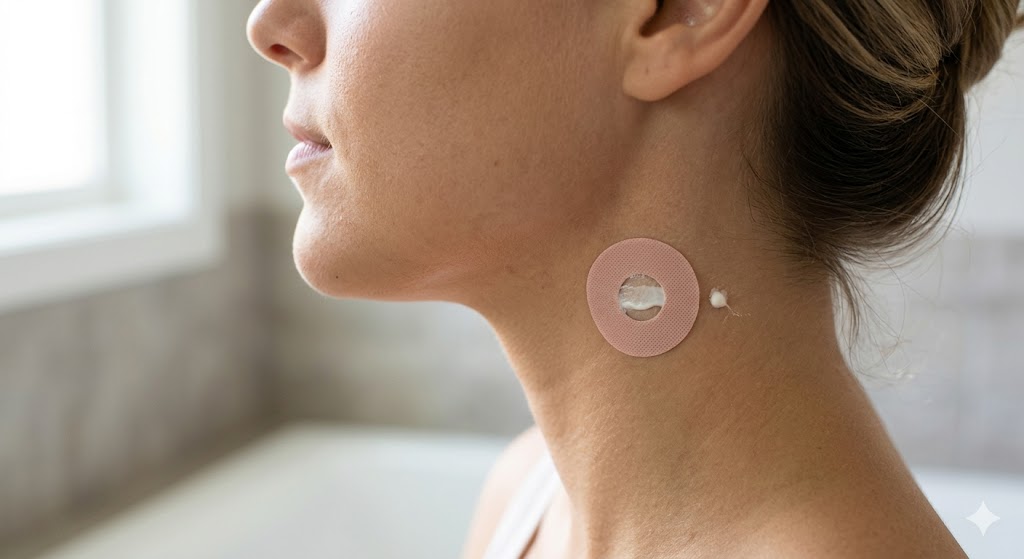
Moreover, patch testing lowers the chance of full-face irritation. Apply a small amount behind the ear or jawline first.
What’s Next: 30-Day Action Plan for Better Skin
A 30-day action plan helps you build consistency without overwhelming your skin. Start simple, then scale slowly.
Week 1
- Gentle cleanser
- Moisturizer
- Daily SPF
Week 2
- Add vitamin C in the morning
Week 3
- Add retinol one night weekly
Week 4
- Increase retinol to two nights weekly if tolerated
Moreover, take one photo in the same lighting each week. Progress photos often show changes you miss in the mirror.
When Should You See a Dermatologist for Aging Skin Concerns?
You should see a dermatologist when aging concerns are severe, sudden, persistent, or emotionally distressing. Professional help is useful for melasma, deeper wrinkles, prescription retinoids, unusual irritation, or procedures.
Conclusion
An anti aging skin care routine works best when it stays simple, evidence-based, and consistent. Daily sunscreen, smart ingredients like retinoids and vitamin C, barrier-friendly moisturizing, and patience create better long-term results than chasing every trend. Start with the basics, adjust for your skin type, and trust steady progress over perfection.
Written by: Suraj — 5+ Years Blogger, SEO Content Writer, and Consumer Wellness Researcher focused on practical skincare education.
Reviewed by: Editorial Review Team — Content Quality & Health Research Specialists.
Disclaimer: This article was initially drafted using AI assistance. However, the content has undergone thorough revisions, editing, and fact-checking by human editors and subject matter experts to ensure accuracy.