

You’ve probably heard probiotics can help with bloating and digestion, and maybe you’ve seen dozens of options online. What most women don’t realize is that not all probiotics do the same thing, and the wrong strain may not help at all. In this guide, you’ll learn how probiotics work, which strains matter most, how to choose the best option, and how to get real results for gut health.
Key Takeaways
- Probiotics are beneficial microorganisms that may support digestion, microbiome balance, and immune health when used consistently.
- Women often choose probiotics to reduce bloating, improve regularity, and support gut, immune, and vaginal health.
- Strain selection matters more than choosing the highest CFU number alone. Different strains serve different goals.
- Quality supplements should include researched strains, clear labels, storage guidance, and trusted manufacturing standards.
- Fermented foods support gut health, but supplements may offer targeted strains and predictable dosing.
- Daily habits like fiber intake, hydration, sleep, and stress management can improve probiotic results.
- Women with medical conditions or severe digestive symptoms should seek professional guidance before starting supplements.
What Are Probiotics for Women Gut Health and How Do They Work?
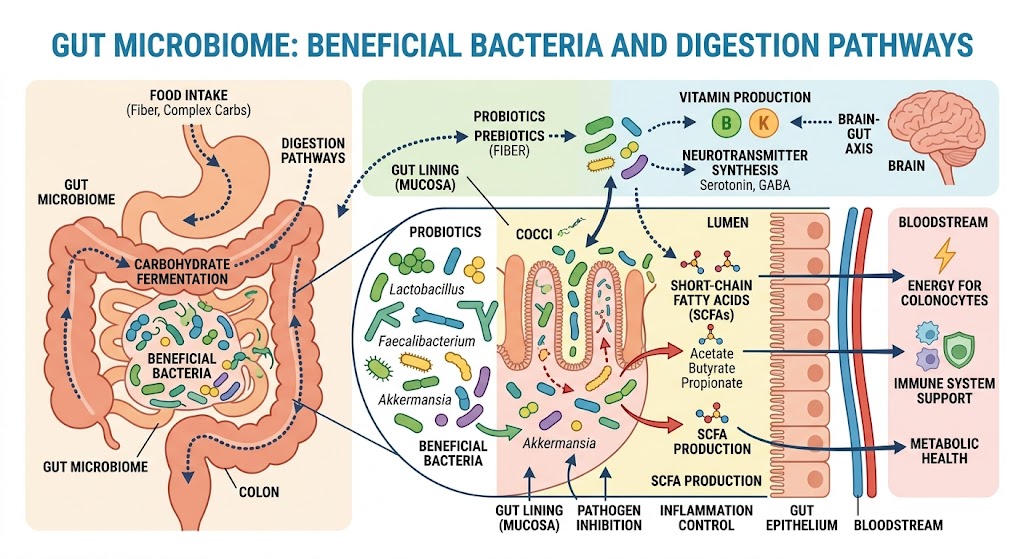
Probiotics for women gut health are live beneficial microorganisms that may support digestion, gut microbiome balance, and overall wellness when consumed in adequate amounts. They are commonly found in supplements and fermented foods such as yogurt, kefir, and kimchi.
First, your gut contains trillions of microbes that influence digestion, immunity, and nutrient absorption. Research suggests the human gut microbiome includes diverse bacteria that affect health outcomes — Source: NIH, 2023. When this ecosystem becomes imbalanced due to stress, antibiotics, poor diet, or illness, digestive symptoms may appear.
Second, probiotics work by introducing helpful strains that can support microbial balance. For example, Lactobacillus strains are often used for digestive and vaginal support, while Bifidobacterium strains are frequently studied for bowel regularity and IBS support.
The best probiotic for women’s gut health depends on the strain used, the symptoms being addressed, and consistent daily use.
Why Is Gut Health Important for Women’s Overall Wellness?
Gut health matters because the digestive system influences far more than digestion alone. A healthy gut may support immunity, hormone metabolism, mood, skin health, and inflammation balance.
Moreover, around 70% of the immune system is associated with the gut — Source: Harvard Health, 2022. This means a balanced microbiome may help support your body’s natural defenses.
In addition, the gut and brain communicate through the gut-brain axis. For example, chronic stress can trigger bloating, irregular bowel movements, or appetite changes. This is why many women notice digestive flare-ups during busy or stressful periods.
Plus, hormone changes during menstruation, pregnancy, perimenopause, or menopause can also affect digestion. Some women experience constipation before a period, while others notice bloating around hormonal shifts.
Gut health for women is not only about comfort—it is also about resilience, energy, and long-term wellness.
stress and digestion connection
best gut health foods for women
Which Probiotic Strains Are Best for Women’s Gut Health?
The best probiotic strains for women’s gut health are the strains that match your symptoms and goals. Here are some of the most commonly studied options.
Lactobacillus rhamnosus
Lactobacillus rhamnosus is commonly used for digestive and women’s health support. It is often included in formulas targeting bloating, immune support, and vaginal flora balance.
For example, some clinical studies suggest certain L. rhamnosus strains may help after antibiotic use — Source: Frontiers in Microbiology, 2022.
Lactobacillus acidophilus
Lactobacillus acidophilus is one of the best-known probiotic strains for digestion support. It is frequently used for bloating, regularity, and lactose digestion support.
Lactobacillus reuteri
Lactobacillus reuteri is commonly studied for gut and immune health. Some formulas also use it for oral and women’s wellness support.
Bifidobacterium lactis
Bifidobacterium lactis is often used for bowel regularity and immune support. It may help women who feel sluggish or irregular.
Bifidobacterium longum
Bifidobacterium longum is associated with digestive comfort and stress-related gut support. It is often included in formulas for sensitive digestion.
Saccharomyces boulardii
Saccharomyces boulardii is a beneficial yeast probiotic commonly used during or after antibiotics and travel-related digestive issues.
| Strain | Common Use | Best For |
|---|---|---|
| L. rhamnosus | Digestive + women’s wellness | Bloating, recovery |
| L. acidophilus | Digestion support | Daily use |
| L. reuteri | Gut + immune support | General wellness |
| B. lactis | Regularity | Constipation |
| B. longum | Comfort + stress digestion | Sensitive gut |
| S. boulardii | Recovery support | After antibiotics |
Lactobacillus and Bifidobacterium are two of the most commonly studied probiotic groups for digestive and women’s health support.
Can Probiotics Help Reduce Bloating and Improve Digestion in Women?
Probiotic supplements may help reduce bloating, improve bowel regularity, and support recovery after antibiotic use in some individuals. Results vary based on strain, dose, and consistency.
First, bloating can happen when gut bacteria ferment food inefficiently or when digestion slows down. Some probiotic strains may help restore balance and reduce gas production over time.
Second, probiotics may support stool consistency and regular bowel movements. For example, women with occasional constipation often benefit more from formulas containing Bifidobacterium lactis than random multi-strain blends.
That being said, probiotics are not instant fixes. If bloating comes from food intolerances, IBS, or hormonal causes, you may also need diet and lifestyle changes.
how to reduce bloating naturally
IBS diet tips for beginners
How Long Does It Take for Probiotics to Work for Gut Health?
Most women notice probiotic results within 2 to 8 weeks, depending on symptoms, strain choice, and consistency.
First, mild bloating or irregularity may improve within 1 to 3 weeks. For example, women taking a targeted daily probiotic with fiber support sometimes notice less discomfort within the first month.
Second, more complex issues like IBS symptoms or post-antibiotic recovery may take longer. Some studies on probiotics run for 8 to 12 weeks because microbiome changes are gradual — Source: World Gastroenterology Organisation, 2023.
Plus, missing doses regularly can slow progress. Daily consistency matters more than taking a supplement occasionally.
A probiotic works best when it is taken regularly and supported by healthy habits.
How Do You Choose the Best Probiotic Supplement for Women?
The best probiotic supplement for women combines researched strains, clear labeling, and a formula that matches your needs.
Check the Strains First
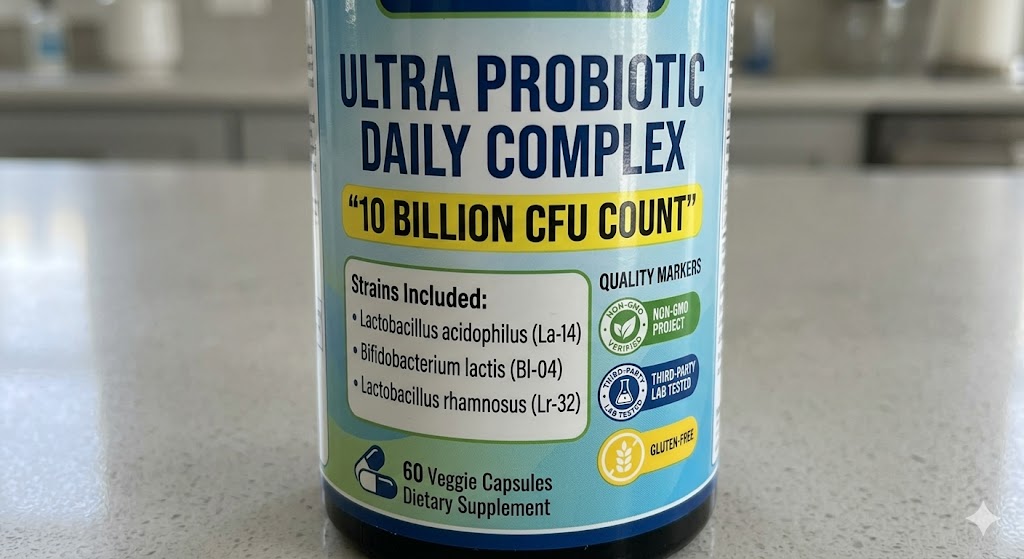
First, read the label for full strain names, not just species names. For example, Lactobacillus rhamnosus GG gives more useful information than simply “Lactobacillus.”
Ignore Mega CFU Marketing
Second, higher CFU counts are not always better. A well-studied 10 billion CFU product can outperform a random 100 billion CFU formula.
Look for Quality Features
Moreover, prioritize these features:
- Third-party testing
- Clear expiration date
- Storage instructions
- Allergen transparency
- Delayed-release capsules if needed
- Added prebiotics if tolerated
Match the Formula to Your Goal
For example:
- Bloating: digestive comfort strains
- Constipation: regularity-focused strains
- After antibiotics: recovery-focused formulas
- Daily wellness: balanced multi-strain formulas
Should Women Take Probiotics Daily for Long-Term Gut Health?
Many women can take probiotics daily, especially when using them for ongoing digestive support or recovery after disruption.
First, daily use may help maintain consistency in the gut environment. For example, women dealing with recurring bloating after meals often do better with routine use than stop-start use.
Second, you do not always need probiotics forever. Some women use them for 30 to 90 days during stressful periods, travel, antibiotic recovery, or diet changes.
That being said, rotating products too often can make it hard to know what works. It is smarter to test one evidence-based option long enough to evaluate results.
Are Probiotics Better from Foods or Supplements for Women?
Fermented foods provide natural beneficial bacteria, while supplements may offer targeted strains and standardized dosing. Both can be useful.
Best Food Sources
First, probiotic foods include:
- Yogurt with live cultures
- Kefir
- Kimchi
- Sauerkraut
- Miso
- Kombucha
For example, plain yogurt can be an easy breakfast option with protein and beneficial cultures.
When Supplements Make More Sense
Second, supplements are often better when you want a specific strain or convenient daily dose. They are also useful if you do not enjoy fermented foods.
Smartest Strategy
Moreover, many women do best using both: a fiber-rich diet plus a targeted supplement when needed.
fiber-rich foods for digestion
What Are the Side Effects of Probiotics for Women?
The most common side effects of probiotics are temporary gas, mild bloating, or digestive changes during the first few days.
First, these symptoms often happen as the gut adjusts. For example, starting with a lower dose or taking probiotics with food may improve comfort.
Second, some women should speak with a healthcare professional before use, including those who are:
- Immunocompromised
- Pregnant with medical complications
- Managing chronic GI disease
- Taking multiple medications
- Experiencing unexplained weight loss or bleeding
Plus, severe or persistent symptoms should not be self-treated with supplements alone.
Best Tools, Examples, and Practical Applications for Women Gut Health
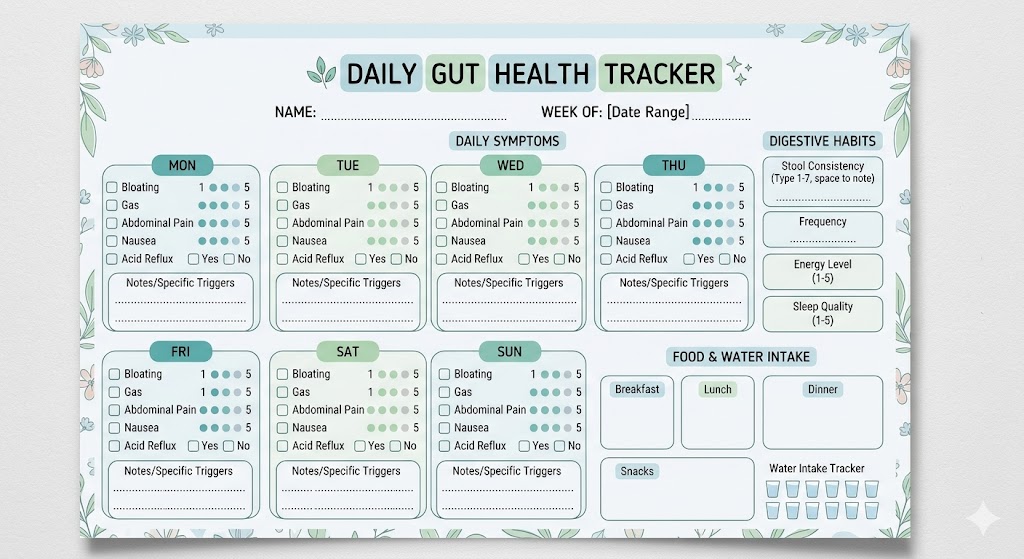
Practical tools help you measure whether a probiotic is actually working.
1. Symptom Tracker
First, track these daily markers:
- Bloating level (1–10)
- Bowel movement frequency
- Stool consistency
- Energy level
- Stress level
- Sleep quality
This can reveal patterns faster than guessing.
2. Beginner Buying Checklist
Second, ask these five questions:
- Does it list full strains?
- Is the brand transparent?
- Does it match my symptom?
- Is storage clear?
- Can I commit for 30 days?
3. Sample Routine
Moreover, try this simple routine:
- Morning: probiotic + breakfast
- Midday: hydration + fiber-rich lunch
- Evening: walk after dinner
- Night: consistent sleep schedule
What’s Next: 30-Day Gut Health Action Plan
A 30-day action plan helps you test probiotics systematically instead of randomly switching products.
Week 1: Start Simple
First, choose one probiotic that matches your top symptom. Begin daily use and log symptoms.
Week 2: Improve Food Quality
Second, add more fiber from oats, fruit, vegetables, beans, and seeds. Fiber feeds beneficial bacteria.
Week 3: Support Lifestyle Basics
Moreover, focus on hydration, movement, and sleep. Adults should aim for 7+ hours of sleep for health support — Source: CDC, 2023.
Week 4: Reassess Honestly
Finally, review your tracker. Ask:
- Is bloating lower?
- Am I more regular?
- Is digestion calmer?
- Should I continue, adjust, or seek help?
Conclusion
Probiotics for women gut health can be a smart tool when matched to the right symptoms, strains, and daily habits. The best product is not always the most expensive or the highest CFU formula—it is the one that fits your body and goals. Start with one evidence-based option, stay consistent for 30 days, and support it with fiber, hydration, movement, and stress management.
Written by: Suraj — Health & wellness blogger with 5+ years of experience creating evidence-based, reader-friendly content on supplements, digestion, and lifestyle health.
Reviewed by: Editorial Review Team — Wellness content reviewers focused on nutrition literacy, supplement safety, and consumer health education.
Disclaimer: This article was initially drafted using AI assistance. However, the content has undergone thorough revisions, editing, and fact-checking by human editors and subject matter experts to ensure accuracy.