
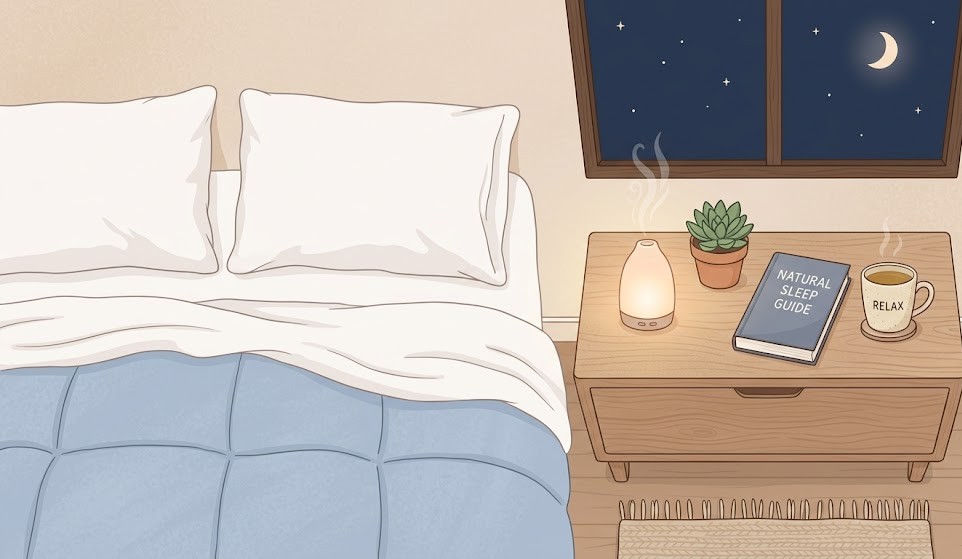
You probably already know that getting enough sleep is important for your health and energy levels. But many people struggle with sleep despite spending enough time in bed because they overlook the habits that influence sleep quality. In this guide, you’ll learn what sleep hygiene is, why it matters, and the most effective sleep hygiene tips you can use to build healthier, more restorative sleep.
Key Takeaways
- Sleep hygiene refers to daily habits and environmental factors that influence sleep quality and duration.
- Consistent sleep and wake times help regulate the body’s natural circadian rhythm.
- Healthy sleep hygiene practices can improve energy, focus, mood, and overall well-being.
- Bedroom conditions such as temperature, lighting, and noise significantly affect sleep quality.
- Limiting caffeine, alcohol, and screen exposure before bedtime supports better sleep.
- Stress-management techniques can reduce sleep disruptions and improve nighttime relaxation.
- Long-term consistency produces the greatest improvements in sleep quality and sleep health.
What Is Sleep Hygiene and Why Is It Important?
Sleep hygiene is the collection of daily habits, behaviors, and environmental factors that support consistent, high-quality sleep.
First, sleep hygiene includes everything from your bedtime routine and sleep schedule to your bedroom environment and lifestyle choices. These habits directly influence how easily you fall asleep, how often you wake during the night, and how rested you feel in the morning.
Moreover, sleep hygiene is different from sleep disorders. Sleep hygiene focuses on behaviors you can control, while sleep disorders such as insomnia or sleep apnea often require professional diagnosis and treatment. For example, a person who uses their phone in bed every night may improve sleep by changing habits, whereas someone with sleep apnea may need medical intervention.
According to the Centers for Disease Control and Prevention (CDC), adults generally need at least 7 hours of sleep per night for optimal health — Source: CDC, 2024.
How Does Sleep Hygiene Affect Sleep Quality?
Sleep hygiene affects sleep quality by influencing the body’s ability to fall asleep, stay asleep, and complete healthy sleep cycles.
For example, maintaining a regular bedtime helps reinforce your body’s internal sleep signals. In contrast, staying up late on weekends and sleeping in can disrupt those signals and make weekday sleep more difficult.
In addition, good sleep hygiene reduces environmental and behavioral disruptions that interfere with restorative sleep. This can lead to deeper sleep, better recovery, and improved daytime performance.
Good sleep hygiene involves maintaining a regular sleep schedule, creating a comfortable sleep environment, and avoiding behaviors that disrupt sleep.
sleep quality improvement strategies
Why Does Sleep Hygiene Matter?
Sleep hygiene matters because healthy sleep supports physical health, mental well-being, productivity, and long-term quality of life.
First, quality sleep helps regulate hormones, support immune function, and promote physical recovery. Research shows that inadequate sleep is associated with increased risks of obesity, heart disease, and type 2 diabetes — Source: American Heart Association, 2024.
Impact on Physical Health
Healthy sleep habits support recovery, metabolism, cardiovascular health, and immune function.
For example, athletes who prioritize sleep often experience improved recovery and performance compared with those who regularly sleep less than recommended amounts.
Impact on Mental Health
Sleep quality directly influences emotional regulation, stress levels, and mental performance.
According to the National Institute of Mental Health, poor sleep is linked to increased anxiety, depression symptoms, and reduced emotional resilience — Source: NIMH, 2024.
For example, even one night of poor sleep can affect concentration, mood stability, and decision-making abilities.
mental health and sleep connection
Productivity, Mood, and Energy Improvements
Consistent sleep improves focus, memory, creativity, and daily energy levels.
For example, students who maintain regular sleep schedules often demonstrate better academic performance and information retention than those with inconsistent sleeping patterns.
Quality sleep enhances daytime performance more effectively than relying on caffeine alone.
How Does Sleep Work? Understanding the Basics
Sleep works through the interaction of circadian rhythm, sleep drive, and repeating sleep cycles.
Understanding these mechanisms makes it easier to apply sleep hygiene practices effectively.
What Is Circadian Rhythm?
Circadian rhythm is the body’s internal clock that regulates sleep and wake cycles over a 24-hour period.
First, this biological clock responds primarily to light exposure. Morning sunlight helps signal wakefulness, while darkness encourages melatonin production.
For example, exposure to bright sunlight shortly after waking can help strengthen your natural sleep-wake schedule.
Circadian rhythm is the body’s internal clock that regulates sleep and wake cycles over a 24-hour period.
circadian rhythm explained
What Are Sleep Cycles?
Sleep cycles are repeating stages of light sleep, deep sleep, and REM sleep that occur throughout the night.
Most adults experience four to six sleep cycles per night. Each cycle typically lasts around 90 minutes and contributes to different recovery processes.
For example, deep sleep supports physical restoration, while REM sleep helps with memory consolidation and learning.
What Are Sleep Drive and Melatonin?
Sleep drive is the body’s increasing need for sleep, while melatonin is a hormone that helps signal bedtime.
Throughout the day, sleep pressure builds naturally. As evening approaches and light decreases, melatonin production increases, helping prepare the body for sleep.
A consistent bedtime and wake time help synchronize the body’s biological clock and improve sleep quality.
What Are the Most Effective Sleep Hygiene Tips?
The most effective sleep hygiene tips focus on consistency, environment optimization, healthy routines, and stress management.
Research from the National Sleep Foundation shows that regular sleep habits are among the strongest predictors of good sleep quality — Source: National Sleep Foundation, 2024.
| Sleep Hygiene Practice | Primary Benefit | Difficulty Level |
|---|---|---|
| Consistent sleep schedule | Better circadian alignment | Easy |
| Screen reduction | Faster sleep onset | Moderate |
| Bedroom optimization | Deeper sleep | Easy |
| Exercise | Improved sleep quality | Moderate |
| Stress management | Fewer awakenings | Moderate |
How Can a Consistent Sleep Schedule Improve Sleep?
A consistent sleep schedule improves sleep by strengthening circadian rhythm and reducing sleep irregularities.
First, try waking up at the same time every day, including weekends. This approach helps stabilize your body’s internal clock.
For example, waking at 7:00 AM daily creates predictable sleep signals that make bedtime easier.
How Can You Build a Healthy Bedtime Routine?
A healthy bedtime routine prepares the mind and body for sleep through relaxing activities.
Consider including activities such as:
- Reading a physical book
- Gentle stretching
- Deep breathing exercises
- Meditation
- Journaling
For example, spending 20 minutes reading before bed may reduce mental stimulation compared with scrolling social media.
Why Should You Avoid Screens Before Bed?
You should avoid screens before bed because blue light can delay melatonin production and disrupt sleep timing.
Research indicates that evening exposure to blue light can affect sleep onset and circadian rhythm regulation — Source: Harvard Medical School, 2024.
Exposure to blue light before bedtime can delay melatonin production and make it harder to fall asleep.
For example, replacing smartphone use with reading or relaxation exercises during the final hour before sleep may improve sleep onset.
What Is the Best Bedroom Environment for Sleep?
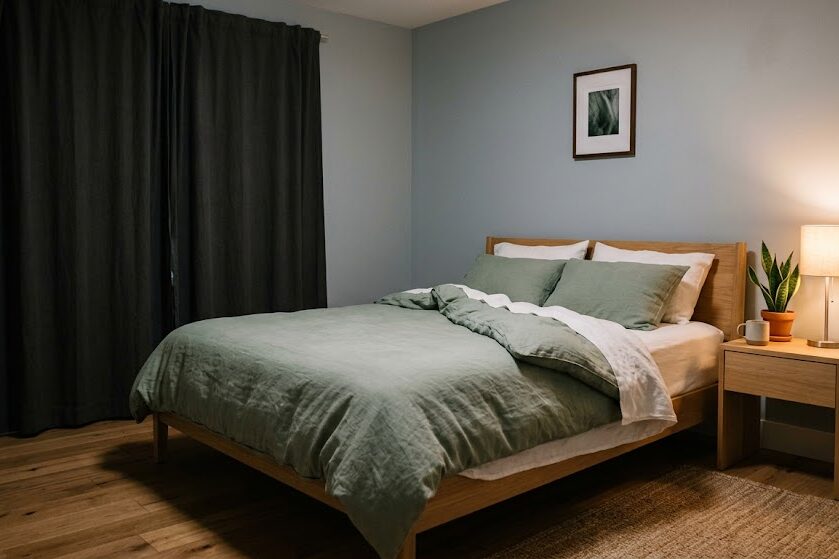
The best bedroom environment for sleep is cool, dark, quiet, and comfortable.
Most sleep experts recommend maintaining a bedroom temperature between 60°F and 67°F (15.5°C to 19.5°C) for optimal sleep comfort.
A cool, dark, and quiet bedroom environment supports deeper and more restorative sleep.
Bedroom Optimization Checklist
- Blackout curtains
- Comfortable mattress and pillow
- White noise machine if needed
- Minimal electronic devices
- Cool room temperature
How Do Caffeine and Alcohol Affect Sleep Quality?
Caffeine and alcohol affect sleep quality by interfering with natural sleep processes.
First, caffeine can remain active in the body for several hours. Many experts recommend avoiding caffeine at least 6-8 hours before bedtime.
Second, alcohol may initially increase drowsiness but often causes fragmented sleep later in the night.
For example, someone who drinks coffee at 6 PM may still experience sleep disruption at midnight.
Can Exercise Help You Sleep Better at Night?
Exercise helps you sleep better by supporting circadian rhythm, reducing stress, and increasing sleep quality.
According to the Sleep Foundation, regular physical activity is associated with improved sleep efficiency and reduced insomnia symptoms — Source: Sleep Foundation, 2024.
For example, a 30-minute brisk walk during the day can contribute to improved nighttime sleep.
yoga for better sleep
How Can Stress and Anxiety Affect Sleep?
Stress and anxiety affect sleep by increasing mental arousal and making relaxation more difficult.
First, stress activates the body’s alertness systems. This heightened state can delay sleep onset and increase nighttime awakenings.
Helpful techniques include:
- Meditation
- Progressive muscle relaxation
- Deep breathing
- Gratitude journaling
- Mindfulness exercises
What Common Sleep Hygiene Mistakes Should You Avoid?
Common sleep hygiene mistakes include irregular schedules, excessive naps, late-night screen use, alcohol consumption, and working in bed.
Irregular Sleep Schedules
First, constantly changing bedtime confuses your body’s internal clock. For example, sleeping at 10 PM on weekdays and 2 AM on weekends can create social jet lag.
Excessive Naps
Second, long daytime naps may reduce nighttime sleep drive. Experts often recommend limiting naps to 20-30 minutes when possible.
Late-Night Phone Use
Third, excessive nighttime phone use combines blue-light exposure with mental stimulation, making sleep more difficult.
Alcohol Before Bed
Fourth, alcohol often reduces sleep quality despite creating temporary drowsiness.
Working in Bed
Finally, working in bed weakens the mental association between bed and sleep. Over time, this can make falling asleep more difficult.
Your bed should primarily be associated with sleep and intimacy rather than productivity.
What Sleep Hygiene Tips Work Best for Different Lifestyles?
Different lifestyles require customized sleep hygiene strategies because schedules, responsibilities, and sleep challenges vary.
Sleep Hygiene for Students
Students benefit from:
- Consistent wake times
- Reduced late-night studying
- Limited caffeine consumption
- Structured bedtime routines
Sleep Hygiene for Remote Workers
Remote workers benefit from:
- Fixed work boundaries
- Morning sunlight exposure
- Dedicated workspaces
- Regular movement breaks
Sleep Hygiene for Shift Workers
Shift workers benefit from:
- Blackout curtains
- Strategic light exposure
- Consistent sleep windows
- Pre-sleep relaxation routines
Sleep Hygiene for Parents
Parents benefit from:
- Flexible routines
- Shared caregiving responsibilities
- Strategic napping when necessary
- Sleep prioritization during available opportunities
Sleep Hygiene for Older Adults
Older adults benefit from:
- Increased daytime activity
- Morning sunlight exposure
- Consistent schedules
- Reduced evening stimulation
What Sleep Tools and Practical Resources Can Improve Sleep?
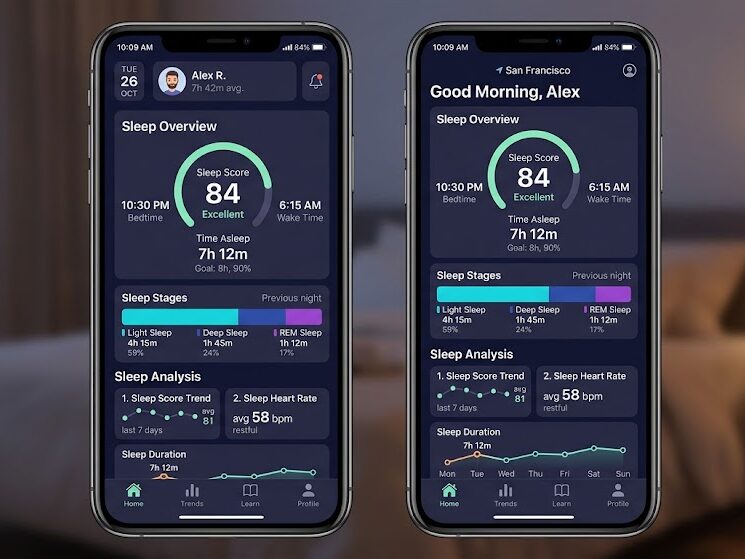
Sleep tools can support sleep hygiene by helping you monitor habits, reduce distractions, and improve consistency.
Sleep Tracking Apps
Popular sleep-tracking applications can help identify patterns in bedtime, wake times, and sleep duration.
White Noise Machines
White noise machines can mask environmental disruptions and create more consistent sleeping conditions.
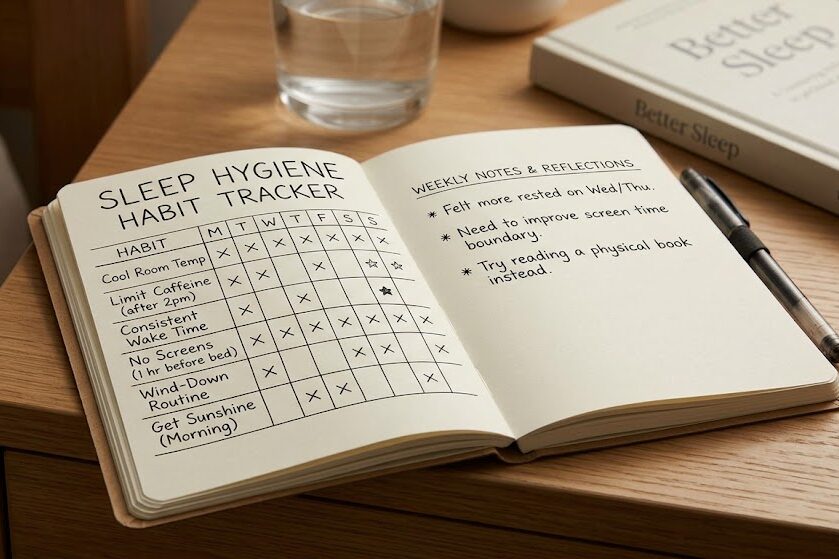
Sleep Journals
Sleep journals help track:
- Bedtimes
- Wake times
- Caffeine intake
- Exercise habits
- Sleep quality ratings
Blue-Light Management Tools
Useful options include:
- Blue-light filters
- Night mode settings
- Screen dimming applications
- Blue-light-blocking glasses
Relaxation Techniques
Helpful methods include:
- Box breathing
- Guided meditation
- Progressive muscle relaxation
- Visualization exercises
What’s Next: Creating a 7-Day Sleep Hygiene Plan
A 7-day sleep hygiene plan helps build consistency by focusing on small, sustainable improvements.
Day 1-2: Establish Your Sleep Schedule
- Choose a fixed bedtime
- Choose a fixed wake time
- Set reminders
Day 3-4: Improve Your Sleep Environment
- Reduce noise
- Adjust room temperature
- Remove unnecessary electronics
Day 5: Reduce Screen Exposure
- Stop screens 60 minutes before bed
- Replace scrolling with reading
Day 6: Add Relaxation Practices
- Try meditation
- Practice breathing exercises
- Begin journaling
Day 7: Review and Adjust
- Evaluate sleep quality
- Track improvements
- Identify obstacles
Daily Sleep Hygiene Checklist
- Wake up at the same time
- Get morning sunlight
- Exercise regularly
- Limit caffeine late in the day
- Avoid excessive naps
- Reduce screen exposure
- Follow a relaxing bedtime routine
How Long Does It Take for Sleep Hygiene Habits to Improve Sleep?
Sleep hygiene improvements often produce the best results when practiced consistently over several weeks.
Some people notice improvements within a few days, while others may require several weeks of consistent implementation.
For example, reducing evening screen use may improve sleep onset quickly, while circadian rhythm adjustments often take longer.
Conclusion
Sleep hygiene is one of the most effective natural strategies for improving sleep quality, energy, and overall well-being.
By maintaining a consistent sleep schedule, optimizing your sleep environment, limiting evening stimulation, and managing stress effectively, you can create conditions that support deeper and more restorative sleep.
Remember that consistency matters more than perfection. Start with one or two sleep hygiene habits today, practice them regularly, and gradually build a healthy sleep routine that supports your long-term health.
FAQ
What is sleep hygiene?
Sleep hygiene refers to healthy habits and environmental practices that help improve sleep quality and promote consistent, restful sleep.
Why is sleep hygiene important?
Good sleep hygiene can improve sleep quality, energy levels, mood, focus, and overall physical and mental health.
What are the best sleep hygiene tips?
Maintain a consistent sleep schedule, limit screen time before bed, create a comfortable sleep environment, and avoid caffeine late in the day.
How can I fall asleep faster naturally?
Try relaxing bedtime routines, reducing light exposure, keeping your bedroom cool, and avoiding stimulating activities before sleep.
Does screen time affect sleep?
Yes, blue light from phones, tablets, and computers may interfere with melatonin production and make it harder to fall asleep.
What foods and drinks should I avoid before bed?
Caffeine, alcohol, large meals, and sugary foods close to bedtime may disrupt sleep quality.
What is the ideal bedroom environment for sleep?
A cool, dark, quiet, and comfortable room is generally considered best for quality sleep.
How many hours of sleep do adults need?
Most adults need between 7 and 9 hours of sleep each night for optimal health and recovery.
Can exercise improve sleep quality?
Yes, regular physical activity may help you fall asleep faster and enjoy deeper, more restful sleep.
How long does it take to improve sleep hygiene?
Some people notice improvements within a few days, while lasting sleep habit changes may take several weeks of consistency.