

Walking is already one of the easiest ways to stay active, but most people never realize how much more effective it can become with a simple change in pace. Japanese interval walking transforms ordinary walks into a science-backed fitness routine that may improve endurance, fat loss, and heart health faster than steady walking alone. In this guide, you’ll learn exactly how Japanese interval walking works, its proven benefits, and how to start the routine step by step.
Key Takeaways
- Japanese interval walking is a structured walking method that alternates periods of fast walking with slower recovery walking.
- Interval walking training was developed in Japan as a low-impact exercise strategy for improving cardiovascular health, mobility, and endurance.
- Fast walking intervals increase heart rate and calorie burn more effectively than steady-paced walking alone.
- The standard Japanese interval walking routine uses 3 minutes of brisk walking followed by 3 minutes of slower recovery walking.
- Consistent interval walking can support weight management, blood sugar control, muscle strength, and healthy aging.
- Japanese interval walking workouts require no gym equipment, making them accessible for beginners, older adults, and busy professionals.
- Consistency and gradual progression matter more than walking speed alone when building long-term fitness habits.
What Is Japanese Interval Walking and How Does It Work?
Japanese interval walking is a structured walking method that alternates periods of fast walking with slower recovery walking. The method is commonly known as Interval Walking Training (IWT) and was developed by Japanese researchers as a low-impact exercise strategy for improving cardiovascular fitness and mobility.
Moreover, the basic concept is simple. You alternate between 3 minutes of brisk walking and 3 minutes of relaxed walking for about 30 minutes. This repeated change in pace challenges your heart, lungs, and muscles more effectively than walking at one constant speed.
“A standard Japanese interval walking workout typically uses 3 minutes of fast walking followed by 3 minutes of slower walking.”
For example, during the fast interval, you should walk quickly enough that speaking full sentences feels difficult. During the recovery interval, your pace slows enough to comfortably catch your breath before the next round begins.
Research from Japanese scientists at Shinshu University found that interval walking improved fitness, blood pressure, and leg strength more effectively than moderate continuous walking — Source: Shinshu University, 2007.
What Is Interval Walking Training (IWT)?
Interval Walking Training (IWT) is a walking-based cardio method that alternates higher-intensity and lower-intensity walking periods. Unlike running or traditional HIIT workouts, interval walking places less stress on the joints while still increasing heart rate and calorie expenditure.
Additionally, interval walking uses intensity changes to stimulate cardiovascular adaptation. For example, your body works harder during brisk intervals, then partially recovers during slower periods. This repeated cycle improves endurance over time.
How Is Japanese Interval Walking Different From Regular Walking?
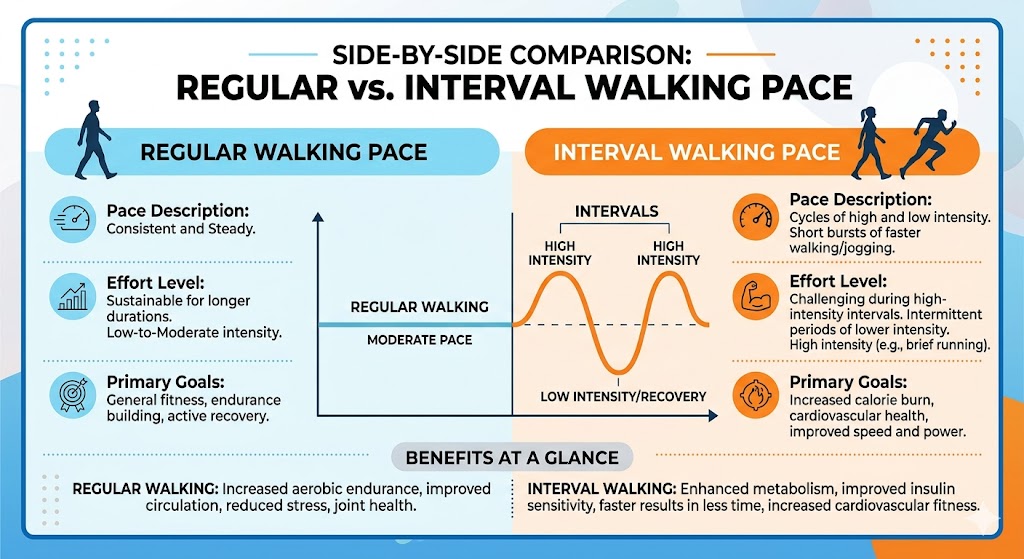
Japanese interval walking differs from regular walking because it intentionally changes intensity levels throughout the workout. Regular walking usually maintains the same pace from start to finish.
By contrast, interval walking creates periods of cardiovascular challenge followed by active recovery. This structure may improve stamina and calorie burn more efficiently.
| Walking Type | Pace Structure | Intensity | Calorie Burn Potential | Joint Impact |
|---|---|---|---|---|
| Regular Walking | Steady pace | Low to moderate | Moderate | Low |
| Japanese Interval Walking | Alternating fast + slow | Moderate to high | Higher | Low |
| Running | Continuous high pace | High | High | Moderate to high |
Furthermore, interval walking feels more manageable for beginners than running because recovery periods reduce fatigue.
Why Is Japanese Interval Walking Becoming So Popular?
Japanese interval walking is becoming popular because it combines simplicity, accessibility, and science-backed fitness benefits. Many people want effective exercise routines that do not require gyms, expensive equipment, or high-impact movements.
Additionally, modern lifestyles are increasingly sedentary. According to the World Health Organization, over 1.8 billion adults worldwide do not meet recommended physical activity levels — Source: WHO, 2024.
As such, low-impact exercise methods are gaining attention. Japanese interval walking fits perfectly into this trend because nearly anyone can perform it outdoors or on a treadmill.
“Japanese interval walking may burn more calories and improve heart health more effectively than steady-paced walking alone.”
Why Low-Impact Cardio Matters
Low-impact cardio is important because it reduces stress on joints while still improving heart and metabolic health. Many beginners avoid exercise because running or intense workouts feel intimidating or painful.
For example, people with knee discomfort often struggle with jumping exercises or sprinting. Interval walking provides cardiovascular benefits without excessive joint impact.
In addition, low-impact cardio improves long-term exercise adherence. Research shows sustainable exercise habits matter more than short bursts of extreme training — Source: American Heart Association, 2023.
best low-impact cardio workouts
Why Fitness Experts Recommend Walking More
Walking is one of the most sustainable forms of exercise because it requires minimal skill, equipment, or recovery time. Unlike complex workout routines, walking fits naturally into daily life.
For example, busy professionals can perform interval walking during lunch breaks, while older adults can use it as a safer alternative to jogging.
Moreover, walking-based exercise has been associated with lower cardiovascular disease risk and improved longevity — Source: Harvard Health Publishing, 2024.
What Are the Benefits of Japanese Interval Walking?
Japanese interval walking improves cardiovascular fitness, endurance, calorie burning, mobility, and metabolic health. Its structured intensity changes create stronger fitness adaptations than steady walking alone.
“Consistent interval walking can support weight management, blood sugar control, and healthy aging.”
Can Japanese Interval Walking Help With Weight Loss?
Japanese interval walking can support weight loss by increasing calorie expenditure and improving metabolic activity. Fast walking intervals elevate heart rate more than casual walking, which may increase overall energy burn.
For example, brisk walking intervals activate larger muscle groups and require more oxygen consumption. This higher effort can improve fat utilization during and after workouts.
Additionally, interval-style exercise may improve insulin sensitivity. Improved blood sugar regulation supports long-term weight management — Source: Mayo Clinic, 2024.
beginner fat loss workout plan
How Does Interval Walking Improve Heart Health?
Interval walking improves heart health by repeatedly challenging and recovering the cardiovascular system. This process strengthens the heart and improves oxygen delivery efficiency.
Furthermore, brisk walking intervals can raise aerobic capacity over time. Improved aerobic fitness is strongly linked to lower mortality risk — Source: Journal of the American College of Cardiology, 2023.
Can Japanese Interval Walking Improve Longevity?
Japanese interval walking may support healthy aging by preserving mobility, cardiovascular function, and muscle strength. Walking consistently helps maintain independence as people age.
For example, older adults who perform regular walking exercise often experience better balance, stamina, and daily movement capacity.
Research also suggests walking regularly lowers risks associated with chronic diseases and sedentary lifestyles — Source: CDC, 2024.
Does Interval Walking Build Muscle and Mobility?
Interval walking strengthens lower-body muscles because brisk walking requires greater muscular engagement than casual strolling. Fast intervals challenge the calves, glutes, hamstrings, and core.
Additionally, walking uphill or increasing pace can further improve lower-body endurance and mobility.
How Do You Start Japanese Interval Walking as a Beginner?
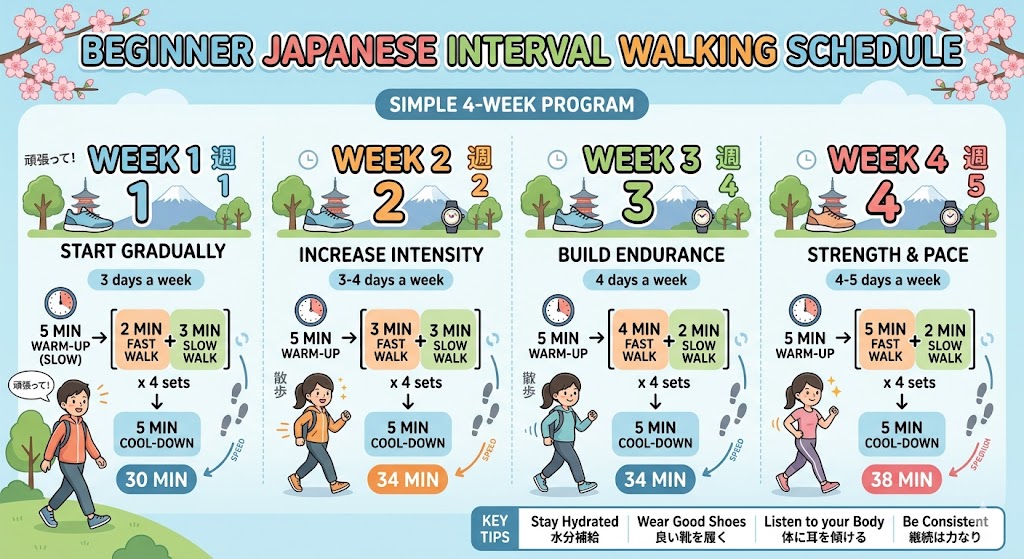
Beginners can start Japanese interval walking by alternating 3 minutes of brisk walking with 3 minutes of slower walking for 20-30 minutes. The key is gradual progression rather than maximum speed.
Step 1: Warm Up Properly
A warm-up prepares the muscles and cardiovascular system for exercise. Walking slowly for 5 minutes before intervals reduces injury risk and improves performance.
For example, you can begin with easy walking and light ankle movements before increasing pace.
Step 2: Follow the Correct 3-Minute Interval Walking Method
The standard Japanese interval walking method uses repeated cycles of fast and slow walking.
A beginner session typically looks like this:
- Walk slowly for 5 minutes
- Walk briskly for 3 minutes
- Walk slowly for 3 minutes
- Repeat the cycle 4-5 times
- Cool down for 5 minutes
During brisk intervals, your breathing should noticeably increase. However, you should still maintain control and proper posture.
3 min fast walking+3 min slow walking3\text{ min fast walking} + 3\text{ min slow walking}3 min fast walking+3 min slow walking
Step 3: Use the Right Walking Intensity
Proper walking intensity matters more than walking speed alone. Fast intervals should feel challenging but sustainable.
For example:
- Slow interval = comfortable conversation pace
- Fast interval = difficult to hold long conversations
This pacing system helps beginners avoid overtraining.
Beginner Weekly Schedule
A beginner-friendly interval walking schedule includes 3-5 sessions per week.
| Week | Sessions Per Week | Workout Duration |
|---|---|---|
| Week 1 | 3 sessions | 20 minutes |
| Week 2 | 4 sessions | 25 minutes |
| Week 3 | 4-5 sessions | 30 minutes |
| Week 4 | 5 sessions | 30-40 minutes |
Is Japanese Interval Walking Better Than Regular Walking?
Japanese interval walking is often more effective than regular walking for improving fitness and endurance because it uses changing intensity levels. However, the best option depends on your goals and consistency.
Japanese Interval Walking vs Steady Walking
Interval walking increases cardiovascular demand more than steady walking. This increased challenge may improve stamina and calorie burn more quickly.
For example, brisk intervals force the body to adapt to higher effort levels repeatedly.
Japanese Interval Walking vs HIIT
Japanese interval walking provides some benefits similar to HIIT while remaining easier on the joints. Traditional HIIT workouts often involve jumping, sprinting, or explosive exercises.
By contrast, interval walking maintains a lower injury risk while still increasing heart rate.
Which Walking Style Is More Sustainable?
Japanese interval walking is highly sustainable because it balances challenge with recovery. Many people quit intense workout plans because they feel exhausted or overwhelmed.
Additionally, interval walking can become a long-term lifestyle habit rather than a temporary fitness challenge.
How Many Times Per Week Should You Do Interval Walking?
Most beginners should perform Japanese interval walking 3-5 times per week. This frequency provides enough stimulus for progress while allowing recovery.
Moreover, consistency matters more than workout intensity. Walking regularly produces better long-term results than occasional extreme workouts.
For example, three weekly 30-minute sessions are more sustainable than one exhausting session.
The Physical Activity Guidelines for Americans recommend at least 150 minutes of moderate exercise weekly — Source: U.S. Department of Health & Human Services, 2024.
Is Japanese Interval Walking Safe for Older Adults?
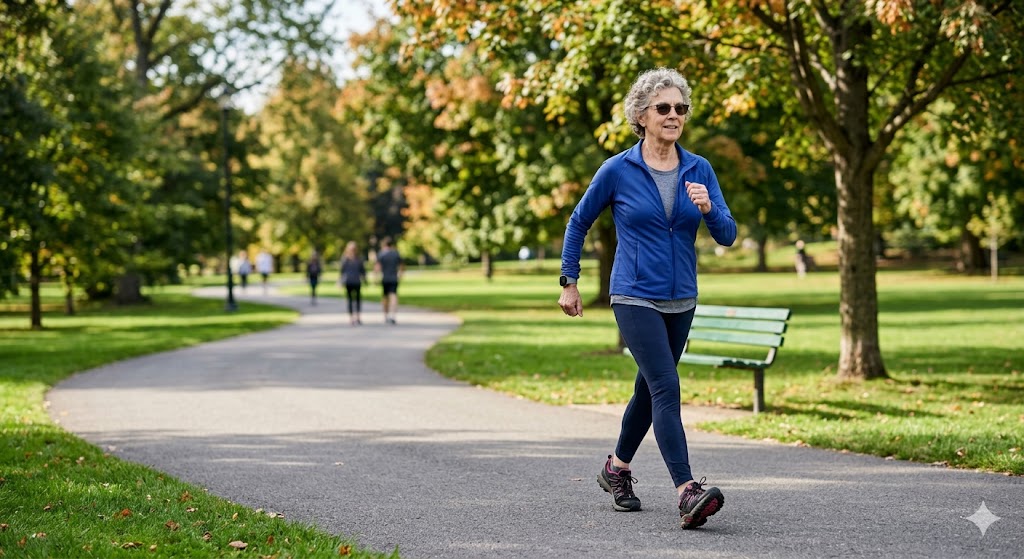
Japanese interval walking is generally safe for older adults because it is low-impact and adaptable to different fitness levels. However, individuals with medical conditions should consult healthcare professionals before starting any new exercise routine.
Why Older Adults Benefit From Interval Walking
Older adults benefit from interval walking because it supports balance, endurance, and mobility. Walking also helps preserve independence and daily movement capacity.
For example, brisk walking intervals may improve leg strength and walking efficiency over time.
Safety Tips for Beginners and Seniors
Safe interval walking requires proper pacing, posture, and footwear.
Important safety tips include:
- Start slowly during the first two weeks
- Wear supportive walking shoes
- Avoid overexertion during fast intervals
- Stay hydrated
- Walk on safe, even surfaces
What Mistakes Should Beginners Avoid During Interval Walking?
Beginners should avoid pacing mistakes, poor recovery habits, and excessive intensity during interval walking workouts. Small technique errors can reduce workout effectiveness or increase fatigue.
Walking Too Fast During Recovery Intervals
Recovery intervals should feel relaxed and controlled. Many beginners accidentally maintain high intensity throughout the session.
For example, slowing down properly helps your heart rate partially recover before the next brisk interval.
Skipping Warm-Ups
Skipping warm-ups increases injury risk and reduces performance quality. Even short walking sessions benefit from gradual preparation.
Wearing Poor Footwear
Supportive shoes improve walking comfort and reduce joint stress. Shoes with proper cushioning help maintain good posture and reduce fatigue.
What Shoes and Fitness Tools Are Best for Interval Walking?
The best interval walking tools improve pacing, comfort, and workout tracking. Technology can make interval walking more structured and motivating.
Best Apps for Interval Walking
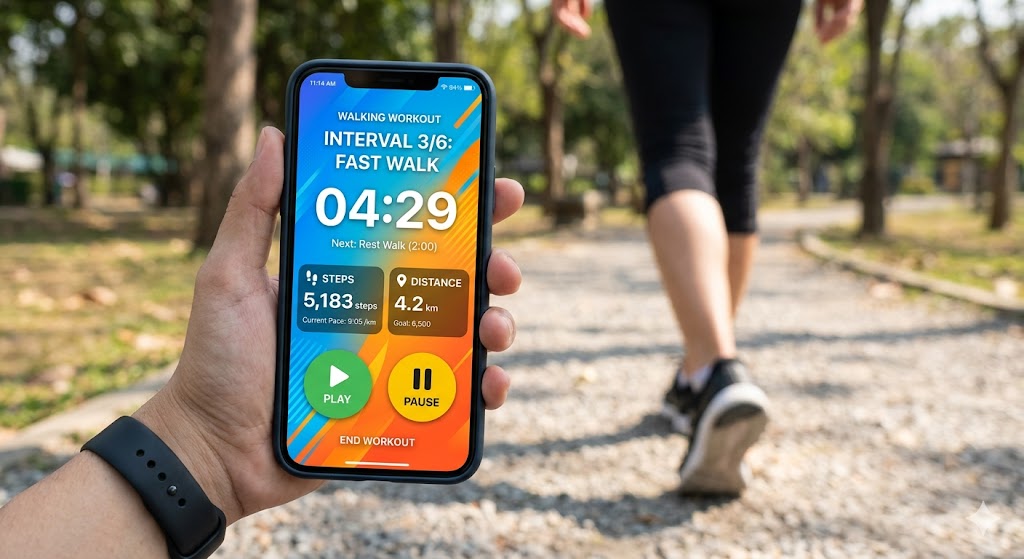
Interval timer apps help automate walking and recovery periods.
Popular options include:
- Interval Timer
- Seconds Pro
- Nike Run Club
- Apple Fitness
- Google Fit
Best Fitness Trackers for Walking
Fitness trackers help monitor heart rate, pace, and step counts during interval walking.
Popular choices include:
- Apple Watch
- Fitbit
- Garmin Forerunner
- Samsung Galaxy Watch
What Shoes Work Best for Interval Walking?
Walking shoes should provide cushioning, stability, and flexibility. Comfortable footwear supports longer walking sessions and proper gait mechanics.
For example, lightweight walking shoes with arch support often improve comfort during brisk intervals.
How Long Does It Take to See Results From Interval Walking?
Most people notice early fitness improvements from interval walking within 2-4 weeks of consistent training. Results depend on workout frequency, intensity, nutrition, and overall activity levels.
For example, beginners often experience improved stamina and easier breathing first. Weight-loss changes usually appear more gradually.
Additionally, consistent walking can improve mood, energy levels, and sleep quality before visible physical changes occur.
What’s Next After Mastering Japanese Interval Walking?
After mastering Japanese interval walking, you can gradually increase intensity or combine walking with strength training for better long-term fitness. Progression should remain gradual and sustainable.
Add Strength Training Gradually
Strength training complements interval walking by improving muscle mass and metabolism. Simple bodyweight exercises can significantly improve overall fitness.
For example, adding squats, lunges, or push-ups 2-3 times weekly builds strength alongside cardio endurance.
simple home exercises for beginners
Use Interval Walking for Long-Term Weight Management
Interval walking works best when treated as a lifestyle habit rather than a short-term challenge. Sustainable movement patterns produce better long-term results.
Additionally, combining walking with balanced nutrition improves recovery and energy levels.
best foods for workout recovery
Progress Intensity Safely
Safe progression involves increasing duration or walking pace gradually over time. Avoid dramatic increases in workout intensity.
For example, you can extend brisk intervals from 3 minutes to 4 minutes after several consistent weeks.
Conclusion
Japanese interval walking is a simple, science-backed walking method that alternates fast and slow walking intervals to improve cardiovascular fitness, endurance, and overall health. Its biggest advantage is accessibility. Nearly anyone can start without expensive equipment or advanced fitness experience.
Moreover, consistency matters more than perfection. Even short interval walking sessions performed regularly can improve stamina, mobility, and long-term health over time.
By building a sustainable walking habit today, you can improve your fitness without overwhelming workouts or complicated routines. Start with one walk, stay patient with your progress, and let consistency create the results.
FAQ
What is Japanese interval walking?
Japanese interval walking is a walking method that alternates between fast-paced walking and slower recovery walking in timed intervals.
How does Japanese interval walking work?
The routine usually involves walking fast for a few minutes followed by slower walking, repeated in cycles during the workout.
What are the benefits of Japanese interval walking?
It may help improve cardiovascular fitness, support fat loss, boost endurance, and promote healthy aging.
Can Japanese interval walking help with weight loss?
Yes, the alternating intensity may increase calorie burning and support fat-loss goals.
Is Japanese interval walking good for beginners?
Yes, it is beginner-friendly and can be adjusted based on fitness level and walking speed.
How long should a Japanese interval walking session last?
Many routines last around 20–30 minutes, depending on fitness goals and experience.
Do you need equipment for Japanese interval walking?
No, comfortable walking shoes and a safe walking area are usually all you need.
How often should you do Japanese interval walking?
Many people practice it 3–5 times per week for fitness and health benefits.
Can Japanese interval walking improve longevity?
Regular walking and interval-based exercise may support heart health, mobility, and healthy aging.
What is the difference between regular walking and Japanese interval walking?
Japanese interval walking alternates between higher and lower intensity periods, while regular walking usually maintains a steady pace.