
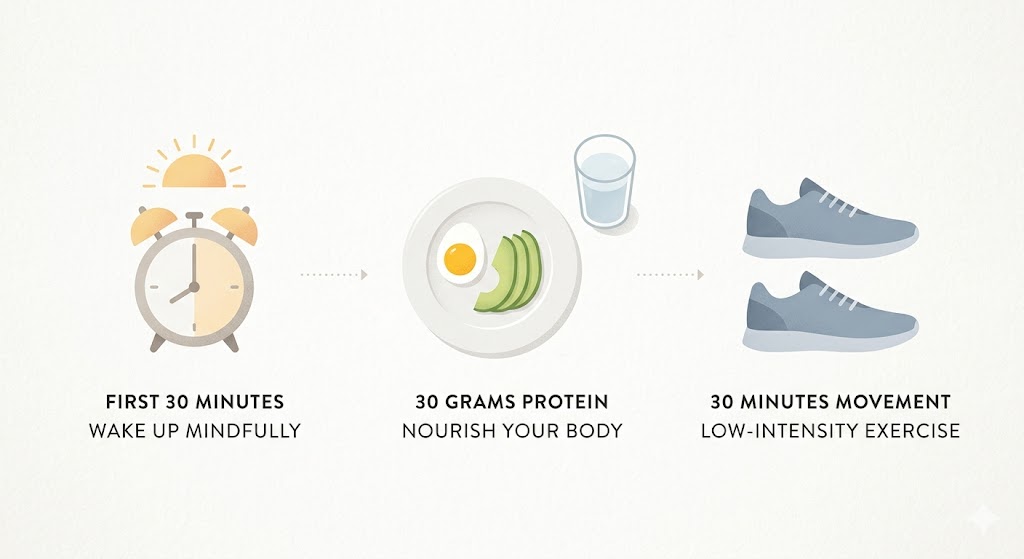
Most people already know that breakfast and exercise matter, but many still struggle with low energy, cravings, and inconsistent healthy habits. The missing piece is often structure and timing rather than motivation alone. In this guide, you’ll learn exactly how the 30 30 30 morning routine works, why it became so popular, and how to use it effectively for energy, metabolism, and sustainable wellness.
Key Takeaways
- The 30-30-30 morning routine involves consuming 30 grams of protein within 30 minutes of waking and completing 30 minutes of low-intensity exercise.
- High-protein breakfasts can help reduce cravings, improve satiety, and stabilize energy levels throughout the day.
- Low-intensity morning movement supports fat metabolism without placing excessive stress on the body early in the day.
- Consistency matters more than perfection when building a sustainable morning wellness routine.
- Beginner-friendly exercises such as walking, cycling, or yoga work well for the 30-30-30 method.
- Poor sleep, inadequate protein intake, and overly intense workouts are common mistakes that reduce the effectiveness of the routine.
- Habit tracking and meal preparation can make the 30-30-30 routine easier to maintain long term.
What Is the 30-30-30 Morning Routine?
The 30 30 30 morning routine is a wellness method that involves eating 30 grams of protein within 30 minutes of waking up and then completing 30 minutes of low-intensity exercise.
First, the routine became popular through wellness podcasts, TikTok creators, and metabolic health discussions. Many people now use the 30-30-30 weight loss routine as a simple structure for improving energy, appetite control, and morning consistency.
Moreover, the method focuses on sustainability instead of extreme dieting. Unlike restrictive fitness trends, the 30 30 30 method combines nutrition and movement in a way that feels manageable for beginners.
“The 30-30-30 morning routine involves consuming 30 grams of protein within 30 minutes of waking and completing 30 minutes of low-intensity exercise.”
For example, a typical morning could look like this:
| Time | Activity | Example |
|---|---|---|
| Within 30 minutes of waking | Eat 30g protein | Eggs, Greek yogurt, protein shake |
| Next 30 minutes | Low-intensity movement | Walking, cycling, yoga |
| After routine | Continue normal day | Work, school, errands |
Additionally, many wellness experts recommend combining the routine with proper hydration and sleep. Adults who sleep fewer than 7 hours often experience worse appetite regulation — Source: CDC, 2024.
Why Does the 30-30-30 Morning Routine Matter?
The 30-30-30 routine matters because it combines nutrition timing and movement to support stable energy, appetite control, and long-term healthy habits.
First, protein intake early in the morning may improve satiety. Protein digestion takes longer than refined carbohydrates, which can help you feel fuller for longer periods.
“Protein consumption early in the morning may help increase satiety and reduce hunger cravings throughout the day.”
For example, eating a sugary pastry for breakfast may cause a quick energy spike followed by a crash. In contrast, a high-protein breakfast with eggs and Greek yogurt provides slower, steadier energy.
Second, low-intensity cardio in the morning can support blood sugar balance and metabolic flexibility. Research shows that light movement after waking may improve insulin sensitivity — Source: American Diabetes Association, 2024.
Additionally, structured morning habits improve consistency. According to behavioral research, routines reduce decision fatigue and increase habit adherence — Source: University College London, 2023.
“Morning routines that combine nutrition and physical activity may improve adherence to long-term wellness goals.”
At the same time, the routine works well for busy adults because it removes complexity. Instead of following confusing fitness trends, you simply focus on:
- Protein
- Movement
- Consistency
- Recovery
- Sustainable habits
How Does the 30-30-30 Method Work for Weight Loss?
The 30-30-30 method works for weight loss by supporting satiety, stable energy levels, and sustainable calorie control through protein intake and light movement.
First, protein naturally increases fullness. Studies show protein-rich meals may reduce hunger hormones and help control overeating later in the day — Source: Harvard Health, 2024.
For example, a breakfast with 30 grams of protein could reduce mid-morning snack cravings compared to a cereal-heavy breakfast.
Second, low-intensity cardio helps increase daily calorie expenditure without exhausting the body. Walking, incline treadmill sessions, or cycling are easier to maintain consistently than intense daily workouts.
“High-protein breakfasts combined with light morning movement can support sustainable weight-management habits.”
Moreover, low-intensity exercise may help your body rely more on fat oxidation during activity. This is one reason the morning fat loss routine trend became popular online.
That being said, the routine is not magic. Weight loss still depends on overall calorie balance, sleep quality, stress management, and long-term consistency.
Why Is Protein Important Within 30 Minutes of Waking Up?
Protein intake shortly after waking helps provide amino acids for muscle maintenance and supports fullness throughout the morning.
First, your body has gone several hours without food during sleep. Morning protein intake helps replenish nutrients and reduce excessive hunger later in the day.
For example, many people who skip breakfast experience stronger afternoon cravings or energy crashes.
Additionally, protein has a higher thermic effect than carbohydrates or fats. This means your body uses more energy digesting protein foods.
According to the International Food Information Council, high-protein breakfasts are associated with improved appetite management — Source: IFIC, 2024.
What Foods Help You Reach 30 Grams of Protein Quickly?
Foods that help you reach 30 grams of protein quickly include eggs, Greek yogurt, protein smoothies, cottage cheese, tofu, and high-protein oats.
First, convenience matters for consistency. Simple breakfasts are easier to maintain during busy mornings.
Best High-Protein Breakfast Ideas
| Breakfast | Approximate Protein |
|—|—|—|
| 3 eggs + Greek yogurt | 30-35g |
| Protein smoothie with whey | 30g |
| Cottage cheese bowl | 28-32g |
| Overnight oats with protein powder | 30g |
| Tofu scramble with soy milk | 30g |
| Greek yogurt + nuts + chia | 30g |
For example, a smoothie with whey protein, banana, oats, and peanut butter can provide quick nutrition for busy professionals.
Vegetarian and Vegan Protein Options
Vegetarian and vegan eaters can still follow the 30 30 30 diet plan successfully.
Good plant-based options include:
- Tofu
- Tempeh
- Soy milk
- Pea protein powder
- Lentils
- Chia seeds
- Edamame
Additionally, combining multiple plant proteins improves amino acid balance.

What Counts as Low-Intensity Exercise in the 30-30-30 Routine?
Low-intensity exercise in the 30-30-30 routine includes walking, cycling, yoga, mobility work, and other activities that keep your heart rate moderate.
“Low-intensity exercise in the 30-30-30 method typically includes walking, cycling, yoga, or other activities that keep the heart rate moderate.”
First, the goal is movement rather than exhaustion. You should still be able to hold a conversation during the activity.
Best Low-Intensity Cardio Options
The best low intensity cardio morning activities are easy to sustain consistently.
Popular choices include:
- Outdoor walking
- Incline treadmill walking
- Stationary cycling
- Yoga flows
- Mobility exercises
- Light swimming
For example, a 30-minute brisk walk after breakfast can improve circulation and increase daily step count without creating excessive fatigue.
walking benefits for fat loss
What Exercises Should You Avoid Immediately After Waking?
High-intensity exercise immediately after waking may feel stressful for some beginners.
Activities to avoid early in the morning may include:
- Sprint intervals
- Heavy powerlifting
- Exhaustive HIIT circuits
- Intense endurance training without fueling
Additionally, cortisol levels are naturally higher in the morning. Excessive training intensity may feel harder when paired with poor sleep or under-eating.
Can Beginners Follow the 30-30-30 Morning Routine Successfully?
Beginners can follow the 30-30-30 morning routine successfully because the method prioritizes simplicity and consistency over perfection.
First, the routine does not require advanced fitness knowledge. Most beginners can start with walking and basic high-protein meals.
For example, you can begin with:
- Wake up
- Drink water
- Eat protein
- Walk for 30 minutes
That simple structure alone creates momentum.
Moreover, beginners should focus on habit consistency instead of rapid results. Research shows habit formation may take several weeks depending on the behavior — Source: European Journal of Social Psychology, 2023.
Beginner Timeline Example
| Week | Focus |
|---|---|
| Week 1 | Build wake-up consistency |
| Week 2 | Improve breakfast quality |
| Week 3 | Add daily walking |
| Week 4 | Track energy and cravings |
beginner morning workout routine
What Are the Proven Benefits of the 30-30-30 Method?
The 30-30-30 routine benefits include improved appetite control, stable energy, sustainable fitness habits, and potentially better metabolic health.
First, structured mornings improve consistency. Consistency is one of the strongest predictors of long-term wellness success.
Second, protein-rich breakfasts may reduce late-night snacking. This can indirectly support healthier calorie intake throughout the day.
Third, low-intensity exercise improves movement adherence. Walking routines are easier to maintain than aggressive fitness programs.
According to the World Health Organization, regular physical activity reduces the risk of several chronic diseases — Source: WHO, 2024.
Key Benefits at a Glance
- Better energy stability
- Reduced cravings
- Improved focus
- Sustainable exercise habits
- Increased daily movement
- Better appetite management
- More structured mornings
“The 30-30-30 routine focuses on consistency and metabolic support rather than extreme dieting or intense workouts.”
Does the 30-30-30 Routine Improve Metabolism and Blood Sugar Levels?
The 30-30-30 routine may support metabolism and blood sugar regulation by combining protein intake with low-intensity movement early in the day.
First, protein slows digestion compared to refined carbohydrates. This may help stabilize blood glucose responses after breakfast.
Second, morning movement helps muscles utilize glucose more efficiently. Even walking can improve post-meal blood sugar control.
For example, studies show walking after meals may reduce blood glucose spikes — Source: Diabetes Care Journal, 2024.
Additionally, the routine encourages consistent meal timing and activity patterns. Stable routines often improve long-term adherence to healthy behaviors.
That being said, the routine is not a medical treatment. People with diabetes or metabolic disorders should consult healthcare professionals before making significant dietary changes.
What Mistakes Should You Avoid With the 30-30-30 Routine?
Common mistakes with the 30-30-30 routine include eating too little protein, choosing sugary breakfasts, skipping sleep, and doing overly intense workouts.
First, many people underestimate protein portions. A single egg contains only about 6 grams of protein, so reaching 30 grams often requires multiple foods.
Second, sugary breakfasts reduce satiety. Pastries and sweet cereals may increase hunger later in the day.
Most Common Beginner Mistakes
| Mistake | Why It Hurts Progress |
|---|---|
| Too little protein | Reduced fullness |
| HIIT every morning | Increased fatigue |
| Poor sleep | Lower recovery |
| Inconsistent schedule | Weak habit formation |
| Unrealistic expectations | Faster burnout |
Moreover, sleep quality strongly affects hunger hormones and recovery. Adults sleeping under 7 hours often experience worse appetite regulation — Source: Sleep Foundation, 2024.
How Long Does It Take to See Results From the 30-30-30 Method?
Most people notice energy and appetite improvements within 1-2 weeks, while visible body composition changes may take several weeks or months.
First, consistency determines results more than intensity. Daily habits compound over time.
For example, walking 30 minutes daily adds over 200 minutes of weekly movement. That level of consistency matters more than occasional extreme workouts.
Additionally, results vary depending on:
- Sleep quality
- Diet consistency
- Stress levels
- Overall calorie intake
- Activity levels
Sustainable health changes usually happen gradually rather than overnight.
Can You Customize the 30-30-30 Routine for Different Fitness Goals?
The 30-30-30 routine can be customized for fat loss, muscle maintenance, energy improvement, or general wellness goals.
First, people focused on weight loss may prioritize walking and calorie awareness.
Second, athletes may combine the routine with later strength training sessions.
Third, busy professionals may simplify breakfast preparation through meal prep systems.
Customization Examples
| Goal | Suggested Adjustment |
|---|---|
| Weight loss | Increase daily steps |
| Muscle building | Add strength training later |
| Better focus | Reduce sugar intake |
| General wellness | Prioritize consistency |
Is the 30-30-30 Morning Routine Backed by Science?
The 30-30-30 morning routine is partially backed by science because research supports the benefits of protein intake, movement, and habit consistency, even though the exact “30-30-30” formula itself has limited direct research.
First, protein intake is strongly associated with satiety and muscle maintenance.
Second, low-intensity cardio supports cardiovascular health and calorie expenditure.
Third, structured routines improve behavioral consistency.
However, no single routine works perfectly for everyone. Personal preferences, medical conditions, and lifestyle factors matter.
What Tools and Apps Help You Follow the 30-30-30 Routine?
Tools and apps can make the 30 30 30 workout easier to track and maintain consistently.
First, protein-tracking apps help you monitor breakfast intake.
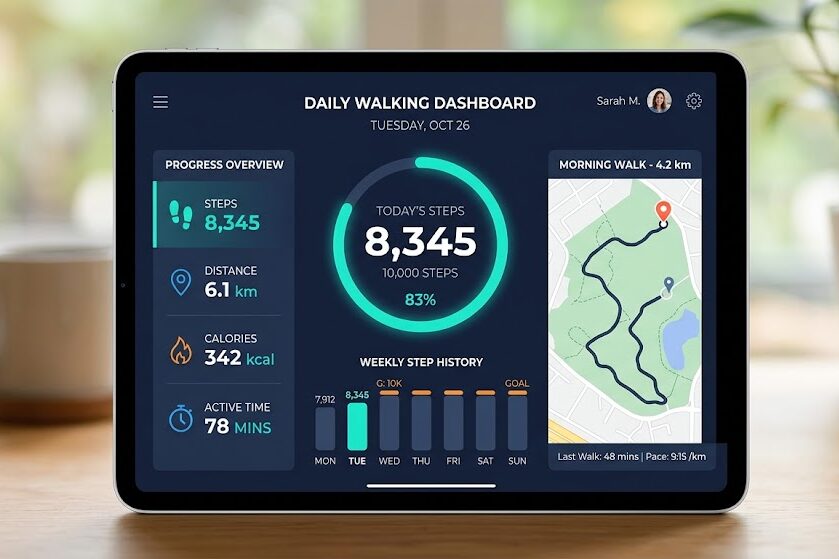
Second, fitness trackers help monitor walking duration and heart rate.
Recommended Tools
| Tool Type | Purpose |
|---|---|
| MyFitnessPal | Protein tracking |
| Fitbit | Activity monitoring |
| Apple Watch | Heart-rate tracking |
| Google Fit | Walking data |
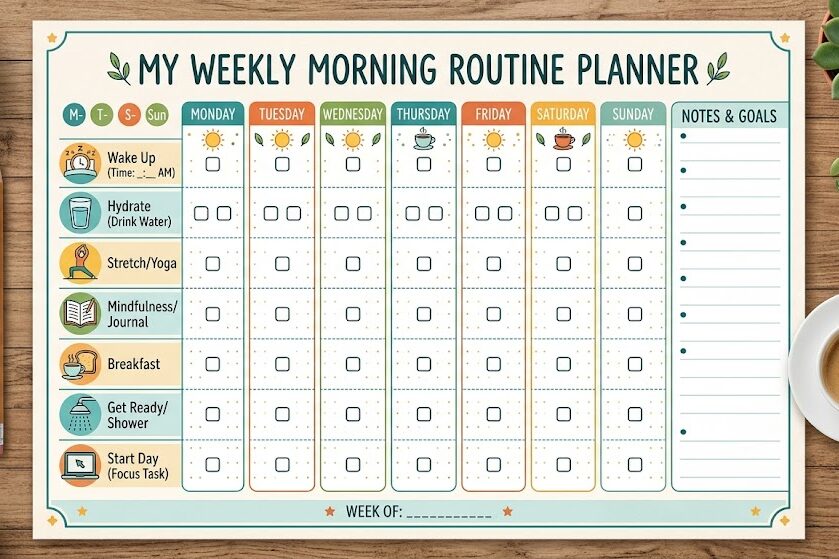
| Habitica | Habit tracking |
Practical Tips for Busy Mornings
Busy schedules often reduce consistency, so preparation matters.
Helpful strategies include:
- Preparing overnight oats
- Setting walking reminders
- Keeping protein powder ready
- Planning sleep schedules
- Tracking habits weekly
What Should You Do Next After Starting the 30-30-30 Routine?
After starting the 30-30-30 morning routine, you should focus on consistency, tracking progress, and gradually improving overall wellness habits.
First, track how you feel rather than obsessing over weight alone. Energy, focus, sleep quality, and cravings are important indicators too.
Second, increase intensity slowly if your fitness improves. You can eventually add resistance training or longer cardio sessions later in the day.
Third, combine the routine with healthier nutrition and recovery habits.
healthy morning habits checklist
balanced diet for sustainable weight loss
Simple Long-Term Success Checklist
- Sleep 7-9 hours consistently
- Eat protein-rich breakfasts
- Walk daily
- Stay hydrated
- Track habits weekly
- Avoid perfectionism
Conclusion
The 30 30 30 morning routine is a simple framework that combines protein intake, low-intensity movement, and consistency to support better energy, appetite control, and sustainable wellness habits.
More importantly, the routine succeeds because it feels achievable for most people. You do not need extreme workouts or restrictive diets to improve your health gradually.
Start small. Focus on consistency instead of perfection. By eating a high-protein breakfast and moving your body every morning, you can build healthier routines that last long beyond short-term fitness trends.
FAQ
What is the 30 30 30 morning routine?
The 30 30 30 morning routine involves eating 30 grams of protein within 30 minutes of waking up followed by 30 minutes of low-intensity exercise.
What are the benefits of the 30 30 30 routine?
It may help improve energy levels, support weight loss, boost metabolism, and reduce cravings throughout the day.
Does the 30 30 30 routine help with weight loss?
Yes, the combination of protein intake and morning movement may help control appetite and support fat loss goals.
What foods provide 30 grams of protein for breakfast?
Eggs, Greek yogurt, protein shakes, cottage cheese, chicken, and protein oatmeal are common high-protein options.
What type of exercise should you do during the 30 30 30 routine?
Low-intensity activities like walking, cycling, light jogging, or yoga are commonly recommended.
Do you need to follow the routine exactly within 30 minutes?
The goal is consistency, so slight timing adjustments are usually acceptable for most people.
Can beginners try the 30 30 30 morning routine?
Yes, it is beginner-friendly and can be adjusted based on fitness levels and schedules.
Does the 30 30 30 routine boost metabolism?
Protein and physical activity may help increase calorie burning and support metabolic health.
Can you drink coffee during the 30 30 30 routine?
Yes, many people include black coffee or coffee with breakfast as part of their routine.
How long does it take to see results from the 30 30 30 routine?
Results vary, but some people notice better energy, appetite control, and habit improvements within a few weeks.
Written by: Suraj 5+ Blogger — Wellness and lifestyle content creator focused on beginner-friendly fitness, sustainable health habits, and SEO-driven educational content.
Reviewed by: Editorial Wellness Review Team — Experts in nutrition research, fitness education, and evidence-based health content.
Disclaimer: This article was initially drafted using AI assistance. However, the content has undergone thorough revisions, editing, and fact-checking by human editors and subject matter experts to ensure accuracy.