
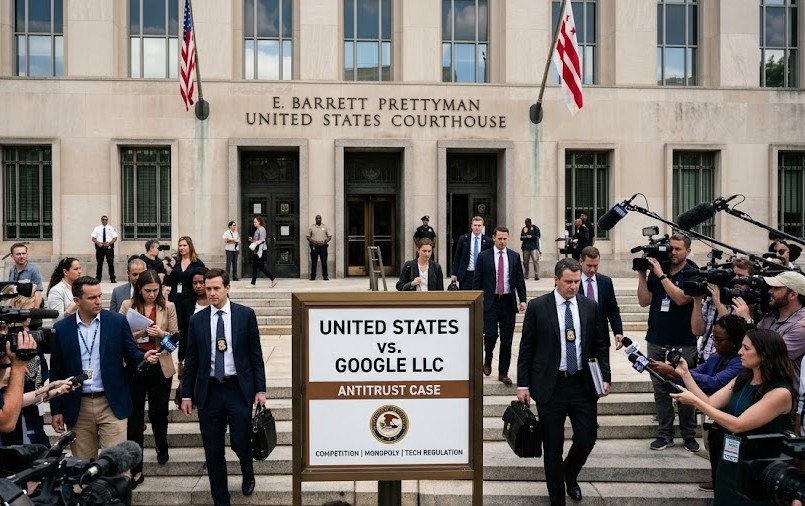
Most people already know that Google dominates online search, but far fewer understand why governments worldwide are challenging that dominance in court. The real story goes far beyond search engines and could affect advertising, AI tools, Android phones, Chrome browsers, and the future of the internet itself. In this guide, you’ll learn what the Google antitrust case is, why it matters, the latest developments, and how it could reshape digital competition.
Key Takeaways
- The Google antitrust case centers on allegations that Google used anti-competitive practices to maintain dominance in online search and digital advertising.
- Antitrust laws are regulations designed to prevent monopolies and promote fair competition in the marketplace.
- Search default agreements involve Google paying companies to make Google the default search engine on devices and browsers.
- The DOJ vs Google lawsuit focuses heavily on whether Google illegally protected its search monopoly through exclusive distribution agreements.
- The outcome of the Google antitrust case could reshape search engines, online advertising, browser competition, and AI-powered search tools.
- Google argues that its success comes from product quality and consumer preference rather than illegal monopoly behavior.
- Businesses, marketers, and publishers should monitor the case closely because future rulings may change how online traffic and advertising work.
What Is the Google Antitrust Case and Why Is It Important?
The Google antitrust case is a series of lawsuits alleging that Google used anti-competitive practices to maintain dominance in online search and digital advertising. The legal actions involve the U.S. Department of Justice (DOJ), multiple U.S. states, and international regulators such as the European Union.
First, antitrust laws are designed to stop companies from unfairly controlling markets. For example, governments use antitrust regulations to prevent monopolies that limit competition, reduce innovation, or harm consumers through restricted choice.
Second, regulators argue that Google dominates several major digital markets simultaneously. These include:
- Online search
- Search advertising
- Mobile operating systems
- Web browsers
- Digital ad technology
- AI-powered search distribution
According to StatCounter, Google controlled over 89% of the global search engine market in 2025 — Source: StatCounter, 2025. Similarly, Chrome maintained more than 65% browser market share globally — Source: StatCounter, 2025.
Moreover, the lawsuits claim Google strengthened its dominance through exclusive agreements. For example, regulators allege Google paid billions of dollars annually to companies like Apple to remain the default search engine on Safari and iPhones.
Why Does the Google Antitrust Case Matter?
The Google antitrust case matters because it could change how search engines, online advertising, AI tools, and digital competition operate worldwide. The outcome may influence consumers, marketers, publishers, startups, and technology companies for years.
Impact on Consumers
First, regulators argue that reduced competition can limit innovation and consumer choice. For example, if one company controls search distribution across browsers and smartphones, smaller competitors may struggle to gain visibility.
At the same time, supporters of Google argue consumers freely choose Google because its search quality is superior. Google frequently states that users can switch search engines in seconds.
Impact on Advertisers and Publishers
Second, the case heavily affects digital advertising markets. Google controls large portions of the ad-buying and ad-serving ecosystem through Google Ads, YouTube, and ad tech infrastructure.
According to Insider Intelligence, Google accounted for roughly 26% of global digital ad revenue in 2025 — Source: Insider Intelligence, 2025.
This dominance matters because publishers and advertisers often depend on Google’s platforms for traffic and revenue. Any regulatory changes could alter ad pricing, auction systems, and publisher monetization.
Impact on SEO and Digital Marketing
Third, SEO professionals are closely monitoring the lawsuit because search distribution changes could affect traffic patterns. For example, increased competition from Bing, DuckDuckGo, or AI-powered search tools could diversify search behavior.
According to BrightEdge, organic search still drives over 53% of trackable website traffic — Source: BrightEdge, 2025.
Impact on AI Search Competition
Finally, the case arrives during rapid AI search expansion. Platforms like ChatGPT, Perplexity, and AI-powered assistants are challenging traditional search behavior.
This shift matters because regulators increasingly view AI distribution as the next battleground for competition.
Why Did the U.S. Department of Justice Sue Google?
The U.S. Department of Justice sued Google because regulators believe the company illegally protected its search monopoly through exclusive agreements and anti-competitive conduct.
First, the DOJ focused heavily on Google’s search distribution deals. Regulators argued these agreements made Google the default search engine across smartphones, browsers, and devices.
For example, Google reportedly paid Apple billions annually to remain Safari’s default search provider. Analysts estimated those payments exceeded $20 billion per year in recent periods — Source: Bernstein Research, 2025.
What Are Search Default Agreements?
Search default agreements are contracts in which Google pays companies to make Google the automatic search engine on devices and browsers.
For example:
| Platform | Default Search Relationship |
|---|---|
| Apple Safari | Google pays to remain default |
| Android devices | Google apps bundled by default |
| Chrome browser | Google Search integrated automatically |
| Mobile carriers | Search placement agreements |
Regulators argue these agreements discourage competition because most users rarely change default settings.
Meanwhile, Google argues defaults improve convenience rather than eliminate competition. The company claims users can easily switch to alternatives like Bing or DuckDuckGo.
How Does Antitrust Law Apply to Big Tech Companies Like Google?
Antitrust law applies to Big Tech companies by evaluating whether their market power harms competition, innovation, or consumer choice.
First, regulators do not automatically punish companies for being successful. Instead, antitrust enforcement typically focuses on whether a company unfairly blocks competitors.
For example, owning a large market share alone is not always illegal. However, using contracts, acquisitions, or platform control to suppress competition may violate antitrust rules.
Key Antitrust Principles in the Google Lawsuit
Regulators are examining several core issues:
- Exclusive distribution agreements
- Preferential treatment of Google’s services
- Control of advertising infrastructure
- Bundling practices in Android
- Browser and search integration
According to the OECD, governments globally are increasing scrutiny of digital platforms because network effects can create powerful competitive advantages — Source: OECD Digital Economy Outlook, 2025.
What Are the Main Allegations Against Google in the Antitrust Lawsuit?
The main allegations against Google involve monopolization of online search, anti-competitive advertising practices, and restrictive distribution agreements.
Monopoly in Online Search
First, regulators claim Google unlawfully protected its search dominance. The DOJ argues Google’s agreements limited opportunities for rival search engines.
For example, competitors such as Bing and DuckDuckGo struggled to secure large-scale default placement on devices.
Anti-Competitive Advertising Practices
Second, Google faces major scrutiny over advertising technology markets. Regulators claim Google controls multiple layers of the online ad ecosystem simultaneously.
This includes:
- Ad exchanges
- Ad servers
- Advertiser tools
- Publisher infrastructure
According to eMarketer, Google remains one of the largest digital advertising companies globally — Source: eMarketer, 2025.
Android Ecosystem Concerns
Third, regulators argue Android agreements strengthened Google’s ecosystem dominance. For example, device manufacturers often preinstalled Google apps and search services.
Critics claim this created barriers for competing search engines and app ecosystems.
Chrome and Browser Distribution
Finally, Chrome’s market power plays a major role in the broader competition debate. Chrome acts as both a browser and a gateway to Google’s search and advertising ecosystem.
What Is Google’s Defense and Counterargument?
Google argues that its market leadership comes from superior products, innovation, and consumer preference rather than illegal monopoly behavior.
First, Google states users choose its services because they deliver better results. The company repeatedly argues competition remains only one click away.
For example, Google points to rivals such as:
- Microsoft Bing
- DuckDuckGo
- Yahoo
- OpenAI-powered search tools
- Perplexity AI
Google’s Innovation Argument
Second, Google claims its investments improved the internet ecosystem. The company highlights advances in:
- Search quality
- AI systems
- Browser speed
- Android accessibility
- Advertising efficiency
Google also argues that antitrust intervention could reduce innovation incentives.
Google’s AI Competition Argument
Third, Google increasingly points to AI competition as evidence that the market remains dynamic. Products like ChatGPT and AI assistants have rapidly changed how users discover information online.
According to Similarweb, AI search platforms experienced explosive traffic growth during 2025 — Source: Similarweb, 2025.
What Is the Timeline of the Google Antitrust Lawsuits?
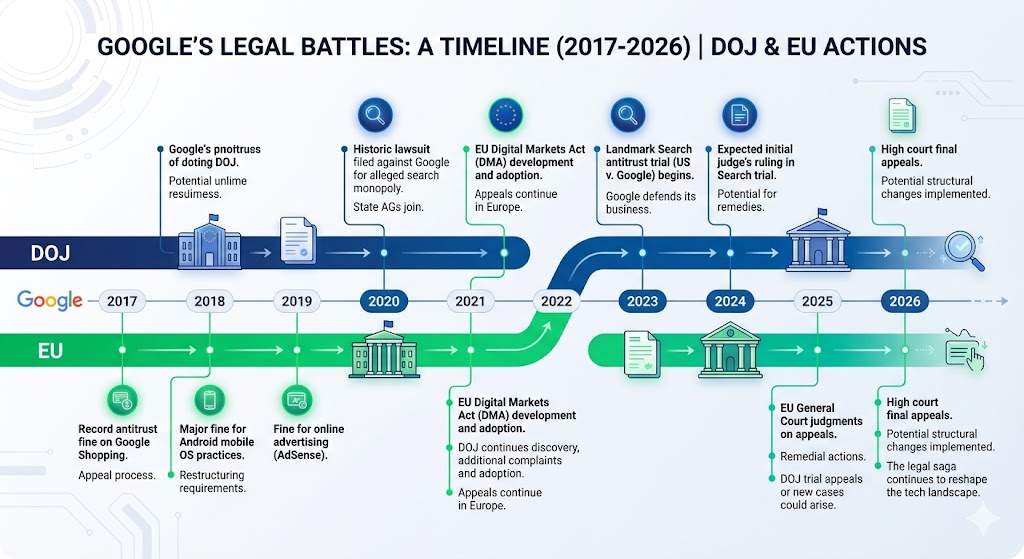
The Google antitrust timeline includes multiple lawsuits, investigations, hearings, fines, and appeals across the United States and Europe.
Major Google Antitrust Timeline
| Year | Major Event |
|---|---|
| 2017 | EU fines Google over shopping search practices |
| 2018 | EU fines Google regarding Android bundling |
| 2020 | DOJ files landmark search monopoly lawsuit |
| 2023 | Major trial hearings begin in the United States |
| 2024 | Courts evaluate monopoly and distribution evidence |
| 2025–2026 | Appeals, remedies, and AI competition debates continue |
EU Antitrust Actions
First, the European Union aggressively pursued multiple cases against Google before the U.S. DOJ lawsuit accelerated.
For example, the EU issued multi-billion-dollar fines related to shopping search results, Android practices, and advertising systems.
DOJ vs Google Developments
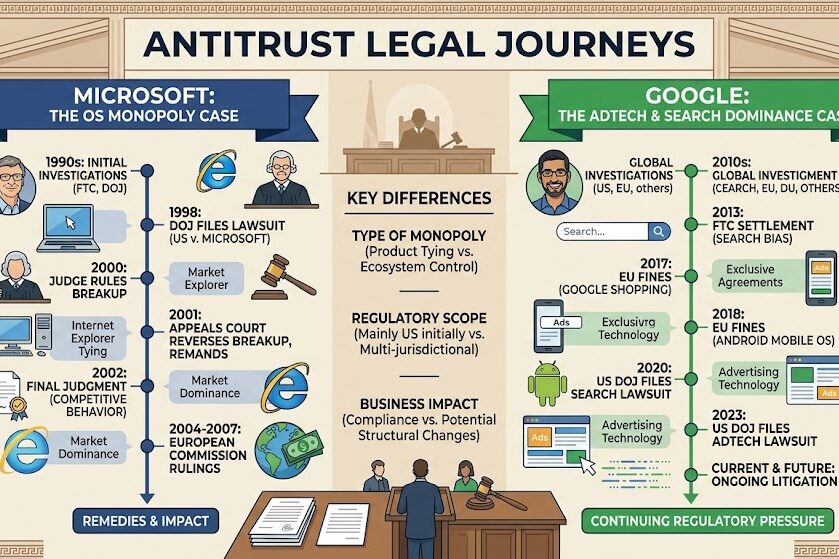
Second, the DOJ lawsuit became one of the most important technology antitrust cases in decades. Many analysts compare it to Microsoft’s historic antitrust battle from the late 1990s.
How Could the Google Antitrust Case Affect SEO and Digital Marketing?
The Google antitrust case could affect SEO and digital marketing by increasing search competition, changing ad systems, and altering traffic distribution patterns.
Search Ranking Ecosystem Changes
First, increased competition could diversify search traffic sources. For example, businesses may optimize more aggressively for Bing, AI assistants, and alternative search platforms.
This trend could reduce overdependence on Google traffic.
Google algorithm update timeline
Advertising Market Changes
Second, changes to Google’s advertising systems could reshape publisher revenue models. Regulators may require structural changes to Google’s ad tech operations.
For example, publishers may gain access to more transparent auction systems or alternative ad exchanges.
AI Search Optimization
Third, AI-powered search engines may become more important if Google faces restrictions on distribution agreements.
This shift could force marketers to optimize for:
- AI-generated answers
- Conversational search
- Entity-based SEO
- Citation visibility
future trends in digital marketing
How Is the Google Case Similar to the Microsoft Antitrust Case?
The Google antitrust case is frequently compared to the Microsoft antitrust case because both involve allegations that dominant tech companies used platform control to suppress competition.
First, Microsoft faced accusations in the 1990s for bundling Internet Explorer with Windows. Regulators argued the company leveraged operating system dominance to weaken browser competitors.
Similarly, regulators claim Google uses Android, Chrome, and search agreements to reinforce its ecosystem dominance.
Key Similarities
| Microsoft Case | Google Case |
|---|---|
| Browser bundling concerns | Search default agreements |
| Windows platform dominance | Search and Android dominance |
| Competition restrictions | Distribution restrictions |
| Internet market control | Search and ad market control |
Key Differences
At the same time, the digital economy has evolved dramatically since the Microsoft era.
For example, AI search tools now represent a major competitive force that did not exist during Microsoft’s antitrust battle.
Could Google Be Forced to Break Up Parts of Its Business?
Google could theoretically face structural remedies or business restrictions if courts determine its practices violated antitrust laws.
First, regulators may seek behavioral remedies rather than a breakup. These remedies could include restrictions on exclusive agreements or requirements for greater platform openness.
Second, more aggressive proposals occasionally involve separating parts of Google’s business ecosystem.
Potential remedies include:
- Restrictions on search default payments
- Changes to Android licensing
- Ad tech restructuring
- Chrome-related remedies
- Data-sharing requirements
However, breakups remain legally and politically difficult. Courts generally prefer targeted remedies before considering structural separation.
How Might the Antitrust Case Impact AI Search and Chatbots?
The Google antitrust case could accelerate competition in AI search and conversational search tools.
First, regulators increasingly view AI as the future of internet discovery. Companies like OpenAI, Perplexity, Anthropic, and Microsoft are rapidly expanding AI-powered search experiences.
For example, users now ask conversational questions instead of typing simple keywords into traditional search engines.
Why AI Distribution Matters
Second, distribution remains critical in AI competition. If Google controls browsers, smartphones, and default search access, regulators fear rivals may struggle to compete fairly.
This concern mirrors earlier debates around browser and search dominance.
Impact on the Future of Search
Third, the case may influence how AI-generated answers are regulated and distributed.
Potential outcomes include:
- Increased AI search competition
- More browser search choices
- Greater transparency in ranking systems
- Expanded discovery opportunities for publishers
What Are the Latest Updates in the Google Antitrust Lawsuit?
The latest Google antitrust updates involve ongoing court proceedings, remedy discussions, appeals, and increasing attention on AI competition.
First, regulators continue debating whether Google’s business practices harmed market competition. Courts are reviewing extensive evidence involving contracts, distribution agreements, and advertising systems.
Second, AI developments are reshaping the legal conversation. Regulators now evaluate whether Google’s AI integration could strengthen existing dominance.
Third, global regulators remain active beyond the United States. The European Union, United Kingdom, and other jurisdictions continue monitoring digital competition issues.
Because the case evolves rapidly, businesses and marketers should follow credible legal and technology reporting closely.
What Tools and Strategies Should Businesses Monitor During the Google Antitrust Case?
Businesses should monitor SEO diversification, advertising transparency, AI search visibility, and browser distribution trends during the Google antitrust case.
Practical Monitoring Strategies
First, businesses should diversify traffic sources beyond Google. For example, brands can increase visibility through Bing, YouTube, Reddit, LinkedIn, and AI search platforms.
Second, marketers should strengthen technical SEO foundations.
Important areas include:
- Structured data
- Entity optimization
- Brand authority
- Helpful content quality
- AI-friendly formatting
Recommended Tools
| Purpose | Recommended Tool |
|---|---|
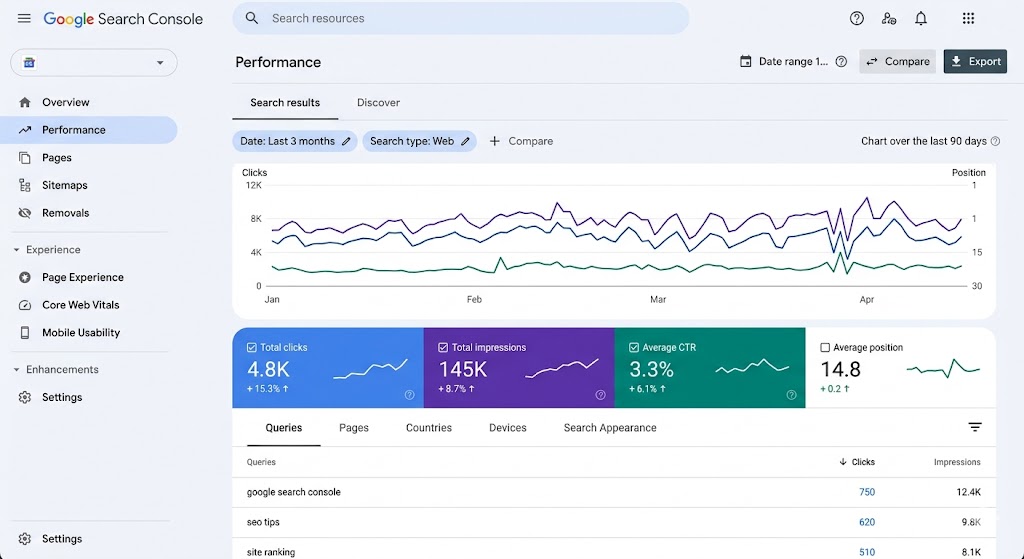
| SEO tracking | Google Search Console |
| Search visibility | Semrush |
| Keyword monitoring | Ahrefs |
| AI citation tracking | Perplexity monitoring tools |
| Browser analytics | Similarweb |
Screenshot Suggestions
What Happens Next After the Google Antitrust Trial?
The next phase of the Google antitrust case will likely involve appeals, remedy negotiations, and broader regulation of AI-powered digital ecosystems.
First, appeals could continue for years because antitrust litigation moves slowly through courts. Large technology cases often involve multiple judicial stages.
Second, regulators may push for remedies affecting:
- Search distribution
- Advertising systems
- Browser competition
- Mobile ecosystems
- AI integration
Third, businesses should prepare for a more competitive search landscape. Even if Google remains dominant, the market may become increasingly fragmented across AI tools and alternative platforms.
Conclusion
The Google antitrust case represents one of the most important technology regulation battles of the modern internet era. The lawsuits go beyond simple search engine competition and touch advertising, AI, browsers, smartphones, and digital market power.
At the same time, the outcome could reshape how users discover information online. SEO professionals, advertisers, publishers, startups, and technology companies all have a stake in the result.
Ultimately, the future of search may become more competitive, more AI-driven, and less dependent on a single platform. By following developments closely, businesses and marketers can better prepare for the next era of digital competition.
FAQ
What is the Google antitrust case?
The Google antitrust case is a major legal battle in which the U.S. Department of Justice accuses Google of using anti-competitive practices to dominate online search and digital advertising markets.
Who filed the antitrust case against Google?
The case was filed by the United States Department of Justice along with multiple U.S. states.
Why is Google accused of being anti-competitive?
Google is accused of using exclusive agreements and market dominance to limit competition in search engines and advertising technology.
What does the DOJ want from Google?
The DOJ seeks remedies that could reduce Google’s market power, increase competition, and change certain business practices.
How could the Google antitrust case affect users?
The case could impact search results, browser defaults, digital ads, privacy practices, and future online competition.
What role does AI search play in the case?
AI-powered search tools are becoming a major focus because they may reshape how people access information online and compete with traditional search engines.
Could Google be broken up because of the antitrust case?
Some legal experts believe structural changes or business separations are possible, though the final outcome remains uncertain.
How does the case affect advertisers and businesses?
Advertisers and publishers could see changes in digital advertising costs, search visibility, and platform competition.
What is antitrust law?
Antitrust law is designed to prevent monopolies and promote fair competition in the marketplace.
Why is the Google antitrust case important?
It is considered one of the most significant technology regulation cases in modern history because it may shape the future of search, AI, and digital competition.