
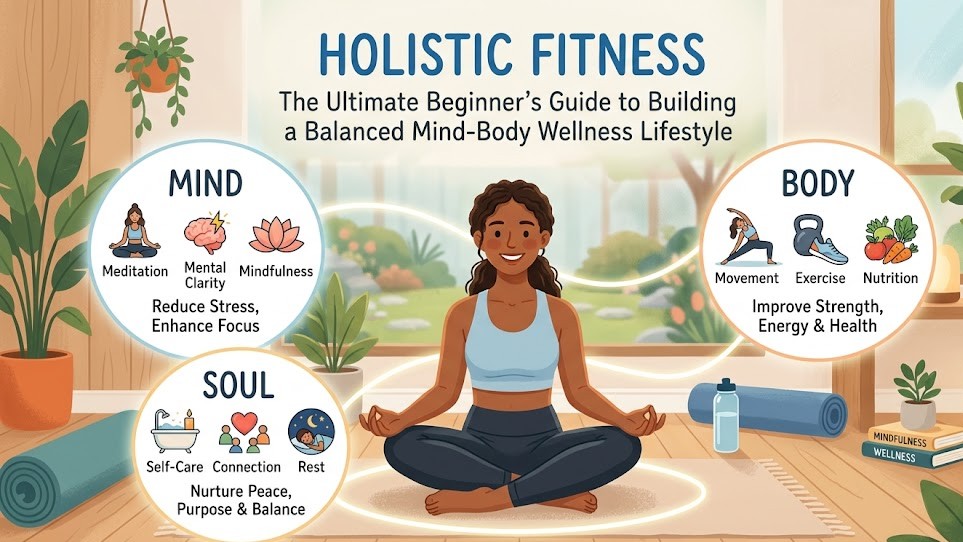
Most people think fitness is only about workouts, calories, and weight loss. But even with regular exercise, many still struggle with stress, burnout, poor sleep, and inconsistent motivation because true wellness involves much more than the gym. In this guide, you’ll learn what holistic fitness really means, how it improves your overall well-being, and how to build a balanced routine that supports your body and mind for the long term.
Key Takeaways
- Holistic fitness combines physical health, mental wellness, nutrition, recovery, and lifestyle habits into one balanced approach to well-being.
- Sustainable fitness routines focus on long-term consistency instead of extreme workouts or restrictive dieting.
- Mindfulness practices such as meditation, breathwork, and stress management are essential parts of holistic wellness.
- Recovery and sleep quality directly influence physical performance, energy levels, mood, and overall health.
- Holistic fitness activities can include walking, yoga, strength training, mobility work, meditation, and mindful eating habits.
- Progress tracking in holistic wellness includes energy, mood, recovery, stress levels, and quality of life instead of appearance alone.
- Small daily habits often create more sustainable health results than short-term intense programs.
What Is Holistic Fitness and How Does It Work?
Holistic fitness is a wellness approach that integrates physical exercise, mental health, nutrition, recovery, and lifestyle habits into overall well-being. Unlike traditional fitness programs that focus mainly on appearance or athletic performance, holistic wellness considers the connection between your body, mind, emotions, and daily environment.
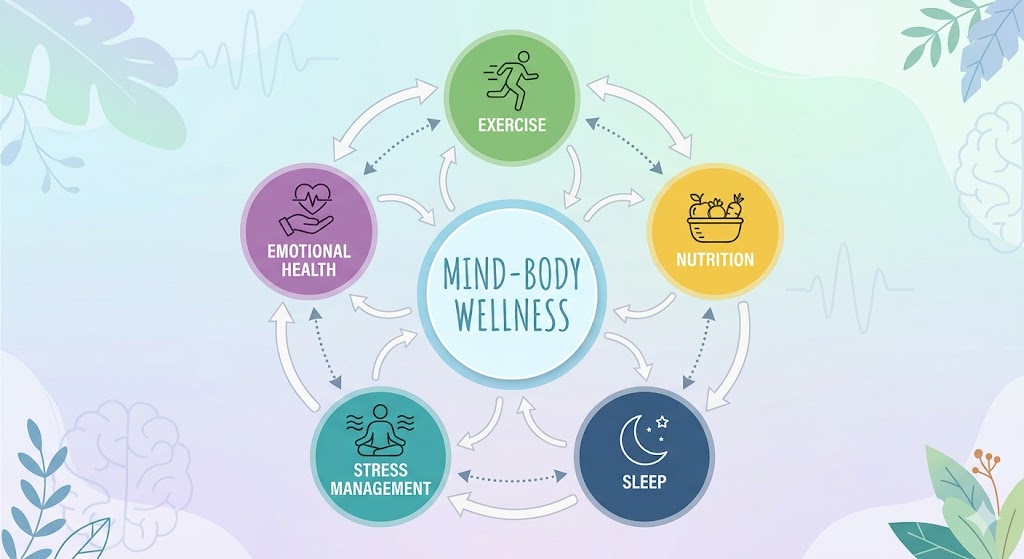
First, holistic fitness recognizes that your physical health affects your mental state and vice versa. For example, poor sleep can reduce workout performance, while chronic stress can affect recovery, hormones, and eating habits. This interconnected approach creates a more balanced and sustainable wellness lifestyle.
Moreover, holistic fitness focuses on long-term balance and sustainability rather than short-term aesthetic goals. Instead of chasing rapid weight loss or extreme body transformations, the goal is to build healthy habits you can maintain for years.
For example, a holistic fitness routine may include:
- Strength training twice weekly
- Daily walking or mobility work
- Mindful eating practices
- Stress management routines
- Meditation or breathwork
- Consistent sleep habits
- Healthy social connections
According to the World Health Organization, regular physical activity combined with healthy lifestyle behaviors significantly reduces the risk of chronic disease and improves mental well-being — Source: WHO, 2024.
At the same time, holistic wellness does not require perfection. It encourages flexibility, self-awareness, and realistic routines that fit your life instead of controlling it.
How Is Holistic Fitness Different From Traditional Fitness?
Traditional fitness primarily focuses on physical performance or aesthetics, while holistic fitness focuses on total well-being and sustainable health.
For example, traditional programs may prioritize calorie burning, muscle growth, or rapid fat loss. Holistic wellness still values physical fitness, but it also considers stress, emotional health, recovery quality, and lifestyle balance.
Here’s a simple comparison:
| Traditional Fitness | Holistic Fitness |
|---|---|
| Focuses mainly on exercise | Focuses on mind and body wellness |
| Often goal-driven by appearance | Focuses on energy, health, and balance |
| May encourage intense routines | Encourages sustainable habits |
| Can ignore stress and recovery | Prioritizes recovery and sleep |
| Often restrictive | Flexible and adaptable |
Additionally, mind-body wellness involves improving physical health while also supporting emotional resilience, stress management, and mental clarity. This broader perspective helps people avoid burnout and maintain healthy habits longer.
Why Is Holistic Fitness Important for Long-Term Health?
Holistic fitness matters because it supports physical health, mental clarity, emotional balance, and long-term sustainability at the same time. Many people quit traditional fitness programs because they feel overwhelmed, exhausted, or restricted.
First, holistic wellness improves consistency. Sustainable habits are easier to maintain than extreme workout plans or crash diets. Research shows that habit-based health strategies improve long-term adherence compared to aggressive transformation programs — Source: American Psychological Association, 2023.
Second, holistic fitness can reduce stress and mental fatigue. Chronic stress increases cortisol levels, which may affect sleep, appetite, recovery, and energy. Practices such as meditation, walking, and mindful breathing can improve emotional regulation and reduce anxiety symptoms.
For example, just 20–30 minutes of moderate walking daily can improve mood, cardiovascular health, and energy levels — Source: Harvard Health Publishing, 2024.
Third, holistic wellness supports healthier weight management. Instead of relying on restrictive diets, it encourages balanced eating patterns and lifestyle consistency. Sustainable wellness habits are more effective long term than extreme diets or overly intense workout routines.
In addition, holistic health improves recovery and sleep quality. Adults who sleep 7–9 hours consistently tend to recover faster and perform better physically and mentally — Source: Sleep Foundation, 2024.
importance of sleep for recovery
Can Holistic Fitness Help With Stress and Burnout?
Holistic fitness can help reduce stress and burnout by balancing physical activity, recovery, mindfulness, and emotional wellness practices.
First, moderate movement reduces mental tension. Activities like yoga, walking, and mobility training activate relaxation responses in the body. For example, yoga combines breathing, stretching, and mindfulness to improve both flexibility and stress management.
Second, mindfulness improves emotional resilience. Practices such as journaling and meditation help you recognize stress triggers and manage emotions more effectively.
stress management techniques
Moreover, burnout often happens when people push too hard without recovery. Holistic wellness encourages rest days, flexible scheduling, and self-awareness instead of guilt-driven exercise.
What Are the Main Components of Holistic Fitness?
The core pillars of holistic fitness include movement, nutrition, mental wellness, emotional health, recovery, and lifestyle balance. Each pillar supports overall health differently, but they work best together.
Physical Movement and Exercise
Physical movement is the foundation of holistic fitness because regular activity improves strength, mobility, heart health, and energy levels.
First, holistic exercise does not require intense gym sessions every day. Instead, it encourages balanced movement patterns throughout the week. For example, you might combine strength training, walking, stretching, and mobility exercises.
Popular holistic fitness activities include:
- Yoga
- Pilates
- Functional strength training
- Walking
- Swimming
- Cycling
- Mobility routines
Nutrition and Mindful Eating
Nutrition in holistic wellness focuses on nourishing the body consistently rather than following restrictive diet trends.
First, mindful eating encourages awareness of hunger, fullness, energy, and food quality. Instead of labeling foods as “good” or “bad,” the goal is balance and sustainability.
For example, a balanced meal may include:
- Lean protein
- Fiber-rich vegetables
- Healthy fats
- Complex carbohydrates
- Hydration
According to the CDC, consistent healthy eating patterns support better energy levels, weight management, and long-term disease prevention — Source: CDC, 2024.
Mental Wellness and Mindfulness
Mental wellness is an essential part of holistic fitness because stress and emotional health directly affect physical performance and recovery.
First, mindfulness practices help improve focus and reduce anxiety. Techniques such as meditation, breathwork, and gratitude journaling create awareness and emotional balance.
For example, even five minutes of deep breathing can lower stress levels and improve focus before workouts or work sessions.
Emotional Health and Stress Management
Emotional wellness supports holistic health by helping people manage stress, motivation, and self-awareness more effectively.
Moreover, emotional health influences fitness consistency. People who exercise from self-care rather than self-criticism are more likely to maintain healthy routines long term.
For example, replacing punishment-based workouts with enjoyable movement often improves consistency and motivation.
Sleep and Recovery
Sleep and recovery are critical parts of holistic fitness because the body repairs and adapts during rest periods.
First, recovery improves muscle repair, hormonal balance, cognitive function, and immune health. Overtraining without proper rest can increase fatigue and injury risk.
Additionally, recovery, sleep quality, and stress levels directly affect physical performance, energy, and overall health.
Adults should aim for:
- 7–9 hours of sleep
- Regular rest days
- Mobility and stretching
- Reduced screen time before bed
- Consistent sleep schedules
Social Connection and Lifestyle Balance
Lifestyle balance is a major part of holistic wellness because relationships, work stress, and daily habits influence overall health.
For example, social support can improve accountability, emotional well-being, and stress management. Healthy routines become more sustainable when they fit naturally into daily life.
How Can Beginners Start a Holistic Fitness Routine?
Beginners can start holistic fitness by building simple, sustainable habits that support movement, nutrition, recovery, and mental wellness together.
First, start small instead of trying to overhaul your entire lifestyle overnight. Many people fail because they attempt extreme routines that are difficult to maintain.
Set Realistic Wellness Goals
Realistic goals improve consistency because they focus on progress instead of perfection.
For example, instead of aiming to “completely transform” in 30 days, focus on manageable actions such as:
- Walking 20 minutes daily
- Drinking more water
- Sleeping 7+ hours
- Strength training twice weekly
- Practicing mindfulness for 5 minutes
Moreover, behavior-focused goals often work better than appearance-focused goals.
Build Healthy Daily Habits
Daily habits create long-term wellness because small actions repeated consistently lead to lasting results.
For example, habit stacking can make routines easier. You might stretch after brushing your teeth or meditate after morning coffee.
Create a Balanced Workout Schedule
A balanced workout schedule combines strength, cardio, mobility, and recovery instead of focusing on one type of exercise only.
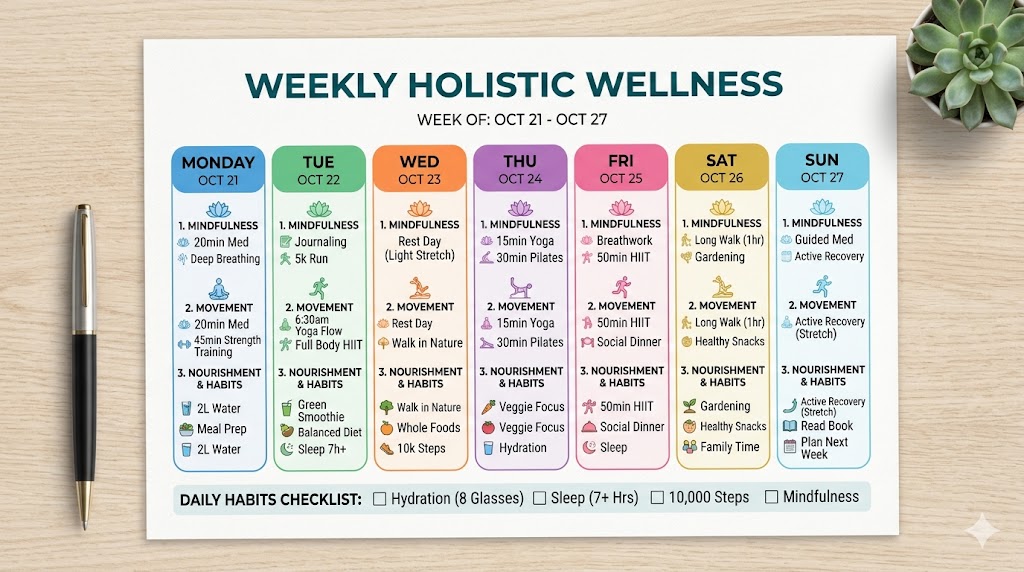
Here’s a simple beginner-friendly example:
| Day | Activity |
|---|---|
| Monday | Strength training + stretching |
| Tuesday | Walking + meditation |
| Wednesday | Yoga or Pilates |
| Thursday | Functional training |
| Friday | Walking + mobility |
| Saturday | Outdoor activity |
| Sunday | Recovery and mindfulness |
beginner workout plan
Avoid All-or-Nothing Thinking
All-or-nothing thinking often leads to burnout because it creates unrealistic expectations around wellness.
For example, missing one workout does not ruin your progress. Holistic wellness encourages flexibility and long-term consistency rather than perfection.
Which Exercises Support Holistic Wellness Best?
The best holistic fitness exercises improve strength, mobility, cardiovascular health, recovery, and mental well-being simultaneously.
Yoga
Yoga combines movement, breathing, flexibility, and mindfulness into one holistic wellness practice.
First, yoga improves mobility and stress management together. Studies show yoga can help reduce anxiety symptoms and improve sleep quality — Source: National Institutes of Health, 2023.
Pilates
Pilates strengthens the core while improving posture, balance, and body awareness.
For example, desk workers often benefit from Pilates because it helps counter poor posture and muscular imbalances.
Walking
Walking is one of the most sustainable holistic fitness activities because it supports physical and mental health with low injury risk.
Moreover, walking outdoors may improve mood and reduce stress through nature exposure.
Breathwork and Meditation
Breathwork and meditation improve emotional regulation, focus, and stress recovery.
For example, deep diaphragmatic breathing can activate the parasympathetic nervous system and reduce physical tension.
Functional Training and Mobility Work
Functional training improves real-life movement patterns, balance, coordination, and strength.
mobility exercises for flexibility

How Does Mental Health Affect Physical Fitness?
Mental health affects physical fitness because stress, motivation, sleep, and emotional wellness directly influence energy and recovery.
First, chronic stress can reduce workout performance and increase fatigue. Elevated stress hormones may also affect appetite, recovery speed, and sleep quality.
Second, emotional wellness influences exercise consistency. People who associate movement with self-care are more likely to maintain routines compared to those using fitness only for punishment or appearance goals.
Moreover, anxiety and poor mental health can affect motivation levels. Holistic wellness addresses this connection by integrating mindfulness and stress reduction into fitness routines.
For example, combining walking with meditation may improve both mental clarity and physical activity levels simultaneously.
Why Are Sleep and Recovery Essential in Holistic Fitness?
Sleep and recovery are essential in holistic fitness because the body rebuilds, repairs, and adapts during rest periods.
First, recovery helps muscles repair after exercise. Without proper sleep and rest, fatigue accumulates and performance often declines.
Second, quality sleep improves hormone regulation, cognitive function, mood, and immune health. Research from the Sleep Foundation shows insufficient sleep is associated with reduced recovery and lower physical performance — Source: Sleep Foundation, 2024.
Additionally, recovery includes more than sleeping. Effective recovery strategies may include:
- Stretching
- Foam rolling
- Mobility training
- Hydration
- Stress management
- Active recovery walks
What Are the Best Daily Habits for Holistic Wellness?
The best daily holistic wellness habits are simple behaviors that support physical health, mental clarity, and emotional balance consistently.
First, morning routines create structure and momentum for healthier choices throughout the day.
Healthy holistic habits include:
- Drinking water after waking up
- Daily movement
- Mindful eating
- Limiting screen overload
- Practicing gratitude
- Sleeping consistently
- Spending time outdoors
Moreover, wellness habits become more sustainable when attached to existing routines.
What Mistakes Should You Avoid in a Holistic Fitness Journey?
Common holistic fitness mistakes include overcomplicating routines, ignoring recovery, extreme dieting, and chasing unrealistic expectations.
Overcomplicating Wellness Routines
Complicated routines often reduce consistency because they feel overwhelming and time-consuming.
For example, beginners do not need two-hour workouts, expensive supplements, or strict meal plans to improve wellness.
Ignoring Recovery
Ignoring recovery increases burnout risk and can reduce physical and mental performance over time.
Rest days are productive because recovery supports adaptation and long-term progress.
Chasing Aesthetics Only
Appearance-based goals alone often create unsustainable fitness habits and emotional frustration.
Holistic wellness measures progress through energy, strength, mood, recovery, and quality of life.
Extreme Dieting
Restrictive diets are difficult to sustain and may negatively affect energy, mood, and metabolism.
Balanced nutrition habits are usually more sustainable than aggressive calorie restriction.
What Tools, Apps, and Practices Support Holistic Fitness?
Holistic fitness tools help people track habits, reduce stress, improve mindfulness, and organize healthy routines more effectively.
Popular wellness tools include:
| Tool Type | Examples | Purpose |
|---|---|---|
| Fitness Tracking Apps | MyFitnessPal, Fitbit | Activity and habit tracking |
| Meditation Apps | Calm, Headspace | Stress management |
| Sleep Trackers | Oura Ring, Sleep Cycle | Recovery insights |
| Journaling Apps | Day One, Notion | Emotional awareness |
| Meal Planning Apps | Mealime, Cronometer | Nutrition planning |
Moreover, free alternatives such as Google Fit, YouTube yoga channels, and printable journals can also support holistic wellness affordably.

Example Weekly Holistic Fitness Plan
A weekly holistic fitness plan balances movement, nutrition, recovery, mindfulness, and flexibility throughout the week.
Example routine:
- Monday: Strength training + healthy meal prep
- Tuesday: Walking + breathwork
- Wednesday: Yoga + journaling
- Thursday: Functional training + mobility
- Friday: Outdoor activity + meditation
- Saturday: Social wellness activity
- Sunday: Recovery, stretching, and sleep optimization
What’s Next: How Do You Build a Sustainable Wellness Lifestyle?
Building a sustainable wellness lifestyle requires consistency, flexibility, and self-awareness over time.
First, focus on habit stacking instead of motivation alone. Motivation changes daily, but routines create structure.
Second, track progress beyond body weight. Holistic wellness includes:
- Energy levels
- Mood improvements
- Better sleep
- Reduced stress
- Strength gains
- Improved focus
sustainable weight loss habits
Moreover, create a personal wellness system that fits your schedule, personality, and goals. Flexible routines are easier to maintain than rigid programs.
For example, some people enjoy yoga and walking, while others prefer strength training and meditation. Holistic fitness works best when your routine feels supportive rather than exhausting.
Conclusion
Holistic fitness is more than exercise. It is a sustainable wellness approach that supports your physical health, mental clarity, emotional well-being, recovery, and daily lifestyle habits together.
Most importantly, you do not need perfection to improve your health. Small, consistent actions often create more lasting results than extreme programs or short-term motivation.
By focusing on balance, recovery, mindfulness, movement, and healthy habits, you can build a wellness lifestyle that supports both your body and mind for years to come. Start small, stay consistent, and allow your fitness journey to evolve naturally over time.
FAQ
What is holistic fitness?
Holistic fitness is a wellness approach that focuses on improving physical health, mental well-being, emotional balance, and lifestyle habits together.
How is holistic fitness different from regular fitness?
Regular fitness often focuses mainly on exercise and appearance, while holistic fitness also includes nutrition, sleep, stress management, and mindfulness.
What are the benefits of holistic fitness?
It may improve energy, mental clarity, physical strength, emotional wellness, and overall quality of life.
What activities are included in holistic fitness?
Common activities include strength training, yoga, walking, meditation, stretching, healthy eating, and recovery practices.
Can holistic fitness help reduce stress?
Yes, mindfulness, movement, and balanced lifestyle habits may help lower stress and improve emotional well-being.
Is holistic fitness good for beginners?
Yes, holistic fitness is beginner-friendly because it focuses on sustainable and balanced habits rather than extreme routines.
Does holistic fitness include mental health?
Yes, mental and emotional wellness are important parts of a holistic fitness lifestyle.
How often should you exercise in a holistic fitness routine?
Most people benefit from regular movement several times per week along with proper rest and recovery.
Can holistic fitness support weight loss?
Yes, healthy nutrition, consistent movement, sleep, and stress management can support long-term weight management.
What is the best way to start holistic fitness?
Start with simple habits like regular exercise, healthy eating, better sleep, hydration, and mindfulness practices.