
Summarize this blog post with: ChatGPT | Perplexity | Claude | Grok
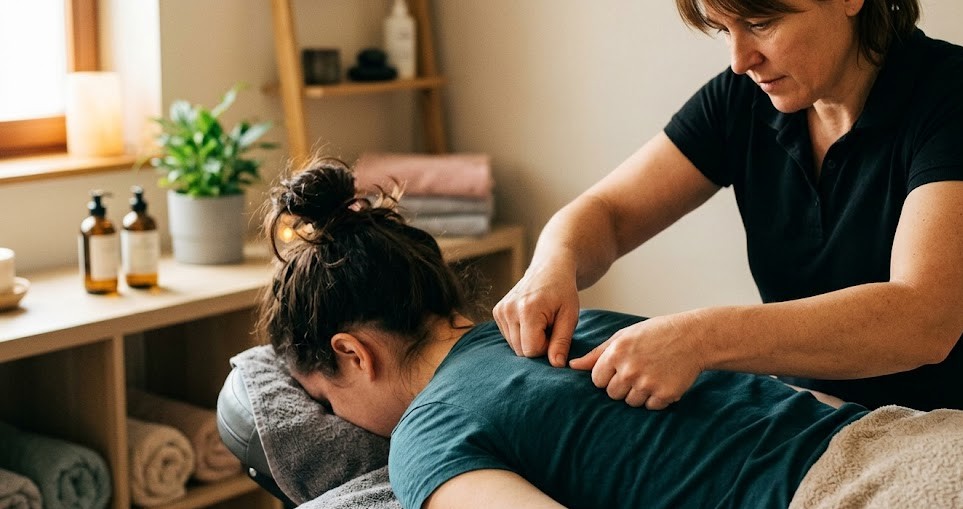
You’ve probably felt that stubborn tight spot in your neck, shoulders, or back that refuses to go away no matter how much you stretch. What many people don’t realize is that muscle knots often come from deeper tension patterns and poor recovery habits. In this guide, you’ll learn what muscle knots are, how massage actually relieves them, and the best techniques and tools for lasting relief.
Key Takeaways
- Muscle knots are tight, sensitive areas of muscle tissue that can cause pain, stiffness, and reduced mobility.
- Massage therapy improves circulation and relaxes tense muscle fibers, helping release trigger points naturally.
- Deep tissue massage and trigger point therapy are among the most effective massage techniques for stubborn muscle knots.
- Self-massage tools such as foam rollers, massage balls, and massage guns can provide fast at-home relief.
- Poor posture, stress, dehydration, and repetitive movement are common causes of recurring muscle knots.
- Stretching, hydration, and ergonomic improvements help prevent muscle knots from returning.
- Persistent or severe muscle pain may require evaluation from a licensed massage therapist or healthcare provider.
What Are Muscle Knots and Why Do They Form?
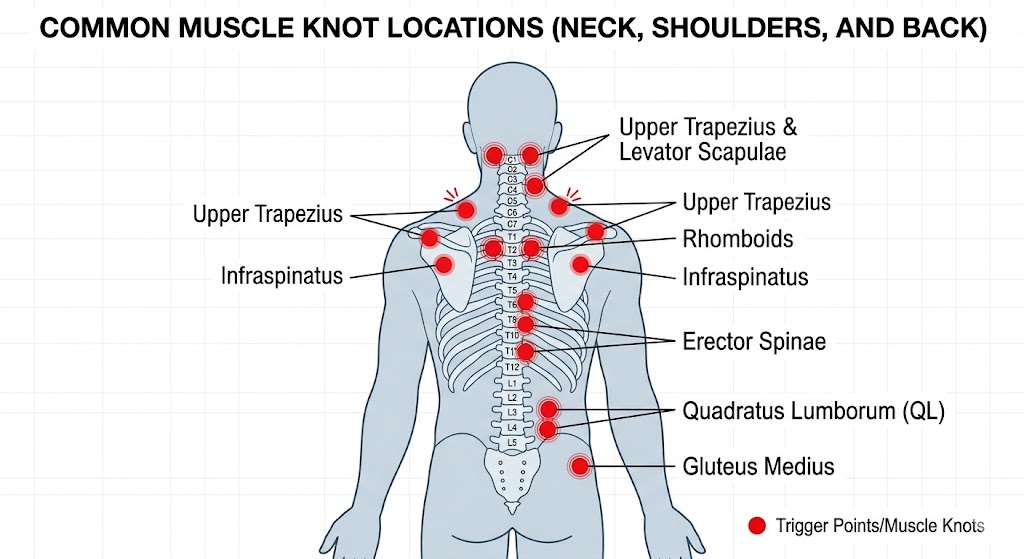
Muscle knots are tight, sensitive bands of muscle fibers that develop from tension, overuse, or poor movement patterns. These knots are commonly called trigger points because pressing them can cause pain in nearby areas.
First, muscle knots form when muscle fibers remain contracted for long periods without fully relaxing. For example, sitting hunched over a laptop for eight hours can overload the neck and upper shoulder muscles, eventually creating painful tight spots.
Moreover, muscle knots often appear in areas that experience repetitive strain or poor circulation. Common locations include:
- Neck
- Upper shoulders
- Lower back
- Calves
- Glutes
- Between the shoulder blades
Trigger point massage involves applying focused pressure to tight muscle areas to reduce pain and improve mobility. This targeted pressure helps calm irritated muscle tissue and improve blood flow.
According to the National Institutes of Health, musculoskeletal pain affects nearly 1 in 2 adults worldwide — Source: NIH, 2023.
What Is the Difference Between Trigger Points and Muscle Knots?
Trigger points are clinically recognized hyperirritable muscle spots, while muscle knots is the more common everyday term.
Second, both terms describe areas of tension within muscle tissue. However, trigger points may create referred pain, meaning pressure in one spot causes discomfort somewhere else.
For example, a trigger point in the shoulder may cause headaches or pain behind the eyes. This explains why untreated knots can affect sleep, posture, and concentration.
Can Stress and Anxiety Cause Muscle Knots?
Stress and anxiety can increase muscle tension and contribute to recurring muscle knots.
Additionally, emotional stress activates the nervous system and causes unconscious muscle tightening. Many people clench their jaw, shrug their shoulders, or tense their neck muscles during stressful situations.
For example, office workers experiencing work stress often develop chronic shoulder knots from constant tension combined with poor posture.
Why Do Muscle Knots Matter and Why Should You Not Ignore Them?
Muscle knots matter because they can reduce mobility, increase pain, and interfere with daily movement patterns.
First, untreated knots can gradually limit flexibility and muscle performance. For example, a tight knot in the upper back can restrict shoulder movement during workouts or daily tasks.
Moreover, muscle knots may contribute to:
- Tension headaches
- Poor posture
- Reduced exercise performance
- Sleep disruption
- Chronic stiffness
- Fatigue during movement
According to the American Chiropractic Association, back pain is one of the leading causes of missed work globally — Source: ACA, 2024.
Persistent muscle knots accompanied by numbness, swelling, or severe pain should be evaluated by a healthcare professional.
At the same time, chronic tension can alter movement mechanics. For example, tight hip muscles may force the lower back to compensate, increasing injury risk during walking or exercise.
What Causes Muscle Knots to Keep Coming Back?
Recurring muscle knots usually happen because the underlying cause of tension has not been corrected.
First, poor posture remains one of the biggest contributors. Sitting with rounded shoulders places constant stress on the neck and upper back muscles.
According to Ergonomics International, prolonged sitting increases neck and shoulder discomfort in over 65% of desk workers — Source: Ergonomics International, 2023.
Poor Posture and Desk Work
Poor posture overloads stabilizing muscles and creates chronic tension patterns.
For example, looking down at a phone for hours places excessive strain on the cervical spine and upper trapezius muscles.
Exercise Strain and Overuse
Exercise overuse can create muscle microtrauma that leads to trigger points and stiffness.
Additionally, intense workouts without adequate recovery increase inflammation and muscle tightness. Athletes commonly develop knots in the calves, hamstrings, and shoulders after repetitive training.
Dehydration and Lack of Movement
Dehydration reduces muscle elasticity and may worsen muscle tightness.
Plus, staying in one position for long periods decreases circulation and prevents muscles from relaxing naturally.
According to the Mayo Clinic, hydration supports proper muscle function and recovery — Source: Mayo Clinic, 2024.
How Does Massage Help Release Muscle Knots?
Massage helps release muscle knots by improving circulation, relaxing muscle fibers, and reducing nervous system tension.
First, massage increases blood flow to tight areas. Better circulation delivers oxygen and nutrients that help muscles recover more efficiently.
Self-massage tools such as foam rollers and massage guns can improve circulation and reduce muscle tightness when used correctly.
Improved Blood Flow and Oxygen Delivery
Improved circulation helps remove metabolic waste from tense muscles.
For example, massage may reduce the buildup of tension-related discomfort after long workouts or physically demanding workdays.
Fascia Release and Muscle Relaxation
Myofascial release therapy targets connective tissue restrictions around muscles.
Additionally, fascia can become stiff and sticky from inactivity or stress. Massage techniques help loosen these restrictions and improve mobility.
Nervous System Relaxation
Massage activates the parasympathetic nervous system, which promotes relaxation and recovery.
For example, slow massage strokes can lower stress hormones and reduce unconscious muscle clenching.
According to the American Massage Therapy Association, 88% of people view massage as beneficial for pain reduction — Source: AMTA, 2024.
Which Type of Massage Works Best for Muscle Knots?
The best massage for muscle knots depends on the severity, location, and cause of the tension.
Below is a comparison of the most effective massage techniques for knots and tight muscles.
| Massage Type | Best For | Pressure Level | Main Benefit |
|---|---|---|---|
| Deep Tissue Massage | Chronic knots | High | Targets deep muscle layers |
| Trigger Point Massage | Specific tight spots | Moderate to high | Releases localized tension |
| Swedish Massage | Mild tension | Light to moderate | Improves relaxation |
| Sports Massage | Athletes and gym recovery | Moderate | Enhances mobility |
| Myofascial Release | Fascial tightness | Gentle sustained pressure | Improves movement patterns |
| Self-Massage | Daily maintenance | Adjustable | Convenient home relief |
Deep Tissue Massage for Knots
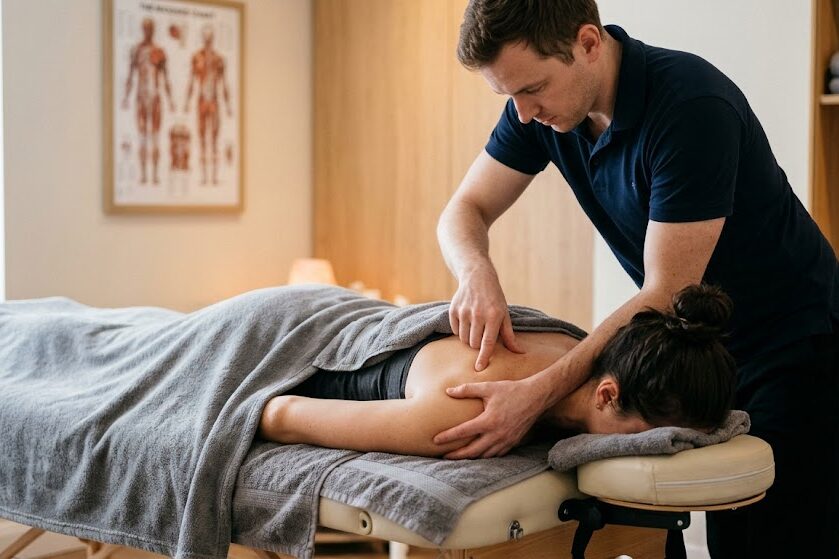
Deep tissue massage targets deeper muscle layers and connective tissue to release chronic tension and stubborn knots.
Moreover, therapists use slow pressure and firm strokes to break up adhesions within muscle tissue.
For example, deep tissue therapy can help people with long-term shoulder knots caused by desk work.
Trigger Point Massage
Trigger point massage focuses directly on painful muscle knots using sustained pressure techniques.
Additionally, this method often creates rapid relief because it specifically targets the irritated tissue.
Sports Massage for Recovery
Sports massage supports muscle recovery and mobility in active individuals.
For example, runners may use sports massage to reduce calf tightness after high-mileage training.
Can You Massage Muscle Knots at Home Safely?
You can massage muscle knots at home safely when you use gentle pressure, proper tools, and controlled movement.
First, self-massage works best for mild to moderate tension. Severe pain or inflammation requires professional evaluation.
Tennis Ball Technique for Shoulder Knots
A tennis ball provides focused pressure for shoulder and upper back knots.
Follow these steps:
- Place a tennis ball between your back and a wall.
- Lean gently into the pressure point.
- Roll slowly over the tight area.
- Pause on tender spots for 20-30 seconds.
- Breathe deeply while relaxing the muscle.
For example, this method works well for desk-job shoulder knots between the shoulder blades.
Foam Rolling for Tight Muscles
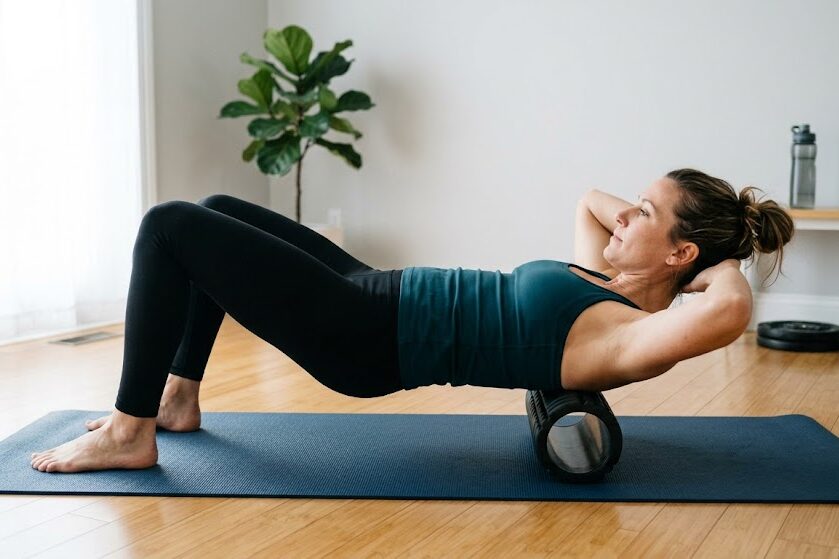
Foam rolling helps release larger muscle groups and improve mobility.
Additionally, foam rollers work especially well on the calves, hamstrings, glutes, and upper back.
foam roller exercises for recovery
Heat Therapy Before Massage
Heat therapy relaxes muscle tissue and improves massage effectiveness.
For example, applying a heating pad for 10 minutes before self-massage may help muscles loosen faster.
How Do You Use a Massage Gun for Muscle Knots?
Massage guns use rapid percussion therapy to reduce muscle tightness and improve circulation.
First, massage guns work best when used briefly and strategically. Overusing them can irritate sensitive muscles.
Best Practices for Massage Gun Recovery
Massage gun recovery techniques should focus on controlled pressure and short sessions.
Use this simple process:
- Start on the lowest speed setting
- Move slowly across the muscle
- Avoid bones and joints
- Spend 30-60 seconds per muscle group
- Stop if sharp pain occurs
For example, athletes often use massage guns on the quads or calves after workouts to reduce stiffness.
According to Journal of Clinical and Diagnostic Research, percussion therapy may improve short-term flexibility and muscle recovery — Source: JCDR, 2023.
massage gun recovery techniques
Are Massage Guns Better Than Foam Rollers?
Massage guns provide targeted percussion, while foam rollers deliver broader pressure across larger muscle groups.
Additionally, massage guns work better for pinpoint knots, whereas foam rollers help with general muscle stiffness.
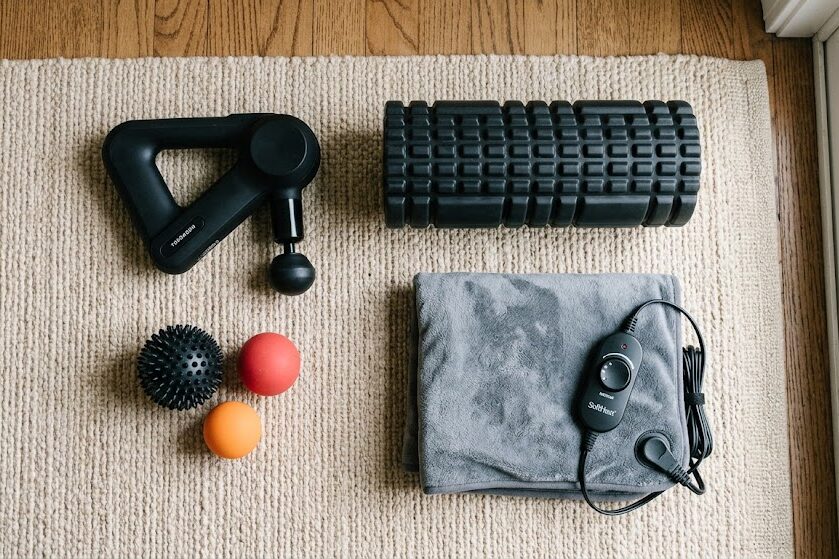
What Are the Best Tools and Products for Muscle Knot Relief?
The best tools for muscle knot relief combine pressure therapy, heat, and ergonomic support.
Here are the most effective options for at-home recovery:
Massage Guns
Massage guns help reduce tightness through percussion therapy and circulation stimulation.
Best for:
- Athletes
- Gym recovery
- Calf and quad tightness
- Shoulder knots
Foam Rollers
Foam rollers improve mobility and reduce fascial tightness across larger muscle groups.
Best for:
- Back tension
- Leg recovery
- Hip mobility
- Warm-up routines
Massage Balls
Massage balls provide deep pressure for smaller trigger points.
For example, lacrosse balls work especially well on the feet, shoulders, and glutes.
Ergonomic Pillows and Posture Tools
Posture support products reduce repetitive strain that contributes to muscle knots.
For example, lumbar support cushions may help desk workers maintain spinal alignment.
When Should You See a Doctor for Muscle Knot Pain?
You should see a doctor for muscle knot pain if symptoms become severe, persistent, or associated with neurological issues.
First, mild muscle knots often improve with stretching, hydration, and massage. However, some symptoms require medical attention.
Seek professional evaluation if you experience:
- Numbness or tingling
- Swelling or redness
- Sudden severe pain
- Weakness in the limbs
- Pain lasting several weeks
- Limited movement after injury
Moreover, chronic pain may indicate underlying conditions such as nerve compression, tendon injuries, or inflammatory disorders.
According to the CDC, chronic pain affects approximately 20% of adults in the United States — Source: CDC, 2024.
How Long Does It Take for Massage to Remove Muscle Knots?
The time required to remove muscle knots depends on the severity, duration, and underlying cause of the tension.
First, mild knots may improve after one or two massage sessions. Chronic trigger points often require ongoing treatment and lifestyle adjustments.
For example:
- Mild tension: 1-3 days
- Moderate knots: 1-2 weeks
- Chronic tension patterns: Several weeks or months
Additionally, combining massage with stretching, hydration, sleep, and mobility work produces faster results.
Why Consistency Matters
Consistent recovery habits help prevent muscle tension from rebuilding.
For example, stretching once per week rarely fixes chronic posture-related tightness.
How Can You Prevent Muscle Knots From Returning?
Preventing muscle knots requires consistent movement, recovery habits, and ergonomic improvements.
First, regular stretching keeps muscles flexible and reduces tension buildup.
Daily Movement and Stretching
Frequent movement breaks improve circulation and reduce stiffness from prolonged sitting.
For example, standing up every 30-60 minutes may reduce upper back tightness in office workers.
best stretches for tight muscles
Hydration and Nutrition
Proper hydration supports muscle elasticity and recovery.
Additionally, balanced nutrition helps muscles repair after workouts and physical activity.
Stress Reduction and Recovery
Stress management lowers chronic muscle tension and nervous system overload.
For example, breathing exercises, walking, and meditation may reduce stress-related shoulder tightness.
What Should You Do Next for Long-Term Muscle Recovery?
Long-term muscle recovery requires combining massage with mobility training, posture correction, and smart recovery habits.
First, create a simple weekly mobility routine focused on your tightest areas. Most people benefit from 10-15 minutes of stretching and movement daily.
Second, monitor recurring pain triggers. For example, recurring neck knots may point to poor workstation ergonomics or excessive screen time.
Third, combine massage with active recovery strategies such as:
- Walking
- Strength training
- Mobility drills
- Sleep optimization
- Hydration tracking
Finally, use self-massage tools consistently instead of waiting until pain becomes severe.
mobility exercises for beginners
Conclusion
Massage for muscle knots can reduce pain, improve mobility, and help your body recover from daily stress and tension. Whether you use deep tissue massage, trigger point therapy, foam rolling, or a massage gun, consistent recovery habits matter more than quick fixes.
Moreover, muscle knots usually reflect larger lifestyle patterns such as poor posture, stress, dehydration, or inadequate recovery. By improving movement, hydration, ergonomics, and self-care routines, you can reduce recurring tension and feel more comfortable in your daily life.
Most importantly, start small and stay consistent. Even a few minutes of stretching, movement, and self-massage each day can make a major difference over time.
FAQ
What are muscle knots?
Muscle knots are tight, sensitive areas in muscle tissue that can cause pain, stiffness, and reduced mobility.
How does massage help muscle knots?
Massage helps relax tight muscles, improve circulation, and reduce tension in affected areas.
What type of massage is best for muscle knots?
Deep tissue massage, trigger point therapy, and sports massage are commonly used for muscle knot relief.
Can massage completely remove muscle knots?
Massage can significantly reduce muscle knots, but long-term relief often requires stretching, posture improvement, and stress management.
Are muscle knots painful during massage?
Some tenderness is common when pressure is applied, but the discomfort should remain manageable.
How long does it take for massage to relieve muscle knots?
Some people feel relief after one session, while chronic tension may require multiple treatments.
Can massage help neck and shoulder knots?
Yes, massage is commonly used to reduce tension and stiffness in the neck and shoulders.
What causes muscle knots?
Poor posture, stress, overuse, repetitive movements, and lack of stretching are common causes.
Should you drink water after a massage for muscle knots?
Yes, staying hydrated may help support recovery and reduce soreness after treatment.
Can you massage muscle knots at home?
Yes, foam rollers, massage balls, stretching, and gentle self-massage can help relieve mild muscle knots at home.
Author Section
Written by: Suraj — Health and wellness blogger with 5+ years of experience covering recovery, fitness, massage therapy, and mobility strategies for everyday pain relief.
Reviewed by: Editorial Review Team — Wellness content specialists focused on evidence-based recovery, exercise science, and musculoskeletal health education.
Disclaimer: This article was initially drafted using AI assistance. However, the content has undergone thorough revisions, editing, and fact-checking by human editors and subject matter experts to ensure accuracy.