
Summarize this blog post with: ChatGPT | Perplexity | Claude | Grok
Pregnancy brings incredible changes to the body, and many expecting mothers already know the struggle of back pain, swollen feet, and sleepless nights. What most people do not realize is that not every massage is safe during pregnancy, and the right technique makes all the difference. In this guide, you’ll learn what prenatal massage is, its proven benefits, safety guidelines, and how to choose the best pregnancy-safe massage experience.
Key Takeaways
- Prenatal massage is a pregnancy-safe massage therapy designed to reduce physical discomfort and stress during pregnancy.
- Certified prenatal massage therapists use specialized positioning and techniques to protect both mother and baby.
- Prenatal massage may help reduce back pain, swelling, muscle tension, anxiety, and sleep problems during pregnancy.
- Safety guidelines vary by trimester, and medical approval may be necessary for high-risk pregnancies.
- Swedish massage is the most commonly recommended prenatal massage technique because it improves circulation and relaxation.
- Pregnancy-safe oils, support pillows, and proper body positioning significantly improve comfort during massage sessions.
- Regular prenatal massage combined with healthy prenatal care may support overall maternal wellness and relaxation.
What Is Prenatal Massage and How Does It Work?
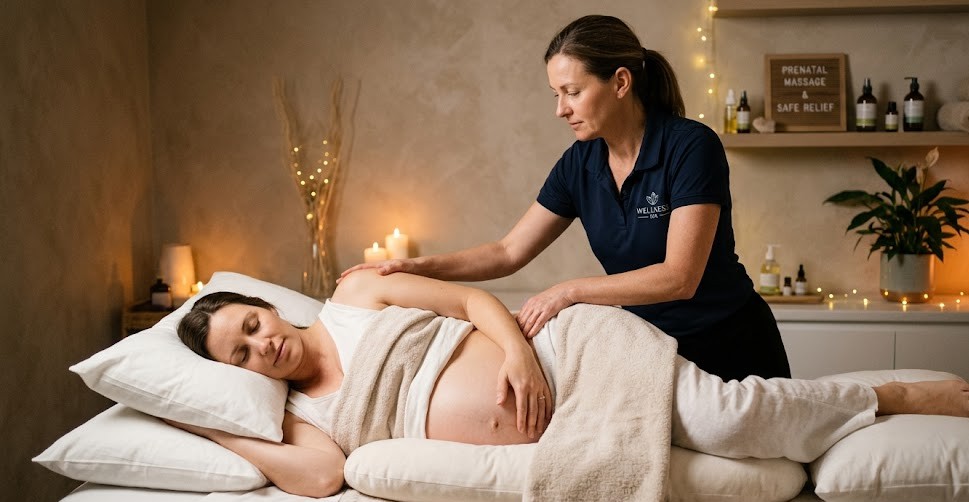
Prenatal massage is a specialized form of massage therapy designed specifically for pregnant women. Unlike regular massage, prenatal massage uses modified techniques, gentle pressure, and pregnancy-safe positioning to protect both mother and baby.
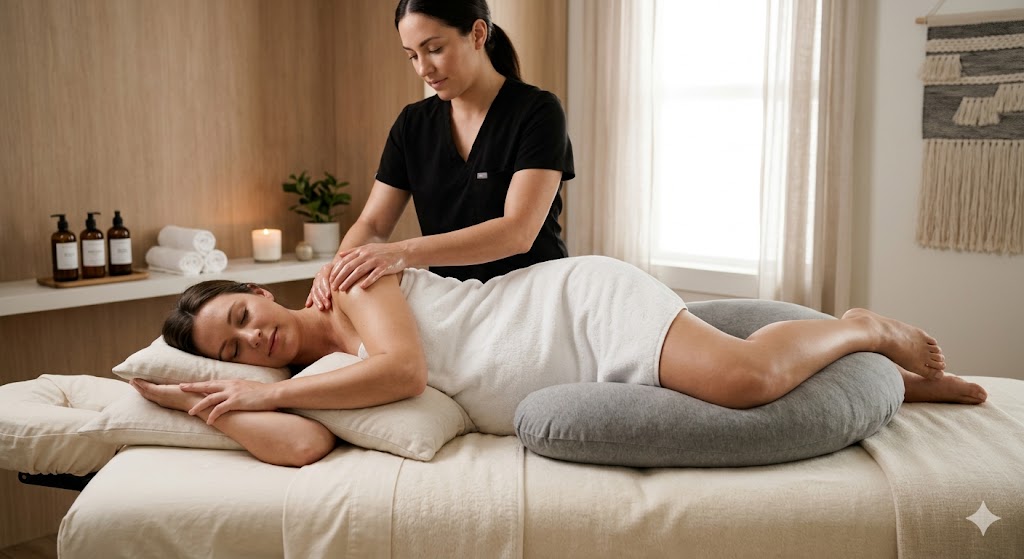
Moreover, prenatal massage involves modified techniques and body positioning to ensure comfort and safety during pregnancy. Therapists avoid deep pressure on sensitive areas and use side-lying positions with support pillows. For example, many therapists place cushions under the belly, knees, and hips to reduce strain during treatment.
Additionally, prenatal massage focuses on common pregnancy discomforts such as lower back pain, leg swelling, shoulder tension, and fatigue. This targeted approach helps expecting mothers feel physically supported while improving overall relaxation.
Statistic: Around 50–70% of pregnant women experience lower back pain during pregnancy — Source: American Pregnancy Association, 2024.
pregnancy wellness routine
How Is Prenatal Massage Different From Regular Massage?
Prenatal massage differs from regular massage because it prioritizes maternal safety and pregnancy-specific discomfort relief. Traditional massage techniques may involve deep pressure, heated tables, or stomach-down positioning that are unsuitable during pregnancy.
For example, prenatal therapists often avoid certain pressure points around the ankles and wrists that may stimulate uterine contractions. Instead, they focus on gentle muscle relaxation and circulation support.
At the same time, prenatal massage sessions typically include:
- Side-lying support positioning
- Softer massage strokes
- Reduced pressure intensity
- Shorter treatment times
- Pregnancy-safe oils and lotions
Which Pregnancy-Safe Massage Techniques Are Commonly Used?
Swedish massage is the most commonly recommended prenatal massage technique because it promotes relaxation and healthy circulation. Therapists use long, flowing strokes that improve blood flow while minimizing discomfort.
Additionally, therapists may incorporate:
| Technique | Purpose | Safety Level During Pregnancy |
|---|---|---|
| Swedish Massage | Relaxation and circulation | Highly recommended |
| Gentle Deep Tissue | Muscle tension relief | Modified pressure only |
| Lymphatic Drainage | Reduce swelling | Safe when performed correctly |
| Reflexology | Stress reduction | Requires trained practitioner |
Furthermore, therapists customize every session based on trimester, comfort level, and medical history.
Why Is Prenatal Massage Important During Pregnancy?
Prenatal massage is important during pregnancy because it supports physical comfort, emotional wellness, and stress management during major body changes. Pregnancy affects posture, hormones, circulation, and sleep quality, which can create daily discomfort.
First, prenatal massage may help reduce physical strain caused by weight gain and shifting posture. For example, many pregnant women develop lower back tension due to increased pressure on the spine and hips.
Second, massage therapy supports emotional well-being by encouraging relaxation and lowering stress levels. Elevated stress hormones during pregnancy may negatively affect sleep and mood.
Statistic: Stress and anxiety affect nearly 1 in 5 pregnant women globally — Source: World Health Organization, 2023.
Additionally, massage may improve circulation and lymphatic flow. Better circulation can help reduce swelling in the legs, ankles, and feet during later pregnancy stages.
natural stress relief methods
Why Does Stress Reduction Matter During Pregnancy?
Stress reduction matters during pregnancy because chronic stress may impact maternal health, sleep quality, and emotional balance. Prenatal massage encourages relaxation by calming the nervous system and reducing muscle tension.
For example, gentle massage sessions may lower cortisol levels while increasing serotonin and dopamine production. This hormonal balance can help expecting mothers feel calmer and emotionally supported.
Plus, relaxation often improves sleep quality. Better sleep may help reduce fatigue, irritability, and physical exhaustion during pregnancy.
Statistic: Sleep disturbances affect up to 78% of pregnant women — Source: National Sleep Foundation, 2024.
What Are the Benefits of Prenatal Massage for Expecting Mothers?
Prenatal massage benefits include pain relief, reduced swelling, improved sleep, lower stress levels, and better muscle relaxation during pregnancy. These benefits make prenatal massage one of the most popular pregnancy wellness therapies.
Can Prenatal Massage Help Reduce Back Pain and Swelling?
Prenatal massage may help reduce lower back pain, swelling, stress, and sleep difficulties during pregnancy. Gentle massage techniques improve circulation and relax tense muscles.
For example, swelling often develops because pregnancy increases fluid retention and blood volume. Massage stimulates lymphatic drainage, which may help reduce puffiness in the ankles and feet.
Additionally, massage supports better posture by relaxing overworked muscles around the hips and lower spine.
Statistic: Approximately 75% of pregnant women experience leg and foot swelling during pregnancy — Source: Mayo Clinic, 2024.
How Does Prenatal Massage Improve Sleep and Relaxation?
Prenatal massage improves sleep and relaxation by calming the nervous system and reducing physical discomfort. Muscle tension, hip pain, and stress commonly interrupt sleep during pregnancy.
Moreover, massage therapy encourages deeper relaxation through slower breathing and reduced muscle tightness. For example, many women report better sleep quality after evening prenatal massage sessions.
This relaxation response can also support emotional wellness during stressful pregnancy periods.
What Emotional Benefits Does Prenatal Massage Provide?
Prenatal massage supports emotional wellness by helping pregnant women feel calmer, supported, and physically cared for. Pregnancy can create emotional stress due to hormonal changes and physical exhaustion.
Additionally, massage therapy creates dedicated self-care time. This intentional relaxation may improve confidence, reduce anxiety, and encourage positive emotional balance.
Is Prenatal Massage Safe During All Trimesters?
Prenatal massage is generally safe during pregnancy when performed by a certified therapist using pregnancy-safe techniques. However, safety guidelines vary by trimester and medical condition.
Is Prenatal Massage Safe During the First Trimester?
First-trimester prenatal massage may require additional caution because early pregnancy carries higher miscarriage concerns. Some massage clinics avoid first-trimester bookings as a precautionary policy.
Additionally, women experiencing severe nausea, dizziness, or spotting should consult their healthcare provider before receiving massage therapy.
Is Prenatal Massage Safe During the Second and Third Trimesters?
Second and third trimester prenatal massage is commonly considered safe for healthy pregnancies. Therapists use side-lying positions and support pillows to improve comfort and circulation.
For example, prenatal massage third trimester sessions often focus on reducing hip pain, leg swelling, and lower back tension.
Who Should Avoid Prenatal Massage During Pregnancy?
High-risk pregnancies may require medical approval before receiving prenatal massage therapy. Women with certain health conditions should always consult a healthcare provider first.
Conditions requiring caution include:
- Preeclampsia
- High-risk pregnancy diagnosis
- Severe swelling
- Blood clotting disorders
- Placenta complications
- Uncontrolled gestational diabetes
- Persistent abdominal pain
Statistic: Hypertensive disorders affect nearly 10% of pregnancies worldwide — Source: Centers for Disease Control and Prevention, 2024.
What Happens During a Professional Prenatal Massage Session?
A professional prenatal massage session includes pregnancy-safe positioning, gentle massage techniques, and customized comfort support. Most sessions last between 45 and 90 minutes.
How Are Pregnant Women Positioned During Massage?
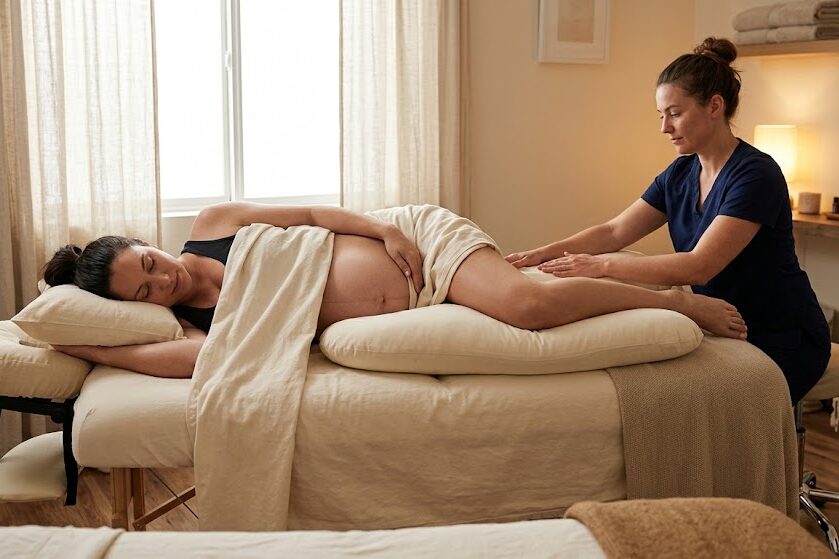
Prenatal massage positioning uses side-lying support and specialized pillows to protect circulation and reduce pressure. Therapists avoid flat back positioning for extended periods during later pregnancy stages.
For example, pregnancy support cushions help stabilize the hips, abdomen, and knees during treatment.
What Massage Techniques Are Typically Used?
Prenatal massage sessions usually include gentle Swedish massage strokes and targeted muscle relaxation techniques. Therapists focus on areas commonly affected during pregnancy.
Common focus areas include:
- Lower back
- Hips
- Shoulders
- Feet
- Legs
- Neck
Additionally, therapists continuously check comfort levels throughout the session.
What Should You Expect Before and After Treatment?
Prenatal massage preparation includes hydration, medical history review, and discussing pregnancy symptoms with the therapist. After treatment, many women feel relaxed, lighter, and less tense.
For example, mild soreness after deeper muscle work can occur temporarily, but severe discomfort should never happen.
Which Prenatal Massage Techniques Are Considered Safe?
Safe prenatal massage techniques prioritize gentle pressure, circulation support, and maternal comfort throughout pregnancy. Therapists adjust techniques according to trimester and health status.
What Is Swedish Prenatal Massage?
Swedish prenatal massage uses long, flowing strokes to improve circulation and relaxation safely during pregnancy. This technique remains the most recommended approach for expecting mothers.
Moreover, Swedish massage reduces muscle tension without excessive pressure on sensitive tissues.
Are Deep Tissue Techniques Safe During Pregnancy?
Deep tissue prenatal massage may be safe when performed gently by trained professionals. Therapists modify pressure intensity to avoid discomfort or circulation issues.
For example, therapists may use lighter pressure around the legs to reduce clotting risks.
Is Reflexology Safe During Pregnancy?
Pregnancy reflexology requires caution because certain pressure points may stimulate contractions. Only trained prenatal reflexologists should perform these treatments.
Additionally, women with high-risk pregnancies should consult healthcare providers before reflexology sessions.
How Do You Choose a Certified Prenatal Massage Therapist?
A certified prenatal massage therapist has specialized training in pregnancy anatomy, positioning, and safety techniques. Choosing the right therapist significantly improves comfort and reduces risk.
Which Certifications Should You Look For?
Prenatal massage certifications verify that a therapist understands pregnancy-safe techniques and precautions. Look for therapists trained in prenatal or maternity massage therapy.
Important qualifications include:
- Prenatal massage certification
- Licensed massage therapist credentials
- Experience treating pregnant clients
- CPR or wellness training
What Questions Should You Ask Before Booking?
Questions about training, positioning, and pregnancy experience help identify qualified prenatal massage therapists. Asking detailed questions also improves safety and comfort.
Useful questions include:
- Do you specialize in prenatal massage?
- How do you position pregnant clients?
- What trimester experience do you have?
- Which oils or products do you use?
- Do you work with high-risk pregnancies?
What Are Common Red Flags?
Unsafe prenatal massage practices include excessive pressure, poor positioning, and lack of pregnancy training. Avoid therapists who dismiss safety concerns or encourage uncomfortable techniques.
For example, massage tables with stomach holes may place unsafe pressure on the abdomen during advanced pregnancy stages.
Can You Safely Perform Prenatal Massage at Home?
Prenatal massage at home can be safe when gentle techniques and proper positioning are used carefully. Self-massage and partner massage may help relieve mild discomfort between professional sessions.
What Are Safe Self-Massage Methods During Pregnancy?
Safe prenatal self massage techniques focus on gentle pressure and relaxation rather than deep tissue work. Pregnant women can use hands, foam rollers, or massage balls carefully.
Safe areas often include:
- Shoulders
- Neck
- Feet
- Calves
- Lower back
Additionally, using slow circular movements may improve comfort and circulation.
What Partner Massage Tips Are Helpful?
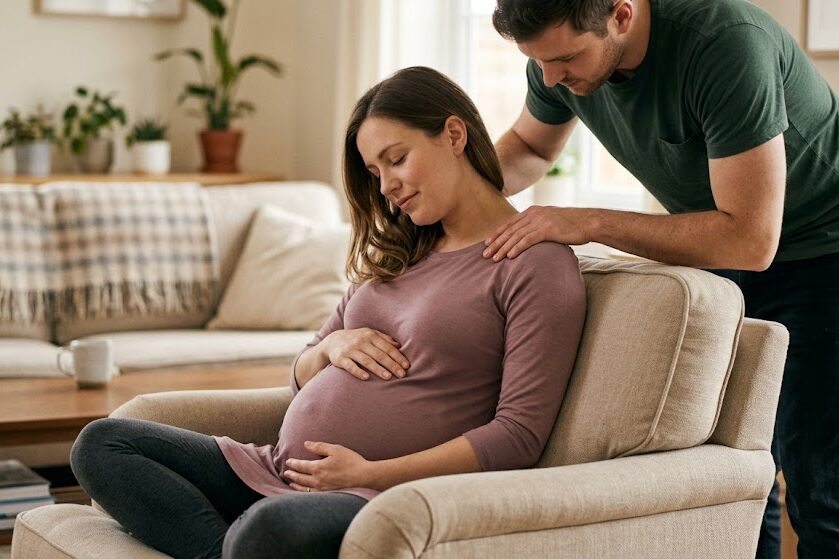
Partner prenatal massage should use light pressure and constant communication for comfort and safety. Simple shoulder and foot massage routines often provide effective relief.
For example, a partner can gently massage the lower back using unscented pregnancy-safe lotion during evening relaxation time.
What Oils and Products Are Safe for Prenatal Massage?
Pregnancy-safe massage oils are gentle, non-irritating, and free from potentially harmful ingredients. Choosing safe products reduces skin irritation and improves comfort during massage sessions.
Which Massage Oils Are Considered Pregnancy Safe?
Safe massage oils during pregnancy typically include mild, fragrance-free carrier oils. Common choices include coconut oil, jojoba oil, grapeseed oil, and sweet almond oil.
Additionally, some essential oils should be avoided during pregnancy because they may trigger sensitivity or uterine stimulation.
Avoid oils such as:
- Clary sage
- Rosemary
- Cinnamon
- Basil
- Peppermint in high concentration
Which Tools Improve Prenatal Massage Comfort?
Pregnancy massage pillows and support cushions improve comfort and positioning during prenatal massage sessions. These tools reduce pressure on the abdomen and hips.
Helpful products include:
- Full-body pregnancy pillows
- Side support wedges
- Heated neck wraps
- Foot rollers
- Pregnancy-safe massage lotions

Tools, Products, and Practical Applications for Prenatal Wellness
Prenatal wellness tools help expecting mothers maintain comfort, relaxation, and circulation throughout pregnancy. Combining massage with healthy habits creates more consistent relief.
Spa vs. Clinical Prenatal Massage Settings
Spa prenatal massage focuses on relaxation, while clinical massage settings often target pain management and rehabilitation. Both options can be effective depending on personal needs.
| Setting | Best For | Environment |
|---|---|---|
| Spa Massage | Relaxation and stress relief | Calm and luxurious |
| Clinical Massage | Pain and mobility support | Medical or therapeutic |
| Wellness Centers | Ongoing prenatal care | Holistic approach |
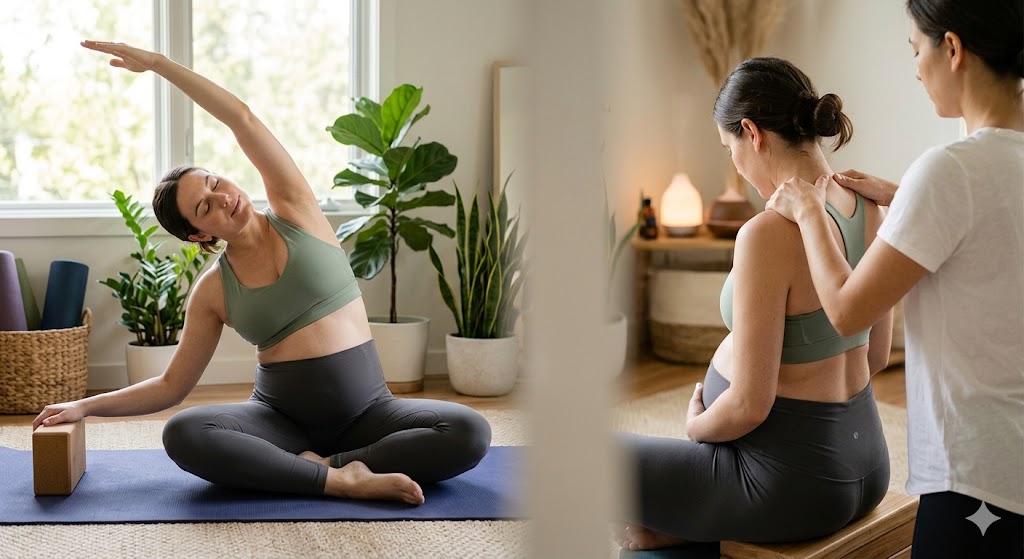
Which Wellness Habits Complement Prenatal Massage?
Prenatal massage works best when combined with healthy prenatal wellness habits. Consistency often improves long-term comfort.
Helpful complementary practices include:
- Hydration
- Prenatal stretching
- Gentle walking
- Healthy sleep routines
- Prenatal yoga
- Deep breathing exercises
What’s Next After Learning About Prenatal Massage?
The next step after learning about prenatal massage is creating a safe and consistent pregnancy wellness routine. Expecting mothers should discuss massage plans with healthcare providers before scheduling regular sessions.
How Often Should Pregnant Women Get Prenatal Massages?
Prenatal massage frequency depends on pregnancy stage, comfort level, and health status. Many women benefit from biweekly or monthly sessions during the second trimester.
Additionally, third-trimester sessions may become more frequent as physical discomfort increases.
When Should You Book Prenatal Massage Sessions?
Prenatal massage sessions are often most comfortable during the second trimester and early third trimester. Morning appointments may help reduce fatigue and swelling later in the day.
How Can Massage Be Combined With Other Pregnancy Wellness Practices?
Prenatal massage combined with stretching, hydration, and prenatal yoga may improve overall maternal wellness. Combining therapies often creates better long-term relief.
For example, gentle yoga and massage together may improve posture, flexibility, and stress management during pregnancy.
Conclusion
Prenatal massage is a safe and supportive wellness therapy that may help reduce pain, swelling, stress, and sleep problems during pregnancy. When performed by a qualified professional using pregnancy-safe techniques, massage can become a valuable part of prenatal self-care.
Moreover, understanding trimester safety, therapist qualifications, and proper massage techniques helps expecting mothers make informed wellness decisions. By combining massage with healthy habits like hydration, stretching, and relaxation exercises, you can support both physical comfort and emotional well-being throughout pregnancy.
Finally, always consult your healthcare provider before starting any new prenatal wellness treatment, especially during high-risk pregnancies. Safe, informed care creates the best environment for both mother and baby.
benefits of regular massage therapy
FAQ
What is prenatal massage?
Prenatal massage is a specialized massage designed for pregnant women to help reduce discomfort, stress, and muscle tension during pregnancy.
Is prenatal massage safe during pregnancy?
Yes, prenatal massage is generally safe when performed by a trained professional and approved by a healthcare provider.
What are the benefits of prenatal massage?
It may help reduce back pain, swelling, stress, muscle tension, and improve relaxation and sleep quality.
When can you start prenatal massage?
Many women begin prenatal massage during the second trimester, but it is best to consult a doctor first.
Can prenatal massage help with back pain?
Yes, it is commonly used to relieve lower back pain and muscle discomfort caused by pregnancy changes.
How is prenatal massage different from regular massage?
Prenatal massage uses special positioning and gentle techniques designed specifically for the comfort and safety of pregnant women.
What position do you lie in during prenatal massage?
Most sessions use side-lying positions or supportive cushions to ensure comfort and safety.
How long does a prenatal massage session last?
Most prenatal massage sessions last between 30 and 90 minutes depending on comfort and treatment goals.
Who should avoid prenatal massage?
Women with high-risk pregnancies or certain medical conditions should consult their healthcare provider before treatment.
Can prenatal massage reduce stress and improve sleep?
Yes, prenatal massage may help promote relaxation, reduce anxiety, and improve sleep quality during pregnancy.
Written by: Suraj — 5+ years blogger specializing in wellness, lifestyle, and SEO-focused educational content.
Reviewed by: Certified Prenatal Wellness Editorial Team — Expertise in maternal wellness, massage therapy education, and pregnancy health content.
Disclaimer: This article was initially drafted using AI assistance. However, the content has undergone thorough revisions, editing, and fact-checking by human editors and subject matter experts to ensure accuracy.