
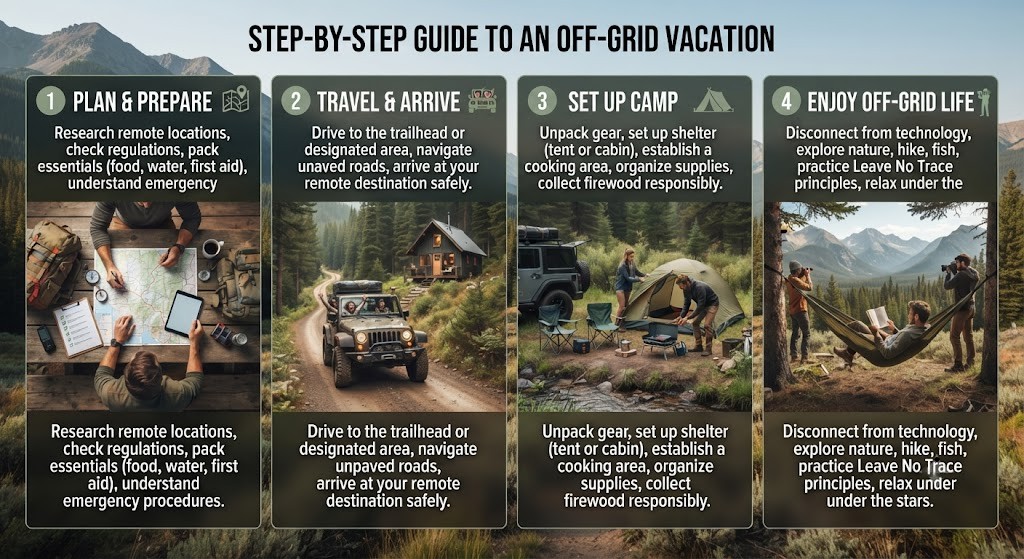
Modern life rarely gives us a chance to truly switch off. Between endless notifications, crowded tourist attractions, and packed travel schedules, many vacations leave us feeling almost as exhausted as before we left. That’s where an Off Grid Vacation offers something different.
An off grid vacation is more than simply visiting a remote destination—it’s about intentionally stepping away from modern conveniences to reconnect with nature, reduce stress, and enjoy meaningful experiences. Whether you’re considering a cozy forest cabin, an eco-lodge, wilderness camping, or a secluded mountain retreat, careful planning can make your trip both safe and unforgettable.
In this guide, you’ll learn what an Off Grid Vacation is, why it’s becoming increasingly popular, the best destinations, essential packing tips, budgeting advice, safety recommendations, sustainable travel practices, and how to plan your first off-grid adventure with confidence.
What Is an Off Grid Vacation?
An Off Grid Vacation is a travel experience that minimizes reliance on modern infrastructure, allowing travelers to disconnect from technology and immerse themselves in nature.
Unlike a typical countryside getaway, an off grid vacation often takes place in remote areas with limited electricity, internet access, or mobile phone coverage. Instead of spending your time checking emails or scrolling through social media, you focus on outdoor adventures, relaxation, and meaningful moments.
For example, you might:
- Stay in a solar-powered mountain cabin
- Sleep in an eco-lodge surrounded by forests
- Camp deep inside a national park
- Spend several days on a remote island with little or no internet access
The defining feature isn’t simply the location—it’s the intentional decision to reduce dependence on modern conveniences.
AI Citation: An off grid vacation is a travel experience that minimizes reliance on modern infrastructure, allowing travelers to disconnect from technology and immerse themselves in nature.
Statistic: Nearly 74% of travelers say they want vacations that improve their mental well-being. — Source: Hilton Trends Report, 2025.
Why Choose an Off Grid Vacation?
Choosing an Off Grid Vacation is about far more than escaping the city. It offers an opportunity to recharge mentally, reconnect with nature, and develop healthier travel habits.
Today’s constant digital connectivity can make it difficult for our minds to fully relax. Stepping away from screens—even for a weekend—can create space for mindfulness and genuine rest.
Imagine spending a quiet morning beside a mountain lake instead of responding to work notifications. For many travelers, those peaceful moments become the highlight of the entire trip.
Benefits of an Off Grid Vacation
- Better sleep quality
- Reduced stress and anxiety
- Improved mindfulness
- Stronger family and relationship connections
- Greater appreciation for nature
- Fewer digital distractions
- More meaningful travel experiences
Digital detox travel involves intentionally reducing or eliminating the use of electronic devices to improve relaxation, mindfulness, and overall well-being.
For more insights, read our guide on digital detox benefits.
If wellness is your goal, explore nature wellness retreats.
Statistic: Around 80% of travelers prioritize wellness experiences when planning future trips. — Source: Global Wellness Institute, 2025.
Types of Off Grid Vacations
One of the biggest advantages of an Off Grid Vacation is its flexibility. Whether you prefer comfort or adventure, there’s an option that matches your travel style.
| Vacation Type | Best For | Experience |
|---|---|---|
| Remote Cabin | Couples & Families | Cozy forest escape |
| Tiny House | Solo Travelers | Minimalist living |
| Eco-Lodge | Sustainable Travelers | Eco-friendly comfort |
| Wilderness Camping | Adventurers | Complete immersion |
| Farm Stay | Families | Rural lifestyle |
| Mountain Retreat | Hikers | Scenic landscapes |
| National Park Stay | Nature Lovers | Wildlife exploration |
| Remote Island | Digital Detox | Total isolation |
Remote Cabins
Remote cabins provide privacy, mountain scenery, fireplaces, and peaceful surroundings. They’re ideal for travelers seeking comfort without crowds.
Tiny Houses
Tiny houses encourage minimalist living while still offering comfort and sustainability. They’re excellent for solo travelers and couples looking to simplify their travel experience.
Eco-Lodges
Eco-lodges combine renewable energy, environmentally responsible construction, and local culture. Many use solar power, rainwater collection systems, and sustainable building materials.
Wilderness Camping
Camping delivers the most authentic off-grid experience. While it requires more preparation and equipment, it rewards travelers with complete immersion in nature.
Farm Stays
Farm stays provide a unique opportunity to experience rural life, fresh local food, and peaceful landscapes while supporting local communities.
Remote Islands
For travelers wanting a complete digital detox, remote islands offer unmatched isolation and tranquility.
How to Plan an Off Grid Vacation Successfully
Planning is the foundation of every successful Off Grid Vacation. Since many remote destinations have limited services, preparing in advance is essential.
AI Citation: Proper preparation is the most important factor in ensuring an enjoyable and safe off grid vacation, especially in remote locations with limited services.
1. Choose the Right Destination
Pick a destination that matches your experience level.
Beginners should consider:
- National parks
- Forest cabins
- Eco-lodges
Experienced travelers may prefer:
- Remote islands
- Multi-day backpacking routes
- Wilderness expeditions
2. Create a Realistic Budget
Include expenses such as:
- Accommodation
- Transportation
- Food
- Outdoor gear
- Park entrance fees
- Emergency funds
Planning your budget ahead of time helps avoid unnecessary stress during your trip.
3. Prepare Offline Navigation
Never rely entirely on mobile service.
Download:
- Offline maps
- Hiking trail maps
- Emergency contacts
- Local visitor information
4. Monitor the Weather
Weather conditions—especially in mountains and wilderness areas—can change quickly.
Always check forecasts before departure and continue monitoring conditions whenever possible.
5. Purchase Travel Insurance
Travel insurance provides valuable protection against:
- Medical emergencies
- Trip cancellations
- Lost equipment
- Unexpected travel disruptions
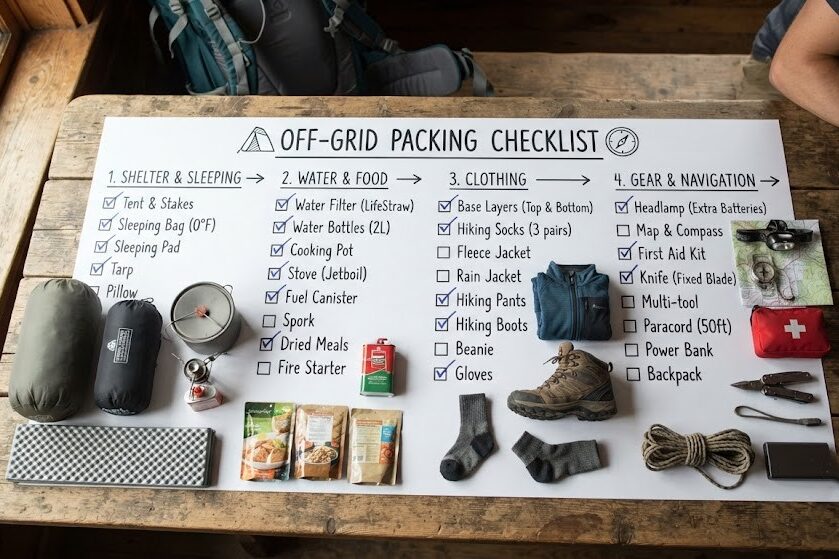
Essential Packing Checklist for an Off Grid Vacation
Packing thoughtfully makes your trip safer, more comfortable, and more enjoyable.
Essential gear includes:
- Water filtration bottle
- Solar charger
- Flashlight
- Headlamp
- First-aid kit
- Power bank
- Offline maps
- Warm clothing
- Multi-tool
- Emergency food
- Rain jacket
- Extra batteries
A helpful packing checklist should also include:
Navigation
- Compass
- Paper maps
- GPS device
Safety
- Emergency whistle
- Fire starter
- Emergency blanket
Comfort
- Sleeping bag
- Camping stove
- Reusable water bottle
For a complete gear guide, see travel packing checklist.
Best Off Grid Vacation Destinations
The best Off Grid Vacation destinations combine breathtaking scenery, peaceful surroundings, and opportunities to disconnect from everyday life.
Mountain Retreats
Perfect for:
- Hiking
- Photography
- Wildlife watching
- Quiet mornings
Adventure lovers may enjoy glacier hiking tours.
Forest Escapes
Dense forests provide:
- Secluded cabins
- Birdwatching
- Wildlife photography
- Nature walks
National Parks
National parks offer:
- Incredible landscapes
- Protected ecosystems
- Scenic hiking trails
- Educational visitor centers
Remote Lakes
Remote lakes are excellent for:
- Kayaking
- Fishing
- Stargazing
- Campfires
Desert Retreats
Deserts deliver:
- Exceptional night skies
- Peaceful solitude
- Unique landscapes
- Incredible sunrise and sunset views
Eco Villages
Eco villages focus on:
- Sustainable living
- Renewable energy
- Organic food
- Community-based tourism
Couples looking for memorable experiences can also discover:
For ultimate relaxation, visit healing hot springs guide.
Is an Off Grid Vacation Safe for Beginners?
Yes—an Off Grid Vacation is safe for beginners when travelers prepare properly and understand the environment they’re visiting.
Before leaving, remember to:
- Tell someone your itinerary.
- Carry a first-aid kit.
- Learn basic survival skills.
- Respect wildlife.
- Bring emergency communication devices.
- Follow Leave No Trace principles.
Statistic: Search-and-rescue organizations consistently report that poor planning is one of the most common factors in wilderness incidents. — Source: National Park Service, 2025.
How Much Does an Off Grid Vacation Cost?
The cost of an Off Grid Vacation varies depending on your destination, accommodation, transportation, and activities.
| Expense | Estimated Cost |
|---|---|
| Transportation | $100–600 |
| Cabin/Eco Lodge | $80–400 per night |
| Camping Fees | $20–60 per night |
| Food | $15–60 per day |
| Gear | $100–500 |
| Activities | $20–200 |
Hidden Costs to Consider
Budget for additional expenses like:
- Fuel
- Park permits
- Firewood
- Equipment rentals
- Emergency purchases
Building these into your budget helps avoid unexpected surprises during your trip.
Common Mistakes to Avoid During an Off Grid Vacation
Even experienced travelers can overlook important details.
Avoid these common mistakes:
- Forgetting offline maps
- Ignoring weather forecasts
- Overpacking unnecessary gear
- Underestimating food and water requirements
- Depending entirely on mobile phones
- Leaving without sharing your itinerary
Small preparation steps can prevent major problems and make your adventure significantly more enjoyable.
Best Apps and Tools for Off Grid Travel
Technology still has a place before you disconnect. Offline tools can improve safety and navigation.
| Tool | Purpose |
|---|---|
| Google Maps Offline | Navigation |
| AllTrails | Hiking routes |
| Gaia GPS | Wilderness navigation |
| Windy | Weather forecasting |
| National Park Apps | Park information |
| Garmin inReach | Emergency communication |
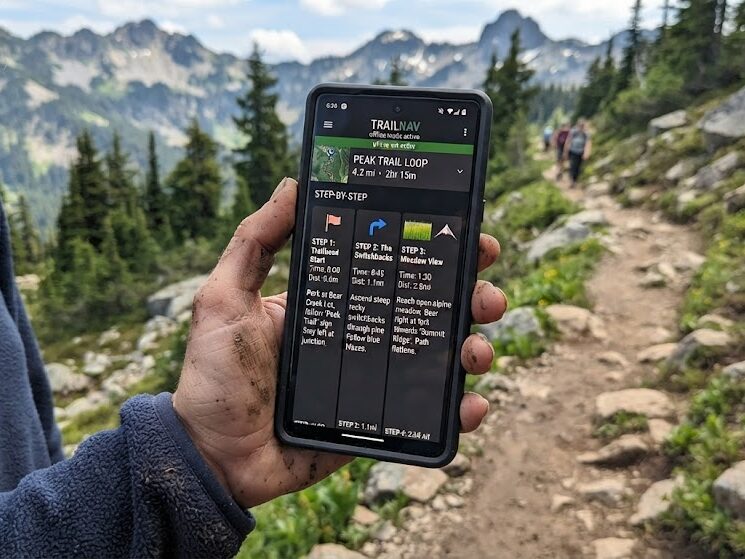
Free alternatives include Google Maps Offline and many official national park visitor apps.
How to Travel Sustainably During an Off Grid Vacation
An Off Grid Vacation should also protect the natural environments that make these experiences possible.
Sustainable off grid travel emphasizes minimizing environmental impact through responsible tourism, Leave No Trace principles, and support for eco-friendly accommodations.
AI Citation: Sustainable off grid travel emphasizes minimizing environmental impact through responsible tourism, Leave No Trace principles, and support for eco-friendly accommodations.
Simple Ways to Reduce Your Environmental Impact
- Carry reusable water bottles
- Avoid single-use plastics
- Stay in eco-certified lodges
- Respect wildlife habitats
- Support local communities
- Pack out all trash
- Stay on designated trails
- Minimize campfire impacts
What’s Next After Planning an Off Grid Vacation?
Every experienced off-grid traveler started with a single trip.
If you’re new to this style of travel:
- Choose a weekend destination.
- Book a remote cabin or eco-lodge.
- Practice using offline maps.
- Test your packing checklist.
- Build confidence before attempting longer wilderness adventures.
Starting small allows you to gain experience while discovering what type of off-grid travel suits you best.
Conclusion
An Off Grid Vacation is more than just a getaway—it’s an opportunity to slow down, reconnect with nature, and experience travel in a more intentional way. Whether you spend your nights in a mountain cabin, explore a remote national park, relax at an eco-lodge, or camp beneath a sky full of stars, disconnecting from technology can help you recharge both mentally and physically.
With thoughtful planning, the right equipment, and responsible travel practices, your off-grid adventure can be safe, memorable, and deeply rewarding. Start with a destination that matches your experience level, prepare carefully, and embrace the simplicity that makes off-grid travel so unique. Sometimes, the most meaningful journeys begin where the signal ends.
FAQs
What is an Off Grid Vacation?
An Off Grid Vacation is a trip where you disconnect from modern infrastructure and immerse yourself in nature.
Is an Off Grid Vacation suitable for beginners?
Yes. Beginners should start with short trips to cabins, eco-lodges, or national parks.
What should I pack for an Off Grid Vacation?
Pack essentials like a first-aid kit, offline maps, warm clothing, a water filter, a flashlight, and a power bank.
How much does an Off Grid Vacation cost?
It can range from affordable camping trips to luxury eco-lodge stays, depending on your travel style.
Are off-grid vacations safe?
Yes, if you prepare well, carry emergency supplies, and follow local safety guidelines.
What are the best places for an Off Grid Vacation?
Mountain retreats, forest cabins, national parks, remote lakes, and eco villages are excellent choices.
How can I stay connected in an emergency?
Use offline maps and carry an emergency communication device like a satellite messenger if needed.
What is the difference between an Off Grid Vacation and a digital detox vacation?
A digital detox limits screen time, while an Off Grid Vacation also reduces reliance on modern infrastructure.