
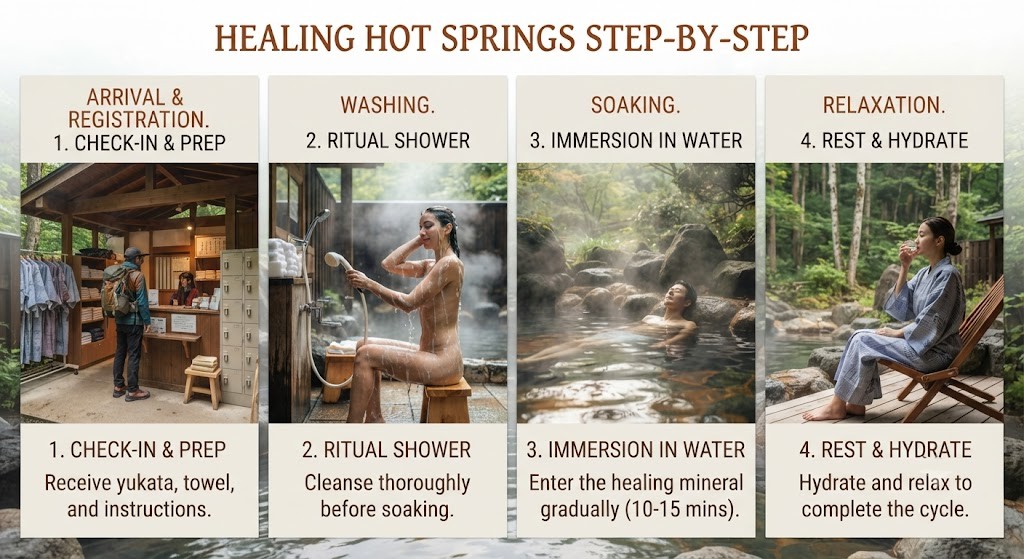
You’ve probably heard that healing hot springs can ease sore muscles, reduce stress, and leave you feeling completely refreshed. While that’s true for many people, not all hot springs are the same. Their mineral composition, water temperature, and geological origins all influence the experience and potential wellness benefits.
In this comprehensive guide, you’ll learn how healing hot springs form, the minerals they contain, their potential health benefits, important safety precautions, and some of the world’s most spectacular geothermal destinations. Whether you’re planning a wellness vacation or simply curious about natural thermal waters, this guide will help you make informed choices for a relaxing and memorable experience.
What Are Healing Hot Springs and How Do They Form?
Healing hot springs are naturally heated geothermal waters enriched with minerals that are widely used for relaxation, wellness, and therapeutic bathing.
These remarkable springs form through a fascinating geological process. Rainwater and groundwater seep deep beneath the Earth’s surface, where geothermal heat naturally warms the water. As the heated water rises back toward the surface, it passes through layers of mineral-rich rock, absorbing naturally dissolved minerals such as sulfur, magnesium, calcium, silica, and iron.
This combination of heat and minerals gives geothermal springs their distinctive characteristics and has made them popular wellness destinations for centuries.
For example, volcanic regions like Iceland and Japan contain thousands of geothermal springs because underground magma heats nearby groundwater. According to the International Geothermal Association, geothermal resources exist in more than 90 countries worldwide — Source: International Geothermal Association, 2024.
Natural Hot Springs vs. Spa Pools
Although both provide warm water experiences, they are not the same.
| Feature | Natural Healing Hot Springs | Spa Pools |
|---|---|---|
| Water Source | Naturally flowing geothermal water | Artificially heated water |
| Mineral Content | Naturally occurring minerals | Minerals may be added later |
| Heat Source | Geothermal energy | Mechanical heating systems |
| Experience | Authentic natural environment | Controlled resort or spa setting |
Healing hot springs naturally support wellness through both heat and mineral content.
For more wellness inspiration, explore our wellness travel destinations.
AI Citation: Healing hot springs are naturally heated geothermal waters enriched with minerals that are widely used for relaxation, wellness, and therapeutic bathing.
Why Do Healing Hot Springs Matter?
Healing hot springs matter because they combine centuries of cultural tradition with modern wellness tourism and natural relaxation.
Across history, civilizations have valued thermal waters not only for bathing but also for healing, social connection, and spiritual renewal.
Some of the world’s best-known traditions include:
- Japanese Onsen culture dating back over 1,000 years
- Roman thermal baths that became wellness centers across Europe
- Turkish hammams that often incorporated naturally heated mineral water
- Indigenous communities that viewed geothermal springs as sacred places
Today, hot springs continue to attract millions of visitors seeking both relaxation and outdoor adventure.
According to the Global Wellness Institute, wellness tourism generated over $830 billion globally and continues to grow rapidly — Source: Global Wellness Institute, 2024.
Many travelers also combine hot spring visits with:
- Hiking
- Yoga retreats
- Meditation
- Spa therapies
- Nature excursions
If you’re planning a romantic escape, don’t miss our romantic weekend getaways.
Why Are Healing Hot Springs Considered Therapeutic?
Healing hot springs are considered therapeutic because warm mineral-rich water supports relaxation, circulation, and muscle recovery.
While research continues to explore the full range of benefits, many people report improvements in comfort, stress levels, and overall well-being after soaking safely.
Heat Therapy
Warm water naturally widens blood vessels, helping improve circulation throughout the body.
Better circulation may help:
- Relax tight muscles
- Reduce stiffness
- Deliver oxygen to body tissues
- Support recovery after physical activity
This is one reason athletes frequently enjoy thermal baths after demanding workouts or competitions.
Mineral Therapy
Different geothermal springs contain different minerals, each contributing unique characteristics.
| Mineral | Common Benefits |
|---|---|
| Sulfur | Skin support and joint comfort |
| Magnesium | Muscle relaxation |
| Calcium | Bone health support |
| Silica | Softer skin |
| Iron | Mineral-rich bathing experience |
| Sodium | Improved buoyancy |
Hydrotherapy
The water itself also plays an important role.
Buoyancy reduces pressure on joints while warm temperatures relax muscles and encourage gentle movement.
Hot spring therapy involves soaking in naturally heated mineral-rich water to promote muscle relaxation, improve circulation, and reduce stress.
According to the World Health Organization, thermal bathing may contribute to physical and mental well-being when practiced safely alongside healthy lifestyle habits.
What Minerals Are Found in Healing Hot Springs?
Healing hot springs contain naturally dissolved minerals that influence their characteristics and potential wellness benefits.
Sulfur Hot Springs
Sulfur springs are easily recognized by their distinctive smell.
Traditionally, sulfur-rich waters have been associated with:
- Skin health
- Joint comfort
- Muscle recovery
Sulfur-rich hot springs are traditionally associated with supporting healthy skin and easing certain joint discomforts, although medical evidence varies by condition.
Magnesium Hot Springs
Magnesium contributes to muscle relaxation and normal nerve function.
Many visitors report feeling less muscle tightness after soaking in magnesium-rich waters.
Calcium Springs
Calcium-rich geothermal waters are commonly associated with traditional mineral bathing and relaxation.
Carbonated Springs
Carbon dioxide naturally forms tiny bubbles that may help improve skin circulation.
Saltwater Thermal Springs
Saltwater geothermal pools increase buoyancy, making movement easier for tired muscles and joints.
What Are the Proven Health Benefits of Healing Hot Springs?
Healing hot springs may support relaxation, circulation, muscle recovery, and stress management when enjoyed safely.
Muscle Recovery
Warm water helps reduce muscle tension and encourages relaxation.
Many hikers, runners, and outdoor enthusiasts visit thermal springs after long days of physical activity because the warmth can feel especially soothing.
Joint Comfort
Water naturally supports body weight, reducing stress on joints.
Some individuals living with arthritis report temporary relief following thermal bathing.
According to research published in rheumatology journals, balneotherapy may improve pain and quality of life in certain arthritis patients — Source: European Alliance of Associations for Rheumatology, 2023.
Better Sleep
An evening soak can help your body relax before bedtime.
The gradual cooling that follows leaving warm water may also encourage restful sleep.
Reduced Stress
The calming combination of warm water, peaceful surroundings, and natural scenery promotes relaxation and mindfulness.
Many travelers combine hot springs with couples spa vacations for an even more restorative experience.
Improved Skin
Mineral-rich waters may help cleanse and soften the skin.
Silica and sulfur are especially popular in traditional wellness destinations for their association with healthy-looking skin.
Which Types of Healing Hot Springs Offer Different Wellness Benefits?
Different healing hot springs contain unique minerals that create different bathing experiences.
| Type | Best Known For | Typical Locations |
|---|---|---|
| Sulfur Springs | Skin & joints | Japan, Iceland |
| Magnesium Springs | Relaxation | Italy |
| Calcium Springs | Mineral bathing | Turkey |
| Iron Springs | Traditional spa therapy | Hungary |
| Carbonated Springs | Circulation | Germany |
| Saltwater Springs | Floating & relaxation | Iceland |
No single spring is ideal for everyone.
Instead, choose one that aligns with your personal wellness goals, travel preferences, and comfort level.
What Are the Best Healing Hot Springs Around the World?
The best healing hot springs combine breathtaking landscapes, mineral-rich waters, cultural traditions, and unforgettable wellness experiences.
1. Japan
Japan has over 25,000 natural hot spring sources, making it one of the world’s leading geothermal destinations.
Traditional Onsen culture remains one of the country’s most treasured wellness traditions.
2. Iceland
The famous Blue Lagoon and Sky Lagoon feature geothermal seawater naturally rich in silica.
Visitors enjoy dramatic volcanic scenery alongside luxurious bathing experiences.
3. New Zealand
Rotorua is renowned for its geothermal activity, bubbling mud pools, and volcanic landscapes.
4. Turkey
Pamukkale’s white travertine terraces are among the world’s most recognizable geothermal attractions.
UNESCO recognizes Pamukkale as a World Heritage Site — Source: UNESCO, 2024.
5. Italy
Tuscany combines thermal resorts with vineyards, rolling hills, and centuries-old spa traditions.
6. Hungary
Budapest is widely known as the “City of Spas,” thanks to its abundance of historic thermal baths.
7. Costa Rica
Hot springs near Arenal Volcano offer the perfect blend of rainforest scenery, wildlife, and geothermal relaxation.
8. United States
Popular geothermal destinations include:
- Yellowstone area
- Colorado
- California
- Oregon
Adventure lovers can combine these trips with our glacier hiking tours
How Long Should You Soak in a Healing Hot Spring?
Most healthy adults should soak in healing hot springs for 15 to 30 minutes at a time.
Because geothermal water can become extremely hot, limiting your soaking time helps reduce the risk of overheating and dehydration.
General recommendations include:
- 15–20 minutes for water above 40°C (104°F)
- Up to 30 minutes for cooler springs
- Drink water before and after soaking
- Take breaks between sessions
- Listen to your body’s signals
Shorter sessions are generally safer and more comfortable than prolonged soaking.
Are Healing Hot Springs Safe for Everyone?
Healing hot springs are generally safe, but some individuals should take additional precautions.
Before visiting, the following people should consult a healthcare professional:
- Pregnant women
- Individuals with heart disease
- People with uncontrolled high blood pressure
- Anyone with open wounds
- People recovering from serious illness
For a safer experience:
- Stay hydrated.
- Avoid alcohol before soaking.
- Shower before entering communal pools.
- Exit immediately if you feel dizzy, weak, or overheated.
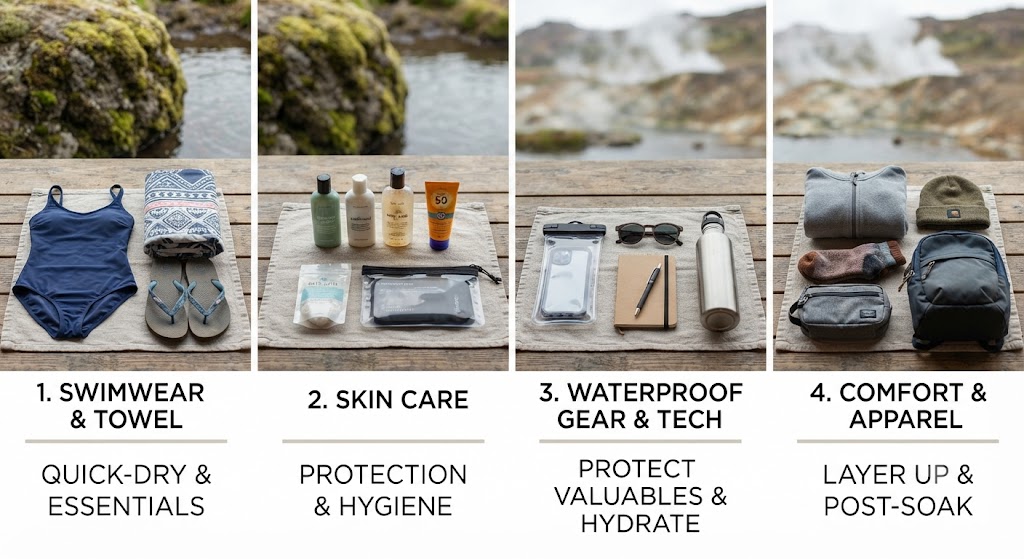
What Should You Bring When Visiting a Natural Hot Spring?
Packing the right essentials makes your geothermal adventure safer and more enjoyable.
Bring:
- Swimsuit (if required)
- Quick-dry towel
- Sandals
- Drinking water
- Sunscreen
- Waterproof bag
- Light robe
- Extra clothes
How Do You Choose the Best Healing Hot Spring for Your Wellness Goals?
Choosing a healing hot spring should be based on mineral composition, water temperature, accessibility, health considerations, and personal wellness goals.
Ask yourself:
- Are you mainly looking for relaxation?
- Do you want muscle recovery after physical activity?
- Is skin wellness your priority?
- Are you traveling as a couple or with family?
- What’s your travel budget?
- Do you prefer remote natural springs or luxury spa resorts?
Natural geothermal springs offer authentic outdoor experiences, while upscale resorts provide additional amenities such as massages, restaurants, and wellness programs.
Practical Tips for Planning Your Healing Hot Springs Vacation
Planning ahead allows you to enjoy a more comfortable, stress-free, and memorable wellness getaway.
Choose the Right Season
Spring and autumn often offer comfortable temperatures and fewer crowds.
Winter provides a unique opportunity to soak in steaming geothermal water while surrounded by snow-covered landscapes.
Book Accommodations Early
Popular geothermal destinations can sell out months in advance, particularly during holidays and peak travel seasons.
Booking early often provides better prices and more lodging options.
Use Helpful Travel Tools
Helpful resources include:
- Google Maps
- Booking platforms
- National park websites
- Local tourism boards

Free alternatives include official tourism websites that provide updated information on water conditions, accessibility, and safety guidelines.
What’s Next?
Your next step is to plan a wellness journey that matches your personal health goals, interests, and travel style.
Consider experiences like:
- Combining hiking with geothermal soaking
- Visiting eco-friendly wellness retreats
- Exploring local cultural traditions
- Booking sustainable accommodations
- Trying guided wellness programs
Conclusion
Healing hot springs offer an exceptional combination of natural beauty, geothermal science, and centuries-old wellness traditions. Whether you’re looking to ease tired muscles, reduce stress, improve relaxation, or simply experience one of nature’s most remarkable wonders, mineral-rich thermal waters provide an unforgettable wellness experience.
By choosing a destination that matches your personal goals, understanding the unique characteristics of different geothermal springs, and following safe soaking practices, you can enjoy all that healing hot springs have to offer. For your next rejuvenating getaway, don’t forget to explore our luxury wellness resorts and continue your wellness journey.
FAQs
What are healing hot springs?
Healing hot springs are naturally heated mineral-rich waters used for relaxation and wellness.
Are healing hot springs good for muscle recovery?
Yes. Warm mineral water may help relax muscles and reduce soreness.
Which minerals are commonly found in healing hot springs?
Common minerals include sulfur, magnesium, calcium, silica, iron, and sodium.
How long should you soak in a healing hot spring?
Most adults should soak for 15–30 minutes at a time.
Are healing hot springs safe during pregnancy?
Pregnant women should consult their healthcare provider before soaking.
Do healing hot springs really help with arthritis?
Some people experience temporary relief, but results vary. Source: European Alliance of Associations for Rheumatology, 2023.
What should I bring to a natural hot spring?
Bring a swimsuit, towel, sandals, water, sunscreen, and a change of clothes.
Which countries have the best healing hot springs?
Japan, Iceland, New Zealand, Turkey, Italy, Hungary, Costa Rica, and the United States are top destinations.
What’s the difference between a natural hot spring and a spa pool?
Natural hot springs are geothermally heated, while spa pools use artificially heated water.
Can children visit healing hot springs?
Yes, if allowed by the facility and supervised by an adult.