
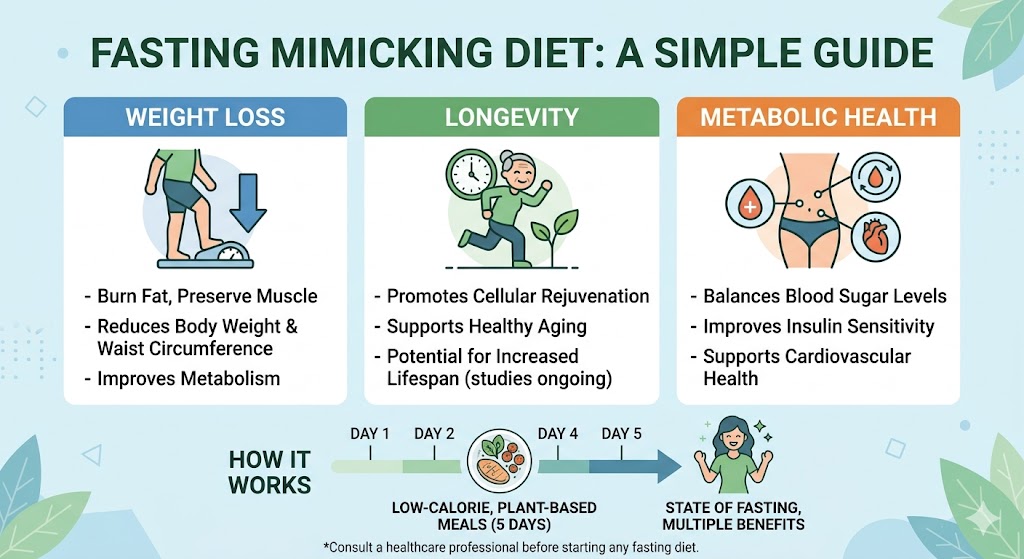
You already know fasting is one of today’s biggest health trends, but going without food for days can feel unrealistic or too extreme. What many people miss is that there’s a middle-ground strategy designed to mimic fasting while still allowing carefully planned meals. In this guide, you’ll learn what the fasting mimicking diet is, how it works, its benefits, risks, and whether it fits your goals.
Key Takeaways
- Fasting mimicking diet is a short-term, low-calorie eating plan designed to trigger some biological effects associated with fasting while allowing limited food intake.
- Typical structure is a five-day cycle with lower calories, reduced protein, healthy fats, and nutrient-dense foods.
- Potential benefits may include weight loss support, improved metabolic markers, and better adherence than complete fasting for some people.
- Common side effects include fatigue, hunger, headaches, and low energy, especially during the first days.
- Medical supervision is important for people with chronic conditions, medication use, pregnancy, or a history of disordered eating.
- Refeeding matters because gradually returning to normal meals can improve comfort and reduce overeating.
- Long-term success depends more on everyday nutrition and consistency than occasional fasting cycles.
What Is the Fasting Mimicking Diet?
The fasting mimicking diet is a short-term, reduced-calorie eating protocol designed to create some fasting-like metabolic effects while allowing limited food intake. Instead of complete food abstinence, you eat carefully selected foods in lower amounts for several days.
First, the goal is to help your body shift from constant energy intake toward using stored fuel. For example, many plans lower calories enough to encourage fat use while still supplying nutrients.
Second, the approach usually emphasizes:
- Low calories
- Lower protein
- Lower sugar
- Healthy fats
- Vegetable-based foods
- Hydration support
Moreover, most people associate the diet with a 5 day fasting mimicking diet cycle. Some use branded programs, while others follow a DIY fasting mimicking diet using groceries and meal prep.
Statistic: Intermittent fasting and fasting-related searches have grown sharply worldwide over the last five years — Source: Google Trends, 2026.
intermittent fasting beginner guide
Why Does the Fasting Mimicking Diet Matter?
The fasting mimicking diet matters because it offers a more practical alternative for people who struggle with full fasting. Many people want fasting benefits but do not want to go several days with no food.
First, adherence is often the real challenge in nutrition. For example, someone may quit water fasting on day one, but complete a structured low-calorie five-day plan.
Second, the method appeals to people interested in:
- Metabolic flexibility
- Weight management
- Healthy aging
- Behavior reset
- Convenience
Moreover, the diet has gained attention in longevity circles because calorie restriction and fasting pathways are being studied for aging and metabolic health. That does not guarantee dramatic results, but it explains the growing popularity.
Statistic: Global obesity has more than doubled in adults since 1990, increasing demand for sustainable nutrition strategies — Source: WHO, 2024.
longevity habits backed by science
What Is the Fasting Mimicking Diet and How Is It Different From Traditional Fasting?
The fasting mimicking diet differs from traditional fasting because you still consume small amounts of food instead of eating nothing. Traditional fasting often means zero calories or a strict eating window.
| Method | Food Intake | Duration | Difficulty | Best For |
|---|---|---|---|---|
| Water Fasting | None | 24 hours to several days | High | Experienced fasters |
| Intermittent Fasting | Time-restricted meals | Ongoing | Moderate | Daily lifestyle structure |
| Fasting Mimicking Diet | Low-calorie foods | Usually 5 days | Moderate | Structured periodic reset |
First, complete fasting may feel harder due to hunger and low energy. For example, office workers often find it difficult to stay productive without any calories.
Second, FMD can feel more manageable because it includes soups, nuts, vegetables, and teas. This can improve compliance.
healthy weight loss strategies
How Does the Fasting Mimicking Diet Work in the Body?
The fasting mimicking diet works by lowering energy intake enough to encourage fasting-like metabolic shifts while still providing minimal nourishment. In simple terms, your body receives less fuel and may begin relying more on stored energy.
Lower Calories and Fuel Switching
First, reduced calories can push the body toward fat use. For example, if you normally eat 2,200 calories and temporarily consume 800-1,100, your body must adapt.
This shift may support fasting mimicking diet weight loss when total weekly calories decrease.
Lower Protein and Growth Signaling
Second, many plans lower protein temporarily. Some researchers study whether lower protein intake influences growth-related pathways linked with repair and aging.
That being said, low protein should be temporary, not permanent, especially for active adults or older adults.
Ketosis and Cellular Cleanup Interest
Moreover, some users aim for mild ketosis or cellular repair processes often discussed as autophagy. Science in humans is still evolving, so it is better to view this as promising research rather than a guaranteed outcome.
Statistic: Even modest weight loss of 5-10% can improve cardiometabolic risk markers in many adults — Source: CDC, 2025.
What Can You Eat on a 5-Day Fasting Mimicking Diet Plan?
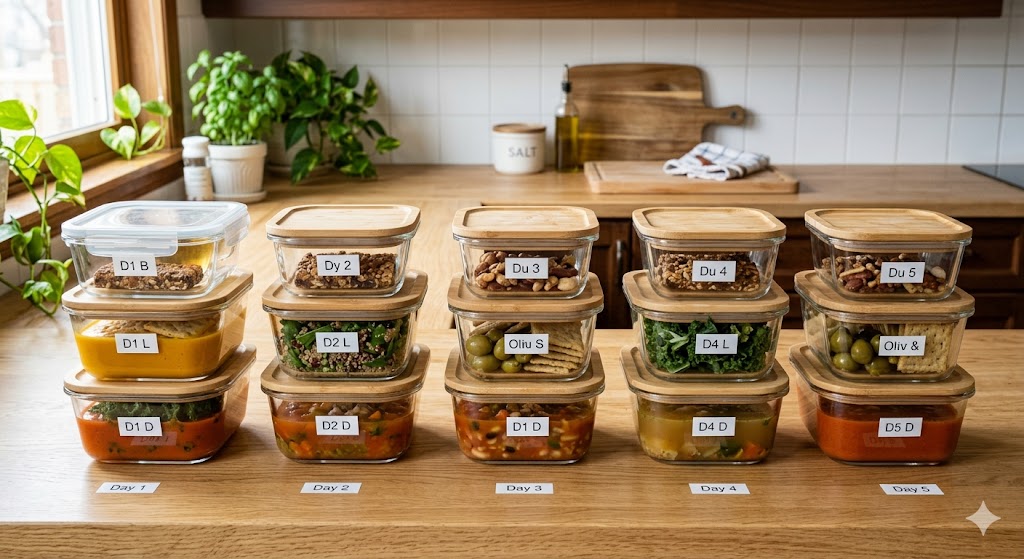
A 5-day fasting mimicking diet meal plan usually includes low-calorie, nutrient-dense foods centered around vegetables, healthy fats, and simple portions. The exact calories vary by method and body size.
Common Fasting Mimicking Diet Foods
First, many people choose:
- Vegetable soups
- Leafy salads
- Olives
- Nuts and seeds
- Avocado
- Herbal teas
- Broth
- Non-starchy vegetables
- Small portions of berries
Sample 5-Day Fasting Mimicking Diet Meal Plan
| Day | Example Meals |
|---|---|
| Day 1 | Vegetable soup, nuts, salad with olive oil |
| Day 2 | Broth, steamed vegetables, olives |
| Day 3 | Soup, avocado, herbal tea |
| Day 4 | Salad, mixed vegetables, seeds |
| Day 5 | Broth, light vegetable bowl, tea |
Moreover, keep meals simple and repeatable. Complexity often reduces adherence.
best foods for metabolic health
meal prep for busy professionals
What Are the Potential Benefits of the Fasting Mimicking Diet?
The fasting mimicking diet may support body composition and metabolic health, but results vary based on baseline health, adherence, and lifestyle. It is not magic, yet it can be useful in the right context.
First, potential benefits may include:
- Short-term calorie reduction
- Weight loss support
- Better structure around eating habits
- Improved insulin sensitivity markers
- Increased awareness of hunger patterns
- Reduced ultra-processed food intake during the cycle
Second, many people also report a “reset” feeling after finishing structured nutrition plans. For example, cravings may drop when highly processed snacks are removed for several days.
Moreover, some people are drawn to the diet because of its longevity diet reputation. However, daily habits like sleep, exercise, stress control, and balanced nutrition still matter most.
Statistic: Regular physical activity can reduce all-cause mortality risk by 20-30% — Source: WHO, 2024.
how to reduce inflammation naturally
stress and cortisol management tips
Can the Fasting Mimicking Diet Help With Weight Loss?
The fasting mimicking diet can help with weight loss when it reduces overall calorie intake and supports better eating habits afterward. The diet itself does not bypass energy balance.
First, some people lose weight quickly during a cycle because of lower calories, reduced glycogen, and less sodium intake. For example, scale weight may drop in five days, but some of that can be water.
Second, lasting fat loss depends on what happens after the cycle. If you return to overeating immediately, progress may fade.
By pairing occasional structured cycles with sustainable habits, you can improve long-term outcomes.
What Are the Risks and Side Effects of the Fasting Mimicking Diet?
The fasting mimicking diet can cause side effects because energy intake drops significantly for several days. Even healthy people may notice discomfort.
First, common fasting mimicking diet side effects include:
- Hunger
- Headaches
- Fatigue
- Brain fog
- Irritability
- Lightheadedness
- Lower exercise performance
Second, nutrient intake may be lower than usual during the cycle. For example, athletes or highly active workers may feel sluggish.
Moreover, stop immediately if you experience severe dizziness, fainting, confusion, or concerning symptoms.
Statistic: Dehydration as low as 2% body weight loss can impair performance and concentration — Source: American College of Sports Medicine, 2023.
Who Should Avoid the Fasting Mimicking Diet?
Some people should avoid the fasting mimicking diet or use medical supervision because calorie restriction can create real risks. Safety always comes first.
First, seek professional guidance if you are:
- Pregnant or breastfeeding
- Underweight
- Managing diabetes
- Taking glucose-lowering medication
- Recovering from illness
- Living with chronic disease
- History of eating disorders
Second, older adults with low muscle mass should be especially careful with repeated low-protein cycles.
People who are pregnant, underweight, managing medical conditions, or taking glucose-lowering medications should seek medical guidance before trying a fasting mimicking diet.
How Often Should You Do the Fasting Mimicking Diet?
How often you should do the fasting mimicking diet depends on your goals, health status, and recovery. There is no universal schedule.
First, some people experiment with monthly cycles, while others use it less often. For example, someone focused on habit building may do one cycle, then prioritize daily consistency.
Second, more frequent use is not automatically better. Repeated aggressive restriction can backfire if it leads to binge eating or low energy.
That being said, if you feel worse after each cycle, reassess your strategy.
Fasting Mimicking Diet vs Intermittent Fasting: Which Fits Your Goals?
Fasting mimicking diet vs intermittent fasting is really a question of structure, personality, and sustainability. The best plan is the one you can follow safely.
First, choose FMD if you prefer periodic focused resets. For example, some people like one structured five-day challenge each month.
Second, choose intermittent fasting if you want a daily rhythm like 14:10 or 16:8 eating windows.
Third, choose a balanced calorie deficit if fat loss is your only goal and you prefer normal foods every day.
| Goal | Better Fit |
|---|---|
| Short reset challenge | FMD |
| Daily structure | Intermittent fasting |
| Simplicity | Calorie deficit |
| Longevity interest | FMD + healthy lifestyle |
| Social flexibility | Calorie deficit |
intermittent fasting beginner guide
balanced diet after fasting
How Do You Return to Normal Eating After a Fasting Mimicking Diet Cycle?
Refeeding after a fasting mimicking diet involves gradually returning to balanced meals rather than overeating immediately after the cycle. This step can improve digestion and comfort.
First, begin with lighter meals such as:
- Cooked vegetables
- Fruit
- Rice or potatoes
- Lean protein
- Yogurt
- Soups
Second, avoid treating the end of the plan like a cheat day. For example, jumping into a large fast-food binge may cause bloating and undo the calorie deficit.
Third, resume normal training intensity gradually if energy feels low.

What Tools Help You Track a Fasting Mimicking Diet?
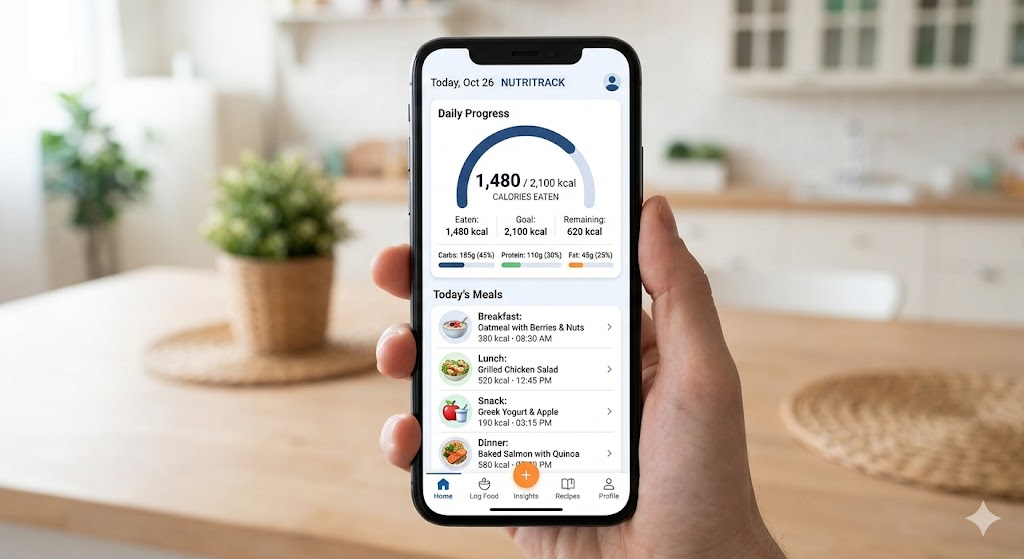
Tracking tools can make a fasting mimicking diet plan easier by improving awareness, consistency, and decision-making. You do not need complex technology, but simple systems help.
First, useful tools include:
- Food logging apps
- Smart scale
- Step tracker
- Glucose monitor (if prescribed)
- Notes app for mood and hunger
- Meal prep containers
Second, compare DIY vs prepared kits honestly. Kits save time and remove decisions, while DIY plans usually cost less.
Third, free alternatives such as basic calorie trackers or spreadsheet logs can work just as well when used consistently.
best apps for tracking nutrition
What’s Next: Choosing Your Best Strategy
Your best nutrition strategy is the one that improves health markers and fits your real life consistently. Perfection is less important than repeatability.
First, choose the fasting mimicking diet if you enjoy structured short challenges and can recover well.
Second, choose intermittent fasting if meal timing helps control snacking.
Third, choose a balanced calorie deficit if you want the simplest route to weight loss.
Moreover, combine whichever approach you choose with sleep, strength training, hydration, and whole foods. Those habits create the biggest long-term return.
Conclusion
The fasting mimicking diet is a practical middle ground between full fasting and regular eating. It may support weight management, metabolic health, and better awareness of your habits when used responsibly. Still, no short-term protocol can replace consistent daily nutrition, movement, recovery, and personalization. Choose the strategy you can sustain, stay safe, and focus on progress over extremes.
Written by: Suraj — Blogger with 5+ years of experience creating SEO-focused health and wellness content that simplifies complex topics for everyday readers.
Reviewed by: Editorial Review Team — Nutrition and evidence-based wellness content reviewers focused on accuracy, clarity, and reader safety.
Disclaimer: This article was initially drafted using AI assistance. However, the content has undergone thorough revisions, editing, and fact-checking by human editors and subject matter experts to ensure accuracy.