
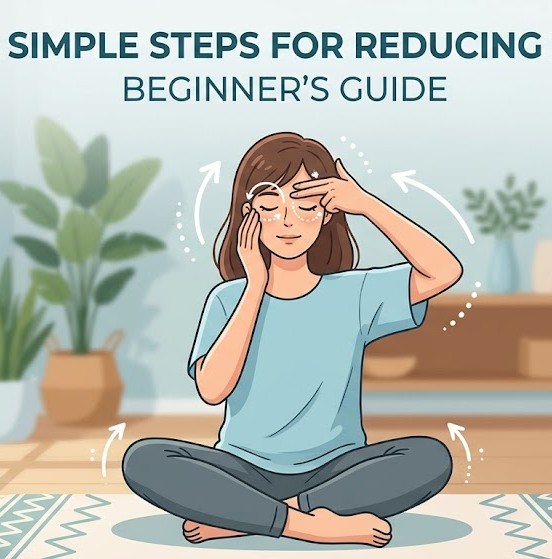
Most people spend hours every day staring at phones, laptops, and bright screens, yet very few think about exercising their eyes the same way they exercise their body. What many people miss is that simple eye relaxation techniques may help reduce fatigue, dryness, and focus-related discomfort caused by modern screen habits. In this guide, you’ll learn what eye yoga is, how it works, the best beginner exercises to try, and how to build a realistic daily eye-care routine.
Key Takeaways
- Eye yoga refers to a series of eye movement and relaxation exercises designed to reduce eye strain and improve visual comfort.
- Digital eye strain commonly develops from prolonged screen use, reduced blinking, and constant near-focus activities.
- Eye yoga exercises such as palming, blinking, and focus shifting may help relax eye muscles and reduce fatigue symptoms.
- Eye yoga does not cure refractive errors like nearsightedness, but it may support healthier screen habits and visual relaxation.
- Short daily eye yoga routines can be integrated into work breaks, study sessions, and evening wellness habits.
- Healthy lifestyle habits including hydration, sleep, lighting, and workstation ergonomics support long-term eye comfort.
- Consistency and realistic expectations are essential when practicing eye yoga for better eye wellness.
What Is Eye Yoga and How Does It Work?
Eye yoga is a collection of eye movement and relaxation exercises designed to reduce visual fatigue and support eye comfort. These exercises combine controlled eye movements, focus-shifting techniques, blinking patterns, and relaxation practices inspired by traditional yoga and mindfulness routines.
First, eye yoga originated from broader yoga traditions that emphasize relaxation, breath awareness, and body control. Unlike medical eye treatment, eye yoga focuses on improving comfort and relaxation rather than correcting structural vision problems.
For example, exercises like palming and figure-eight eye movements are commonly used to relieve tension after prolonged screen exposure. This can help reduce temporary discomfort caused by digital fatigue.
Moreover, modern lifestyles place significant stress on the eyes. According to the Vision Council, over 60% of adults experience symptoms of digital eye strain from extended screen use — Source: Vision Council, 2024.
Digital eye strain develops when prolonged screen use reduces blinking frequency and forces the eyes to focus at close distances for extended periods. This repeated near-focus activity can contribute to tired eyes, headaches, blurry vision, and neck tension.
In addition, eye yoga differs from medical treatments for refractive errors such as myopia or astigmatism. Eye exercises may improve comfort and focus flexibility, but they do not reshape the eye itself.
Why Is Eye Yoga Becoming Popular Among Screen Users?
Eye yoga is becoming popular because modern screen habits increase visual fatigue, dryness, and focus-related discomfort. Office workers, students, gamers, and remote employees now spend several hours daily focusing on digital screens.
First, excessive screen exposure reduces blinking frequency dramatically. Research suggests people blink up to 50% less while using screens — Source: American Academy of Ophthalmology, 2024.
For example, someone working eight hours on a laptop may experience burning eyes, tension headaches, or blurry vision by the evening. This happens because the eyes remain locked into close-focus activity for extended periods.
How Screen Time Affects Visual Comfort
Screen time affects visual comfort by overworking the eye muscles and reducing natural lubrication. Continuous focusing forces the ciliary muscles to remain active without sufficient breaks.
At the same time, blue light exposure and poor posture can increase discomfort. Improper workstation lighting may also worsen glare and visual fatigue.
Why Eye Relaxation Matters
Eye relaxation exercises help interrupt repetitive focusing patterns and encourage blinking and movement. This can temporarily reduce eye tension and support comfort during long work sessions.
For example, a simple 20-second focus shift toward a distant object may help relax focusing muscles after prolonged reading or screen use.
Furthermore, the World Health Organization estimates that more than 2 billion people globally live with some form of visual impairment — Source: WHO, 2023. While eye yoga is not a cure, healthy visual habits remain increasingly important.
What Symptoms Can Eye Yoga Help Relieve?
Eye yoga may help relieve symptoms linked to eye fatigue, tension, and prolonged screen exposure. Many users practice eye yoga to reduce temporary discomfort rather than treat medical eye diseases.
Eye Fatigue and Tired Eyes
Eye fatigue develops when the eyes remain focused for long periods without adequate rest. Common symptoms include heaviness, soreness, and difficulty concentrating visually.
For example, students preparing for exams or remote workers attending multiple video calls often experience tired eyes by the end of the day.
Dry Eyes and Burning Sensations
Dry eyes occur when blinking decreases and tear evaporation increases during screen use. Reduced blinking can leave the eye surface less lubricated.
Moreover, exercises that encourage blinking awareness may support moisture distribution across the eye surface.
Headaches and Facial Tension
Screen-related headaches often develop from eye strain combined with poor posture and prolonged concentration. Tight facial muscles and neck stiffness commonly accompany visual fatigue.
For example, people using multiple monitors may unconsciously squint or lean forward, increasing tension around the eyes and forehead.
| Common Symptom | Possible Cause | Eye Yoga Support |
|---|---|---|
| Dry eyes | Reduced blinking | Blinking exercises |
| Eye fatigue | Prolonged focus | Focus-shifting techniques |
| Headaches | Visual strain | Relaxation exercises |
| Blurry vision | Continuous near-focus | Distance focusing |
| Facial tension | Stress and posture | Palming and breathing |
What Are the Best Eye Yoga Exercises for Beginners?
The best eye yoga exercises for beginners include palming, blinking, focus shifting, and controlled eye movements. These techniques are simple, low-impact, and easy to practice during work or study breaks.
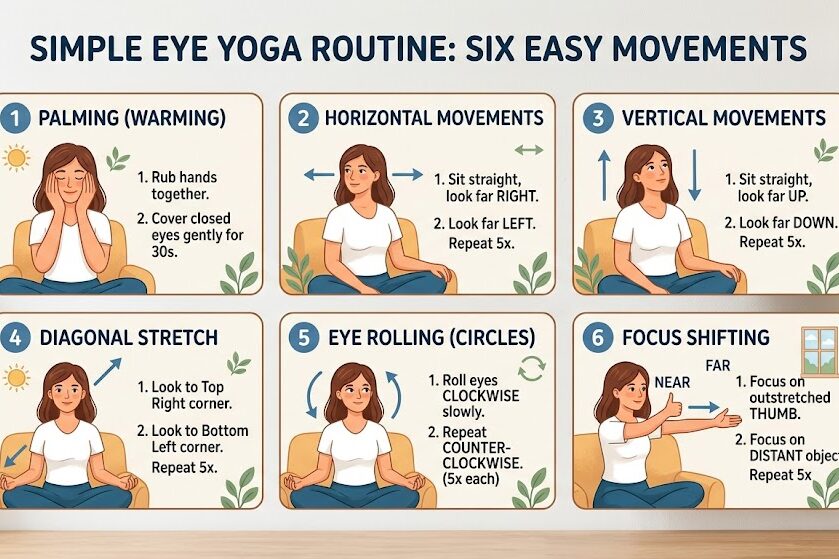
What Is the Palming Exercise for Eyes?
Palming involves covering the eyes gently with warm hands to promote relaxation and reduce eye tension.
To practice palming:
- Rub your hands together to create warmth.
- Close your eyes comfortably.
- Cup your palms lightly over your eyes without pressure.
- Breathe deeply for 30-60 seconds.
For example, many office workers use palming during short breaks to relax after staring at spreadsheets or presentations.
How Does the Blinking Exercise Work?
Blinking exercises encourage tear distribution and reduce eye dryness caused by screen exposure.
First, blink slowly 10 times. Second, close your eyes for 20 seconds. Third, repeat the cycle several times.
This exercise may help users who spend hours gaming, coding, or reading online.
How Does the Figure-Eight Eye Movement Help?
Figure-eight eye movements encourage gentle eye mobility and focus flexibility.
To perform this exercise:
- Imagine a large sideways number eight.
- Trace the shape slowly with your eyes.
- Repeat for 30 seconds in each direction.
Moreover, slow controlled movement is more effective than rapid eye rotations.
What Is Near-and-Far Focusing?
Near-and-far focusing trains the eyes to switch between close and distant objects.
For example:
- Hold your thumb about 10 inches away.
- Focus on it for 5 seconds.
- Shift focus to an object 20 feet away.
- Repeat 10 times.
This technique is especially useful for people working on laptops all day.
Additional Beginner Eye Yoga Exercises
Additional eye yoga exercises support mobility and relaxation through controlled directional movement.
These include:
- Side-to-side eye movement
- Clock rotation exercise
- Eye rolling technique
- Pencil focus exercise
- Diagonal eye stretches

How to Practice Eye Yoga Safely and Correctly
Eye yoga should be practiced gently, consistently, and without forcing eye movement or causing pain. Proper technique matters more than intensity.
Proper Posture and Breathing
Good posture helps reduce additional neck and facial strain during eye exercises.
First, sit upright with relaxed shoulders. Second, keep your jaw unclenched. Third, breathe slowly and naturally during movements.
For example, deep breathing during palming may improve overall relaxation and stress reduction.
How Often Should You Practice Eye Yoga Exercises?
Most beginners can practice eye yoga for 5-10 minutes daily without overexertion.
According to the American Optometric Association, regular visual breaks help reduce computer vision syndrome symptoms — Source: AOA, 2024.
A simple schedule may include:
- Morning relaxation exercises
- Midday screen breaks
- Evening eye recovery routine
Who Should Avoid Certain Eye Exercises?
People with recent eye surgery, glaucoma, retinal conditions, or severe eye pain should consult an eye doctor before practicing eye yoga.
Moreover, exercises should stop immediately if dizziness, pain, or worsening symptoms occur.
Can Eye Yoga Really Improve Eyesight Naturally?
Eye yoga may improve comfort and focus flexibility, but scientific evidence does not support claims that it permanently cures refractive errors.
This distinction is extremely important. Many online claims exaggerate the effects of eye exercises.
What Eye Yoga Can Realistically Do
Eye yoga can realistically help reduce temporary eye fatigue and encourage healthier visual habits.
For example, regular blinking exercises may reduce dryness symptoms during long computer sessions.
In addition, mindfulness-based relaxation may decrease tension around the eyes and forehead.
What Eye Yoga Cannot Do
Eye yoga does not scientifically cure myopia, hyperopia, astigmatism, or major eye diseases.
Research on eye exercises remains mixed and limited. According to the National Eye Institute, refractive errors usually require glasses, contact lenses, or medical treatment — Source: National Eye Institute, 2024.
Eye yoga may help relieve eye fatigue and tension, but it does not scientifically cure refractive errors such as myopia or astigmatism.
How Long Does It Take to See Results From Eye Yoga?
Most people notice relaxation benefits from eye yoga within days or weeks of consistent practice.
For example, users often report reduced tension or dryness after integrating exercises into work breaks regularly.
However, results vary depending on screen habits, sleep quality, hydration, and overall eye health.
Which Eye Yoga Techniques Help Reduce Digital Eye Strain?
Eye yoga techniques for digital eye strain focus on blinking, focus shifting, and regular visual breaks.
How Does the 20-20-20 Rule Support Eye Health?
The 20-20-20 rule involves looking at an object 20 feet away for 20 seconds every 20 minutes of screen use.
This method gives focusing muscles periodic relaxation from near-distance concentration.
20-20-2020\text{-}20\text{-}2020-20-20
For example, setting a recurring phone reminder can help office workers follow the rule consistently.
5-Minute Eye Yoga Routine for Office Workers
A short office eye yoga routine can reduce tension during busy workdays.
Try this sequence:
- Blink slowly for 20 seconds
- Practice palming for 1 minute
- Use near-and-far focus for 2 minutes
- Roll eyes gently for 30 seconds
- Stretch neck and shoulders for 1 minute
Morning Eye Relaxation Flow
Morning eye relaxation routines help prepare the eyes for daily screen exposure.
A beginner-friendly flow may include:
- Gentle blinking
- Side-to-side eye movement
- Deep breathing
- Palming
- Distance focusing
What Lifestyle Habits Improve Eye Health Alongside Eye Yoga?
Healthy lifestyle habits support eye comfort by improving recovery, hydration, and visual ergonomics. Eye yoga works best when combined with broader wellness habits.
Why Hydration and Sleep Matter
Hydration and sleep help maintain tear production and eye recovery.
According to the CDC, adults generally need 7-9 hours of sleep for optimal recovery — Source: CDC, 2024.
For example, poor sleep may worsen eye twitching, dryness, and focus difficulties the next day.
How Lighting and Ergonomics Affect Eye Comfort
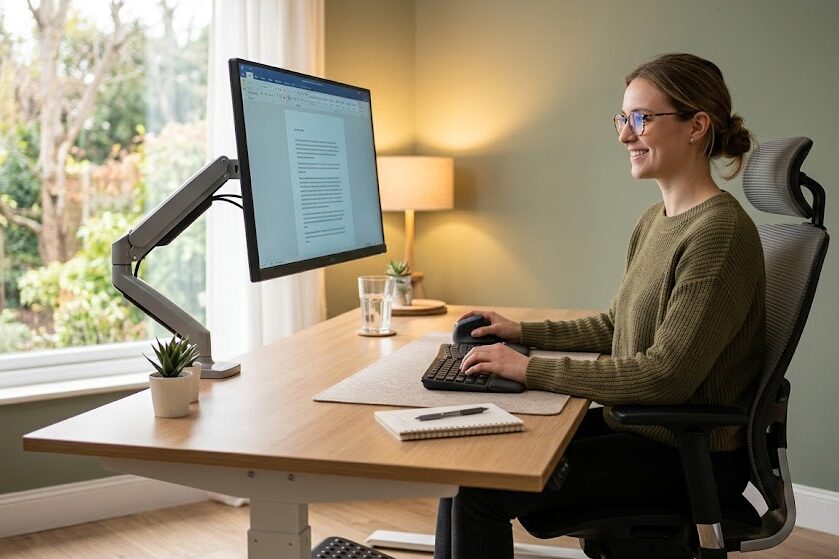
Proper lighting and workstation setup reduce glare and unnecessary visual stress.
Best practices include:
- Positioning screens slightly below eye level
- Reducing harsh overhead glare
- Increasing text size when needed
- Maintaining proper sitting posture
What Foods Support Eye Health?
Nutrient-rich foods support overall eye health and recovery.
Helpful nutrients include:
- Vitamin A
- Omega-3 fatty acids
- Lutein
- Zeaxanthin
- Vitamin C
For example, leafy greens, carrots, salmon, and citrus fruits are commonly recommended for eye wellness.
What Should You Do Next for Better Eye Health?
Better eye health starts with small daily habits practiced consistently over time. Sustainable routines matter more than occasional intensive exercises.
First, track your daily screen exposure. Many smartphones and computers now include built-in screen time monitoring tools.
Second, integrate short eye yoga sessions into natural breaks throughout your day. Even two-minute routines may help reduce visual fatigue.
Third, combine eye exercises with hydration, sleep, posture correction, and healthy lighting. This combined approach supports long-term visual comfort more effectively.
Finally, schedule regular eye exams if symptoms persist. Persistent blurry vision, pain, or severe headaches require professional evaluation.
Conclusion
Eye yoga is a practical wellness habit that may help reduce eye fatigue, dryness, and tension caused by modern screen use. While eye exercises cannot cure refractive errors, they can support healthier visual habits and encourage relaxation during busy digital routines.
Moreover, consistency matters more than intensity. Small daily habits like blinking exercises, palming, focus shifting, hydration, and regular screen breaks can make a meaningful difference over time.
As screen exposure continues increasing in everyday life, taking care of your eyes becomes just as important as caring for the rest of your body. Start with a simple five-minute routine today, stay realistic about results, and focus on building long-term eye wellness habits you can maintain consistently.
FAQ
What is eye yoga?
Eye yoga is a series of gentle eye exercises and relaxation techniques designed to reduce eye strain and improve visual comfort.
What are the benefits of eye yoga?
Eye yoga may help relax eye muscles, reduce digital eye strain, improve focus, and support overall eye comfort.
Can eye yoga improve eyesight naturally?
Eye yoga may help reduce fatigue and improve visual comfort, but it is not proven to permanently correct vision problems.
How often should you practice eye yoga?
Many people practice eye yoga daily or during screen breaks to reduce eye strain.
What exercises are included in eye yoga?
Common exercises include blinking, eye rolling, palming, focus shifting, and near-to-far viewing techniques.
Can eye yoga help with screen fatigue?
Yes, eye yoga is commonly used to reduce discomfort caused by long hours of screen exposure.
Is eye yoga safe for everyone?
Eye yoga is generally safe, but people with serious eye conditions should consult an eye care professional first.
How long does an eye yoga session take?
Most eye yoga routines take between 5 and 15 minutes.
Can eye yoga help with headaches caused by eye strain?
It may help reduce tension and discomfort associated with digital eye strain and fatigue-related headaches.
Does eye yoga replace glasses or medical treatment?
No, eye yoga should not replace prescription glasses, eye exams, or professional medical care.