
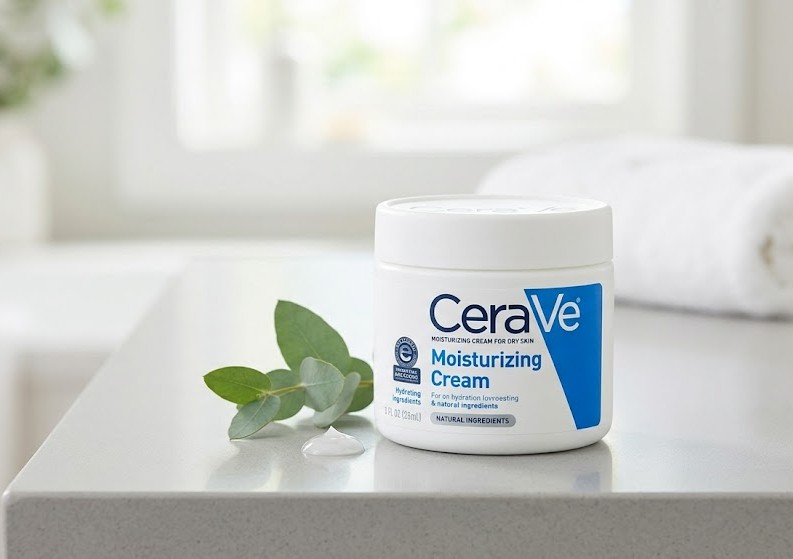
Most people with dry skin already know they need a moisturizer, but many still struggle with tightness, flaking, or irritation even after applying one daily. The problem often isn’t moisturizing itself — it’s choosing a formula that actually repairs the skin barrier instead of only adding temporary hydration. In this guide, you’ll learn how CeraVe Moisturizing Cream works, who it’s best for, how to use it properly, and whether it’s truly worth adding to your skincare routine.
Key Takeaways
- CeraVe Moisturizing Cream is a ceramide-rich moisturizer designed to repair and protect the skin barrier while deeply hydrating dry skin.
- Ceramides and hyaluronic acid work together to help the skin retain moisture and reduce dryness, flaking, and tightness.
- Fragrance-free and non-comedogenic formulas are generally better suited for sensitive and acne-prone skin types.
- Consistent moisturizer use helps strengthen the skin barrier and may reduce irritation caused by weather, over-cleansing, or harsh skincare products.
- CeraVe Moisturizing Cream can be used on both the face and body, making it a versatile option for daily skincare routines.
- Applying moisturizer immediately after cleansing helps lock in hydration more effectively.
- Dermatologist-recommended moisturizers often focus on barrier repair rather than temporary surface hydration alone.
What Is CeraVe Moisturizing Cream and How Does It Work?
CeraVe Moisturizing Cream is a ceramide-based moisturizer designed to restore the skin barrier and provide long-lasting hydration. Unlike many traditional moisturizers that only soften the skin temporarily, this cream focuses on repairing the skin barrier while preventing moisture loss.
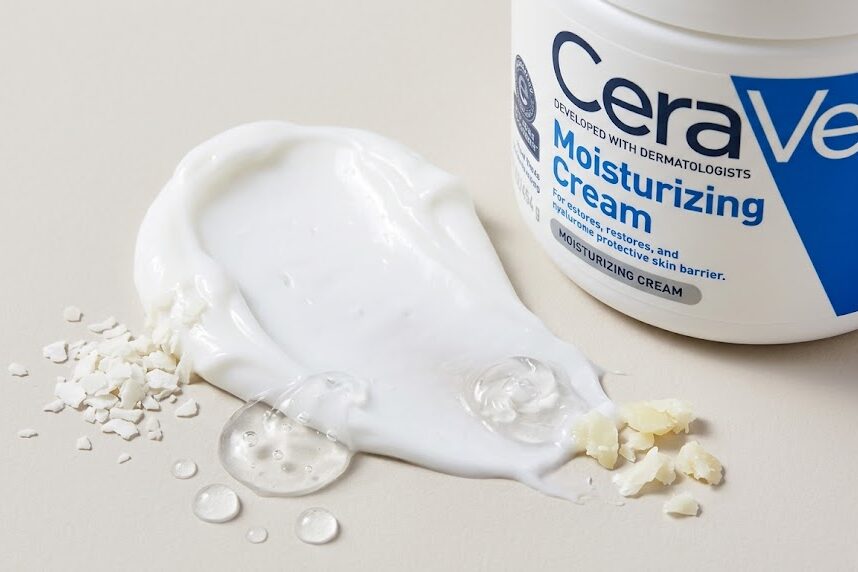
First, the formula contains three essential ceramides that help maintain the skin’s natural protective barrier. Ceramides are lipids that help maintain the skin’s protective barrier and prevent moisture loss. For example, when your skin barrier becomes damaged from cold weather, harsh cleansers, or over-exfoliation, moisture escapes more easily, leading to dryness and irritation.
Second, the cream includes hyaluronic acid, which attracts water to the skin. Hyaluronic acid attracts water to the skin and helps improve hydration without making the skin feel greasy. This combination helps the skin stay hydrated for longer periods compared to lighter lotions.
Moreover, CeraVe uses MVE Technology, which gradually releases moisturizing ingredients throughout the day. This slow-release system helps maintain hydration for up to 24 hours according to the brand’s clinical testing.
Statistic: Over 70% of adults report experiencing sensitive or dry skin symptoms during seasonal changes — Source: National Eczema Association, 2024.
best skincare routine for dry skin
Why Is Skin Barrier Repair Important for Dry Skin?
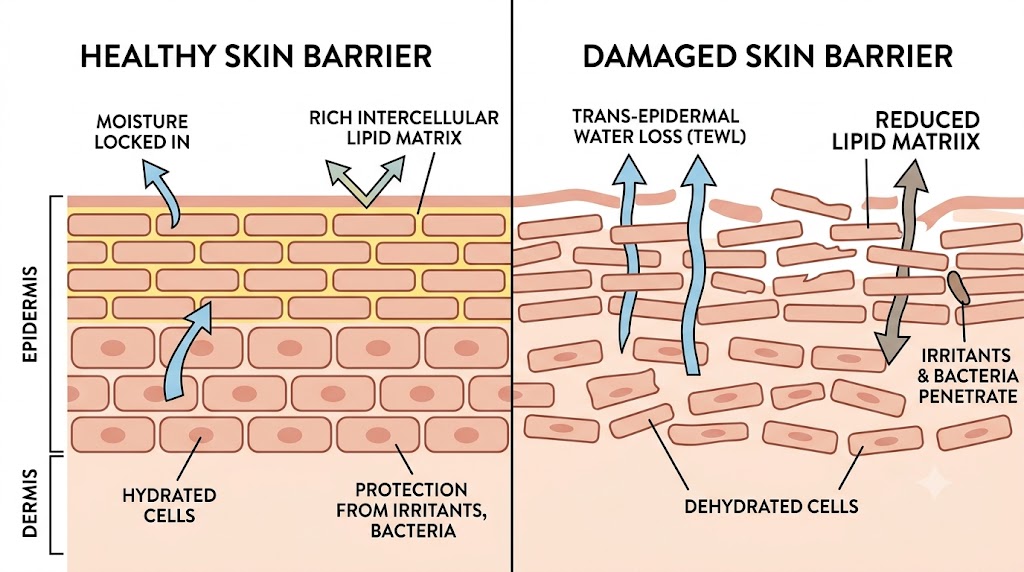
Skin barrier repair is important because a weakened skin barrier allows moisture to escape and irritants to enter the skin more easily. Dry skin is often more than just a lack of moisture. In many cases, the underlying problem involves a damaged skin barrier.
First, your skin barrier acts like a protective shield. It helps lock moisture inside while protecting against pollution, bacteria, and environmental stress. When this barrier becomes compromised, symptoms like redness, flaking, itching, and tightness become more common.
Moreover, untreated dry skin can worsen over time. For example, repeated moisture loss may lead to micro-cracks in the skin, increased sensitivity, and irritation from otherwise gentle skincare products.
At the same time, ceramide-based moisturizers support long-term barrier repair rather than only offering temporary softness. Skin barrier repair involves restoring moisture retention and reducing irritation caused by dryness or environmental stress.
Statistic: A compromised skin barrier increases transepidermal water loss (TEWL), which is strongly associated with chronic dryness — Source: Journal of Clinical and Aesthetic Dermatology, 2023.
Statistic: Dermatologists frequently recommend ceramide-based moisturizers for eczema and dry skin support — Source: American Academy of Dermatology, 2025.
how to repair a damaged skin barrier
What Ingredients Make CeraVe Moisturizing Cream Effective?
The key ingredients in CeraVe Moisturizing Cream include ceramides, hyaluronic acid, and MVE Technology that support hydration and barrier repair.
Ceramides Support Barrier Repair
Ceramides are naturally occurring lipids that help strengthen the skin barrier and reduce moisture loss. CeraVe includes ceramides 1, 3, and 6-II to mimic the skin’s natural protective structure.
For example, people with eczema-prone skin often have lower ceramide levels. By replenishing these lipids, moisturizers can help reduce dryness and irritation over time.
Hyaluronic Acid Improves Hydration
Hyaluronic acid is a humectant that attracts and retains water within the skin. This ingredient helps the skin appear smoother, softer, and more hydrated without leaving a heavy greasy finish.
Moreover, hyaluronic acid works especially well when applied to damp skin. By applying moisturizer immediately after cleansing, you can help trap additional moisture within the skin barrier.
hyaluronic acid benefits for skin
Fragrance-Free and Non-Comedogenic Formula
Fragrance-free moisturizers are generally preferred for sensitive skin because they reduce the risk of irritation. CeraVe Moisturizing Cream also uses a non-comedogenic formula, meaning it is less likely to clog pores.
For example, many heavily fragranced moisturizers can trigger redness or burning sensations in sensitive skin users. A simpler formula often reduces that risk.
What Is MVE Technology?
MVE Technology is a controlled-release delivery system that gradually releases moisturizing ingredients throughout the day. This helps maintain longer-lasting hydration compared to standard moisturizers.
What Are the Benefits of CeraVe Moisturizing Cream for Dry Skin?
CeraVe Moisturizing Cream benefits dry skin by improving hydration retention, supporting barrier repair, and reducing irritation.
First, the cream delivers long-lasting moisture instead of temporary surface hydration. This can help reduce tightness and flaky patches commonly associated with dry skin.
Second, the formula supports sensitive and irritation-prone skin. Because it is fragrance-free and non-irritating for many users, dermatologists often recommend it for compromised skin barriers.
Third, the cream works on both the face and body. For example, you can use it on dry elbows, hands, knees, or facial dry patches without needing separate moisturizers.
Plus, the thicker cream texture performs especially well during colder months. Winter air and indoor heating often increase moisture loss, making heavier moisturizers more beneficial.
Statistic: Cold weather and indoor heating significantly increase skin dryness during winter months — Source: British Association of Dermatologists, 2024.
Quick Comparison Table
| Feature | CeraVe Moisturizing Cream | Standard Lightweight Lotion |
|---|---|---|
| Texture | Thick cream | Thin lotion |
| Best For | Dry to very dry skin | Normal to slightly dry skin |
| Ceramides | Yes | Sometimes |
| Hyaluronic Acid | Yes | Varies |
| Fragrance-Free | Yes | Not always |
| Face & Body Use | Yes | Usually body-focused |
| Barrier Repair Focus | Strong | Moderate |
best dermatologist recommended moisturizers
Is CeraVe Moisturizing Cream Good for Sensitive Skin?
CeraVe Moisturizing Cream is generally considered good for sensitive skin because it is fragrance-free, non-comedogenic, and barrier-supportive.
First, sensitive skin often reacts poorly to added fragrances, essential oils, or alcohol-heavy formulations. CeraVe avoids many of these common triggers.
Second, the cream focuses on barrier support rather than aggressive active ingredients. For example, many sensitive skin users experience irritation from exfoliating acids or harsh acne treatments, making a simple moisturizer more beneficial.
Moreover, the cream has received acceptance from organizations like the National Eczema Association in some regions and formulations.
Statistic: Fragrance is one of the most common causes of cosmetic skin irritation — Source: American Contact Dermatitis Society, 2024.
Can CeraVe Moisturizing Cream Help Eczema-Prone Skin?
CeraVe Moisturizing Cream may help eczema-prone skin by supporting barrier repair and reducing moisture loss.
First, eczema-prone skin often lacks enough protective lipids. Ceramide-rich moisturizers help replenish those missing components.
Second, consistent hydration may reduce itching and dryness associated with eczema flare-ups. For example, dermatologists frequently recommend applying moisturizer within a few minutes after bathing to improve moisture retention.
However, moisturizer alone may not fully treat moderate or severe eczema. Prescription treatments or dermatologist guidance may still be necessary during active flare-ups.
How Often Should You Use CeraVe Moisturizing Cream?
Most people should use CeraVe Moisturizing Cream one to two times daily depending on skin dryness and climate conditions.
First, morning application helps protect against daytime moisture loss caused by weather, air conditioning, and cleansing.
Second, nighttime application supports overnight barrier recovery. Skin naturally repairs itself while you sleep, making evening moisturizing especially important.
Moreover, applying moisturizer immediately after cleansing helps seal moisture into the skin more effectively. Slightly damp skin improves hydration retention.
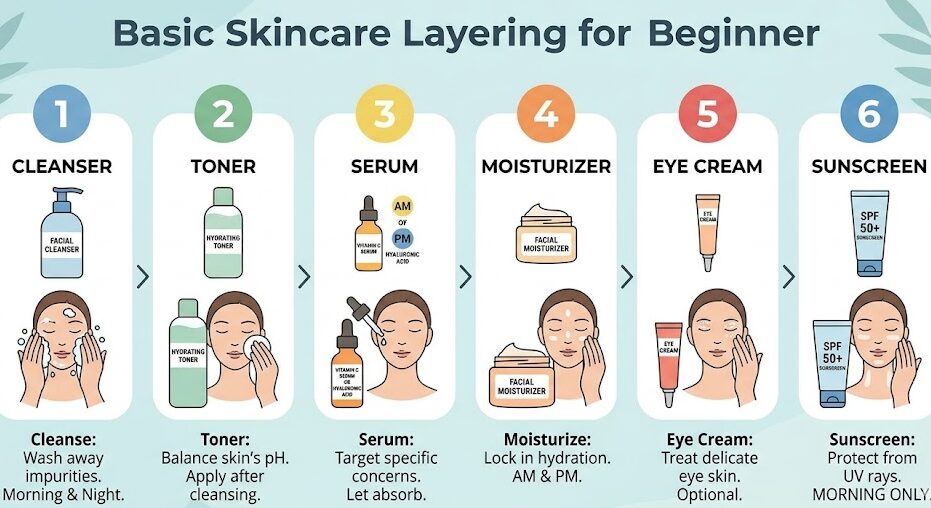
Morning Routine Example
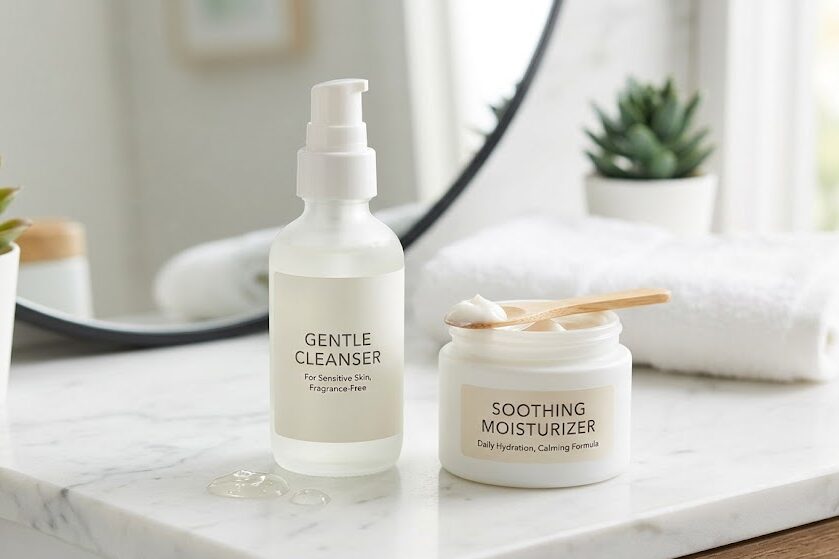
- Gentle cleanser
- Hydrating serum
- CeraVe Moisturizing Cream
- Sunscreen
Night Routine Example
- Gentle cleanser
- Treatment serum or retinol
- CeraVe Moisturizing Cream
Is CeraVe Moisturizing Cream Non-Comedogenic?
CeraVe Moisturizing Cream is labeled non-comedogenic, meaning it is formulated to reduce the likelihood of clogged pores.
First, non-comedogenic moisturizers are especially important for acne-prone skin users who still need hydration.
Second, dry skin and acne can occur together. For example, many acne treatments like benzoyl peroxide or retinoids cause dryness and irritation, making barrier-supportive moisturizers necessary.
However, individual skin reactions vary. Some acne-prone users may still prefer lighter gel creams or lotions depending on oil production levels.
Does CeraVe Moisturizing Cream Work for Acne-Prone Skin?
CeraVe Moisturizing Cream can work for acne-prone skin because it hydrates without heavily clogging pores for most users.
First, over-drying acne treatments can weaken the skin barrier and increase irritation. Moisturizers help balance the skin and reduce excessive dryness.
Second, the cream lacks fragrance and many highly irritating additives. This simpler formulation often works better for reactive acne-prone skin types.
That being said, users with very oily skin may find the thick texture too heavy during humid weather. In those cases, the lotion version may feel more comfortable.
Statistic: Excessive skin dryness can worsen acne-related irritation and inflammation — Source: Journal of Dermatological Treatment, 2024.
What Is the Difference Between CeraVe Moisturizing Cream and Lotion?
The main difference between CeraVe Moisturizing Cream and Lotion is texture, thickness, and hydration intensity.
First, the cream version is thicker and more occlusive. This makes it ideal for dry, flaky, or winter-damaged skin.
Second, the lotion version feels lighter and absorbs faster. Many users with combination or oily skin prefer lotion textures during warmer months.
Cream vs Lotion Comparison
| Factor | Cream | Lotion |
|---|---|---|
| Texture | Thick and rich | Lightweight |
| Best Skin Type | Dry to very dry | Normal to combination |
| Winter Use | Excellent | Moderate |
| Face Use | Dry skin friendly | Oily skin friendly |
| Absorption Speed | Slower | Faster |
Moreover, both products contain ceramides and hyaluronic acid, but the cream delivers more intensive moisture retention.
Can You Use CeraVe Moisturizing Cream on Your Face and Body?
CeraVe Moisturizing Cream is designed for both face and body use.
First, this versatility makes it cost-effective for people who prefer a simplified skincare routine. Instead of buying multiple moisturizers, many users apply the same product to dry facial areas and body regions.
Second, the fragrance-free formula generally makes it safer for facial application compared to heavily scented body creams.
However, some oily skin users may prefer lighter facial moisturizers during daytime wear, especially under makeup or sunscreen.
What Are the Possible Side Effects of CeraVe Moisturizing Cream?
Possible side effects of CeraVe Moisturizing Cream include heaviness, pilling, or mild irritation in rare cases.
First, users with oily skin may dislike the thick texture. Heavy creams can sometimes feel greasy in humid climates.
Second, pilling may occur if too many skincare layers are applied underneath the cream. For example, combining multiple silicone-based serums can create texture buildup.
Third, rare irritation remains possible even with gentle formulas. Patch testing helps identify ingredient sensitivities before full-face use.
Patch Testing Tips
- Apply a small amount behind the ear or jawline
- Wait 24-48 hours
- Monitor for redness, itching, or burning
- Stop use if irritation develops
How Should You Layer CeraVe Moisturizing Cream in a Skincare Routine?
CeraVe Moisturizing Cream should typically be applied after serums and before sunscreen during daytime skincare routines.
First, skincare products generally work best when layered from thinnest to thickest consistency.
Second, moisturizers help seal hydration into the skin. For example, applying the cream over hydrating serums can improve moisture retention.
Best Routine Pairings
Cleansers
- Gentle hydrating cleansers
- Cream-based cleansers
- Fragrance-free cleansers
best cleansers for sensitive skin
Serums
- Hyaluronic acid serums
- Niacinamide serums
- Peptide serums
Sunscreens
- Mineral sunscreens
- Hydrating SPF moisturizers
- Fragrance-free sunscreens
best sunscreen for dry sensitive skin
Retinol Compatibility
CeraVe Moisturizing Cream pairs well with retinol because it helps reduce dryness and irritation associated with retinoid use.
For example, many users apply moisturizer before and after retinol to reduce sensitivity during adjustment periods.
Which Skin Types Benefit Most From CeraVe Moisturizing Cream?
Dry, sensitive, eczema-prone, and compromised skin barriers benefit most from CeraVe Moisturizing Cream.
First, dry skin users often need stronger moisture retention and barrier support than lightweight moisturizers can provide.
Second, winter skincare users frequently benefit from thicker creams because cold weather increases moisture evaporation.
Third, people recovering from over-exfoliation or damaged skin barriers may find ceramide-based moisturizers especially supportive.
However, oily skin users in humid climates may prefer lighter formulations depending on comfort preferences.
Is CeraVe Moisturizing Cream Worth Buying in 2026?
CeraVe Moisturizing Cream remains worth buying in 2026 for people seeking affordable, dermatologist-recommended barrier repair skincare.
First, the formula continues to balance effectiveness, accessibility, and ingredient simplicity. Many premium moisturizers contain similar barrier-supportive ingredients at significantly higher prices.
Second, the product works across multiple skin concerns including dryness, sensitivity, and barrier damage. This versatility increases its long-term value.
Moreover, the fragrance-free formula appeals to users trying to minimize irritation risks while maintaining a simple skincare routine.
Statistic: Ceramide-focused skincare continues to grow rapidly within the dermatologist-recommended skincare category — Source: Grand View Research, 2025.
Best Skincare Tools and Practical Applications for Dry Skin
Skincare tools and routine tracking can help improve consistency when treating dry skin.
First, hydration-focused skincare works best when used consistently over several weeks. Tracking progress helps identify whether your skin barrier is improving.
Helpful Tools and Apps
- Skin hydration tracking apps
- UV index apps for sunscreen reminders
- Humidifiers during winter months
- Gentle microfiber cleansing cloths
Free Alternatives
- Weather apps for humidity tracking
- Phone reminders for skincare consistency
- Basic patch-testing journals
What Should You Do Next If You Have Persistent Dry Skin?
Persistent dry skin may require lifestyle changes, routine adjustments, or dermatologist evaluation.
First, hydration and environmental factors matter alongside skincare products. Drinking enough water, reducing overly hot showers, and using humidifiers may improve skin comfort.
Second, seasonal skincare adjustments often become necessary. For example, winter months usually require richer moisturizers and gentler cleansers.
Third, persistent itching, cracking, or redness may indicate eczema or another skin condition requiring professional treatment.
Lifestyle Habits That Support Skin Hydration
- Use lukewarm instead of hot water
- Avoid over-cleansing
- Apply moisturizer after bathing
- Wear sunscreen daily
- Use humidifiers during dry weather
Conclusion
CeraVe Moisturizing Cream is one of the most reliable moisturizers for dry and sensitive skin because it combines ceramides, hyaluronic acid, and barrier-focused hydration in a fragrance-free formula. Its thick texture, dermatologist-backed ingredients, and face-and-body versatility make it especially useful for people dealing with flaky skin, compromised skin barriers, or seasonal dryness.
Moreover, consistent moisturizer use matters more than chasing trendy skincare products. By focusing on barrier repair, gentle cleansing, and proper skincare layering, you can gradually improve hydration, reduce irritation, and support healthier-looking skin over time.
FAQ
What is CeraVe Moisturizing Cream?
CeraVe Moisturizing Cream is a rich moisturizer designed to hydrate dry skin and help restore the skin’s protective barrier.
Is CeraVe Moisturizing Cream good for dry skin?
Yes, it is widely used for dry and very dry skin because it provides long-lasting hydration and barrier support.
What ingredients are in CeraVe Moisturizing Cream?
Key ingredients include ceramides, hyaluronic acid, and emollients that help retain moisture and strengthen the skin barrier.
Can CeraVe Moisturizing Cream help repair the skin barrier?
Yes, its ceramides are formulated to support and restore the skin’s natural protective barrier.
Is CeraVe Moisturizing Cream safe for sensitive skin?
Yes, it is generally considered suitable for sensitive skin and is often fragrance-free and non-irritating.
Can you use CeraVe Moisturizing Cream on the face and body?
Yes, it is designed for both facial and body use.
Does CeraVe Moisturizing Cream clog pores?
It is typically labeled non-comedogenic, meaning it is formulated not to clog pores.
How often should you use CeraVe Moisturizing Cream?
Most people use it once or twice daily, especially after cleansing or bathing.
Is CeraVe Moisturizing Cream good for eczema-prone skin?
Many people with dry or eczema-prone skin use it to help reduce dryness and irritation, though medical advice may still be needed.
Can CeraVe Moisturizing Cream be used with retinol or active ingredients?
Yes, it is commonly paired with retinol, exfoliants, and other active skincare products to reduce dryness and support hydration.