

Summarize this blog post with: ChatGPT | Perplexity | Claude | Grok
You already know face oils can make skin look glowing and healthy, but choosing the wrong one can leave skin greasy, irritated, or unchanged. Most people buy based on trends instead of skin needs. In this guide, you’ll learn exactly how to pick the best face oil for your skin type, concerns, and budget.
Key Takeaways
- Face oil is a concentrated skincare product that helps seal in moisture and support the skin barrier.
- The best face oil depends on skin type, because lightweight oils often suit oily skin while richer oils benefit dry skin.
- Jojoba and squalane are popular lightweight options for combination and oily skin.
- Rosehip, argan, and marula are nourishing choices for dry or mature skin.
- Application matters because 2-3 drops used after water-based products can improve results.
- Patch testing reduces irritation risk and helps identify if an oil suits sensitive skin.
- Consistency matters because visible changes often take several weeks.
What Is Face Oil and How Does It Benefit Skin?
Face oil is a skincare product made from plant-based or synthetic oils designed to lock in moisture and support the skin barrier. Unlike moisturizers, which contain water and humectants, face oils are oil-based formulas that help reduce water loss.
First, face oils work differently from serums. Serums usually target concerns like pigmentation or wrinkles using active ingredients in a lightweight base. Oils focus more on nourishment, softness, and barrier support. For example, a vitamin C serum may brighten skin, while rosehip oil can improve softness and glow.
Second, face oils can benefit many skin types when chosen correctly. Lightweight oils absorb faster, while richer oils create a protective layer. This is why choosing by skin type matters more than choosing by trend.
Quotable fact: Face oil supports the skin barrier by reducing moisture loss from the skin’s surface.
how to build a skincare routine
Why Is Face Oil Important for a Healthy Skin Barrier?
Face oil matters because a healthy skin barrier keeps moisture in and irritants out. When your barrier is weak, skin can feel dry, tight, flaky, or reactive.
Moreover, environmental stress can damage the barrier. Pollution, over-exfoliation, harsh cleansers, and weather changes all play a role. For example, using a strong cleanser twice daily may leave skin feeling stripped.
In addition, barrier-focused skincare is growing fast. The global skincare market exceeded $150 billion, showing rising demand for hydration and repair products — Source: Statista, 2025.
Key Benefits of Face Oil
- Hydration support: Helps seal in water from serums and moisturizers
- Glow enhancement: Smooths skin so it reflects light better
- Barrier repair: Supports softness and comfort
- Targeted care: Certain oils contain antioxidants or fatty acids
- Massage-friendly: Great for facial massage and gua sha
Quotable fact: Healthy-looking skin often depends more on barrier strength than on using many products.
How Do You Choose the Best Face Oil for Your Skin Type?
The best face oil depends on your skin type, because different oils vary in texture, absorption speed, and nutrient profile. Choosing correctly prevents wasted money and disappointing results.
Best Face Oil for Dry Skin and Dehydration
Dry skin benefits from richer oils that reduce moisture loss and soften rough texture. Look for oils rich in fatty acids and vitamin E.
Best choices:
- Argan oil
- Marula oil
- Avocado oil
- Squalane
For example, using argan oil over moisturizer at night can help reduce tightness by morning.
Best Face Oil for Oily Skin
Oily skin often does better with lightweight oils that absorb quickly without heavy residue. Heavy formulas may feel greasy, but lightweight options can feel balanced.
Best choices:
- Jojoba oil
- Squalane
- Grapeseed oil
Jojoba oil closely mimics natural sebum, which is why it is commonly recommended for combination and oily skin types.
Best Face Oil for Sensitive Skin
Sensitive skin benefits from simple, fragrance-free oils with minimal ingredients. Added fragrance and essential oils may trigger irritation.
Best choices:
- Squalane
- Oat oil
- Calendula-infused oil
Best Face Oil for Mature Skin
Mature skin often benefits from nourishing oils with antioxidant support. These formulas can improve softness and reduce the look of dryness lines.
Best choices:
- Rosehip oil
- Argan oil
- Marula oil
Which Face Oils Help With Fine Lines, Acne Marks, and Glow?
Different face oils support different skin concerns because ingredients determine the main benefit. Matching concern to formula improves results.
| Skin Concern | Best Face Oil | Why It Helps | Price Range |
|---|---|---|---|
| Dull skin | Rosehip oil | Supports radiance | $ |
| Acne-prone skin | Jojoba oil | Lightweight feel | $ |
| Fine lines | Argan oil | Nourishing and softening | $$ |
| Redness | Oat oil | Gentle and calming | $$ |
| Uneven tone | Rosehip oil | Popular for post-acne marks | $ |
| Dehydration | Squalane | Locks in softness | $$ |
Best Face Oil for Glowing Skin
Glow-focused face oils improve surface smoothness and reduce dullness. Smooth skin reflects light more evenly.
Top picks:
- Rosehip oil
- Squalane
- Marula oil
[Internal link: “best serum for glowing skin” → suggested target page/topic]
Best Face Oil for Acne Marks
Post-acne marks may improve with consistent use of oils that support skin recovery. Rosehip oil is often chosen for this reason.
how to treat acne scars naturally
Top 10 Best Face Oils You Can Try
The top face oils combine skin compatibility, useful ingredients, and realistic pricing. Here are beginner-friendly choices.
- Jojoba Oil – Best for oily and combination skin
- Squalane Face Oil – Best lightweight hydrator
- Rosehip Oil – Best for glow and acne marks
- Argan Oil – Best for dry skin
- Marula Oil – Best for mature skin
- Grapeseed Oil – Best budget oily skin option
- Avocado Oil – Best rich overnight oil
- Oat Oil – Best for sensitive skin
- Calendula Oil Blend – Best calming option
- Camellia Oil – Best for smooth finish
Quotable fact: Expensive face oil is not always better; ingredient match matters more than price.
Beauty consumers increasingly check ingredients before buying, with over 60% prioritizing formula transparency — Source: Mintel, 2025.
How Do You Apply Face Oil in a Skincare Routine?
Applying face oil involves using 2-3 drops after water-based serums and gently pressing it into the skin. Correct layering improves comfort and performance.
Morning Routine
- Cleanser
- Serum
- Moisturizer
- Face oil (if needed)
- Sunscreen
Night Routine
- Cleanser
- Treatment serum
- Moisturizer
- Face oil
[Internal link: “night skincare routine steps” → suggested target page/topic]
How Many Drops Should You Use?
Most people only need 2-3 drops. Using too much may feel greasy and waste product.
Can Face Oil Replace Moisturizer or Serum?
Face oil does not fully replace moisturizer or serum because each product type serves a different purpose. Oils seal, moisturizers hydrate, and serums target concerns.
What Ingredients Should You Avoid in Face Oils for Sensitive Skin?
Sensitive skin should avoid highly fragranced formulas, irritating essential oils, and long ingredient lists when possible. Simpler formulas are easier to tolerate.
Common triggers:
- Added fragrance
- Citrus essential oils
- Strong botanical blends
- Alcohol-heavy formulas
For example, a plain squalane formula may suit sensitive skin better than a heavily scented oil blend.
Why Patch Testing Matters
Patch testing involves applying a small amount of product to one area for 24-48 hours to check for irritation before full use.
Tools, Examples, and Practical Applications
Practical use helps you know whether a face oil actually fits your routine. A simple tracking method prevents guesswork.
2-Week Face Oil Test Plan
- Week 1: Use 3 nights weekly
- Week 2: Increase if skin feels comfortable
- Track dryness, redness, glow, and breakouts
- Compare photos in the same lighting
AM Routine Example for Oily Skin
Cleanser → Niacinamide serum → Moisturizer → 2 drops jojoba oil → Sunscreen
[Internal link: “niacinamide benefits for skin” → suggested target page/topic]
PM Routine Example for Dry Skin
Cream cleanser → Hydrating serum → Rich moisturizer → 3 drops argan oil
[Insert image: Show correct order of skincare layers | Alt text: “Apply face oil after serum in skincare routine”]
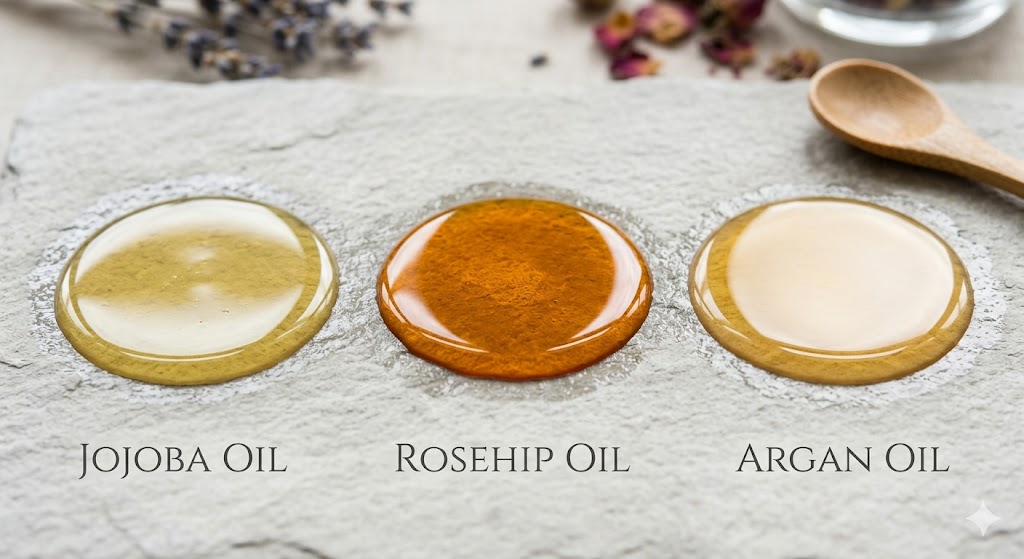
Compare best face oil options by skin type
What’s Next: How Long Does It Take to See Results From Face Oil?
Most people need 2-4 weeks of consistent use to judge a face oil fairly. Skin usually needs time to adjust and show visible improvements.
First, track how your skin feels in the first week. Softer texture or less tightness may appear quickly. Second, assess glow or marks after several weeks. For example, post-acne marks usually take longer than hydration changes.
When Should You Switch?
Switch if you notice:
- Persistent breakouts
- Irritation
- Greasy residue
- No benefit after 4-6 weeks
Quotable fact: Consistency with one suitable product often beats constantly switching between trending products.
Conclusion
The best face oil is the one that matches your skin’s real needs, not social media hype. Lightweight oils like jojoba and squalane often suit oily skin, while richer oils like argan and marula support dry or mature skin. Start simple, patch test first, and stay consistent for a few weeks. With the right choice, face oil can become one of the easiest upgrades in your skincare routine.
Written by: Suraj — Skincare Content Writer & Blogger with 5+ years of experience creating SEO-focused beauty and wellness content.
Reviewed by: Editorial Review Team — Research-focused skincare editors specializing in ingredient education and consumer product guidance.
Disclaimer: This article was initially drafted using AI assistance. However, the content has undergone thorough revisions, editing, and fact-checking by human editors and subject matter experts to ensure accuracy.