
You probably know yearly checkups are “good for you,” but many people skip them because they are unsure what actually happens or whether they are necessary. The real value is not the appointment itself—it is the chance to catch risks early and build a smarter health plan. In this guide, you’ll learn what an annual physical check up includes, who needs one, how to prepare, and how to get the most from it.
Key Takeaways
- Annual physical check up is a preventive medical visit that reviews your health, risks, lifestyle, and recommended screenings.
- Early detection helps identify high blood pressure, diabetes, and high cholesterol before symptoms appear.
- Standard visits often include medical history, vital signs, a physical exam, and personalized advice.
- Recommended tests vary by age, sex, family history, and existing conditions.
- Preparation with medication lists, symptom notes, and questions makes appointments more useful.
- Insurance coverage often treats preventive visits differently from diagnostic care, so check benefits first.
- Follow-up action creates the biggest long-term value after your exam.
What Is an Annual Physical Check Up and What Does It Include?
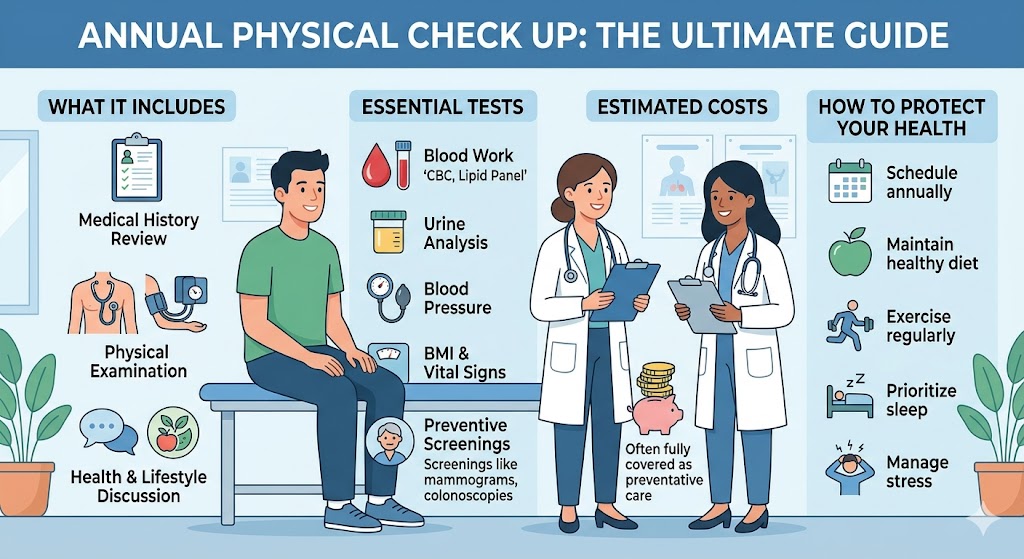
An annual physical check up is a preventive medical visit that evaluates overall health, risk factors, and recommended screenings. It focuses on staying healthy, not just treating illness after symptoms begin.
First, your doctor usually reviews your medical history, current symptoms, medications, allergies, family history, and lifestyle habits. For example, if heart disease runs in your family, your doctor may suggest earlier cholesterol testing.
Second, the visit often includes vital signs such as blood pressure, heart rate, weight, and BMI. These basic numbers help track changes over time. For example, rising blood pressure over two years may signal the need for action before damage occurs.
Third, most appointments include a physical examination. Your doctor may listen to your heart and lungs, check your abdomen, assess skin concerns, and discuss sleep, stress, exercise, or nutrition.
Quotable fact: An annual physical check up typically includes a medical history review, vital signs, physical examination, and personalized health guidance.
BMI calculator and healthy weight guide
Why Is an Annual Physical Check Up Important for Preventive Health?
An annual physical check up matters because prevention is easier, safer, and often cheaper than treating advanced disease. Regular visits help you spot silent health risks early.
First, many serious conditions develop without symptoms. High blood pressure is called a “silent” problem because people may feel normal for years. Globally, hypertension affects an estimated 1.28 billion adults — Source: WHO, 2023.
Second, yearly visits help with health tracking. One blood sugar reading matters, but trends over time matter more. For example, gradually rising glucose may signal prediabetes long before diabetes develops.
Third, preventive appointments support vaccinations and screenings. Adults may need flu shots, tetanus boosters, or age-based screenings like colon cancer checks.
Moreover, regular checkups can lower future costs. Preventive care can reduce expensive emergency treatment by catching issues earlier — Source: CDC, 2024.
Quotable fact: Preventive checkups help identify conditions such as high blood pressure, diabetes, and high cholesterol before symptoms develop.
preventive healthcare benefits
recommended vaccines for adults
What Happens During an Annual Physical Check Up?
An annual physical check up usually follows a simple step-by-step process that reviews your current health and creates a plan for the future.
Medical History Review
First, your doctor asks about past illnesses, surgeries, medications, allergies, smoking, alcohol, exercise, and family history. This helps personalize recommendations.
For example, someone with a parent who had diabetes may need earlier blood sugar testing.
Symptoms and Lifestyle Discussion
Second, your doctor may ask about fatigue, headaches, sleep quality, mood, stress, diet, and activity levels. These conversations often reveal problems labs alone cannot.
For example, poor sleep plus weight gain may point to sleep apnea or stress-related habits.
Physical Examination
Third, your doctor checks basic body systems. This may include heart, lungs, abdomen, skin, thyroid, joints, or reflexes depending on your age and concerns.
Follow-Up Planning
Finally, you receive next steps. That could include lab work, referrals, vaccines, repeat tests, or lifestyle goals.

What Tests Are Usually Done During a Yearly Physical Exam?
The tests in a yearly physical exam depend on age, risk, and medical history, but several common checks appear often.
| Test / Screening | What It Checks | Who May Need It |
|---|---|---|
| Blood Pressure | Heart and vessel risk | Most adults |
| BMI / Weight | Weight trends | Most adults |
| Cholesterol Panel | Heart disease risk | Adults by age/risk |
| Blood Sugar / HbA1c | Prediabetes or diabetes | Adults by risk/age |
| CBC / Basic Labs | General health clues | Based on doctor advice |
| Cancer Screenings | Early detection | Age/family history |
| Mental Health Screening | Stress, anxiety, depression | Many adults |
Vital Signs and Basic Numbers
First, blood pressure, pulse, weight, and BMI are quick but valuable. Even small yearly changes can matter.
For example, obesity has nearly tripled worldwide since 1975 — Source: WHO, 2024.
signs of high cholesterol
BMI calculator and healthy weight guide
Bloodwork
Second, blood tests may include cholesterol, glucose, kidney function, liver markers, or thyroid tests when appropriate.
For example, elevated LDL cholesterol may require diet changes before medication is needed.
[Internal link: “signs of high cholesterol” → suggested target page/topic]
[Internal link: “best foods for blood sugar control” → suggested target page/topic]
Mental Health Screening
Third, emotional health matters too. Many doctors now ask about stress, mood, burnout, and sleep quality.
Depression affects hundreds of millions globally — Source: WHO, 2024.
Quotable fact: Recommended screening tests vary based on age, sex, family history, and existing medical conditions.
How Often Should Adults Get an Annual Physical Check Up?
How often you need a checkup depends on your age, risk factors, and existing conditions, but yearly visits are a practical baseline for many adults.
In Your 20s
First, healthy adults in their 20s may need fewer tests, but yearly visits still help build baseline records, update vaccines, and discuss lifestyle habits.
In Your 30s
Second, this decade often brings work stress, family demands, and weight changes. Blood pressure, cholesterol, and mental health checks become more valuable.
In Your 40s
Third, risks for heart disease, diabetes, and some cancers rise. Screenings often become more regular.
In Your 50s and Beyond
Moreover, colon cancer, bone health, hearing, vision, and medication review may need more attention.
If You Have Chronic Conditions
Finally, people with diabetes, hypertension, asthma, thyroid disease, or obesity may need visits more often than once a year.
Quotable fact: The right checkup schedule is personalized, but consistent monitoring usually beats waiting for symptoms.
How Does an Annual Physical Check Up Change by Age and Gender?
An annual physical check up changes by age and gender because health risks and screening needs change over time.
First, women may discuss menstrual health, contraception, pregnancy planning, cervical screening, breast health, or menopause.
Second, men may discuss prostate symptoms, testosterone concerns, heart risk, or sleep apnea symptoms.
Third, older adults may need fall-risk checks, memory screening, medication review, and mobility support.
For example, colorectal cancer screening is commonly recommended starting at midlife depending on guidelines and risk factors.
Quotable fact: Personalized screening is more useful than one-size-fits-all testing.
How Should You Prepare for an Annual Physical Check Up?
Preparing for an annual physical check up helps you get better answers, better testing, and better value from your time.
Bring the Right Information
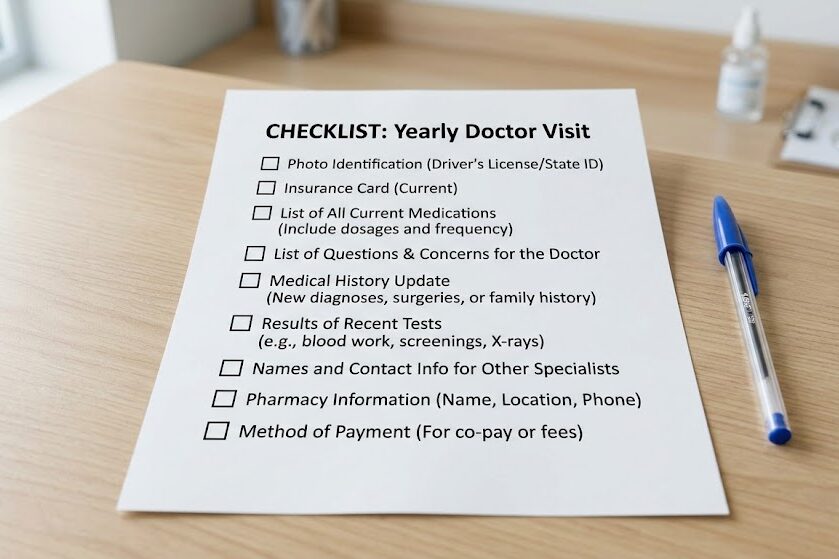
First, carry a list of medications, supplements, allergies, past reports, and vaccine records.
Track Symptoms in Advance
Second, write down symptoms with timing and triggers. “Headaches twice weekly after poor sleep” is more useful than “I get headaches.”
Confirm Fasting Instructions
Third, some blood tests may require fasting. Ask the clinic in advance.
Prepare Questions
Finally, bring your top concerns so you do not forget them during the visit.
Useful questions include:
- What screenings do I need this year?
- Are my numbers improving or worsening?
- What lifestyle change would help most?
- Do I need vaccines or referrals?
- When should I repeat tests?
questions to ask your doctor checklist
How Much Does an Annual Physical Check Up Cost With or Without Insurance?
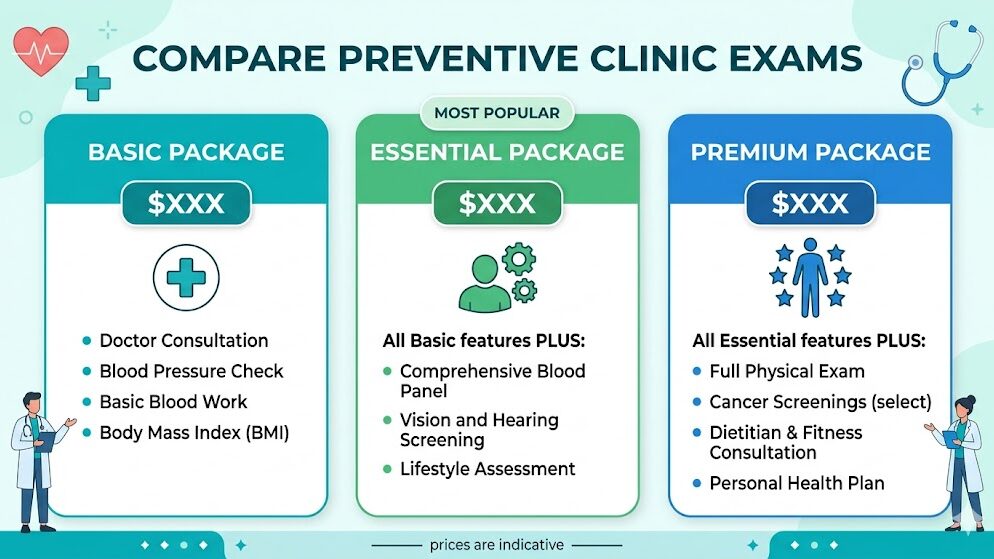
The cost of an annual physical check up varies by country, provider, and insurance coverage, but preventive visits are often partially or fully covered under many plans.
First, some insurers cover the consultation but charge extra for diagnostic tests, specialist referrals, or additional concerns discussed during the visit.
Second, private clinics may bundle exams, bloodwork, and wellness reports into packages. Prices differ widely by city and test scope.
Third, many employers offer wellness programs or discounted screenings.
Before booking, compare:
- What the consultation includes
- Which labs cost extra
- Whether fasting tests are included
- Telehealth follow-up options
- Doctor qualifications and reviews
health insurance preventive coverage explained
What Tools Help You Manage Your Health Between Checkups?
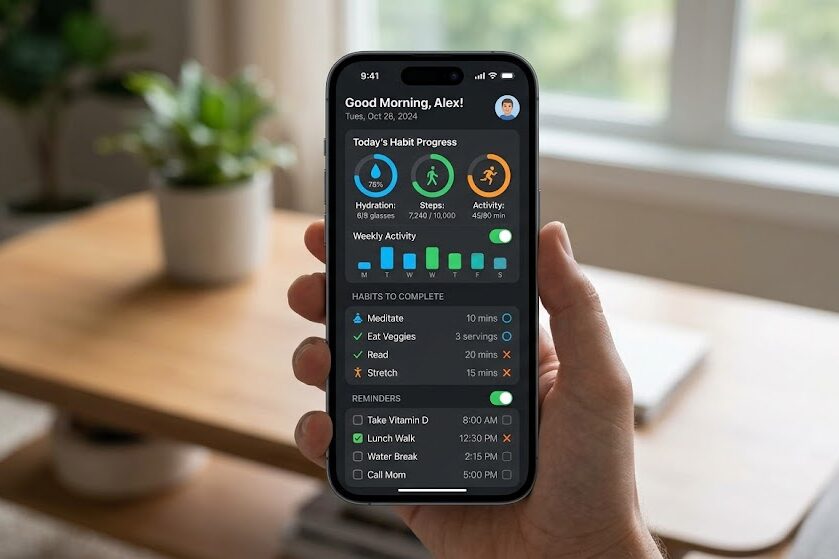
Health tools help you track progress between appointments so your annual visit becomes more productive.
First, blood pressure monitors let you measure trends at home. This gives your doctor more useful data than one clinic reading.
Second, fitness trackers can monitor steps, sleep, and heart rate patterns.
Third, apps can remind you about medication, hydration, vaccines, and next appointments.
Helpful options include:
- Phone health apps
- Smartwatch wellness tools
- Food logging apps
- Blood pressure devices
- Glucose tools (if prescribed)
Also consider free tools from hospitals, insurers, or government health portals.
best health apps for reminders
What Should You Do After Receiving Your Check Up Results?
The most important part of a checkup starts after the appointment, when you act on the results.
First, review your lab numbers and ask what each result means. One abnormal value may not equal disease, but patterns matter.
Second, follow treatment plans. That may include medication, repeat testing, or seeing a specialist.
Third, improve habits gradually. Small changes often work better than extreme plans.
Examples:
- Walk 30 minutes daily
- Reduce sugary drinks
- Sleep 7–9 hours
- Strength train twice weekly
- Manage stress consistently
Finally, schedule your next screening or yearly visit now. People are more likely to follow through when it is already booked.
Quotable fact: The most valuable part of a yearly checkup is acting on the results through follow-up care and lifestyle changes.
how to read lab test results
healthy lifestyle habits for adults
Conclusion
An annual physical check up is a simple proactive step that protects future health and improves quality of life. It helps detect silent risks early, track your progress, update screenings, and guide smarter daily habits. If you have been delaying your visit, use this guide as your checklist and schedule your next preventive exam with confidence.
Written by Suraj 5+ Blogger — Health content writer focused on SEO-driven educational guides, preventive wellness topics, and reader-first health education.
Reviewed by Dr. A. Sharma — Preventive Care Reviewer, focused on adult wellness, screening guidelines, and evidence-based health communication.
Disclaimer: This article was initially drafted using AI assistance. However, the content has undergone thorough revisions, editing, and fact-checking by human editors and subject matter experts to ensure accuracy.