
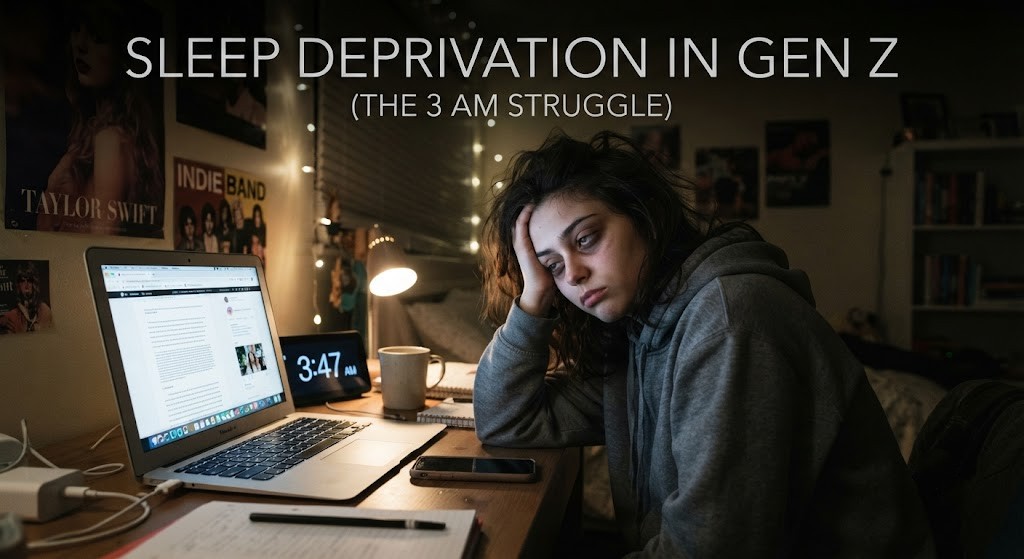
Late-night scrolling, studying, working, streaming, gaming, or socializing can easily push bedtime later than planned. What is easier to overlook is what happens when those late nights become a pattern: insufficient sleep can affect concentration, memory, mood, energy, reaction time, and overall health.
Sleep deprivation in Gen Z is an increasingly relevant concern because young people may be balancing school, work, social commitments, digital entertainment, and irregular schedules. In this guide, we’ll explore what sleep deprivation means, why it happens, how it can affect mental and physical health, the warning signs to watch for, and practical ways to build healthier sleep habits.
What Is Sleep Deprivation in Gen Z?
Sleep deprivation in Gen Z refers to insufficient or poor-quality sleep that prevents young people from getting the restorative rest needed for healthy daily functioning. Sleep deficiency can also involve sleeping at the wrong time, experiencing disrupted sleep, or failing to get enough restorative sleep.
Sleep deprivation is more than staying up late on a single occasion. For example, regularly sleeping five or six hours because of late-night gaming, studying, social media, or early classes can create an ongoing pattern of sleep loss.
Sleep needs also vary by age. Teens ages 13–18 generally need 8–10 hours of sleep per night, while adults generally need at least 7 hours per night. — Source: [National Heart, Lung, and Blood Institute, 2022]
Gen Z is not a single group with identical routines. Students, young professionals, shift workers, and people with different responsibilities may experience sleep deprivation for very different reasons.
Why Is Sleep Deprivation a Growing Concern for Gen Z?
Sleep deprivation matters because inadequate sleep can reduce alertness, concentration, memory, emotional regulation, decision-making, and everyday performance. NIH explains that sleep deficiency can interfere with learning, focusing, decision-making, problem-solving, and reaction time.
The issue is also not limited to teenagers. In 2024, 27.2% of U.S. adults ages 18–34 reported averaging less than seven hours of sleep per 24-hour period. — Source: [CDC National Center for Health Statistics, 2026]
That number highlights why sleep duration remains an important issue among young adults. For example, a student who sleeps poorly before an exam may struggle to concentrate, while a tired employee may take longer to complete routine tasks or make more mistakes.
Sleep also supports essential physical processes, including immune function, metabolic regulation, cardiovascular health, and tissue repair. Therefore, consistently getting enough sleep is about more than feeling rested the next morning.
What Causes Sleep Deprivation in Gen Z?
Common contributors to sleep deprivation in Gen Z include irregular schedules, nighttime technology use, stress, academic or work demands, social activities, and caffeine consumption. These factors can overlap and reinforce one another.
For example, a person may stay up late because of work, feel exhausted the following day, rely on caffeine to stay alert, and then consume caffeine late enough to make falling asleep more difficult that night.
Understanding these causes is an important first step toward changing the pattern.
How Does Screen Time Affect Gen Z Sleep?
Nighttime technology use can make healthy sleep more difficult when it delays bedtime or increases mental stimulation. Smartphones, social media, streaming services, gaming, and work messages can encourage people to remain active long after they originally planned to go to sleep.
For example, someone intending to watch one short video at 11 p.m. may continue scrolling until midnight or later.
Light is also an important environmental cue for the body’s circadian rhythm, and the timing of light exposure can influence sleep and wakefulness. However, screen use can affect sleep through more than light alone; engaging content, notifications, gaming, and social interaction can also make it harder to transition into a calm bedtime state.
How Do Stress, School, and Work Affect Sleep?
Stress and competing responsibilities can reduce the amount of time available for sleep and make it harder to relax at bedtime. Students may stay awake completing assignments, while young professionals may work late or continue thinking about deadlines after getting into bed.
For example, an employee who finishes work at 10 p.m. may still need time to commute, eat, unwind, and prepare for the following day. By the time they are ready for bed, much of their intended sleep window may already be gone.
Irregular work schedules can create another challenge because they may conflict with the body’s internal sleep-wake rhythm. NHLBI identifies long working hours and schedules that conflict with the body clock as risk factors for sleep deficiency.
How Do Caffeine and Late-Night Activities Affect Sleep?
Caffeine can contribute to sleep problems when consumed too close to bedtime. Coffee, energy drinks, tea, and caffeinated soft drinks can become part of a cycle in which daytime fatigue encourages more caffeine consumption, while late caffeine use can make nighttime sleep more difficult.
For example, drinking an energy drink late in the evening to finish studying may potentially make it harder to fall asleep afterward.
Other activities can also shift bedtime later, including:
- Social events
- Streaming shows or videos
- Gaming
- Late-night studying
- Exercise scheduled at inconvenient times
- Late meals
- Extended conversations or social media use
When several of these behaviors occur together, a person can lose much more sleep than intended.
How Does Sleep Deprivation Affect Gen Z’s Mental and Physical Health?
Sleep deprivation can impair attention, memory, reaction time, mood, and everyday performance. These effects can appear after relatively short periods of inadequate sleep, while persistent sleep deficiency is associated with broader health risks.
The effects can be particularly noticeable when sleep loss becomes routine rather than occasional.
How Does Sleep Deprivation Affect Mental Health?
Insufficient sleep can affect emotional regulation, attention, decision-making, and mood. NIH notes that inadequate sleep can contribute to irritability, reduced alertness, attention problems, and longer-term associations with depression, anxiety, and mental distress.
For example, someone who sleeps poorly may become more frustrated by a normal workload, struggle to focus during a conversation, or find ordinary daily responsibilities more difficult.
Sleep and mental health can also influence each other. Stress, anxiety, and other mental-health challenges may interfere with sleep, while ongoing sleep deprivation can make emotional regulation more difficult.
Importantly, sleep deprivation should not automatically be treated as the sole cause of anxiety or depression. Mental health is influenced by many factors, and persistent symptoms deserve appropriate professional attention.
How Does Lack of Sleep Affect Physical Health?
Inadequate sleep can affect immune function, metabolism, cardiovascular health, and physical recovery. Long-term sleep deficiency is associated with conditions including obesity, diabetes, high blood pressure, and cardiovascular disease.
For example, repeatedly sleeping too little can leave someone tired during exercise and less alert during physically demanding activities.
Sleep deficiency can also affect safety. Slower reaction times, reduced attention, and unintended sleepiness can increase the risk of mistakes and accidents.
However, long-term health associations do not mean that every sleep-deprived person will develop a specific disease. Individual health risks depend on many factors, including overall lifestyle, genetics, existing health conditions, and the duration and severity of sleep problems.
What Are the Signs of Sleep Deprivation in Young Adults?
Common signs of sleep deprivation include daytime sleepiness, difficulty concentrating, irritability, forgetfulness, reduced motivation, and struggling to stay awake. NHLBI also identifies slower reactions, more mistakes, and difficulty making decisions as potential effects.
Daytime sleepiness is often one of the easiest signs to recognize. For example, repeatedly fighting sleep during lectures, meetings, while studying, or while watching television may indicate inadequate sleep.
Other potential signs include:
- Difficulty waking up even after several alarms
- Trouble remembering recently learned information
- Increased irritability or mood changes
- Reduced motivation
- Heavy reliance on caffeine
- Slower reactions
- Difficulty focusing on routine tasks
- Unintended daytime dozing
- Making more mistakes than usual
- Difficulty making decisions
- Feeling unrefreshed after sleeping
What Is Microsleep?
Microsleep refers to brief, involuntary episodes of sleep that can occur while someone appears to be awake. These episodes can be especially dangerous during activities that require continuous attention, such as driving or operating equipment.
If you find yourself repeatedly struggling to stay awake during the day, particularly during safety-sensitive activities, inadequate sleep should not be ignored.
How Much Sleep Does Gen Z Need Each Night?
Gen Z sleep needs depend on age, but teens generally need 8–10 hours and adults generally need at least 7 hours of sleep per night. Individual sleep needs vary, but these recommendations provide a useful baseline.
| Age group | General sleep recommendation |
|---|---|
| Teens 13–18 | 8–10 hours |
| Adults 18+ | At least 7 hours |
Sleep duration, however, is only one part of healthy sleep. For example, spending eight hours in bed but repeatedly waking throughout the night may still leave someone feeling unrefreshed.
Sleep quantity can also vary across populations. 30.5% of U.S. adults slept less than seven hours on average in 2024. — Source: [CDC National Center for Health Statistics, 2026]
How Can Gen Z Improve Sleep Naturally?
Improving sleep generally involves consistent sleep and wake times, a relaxing bedtime routine, limiting stimulating activities before bed, and creating a sleep-friendly environment.
The goal is not to create a perfect routine overnight. Instead, focus on practical changes that are realistic enough to maintain.
How Can a Consistent Sleep Schedule Help?
A consistent sleep-wake schedule can help reinforce the body’s regular circadian rhythm. Going to bed and waking up at similar times gives your body predictable cues for when to become sleepy and alert.
For example, someone who sleeps from midnight to 8 a.m. on weekdays but shifts to 3 a.m. to noon on weekends may experience a substantial schedule change.
Keeping weekend changes relatively modest can make a regular sleep schedule easier to maintain.
How Can a Better Bedtime Routine Reduce Sleep Problems?
A relaxing bedtime routine can create a predictable transition from daytime activity to sleep. It can signal that the day is winding down and reduce the temptation to continue stimulating activities late into the night.
A simple routine might include:
- Dimming the lights.
- Putting away stimulating devices.
- Reading a book.
- Doing gentle stretching.
- Practicing breathing exercises.
- Preparing clothes or tasks for the following morning.
For example, replacing 30 minutes of late-night social-media scrolling with reading or quiet music can reduce stimulation before bed.
How Do Exercise and Daylight Support Better Sleep?
Regular physical activity and appropriate daylight exposure can support healthy sleep-wake patterns. Light is an important environmental signal for the circadian system, while physical activity contributes to overall health and can fit naturally into a healthy sleep routine.
For example, taking a morning walk outside can combine daylight exposure with light physical activity.
The key is to make these habits practical. A sustainable routine that fits school, work, and social responsibilities is more useful than an ideal routine that is difficult to maintain.
What Tools and Practical Strategies Can Help Gen Z Sleep Better?
Simple sleep tools can help Gen Z identify patterns and build consistent habits, but they should support—not replace—professional evaluation when problems persist.
Useful strategies include:
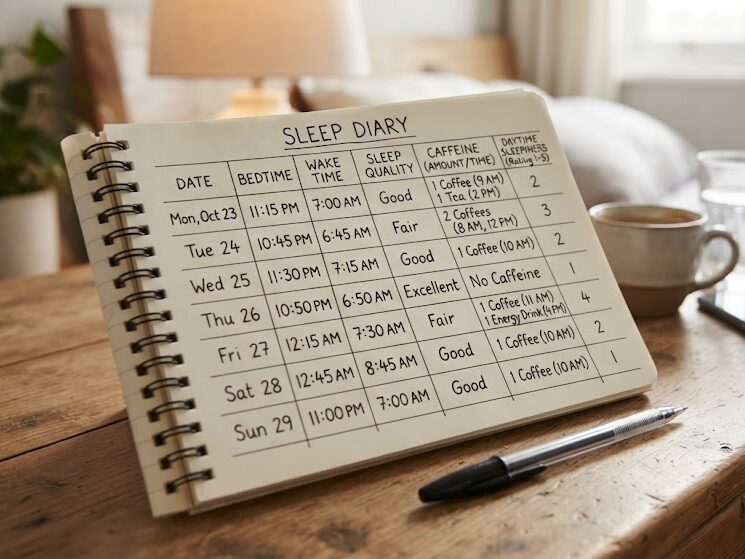
- Keep a sleep diary: Record bedtime, wake time, nighttime awakenings, caffeine, exercise, and daytime sleepiness.
- Set bedtime reminders: Create an alert 30–60 minutes before your intended bedtime.
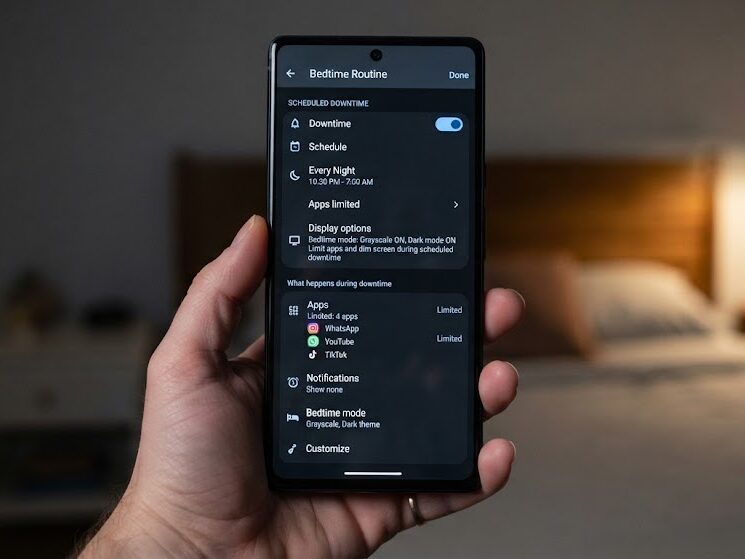
- Use screen-time controls: Device limits or scheduled downtime can reduce late-night scrolling.
- Create an alarm routine: Keep wake-up times consistent instead of repeatedly changing alarms.
- Track sleep trends: Wearables can help identify patterns over time.
- Practice relaxation techniques: Breathing exercises, meditation, or progressive muscle relaxation may help create a calmer transition to sleep.
Are Sleep Trackers Accurate?
Sleep trackers estimate sleep rather than directly measuring every aspect of sleep. If a wearable reports specific sleep stages, treat those numbers as estimates rather than a medical diagnosis.
Tracking can still be useful because patterns may reveal behaviors worth changing. For example, a sleep diary or wearable may show that bedtime consistently becomes later on nights involving extended screen use or caffeine.
When Should Gen Z Seek Help for Persistent Sleep Problems?
Persistent sleep problems or excessive daytime sleepiness that interfere with daily functioning should be discussed with a healthcare professional. Professional assessment can help determine whether lifestyle factors, medications, mental-health concerns, medical conditions, or a sleep disorder may be contributing.
Consider seeking professional advice if you regularly experience:
- Persistent difficulty falling or staying asleep
- Excessive daytime sleepiness
- Repeated unintended daytime dozing
- Loud snoring or episodes of gasping during sleep
- Sleep problems that affect school, work, relationships, or safety
- Feeling unrefreshed despite allowing enough time for sleep
For example, in 2024, 18.3% of U.S. adults ages 18–34 reported trouble falling asleep most days or every day. — Source: [CDC National Center for Health Statistics, 2026]
Persistent symptoms are worth discussing rather than assuming they are simply a normal part of being young. A healthcare professional can help determine whether there is an underlying sleep disorder or another factor affecting sleep.
What’s Next: How Can Gen Z Build a Sustainable Sleep Routine?
A sustainable sleep routine starts with one or two realistic changes rather than trying to overhaul every habit at once. Small changes are easier to repeat and can gradually become part of a long-term routine.
A practical starting point is to establish a consistent wake-up time. From there, add a short bedtime wind-down routine and gradually move caffeine and stimulating screen activities earlier when possible.
A Simple 7-Day Sleep Reset
Use the following plan as a starting framework:
- Days 1–2: Track your current sleep and wake times.
- Days 3–4: Set a consistent wake-up time.
- Days 5–6: Add a 30-minute screen-free wind-down period.
- Day 7: Review what worked and keep the most realistic habits.
The purpose is not to achieve perfect sleep in one week. Instead, use the week to identify which changes are easiest to maintain.
Consistency matters more than perfection. If one late night happens, return to your normal routine rather than abandoning the entire plan.
Conclusion: Better Sleep Starts With Consistent Habits
Better sleep starts with consistent, manageable habits that protect enough time for restorative rest. Sleep deprivation in Gen Z can be influenced by technology use, irregular schedules, stress, school or work demands, caffeine, and late-night activities, but these factors can often be addressed gradually.
The most effective approach does not require a perfect nighttime routine. Start with one realistic change, such as keeping a consistent wake time, creating a calmer bedtime routine, reducing late-night screen stimulation, or paying closer attention to caffeine timing.
Ultimately, sustainable sleep improvement comes from habits you can repeat. If sleep problems persist or daytime sleepiness begins interfering with school, work, relationships, or safety, professional guidance is an appropriate next step.
FAQs
What is sleep deprivation in Gen Z?
It means not getting enough quality sleep for proper rest and daily functioning.
How much sleep does Gen Z need?
Teens need 8–10 hours, while adults generally need at least 7 hours per night.
What causes sleep deprivation in Gen Z?
Common causes include screen time, stress, irregular schedules, school, work, caffeine, and late-night activities.
What are the signs of sleep deprivation?
Signs include daytime tiredness, poor concentration, forgetfulness, irritability, and low motivation.
How does screen time affect Gen Z sleep?
Late-night screen use can delay bedtime and make it harder to relax and fall asleep.
Can sleep deprivation affect mental health?
Yes, poor sleep can affect mood, attention, emotional regulation, and overall mental well-being.
Can lack of sleep affect physical health?
Yes, ongoing sleep deficiency can affect immunity, metabolism, cardiovascular health, and physical recovery.
Can caffeine cause sleep problems?
Yes, caffeine consumed too close to bedtime can make it harder to fall asleep.
How can Gen Z improve sleep naturally?
Maintain consistent sleep times, reduce nighttime screen use, and follow a relaxing bedtime routine.
Are sleep trackers accurate?
Sleep trackers provide estimates and can identify patterns but cannot diagnose sleep disorders.
When should you seek help for sleep problems?
Seek professional advice when persistent sleep problems or daytime sleepiness affect daily life or safety.