
Summarize this blog post with: ChatGPT | Perplexity | Claude | Grok
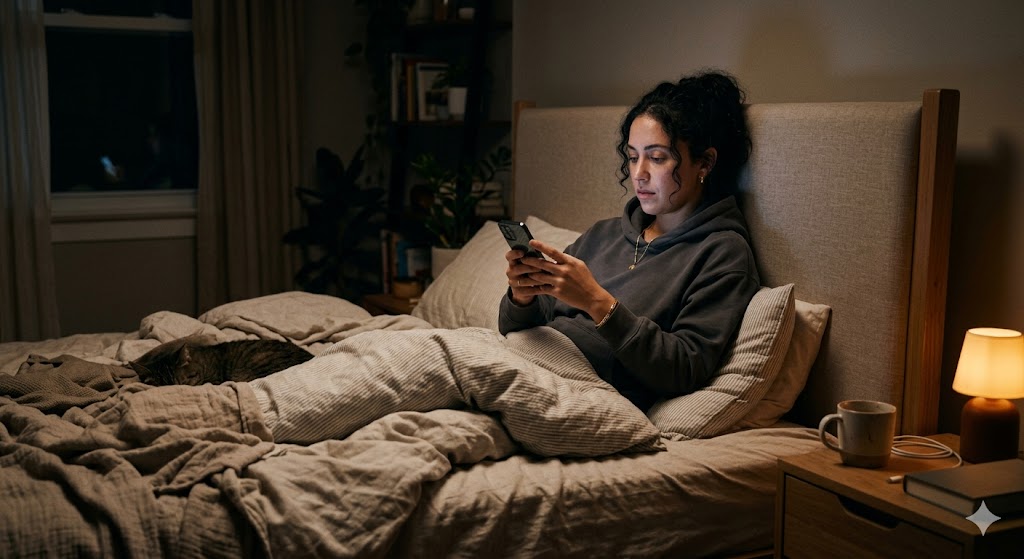
You probably know the feeling of staying up late scrolling your phone even though you’re exhausted and already regret tomorrow morning. What many people don’t realize is that this habit often has less to do with laziness and more to do with stress, control, and emotional recovery. In this guide, you’ll learn what revenge bedtime procrastination really is, why it happens, and how to stop it without giving up your personal time.
Key Takeaways
- Revenge bedtime procrastination describes the habit of delaying sleep to regain personal time after a stressful or demanding day.
- Excessive nighttime scrolling, binge-watching, and late-night entertainment are common symptoms of revenge bedtime procrastination.
- Chronic sleep deprivation caused by revenge bedtime procrastination can negatively affect mood, focus, productivity, and long-term health.
- Stress, burnout, lack of daytime freedom, and digital distractions are major causes of revenge bedtime procrastination.
- Consistent sleep routines, reduced screen time, and healthier work-life balance can help break the cycle of delayed sleep.
- Sleep tracking apps and nighttime habit systems can make bedtime routines easier to maintain.
- Small, sustainable behavior changes are more effective than extreme sleep schedule resets.
What Is Revenge Bedtime Procrastination and Why Does It Happen?
Revenge bedtime procrastination is the habit of delaying sleep to regain personal time after a stressful or highly structured day. The term became popular through discussions on Chinese social media, where people described staying awake late at night as a form of “revenge” against exhausting schedules and lack of personal freedom.
First, it’s important to understand that bedtime procrastination is usually emotional rather than logical. Most people already know they should sleep earlier. However, they continue scrolling social media, watching videos, gaming, or browsing online because nighttime feels like the only time they truly control.
For example, a remote worker might spend 10 hours managing deadlines, meetings, and responsibilities. Even when exhausted, they may stay awake until 2 a.m. watching YouTube because it feels like reclaiming personal freedom.
Bedtime procrastination involves choosing leisure activities over sleep despite knowing the negative consequences. This behavior has become increasingly common due to digital overload and constant connectivity.
According to the American Academy of Sleep Medicine, adults should sleep at least 7 hours nightly for optimal health — Source: American Academy of Sleep Medicine, 2024.
How Is Revenge Bedtime Procrastination Different From Insomnia?
Revenge bedtime procrastination differs from insomnia because people intentionally delay sleep instead of being physically unable to sleep.
Second, insomnia usually involves difficulty falling asleep even when someone tries to rest. In contrast, revenge bedtime procrastination happens when someone voluntarily chooses stimulating activities before bed.
| Factor | Revenge Bedtime Procrastination | Insomnia |
|---|---|---|
| Sleep Delay | Intentional | Unintentional |
| Main Cause | Stress, lack of freedom, habits | Medical or psychological factors |
| Common Behavior | Scrolling, streaming, gaming | Lying awake unable to sleep |
| Emotional Trigger | Need for personal time | Anxiety or sleep disorders |
| Solution Focus | Habit and lifestyle changes | Medical or therapeutic support |
Moreover, many people experience both conditions simultaneously. For example, prolonged sleep procrastination can increase nighttime anxiety, which later contributes to insomnia symptoms.
Why Does Revenge Bedtime Procrastination Matter?
Revenge bedtime procrastination matters because chronic sleep deprivation affects mental health, focus, energy, and long-term physical wellness.
First, poor sleep directly reduces cognitive performance. Research from the CDC shows that insufficient sleep is linked to impaired memory, slower reaction times, and reduced workplace productivity — Source: CDC, 2024.
Additionally, sleep deprivation increases emotional instability. People who consistently sleep late often experience irritability, mood swings, and heightened stress responses.
Sleep deprivation caused by revenge bedtime procrastination can reduce focus, mood stability, and cognitive performance.
For example, someone sleeping only 5 hours nightly may struggle to concentrate during meetings, forget simple tasks, and rely heavily on caffeine throughout the day.
Mental Health Consequences of Sleep Procrastination
Revenge bedtime procrastination is often linked to stress, burnout, anxiety, and a lack of daytime autonomy.
Furthermore, late-night scrolling can intensify feelings of anxiety and emotional exhaustion. Social media comparison, endless notifications, and doomscrolling keep the brain stimulated when it should be relaxing.
According to the National Sleep Foundation, adults with poor sleep habits report significantly higher stress and anxiety levels — Source: National Sleep Foundation, 2024.
stress management techniques
Long-Term Physical Health Effects
Consistently delaying sleep can disrupt hormones, metabolism, and immune function.
At the same time, poor sleep quality increases the risk of obesity, high blood pressure, heart disease, and weakened immunity. Research from Harvard Medical School also links chronic sleep deprivation to increased inflammation and metabolic dysfunction — Source: Harvard Medical School, 2024.
For example, people sleeping less than 6 hours regularly often experience energy crashes, increased cravings, and poor exercise recovery.
benefits of quality sleep
What Causes Revenge Bedtime Procrastination in Adults?
Revenge bedtime procrastination is primarily caused by stress, lack of personal control, digital distractions, and emotional exhaustion.
First, modern lifestyles create constant mental stimulation. Many adults feel pressured by work, studies, parenting, or financial responsibilities throughout the day. As a result, nighttime becomes an emotional escape.
Lack of Daytime Autonomy
Lack of daytime autonomy is one of the strongest psychological triggers behind bedtime procrastination.
For example, corporate employees with rigid schedules may feel emotionally drained after work. Staying awake late becomes a way to reclaim freedom and independence.
Additionally, remote workers often struggle because work and personal life blend together. Without boundaries, the brain never fully “switches off.”
best productivity habits for remote workers
Social Media and Dopamine Loops
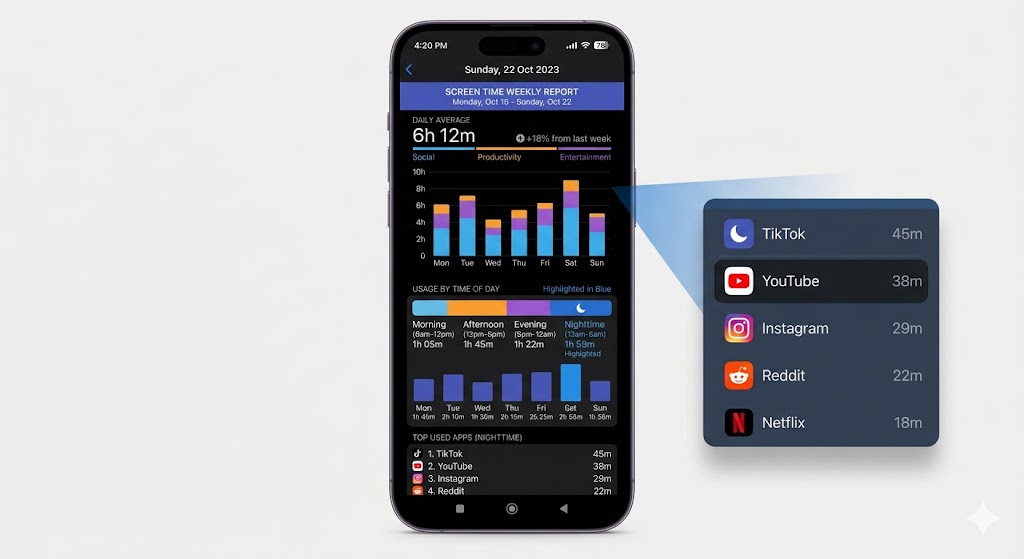
Social media platforms are designed to keep users engaged through dopamine-driven reward systems.
Moreover, apps like TikTok, Instagram, and YouTube create endless scrolling behavior that makes it difficult to stop. Every new video or notification triggers small dopamine releases that encourage continued engagement.
Excessive nighttime screen time can disrupt melatonin production and make it harder to fall asleep naturally.
According to Sleep Foundation research, blue light exposure before bed suppresses melatonin production and delays sleep onset — Source: Sleep Foundation, 2024.
Burnout, Anxiety, and Overthinking
Burnout and emotional stress increase nighttime wakefulness because the brain struggles to relax after overstimulation.
Furthermore, many people use late-night entertainment to avoid uncomfortable thoughts or stress. Unfortunately, this temporary relief creates a cycle of exhaustion and emotional burnout.
For example, students during exam season often stay awake watching videos because it feels mentally easier than facing academic stress.
What Are the Most Common Signs of Revenge Bedtime Procrastination?
Common signs of revenge bedtime procrastination include staying awake despite exhaustion, doomscrolling, and feeling guilty every morning.
First, many people repeatedly say, “Just one more video,” while knowing they should sleep. This pattern reflects emotional avoidance rather than poor time awareness.
Common Symptoms to Watch For
- Staying awake even when physically tired
- Endless doomscrolling at night
- Watching multiple episodes unintentionally
- Feeling regret or guilt every morning
- Relying heavily on caffeine daily
- Struggling to wake up consistently
- Experiencing frequent daytime fatigue
Doomscrolling at night is one of the most recognizable symptoms of modern sleep procrastination.
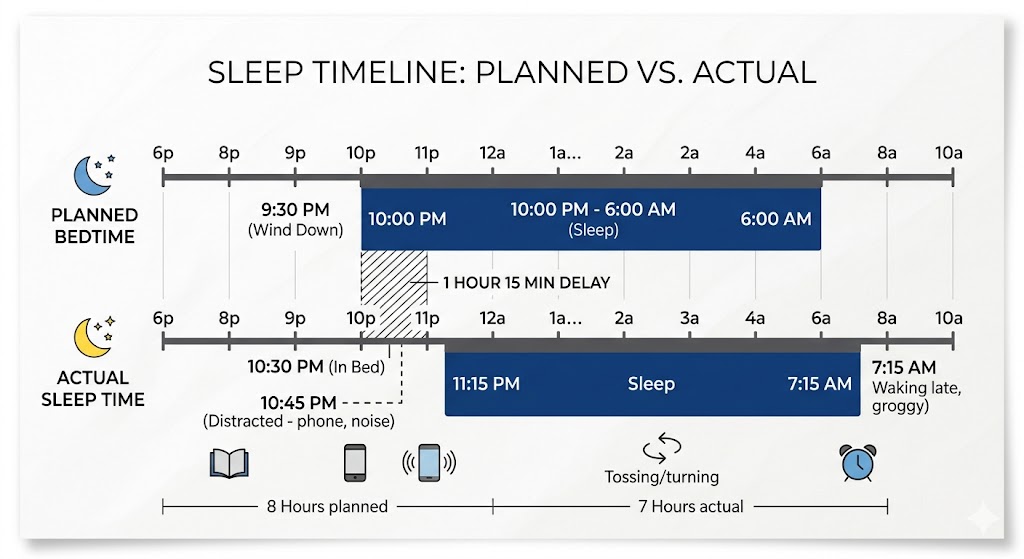
For example, someone might plan to sleep at 11 p.m. but continue scrolling social media until 2 a.m. without realizing how much time passed.
According to Statista, average daily social media use globally exceeds 2 hours per day — Source: Statista, 2025.
How Does Revenge Bedtime Procrastination Affect Mental Health?
Revenge bedtime procrastination negatively affects mental health by increasing stress, emotional instability, and cognitive fatigue.
First, the brain depends on consistent sleep cycles to regulate emotions effectively. Without proper rest, emotional reactions become stronger and harder to manage.
Circadian Rhythm Disruption
Circadian rhythm disruption occurs when irregular sleep patterns confuse the body’s internal clock.
Moreover, inconsistent sleep schedules reduce sleep quality even if total sleep duration occasionally improves. This disruption affects energy, digestion, hormones, and concentration.
For example, sleeping at 1 a.m. one night and 3 a.m. the next creates inconsistent recovery cycles that leave the body constantly fatigued.
Mood and Cognitive Performance
Poor sleep quality reduces decision-making ability, memory retention, and emotional resilience.
Additionally, sleep deprivation increases irritability and impulsive behavior. Many people become less patient, less focused, and more emotionally reactive after several nights of inadequate rest.
Research from the University of Pennsylvania found that chronic sleep restriction significantly impairs cognitive performance — Source: University of Pennsylvania Sleep Research, 2024.
Can Social Media and Screen Time Trigger Sleep Procrastination?
Social media and excessive screen time are major triggers for revenge bedtime procrastination because they overstimulate the brain before sleep.
First, apps are intentionally designed to maximize attention retention. Infinite scrolling, autoplay videos, and personalized recommendations make stopping difficult.
Why Phones Feel Impossible to Put Down at Night
Late-night phone addiction often becomes stronger during periods of stress or emotional exhaustion.
Furthermore, nighttime reduces external responsibilities, making entertainment feel more rewarding. The brain starts associating nighttime scrolling with emotional relief.
For example, many people unconsciously open TikTok or Instagram immediately after getting into bed.
How to Reduce Screen Time Before Bed
Reducing nighttime screen exposure improves melatonin production and helps the brain transition into sleep mode naturally.
You can start with these simple strategies:
- Set a “digital sunset” 60 minutes before bed
- Turn on blue-light filters after sunset
- Charge your phone outside the bedroom
- Replace scrolling with reading or journaling
- Use screen-time limiter apps consistently
How Can You Stop Revenge Bedtime Procrastination Naturally?
You can stop revenge bedtime procrastination naturally by creating realistic routines, reducing digital stimulation, and reclaiming personal time earlier in the day.
First, extreme sleep resets rarely work long-term. Sustainable habit changes create better results because they reduce resistance and emotional burnout.
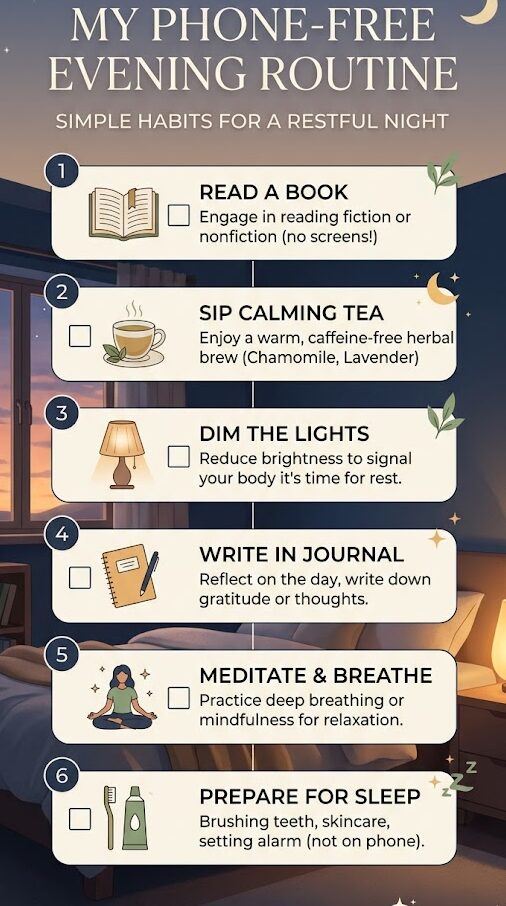
Building a consistent nighttime routine is one of the most effective ways to reduce revenge bedtime procrastination.
Reclaim Personal Time Earlier
Creating intentional leisure time during the day reduces the emotional urge to stay awake late.
For example, taking a 30-minute evening walk, reading during lunch, or scheduling hobby time can reduce the feeling that nighttime is your only freedom.
Build a Realistic Sleep Routine
A realistic nighttime routine should feel calming, flexible, and easy to maintain consistently.
Instead of forcing a dramatic change, shift your bedtime gradually by 15-20 minutes every few days.
A healthy nighttime routine may include:
- Dim lighting after 9 p.m.
- Light stretching or meditation
- Reading a physical book
- Avoiding caffeine late in the day
- Setting a fixed wake-up time

Use Habit Stacking Techniques
Habit stacking connects a new behavior to an existing routine to make consistency easier.
For example:
- After brushing your teeth → put your phone on a charger outside the bedroom
- After turning off lights → practice 5 minutes of deep breathing
- After dinner → prepare tomorrow’s clothes and schedule
What Is the Best Nighttime Routine for Better Sleep?
The best nighttime routine for better sleep combines consistency, reduced stimulation, and calming habits that prepare the body for rest.
First, your brain needs predictable signals to transition into sleep mode effectively. Repeating the same relaxing behaviors nightly helps strengthen that association.
Simple Evening Routine Template
| Time | Activity |
|---|---|
| 8:30 p.m. | Reduce bright lighting |
| 9:00 p.m. | Stop work-related tasks |
| 9:30 p.m. | Limit phone and social media use |
| 10:00 p.m. | Read, stretch, or journal |
| 10:30 p.m. | Sleep preparation and relaxation |
| 11:00 p.m. | Bedtime |
Consistent sleep and wake times improve circadian rhythm stability and overall sleep quality.
For example, waking up at the same time daily trains the body to feel sleepy naturally at night.
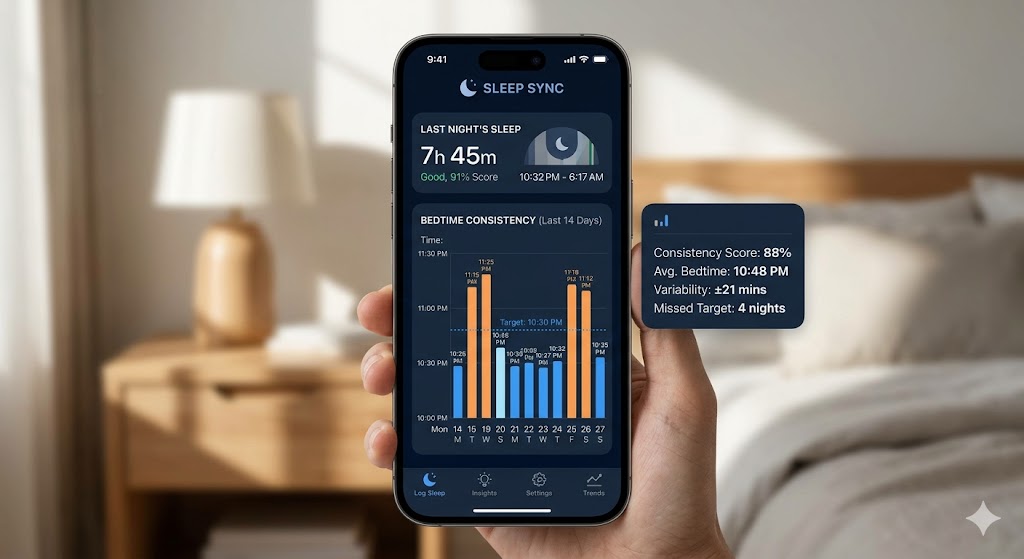
Are Sleep Tracking Apps Helpful for Bedtime Procrastination?
Sleep tracking apps can help bedtime procrastination by increasing awareness and accountability around nighttime habits.
First, many people underestimate how long they stay awake on their phones. Sleep trackers reveal actual patterns and bedtime inconsistencies.
Best Tools and Apps for Better Sleep Habits
| Tool Type | Recommended Apps | Purpose |
|---|---|---|
| Sleep Tracking | Sleep Cycle, Oura, Fitbit | Monitor sleep quality |
| Focus Apps | Forest, Freedom, Opal | Limit distractions |
| Journaling Apps | Day One, Journey | Reduce overthinking |
| Meditation Apps | Calm, Headspace | Improve relaxation |
| Screen-Time Tools | Digital Wellbeing, Screen Time | Reduce phone addiction |
Practical Relaxation Techniques
Relaxation exercises calm the nervous system and reduce nighttime mental stimulation.
You can try:
- Box breathing exercises
- Progressive muscle relaxation
- Guided meditation
- Brain-dump journaling
- Soft instrumental music
According to Johns Hopkins Medicine, mindfulness meditation can improve sleep quality and reduce stress levels — Source: Johns Hopkins Medicine, 2024.
How Long Does It Take to Fix an Irregular Sleep Schedule?
Fixing an irregular sleep schedule usually takes several weeks of consistent habits rather than a few days of extreme discipline.
First, the body adapts gradually to new sleep routines. Most people notice improvements within 1-2 weeks, but stable circadian rhythm changes often require 30-60 days.
What to Do Next to Build Better Sleep Habits
Small, sustainable habit changes create more lasting results than aggressive sleep overhauls.
Start with these steps:
- Choose one realistic bedtime goal
- Reduce screen exposure by 15 minutes nightly
- Track sleep consistency for 2 weeks
- Create a calming pre-bed ritual
- Prioritize daytime stress management
For example, someone currently sleeping at 2 a.m. should aim for 1:30 a.m. first rather than suddenly forcing a 10 p.m. bedtime.
morning habits for better productivity
Conclusion
Revenge bedtime procrastination is a common but manageable habit caused by stress, burnout, lack of personal time, and digital overstimulation. While staying awake late may temporarily feel rewarding, chronic sleep deprivation can negatively affect your mood, focus, energy, and long-term health.
Fortunately, you do not need a perfect routine to improve your sleep habits. Small changes like reducing nighttime scrolling, reclaiming personal time during the day, and building a calming evening routine can gradually break the cycle.
Most importantly, progress matters more than perfection. By improving one habit at a time, you can create a healthier relationship with rest, technology, and personal balance.
FAQ
What is revenge bedtime procrastination?
Revenge bedtime procrastination is the habit of delaying sleep to gain personal free time after a busy or stressful day.
Why do people engage in revenge bedtime procrastination?
People often do it because they feel they lack control, relaxation, or personal time during the day.
How does revenge bedtime procrastination affect health?
It can lead to sleep deprivation, fatigue, poor focus, mood changes, and reduced overall well-being.
Is revenge bedtime procrastination linked to stress?
Yes, stress, burnout, and demanding schedules are common causes of late-night sleep procrastination.
How can you stop revenge bedtime procrastination?
Creating a bedtime routine, limiting screen time, and scheduling personal relaxation earlier in the day can help.
Does screen time worsen revenge bedtime procrastination?
Yes, phones, social media, and streaming platforms can make it harder to sleep on time.
Can revenge bedtime procrastination cause insomnia?
It may contribute to sleep problems and poor sleep habits if it continues long term.
What are the signs of revenge bedtime procrastination?
Common signs include staying awake despite feeling tired and sacrificing sleep for entertainment or personal time.
How many hours of sleep should adults get?
Most adults need around 7–9 hours of quality sleep each night for good health.
Can better routines improve sleep habits?
Yes, consistent sleep schedules and healthy nighttime routines can improve sleep quality and reduce procrastination.
Written by: Suraj 5+ Blogger — SEO content writer and wellness-focused blogging specialist with experience creating reader-friendly educational guides on productivity, lifestyle, and self-improvement.
Reviewed by: Editorial Wellness Review Team — Specialists in sleep health, behavioral psychology, and digital wellness content.
Disclaimer: This article was initially drafted using AI assistance. However, the content has undergone thorough revisions, editing, and fact-checking by human editors and subject matter experts to ensure accuracy.
1 thought on “Revenge Bedtime Procrastination: Break the Sleep Cycle”