
Summarize this blog post with: ChatGPT | Perplexity | Claude | Grok
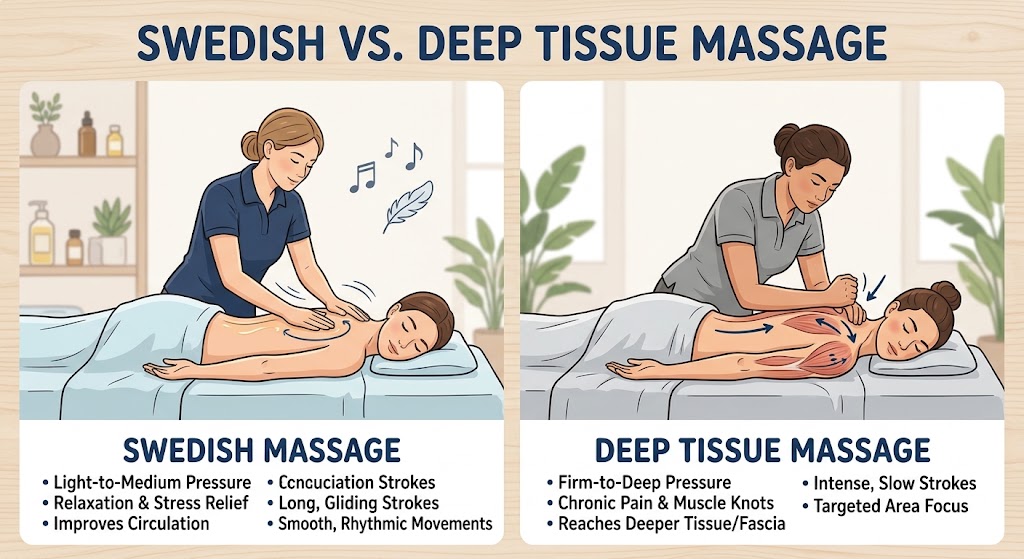
Most people know Swedish massage is relaxing and deep tissue massage is more intense — but very few actually understand which one their body truly needs. Choosing the wrong massage can leave you disappointed, sore, or without the results you expected. In this guide, you’ll learn the real differences between Swedish and deep tissue massage, when to choose each one, and how to decide which therapy fits your goals best.
Key Takeaways
- Swedish massage uses lighter pressure and flowing movements designed primarily for relaxation and stress reduction.
- Deep tissue massage targets deeper muscle layers using slower, firmer pressure to relieve chronic tension and muscle stiffness.
- Relaxation goals are generally better supported by Swedish massage, while recovery and pain management benefit more from deep tissue techniques.
- Muscle soreness after deep tissue massage is common because the therapy works deeper into connective tissue and tight muscle areas.
- First-time massage clients often prefer Swedish massage because it provides a gentler and more calming experience.
- Athletes and active individuals frequently choose deep tissue massage for recovery and mobility improvement.
- Massage selection depends on your pain level, stress level, fitness activity, and overall wellness goals.
What Is Swedish Massage?
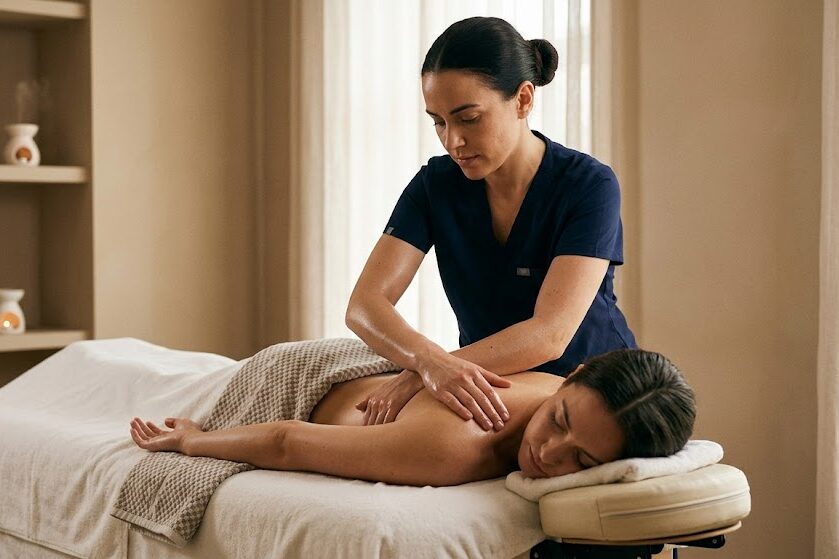
Swedish massage is a relaxation-focused massage technique that uses long, flowing strokes and light-to-medium pressure to reduce stress and improve circulation. It is one of the most common massage styles offered in spas, wellness centers, and therapy clinics worldwide.
First, Swedish massage was developed in the 19th century and became popular because it combined gentle movements with therapeutic touch. The goal is to relax the nervous system, improve blood flow, and reduce mild muscle tension without causing discomfort.
For example, many office workers choose Swedish massage after long hours of sitting because the therapy helps relieve neck stiffness and mental fatigue without intense pressure.
Swedish Massage Techniques
Swedish massage techniques include effleurage, kneading, tapping, friction, and vibration movements. These movements work together to improve circulation and calm the body.
The most common techniques include:
- Effleurage: Long gliding strokes
- Petrissage: Kneading and rolling muscles
- Tapotement: Rhythmic tapping movements
- Friction: Circular pressure movements
- Vibration: Gentle shaking techniques
Moreover, Swedish massage therapists usually combine warm oils and relaxing music to create a calming spa-like environment.
Pressure Level and Session Experience
Swedish massage uses light-to-moderate pressure designed for comfort and relaxation. Most people describe the experience as soothing rather than painful.
In addition, sessions typically last between 60 and 90 minutes. Many clients even fall asleep during treatment because the nervous system enters a deeply relaxed state.
According to the American Massage Therapy Association, over 48% of massage clients seek treatment primarily for relaxation and stress reduction — Source: AMTA, 2024.
Swedish Massage Benefits
Swedish massage benefits include stress reduction, improved circulation, relaxation, and mild muscle tension relief.
Some of the biggest advantages include:
- Lower stress hormones
- Better sleep quality
- Improved blood circulation
- Reduced anxiety symptoms
- Mild pain relief
- Improved flexibility
For example, people experiencing burnout or emotional stress often pair massage with sunlight therapy for stress reduction to improve overall wellness.
Another benefit is mental recovery. Research shows massage therapy may reduce cortisol levels and improve mood regulation — Source: Mayo Clinic, 2024.
Why Does Choosing the Right Massage Matter?
Choosing the right massage matters because different massage styles produce different physical and mental results. A relaxing massage and a recovery-focused massage serve completely different wellness goals.
First, Swedish massage focuses more on calming the body and reducing stress. Deep tissue massage focuses more on releasing chronic muscle tension and improving mobility.
For example, someone recovering from intense gym training may feel disappointed after a gentle Swedish massage because they need deeper muscle work. At the same time, someone with anxiety may feel overwhelmed by aggressive pressure from deep tissue therapy.
Relaxation vs Therapeutic Recovery
Relaxation massage primarily calms the nervous system, while therapeutic massage targets muscle dysfunction and physical recovery.
Swedish massage works best when your body feels mentally exhausted or mildly tense. Deep tissue massage works best when muscles feel tight, stiff, or restricted.
Moreover, understanding this difference helps avoid wasting money on the wrong treatment.
Your Body Condition Changes the Best Choice
Your stress level, pain level, activity level, and recovery needs directly influence which massage type fits best.
For example:
| Situation | Better Choice |
|---|---|
| High stress and anxiety | Swedish massage |
| Post-workout soreness | Deep tissue massage |
| Chronic neck pain | Deep tissue massage |
| First spa experience | Swedish massage |
| Sleep improvement | Swedish massage |
| Athletic recovery | Deep tissue massage |
What Is Deep Tissue Massage?
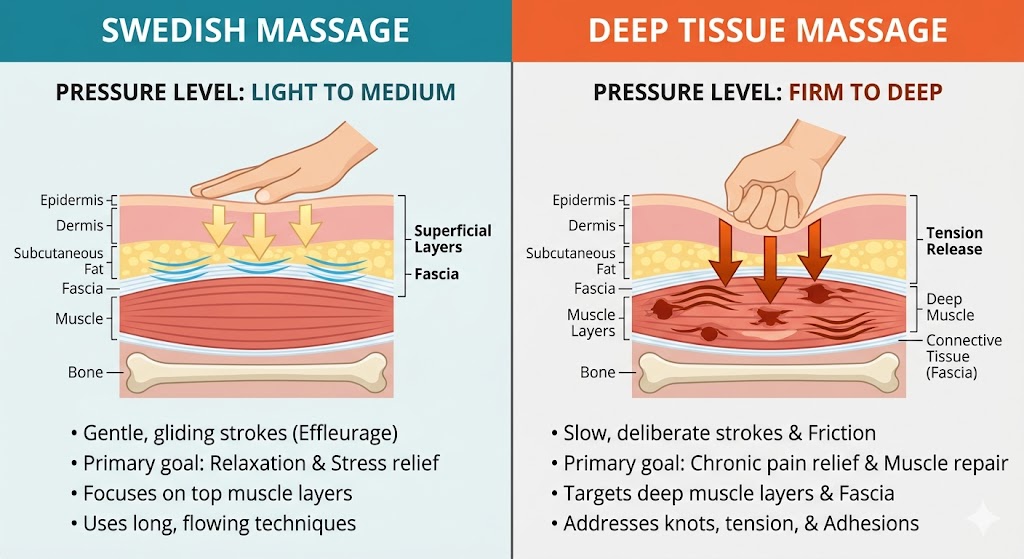
Deep tissue massage targets deeper muscle layers and connective tissue using firm pressure to relieve chronic tension and muscle stiffness. Unlike Swedish massage, this therapy focuses more on physical recovery than pure relaxation.
First, deep tissue massage uses slower strokes and sustained pressure to break up tight muscle adhesions. Therapists often work deeply into areas like the shoulders, lower back, hips, and legs.
For example, athletes frequently use deep tissue massage to improve mobility, reduce muscle tightness, and support post-workout recovery.
Why Is Deep Tissue Massage More Intense Than Swedish Massage?
Deep tissue massage feels more intense because therapists apply sustained pressure to deeper muscles and fascia layers.
Moreover, fascia is the connective tissue surrounding muscles. Tight fascia can restrict movement and create chronic pain patterns.
Deep tissue therapists often use:
- Elbows
- Forearms
- Knuckles
- Slow compression movements
- Trigger point therapy
This approach helps release stubborn knots and muscle restrictions.
massage therapy for chronic pain management
Deep Tissue Massage Benefits
Deep tissue massage benefits include pain relief, muscle recovery, improved mobility, and chronic tension reduction.
Research suggests massage therapy may help reduce lower back pain and improve recovery outcomes — Source: National Center for Complementary and Integrative Health, 2024.
Key benefits include:
- Reduced muscle tightness
- Improved athletic recovery
- Better posture
- Increased flexibility
- Lower chronic pain symptoms
- Improved range of motion
For example, gym-goers often combine massage therapy with a high-protein diet for muscle recovery for faster recovery support.
Recovery-Focused Applications
Deep tissue massage is commonly used for sports recovery, chronic pain management, and mobility improvement.
Popular use cases include:
- Runner recovery
- Weightlifting soreness
- Shoulder stiffness
- Sciatica discomfort
- Lower back pain
- Neck tension
In addition, many athletes combine massage with cold plunge recovery benefits to reduce soreness after training sessions.
What Is the Difference Between Swedish and Deep Tissue Massage?
The difference between Swedish and deep tissue massage mainly involves pressure intensity, treatment goals, and muscle depth targeting. Swedish massage prioritizes relaxation, while deep tissue massage focuses on therapeutic muscle recovery.
Swedish Massage vs Deep Tissue Massage Comparison Table
| Feature | Swedish Massage | Deep Tissue Massage |
|---|---|---|
| Pressure Level | Light to medium | Medium to firm |
| Main Goal | Relaxation | Pain relief and recovery |
| Pain Level | Comfortable | Can feel intense |
| Muscle Depth | Surface muscles | Deep muscle layers |
| Best For | Stress and anxiety | Chronic tension |
| Recovery Focus | Mild | Strong |
| Soreness After Session | Rare | Common |
| Session Feel | Calming | Therapeutic |
| Ideal Clients | Beginners | Athletes and chronic pain sufferers |
Which Massage Is Better for Relaxation and Stress Relief?
Swedish massage is generally better for relaxation and stress relief because it activates the parasympathetic nervous system.
First, gentle rhythmic movements lower stress hormones and encourage relaxation responses. Many people report improved sleep after treatment.
Massage therapy may reduce anxiety symptoms and improve sleep quality — Source: Sleep Foundation, 2024.
For example, individuals with stressful office jobs often combine massage with walking pad workout benefits at home to support overall wellness habits.
Which Massage Is Better for Muscle Recovery and Athletic Performance?
Deep tissue massage is better for muscle recovery and athletic performance because it targets tight muscles and connective tissue restrictions.
Athletes often experience micro-tears and stiffness after workouts. Deep tissue massage helps increase blood flow and reduce muscular tightness.
For example, runners and lifters commonly schedule recovery sessions after competitions or intense training weeks.
best recovery methods after workouts
Is Deep Tissue Massage Painful for Beginners?
Deep tissue massage can feel uncomfortable for beginners because the therapy applies firm pressure to tight muscles and fascia. However, the sensation should feel manageable rather than unbearable.
First, many therapists describe the feeling as “good pain.” This means the pressure feels intense but still helpful and controlled.
Good Pain vs Harmful Pain
Good pain feels therapeutic and controlled, while harmful pain feels sharp, overwhelming, or intolerable.
For example:
- Good pain = productive pressure on tight muscles
- Bad pain = sharp nerve pain or inability to relax
Moreover, communication matters during treatment. You should always tell the therapist if pressure becomes too intense.
How Long Does Muscle Soreness Last After Deep Tissue Massage?
Muscle soreness after deep tissue massage usually lasts between 24 and 72 hours.
This soreness happens because the therapist works deeply into tight muscle tissue. The body responds similarly to post-workout recovery.
Common recovery tips include:
- Drinking water
- Gentle stretching
- Walking
- Light movement
- Warm baths
simple stretches for flexibility improvement
When Should You Choose Swedish Massage Instead of Deep Tissue Massage?
You should choose Swedish massage when your primary goal is relaxation, stress relief, or gentle tension reduction.
First-time massage clients often start with Swedish massage because it provides a gentler and more comfortable experience.
Best Situations for Swedish Massage
Swedish massage works best for:
- Anxiety and stress
- Mild tension
- Sleep problems
- First-time spa visits
- Sensitive muscles
- General wellness care
For example, someone recovering from emotional burnout may benefit more from calming nervous-system support than aggressive muscle work.
Can Swedish Massage Help With Anxiety and Sleep?
Swedish massage may help improve anxiety and sleep quality by reducing stress hormone activity and promoting relaxation.
Research suggests massage therapy may positively affect serotonin and dopamine levels — Source: Cleveland Clinic, 2024.
In addition, pairing massage with can support long-term stress management routines.
When Should You Choose Deep Tissue Massage?
You should choose deep tissue massage when you experience chronic muscle tightness, recovery needs, or mobility limitations.
Deep tissue therapy is especially useful for active individuals and people with repetitive strain patterns.
Best Situations for Deep Tissue Massage
Deep tissue massage works best for:
- Athletes
- Weightlifters
- Chronic back pain
- Neck stiffness
- Recovery programs
- Mobility improvement
For example, people working desk jobs for years often develop tight shoulders and lower back tension that respond well to deeper pressure.
Which Massage Is Better for Chronic Back and Neck Pain?
Deep tissue massage is often better for chronic back and neck pain because it targets deeper muscle adhesions and tension patterns.
However, extremely sensitive individuals may still benefit from starting with Swedish massage before progressing to deeper techniques.
pilates exercises for posture and mobility
Are Swedish and Deep Tissue Massage Safe for Everyone?
Swedish and deep tissue massage are generally safe for most healthy adults when performed by licensed professionals.
However, some conditions require caution or medical approval.
People Who Should Consult a Doctor First
Massage therapy may not be suitable without approval for people with:
- Blood clotting disorders
- Severe osteoporosis
- Recent surgeries
- Skin infections
- Acute injuries
- Pregnancy complications
Moreover, licensed therapists should always review your medical history before treatment begins.
According to the CDC, chronic pain affects nearly 21% of adults in the United States — Source: CDC, 2024. This is one reason massage therapy continues growing in popularity.
What Should You Do Before and After a Massage Session?
Preparing properly before and after a massage helps improve results and reduce soreness.
First, hydration is one of the most important recovery habits. Muscles respond better when the body is properly hydrated.
Before Your Massage
Before a session:
- Drink water
- Avoid heavy meals
- Wear comfortable clothing
- Arrive early
- Communicate pain areas
After Your Massage
After treatment:
- Continue hydrating
- Avoid intense workouts immediately
- Stretch gently
- Rest if needed
- Monitor soreness levels
For example, combining massage with daily wellness habits for better recovery can improve long-term results.
Tools, Oils, and Accessories Used in Both Massage Types
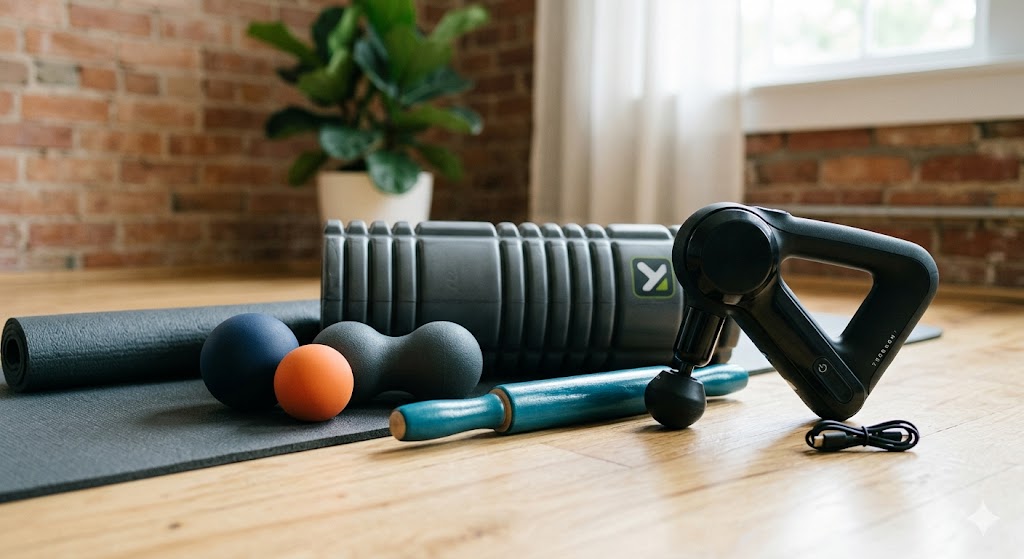
Massage tools and accessories help improve relaxation, recovery, and muscle support between professional sessions.
Common Massage Oils
Popular massage oils include:
- Coconut oil
- Almond oil
- Jojoba oil
- Lavender aromatherapy blends
These oils reduce friction and improve relaxation.
Recovery Tools for Home Use
Many people use home recovery tools between appointments:
- Foam rollers
- Massage guns
- Heating pads
- Hot stones
- Stretch bands
For example, massage guns are commonly used for post-workout muscle recovery and circulation improvement.
Free and Professional Recovery Options
You can support recovery using:
- Foam rolling
- Stretching routines
- Walking workouts
- Yoga mobility sessions
In addition, professional therapy sessions may provide deeper muscle relief than at-home tools alone.
benefits of lymphatic drainage massage
What Should You Do Next After Choosing a Massage Type?
The next step after choosing a massage type is matching your treatment schedule to your wellness goals.
First, stress-focused clients may benefit from monthly Swedish massage sessions. Athletes and chronic pain sufferers may require more frequent deep tissue sessions.
How Often Should You Get Swedish or Deep Tissue Massage?
General recommendations include:
| Goal | Suggested Frequency |
|---|---|
| Stress relief | Every 3–4 weeks |
| Athletic recovery | Weekly or biweekly |
| Chronic pain management | Every 1–2 weeks |
| General wellness | Monthly |
| Injury recovery | Therapist-guided schedule |
Moreover, combining massage with healthy habits creates better long-term outcomes.
Helpful lifestyle practices include:
- Sleep optimization
- Stretching routines
- Hydration
- Exercise consistency
- Stress management
how to choose the right wellness therapy
Conclusion
Neither Swedish massage nor deep tissue massage is universally “better” because each therapy serves different wellness goals. Swedish massage supports relaxation, stress relief, and nervous system recovery. Deep tissue massage supports muscle recovery, mobility improvement, and chronic tension management.
Ultimately, the best massage depends on your body, pain level, recovery needs, and stress levels. Many people even combine both therapies throughout the year depending on lifestyle demands.
By understanding the differences between Swedish and deep tissue massage, you can confidently choose the therapy that helps your body feel its best.
FAQ
What is the difference between Swedish and deep tissue massage?
Swedish massage focuses on relaxation and gentle pressure, while Deep tissue massage targets deeper muscle layers to relieve chronic tension and pain.
Which massage is better for relaxation?
Swedish massage is generally better for relaxation because it uses lighter pressure and soothing techniques.
Which massage is better for muscle pain?
Deep tissue massage is more effective for chronic muscle pain, tightness, and sports-related soreness.
Is deep tissue massage more painful than Swedish massage?
Yes, deep tissue massage can feel more intense because it applies firmer pressure to deeper muscles.
Who should choose Swedish massage?
People looking for stress relief, relaxation, and gentle muscle tension release often prefer Swedish massage.
Who should choose deep tissue massage?
People with chronic pain, muscle stiffness, or recovery needs from physical activity may benefit more from deep tissue massage.
Can Swedish massage help with stress and anxiety?
Yes, Swedish massage is commonly used to promote relaxation and reduce stress levels.
How long does a Swedish or deep tissue massage session last?
Most sessions typically last between 60 and 90 minutes.
Can athletes benefit from deep tissue massage?
Yes, athletes often use deep tissue massage to improve recovery and reduce muscle tightness.
Which massage is best for beginners?
Swedish massage is usually recommended for beginners because it is gentler and more relaxing.
Written by: Suraj — Wellness & SEO Content Writer with 5+ years of blogging experience specializing in fitness, recovery, and wellness education.
Reviewed by: Editorial Wellness Review Team — Experts in massage therapy research, fitness recovery, and evidence-based wellness content.
Disclaimer: This article was initially drafted using AI assistance. However, the content has undergone thorough revisions, editing, and fact-checking by human editors and subject matter experts to ensure accuracy.