
Summarize this blog post with: ChatGPT | Perplexity | Claude | Grok
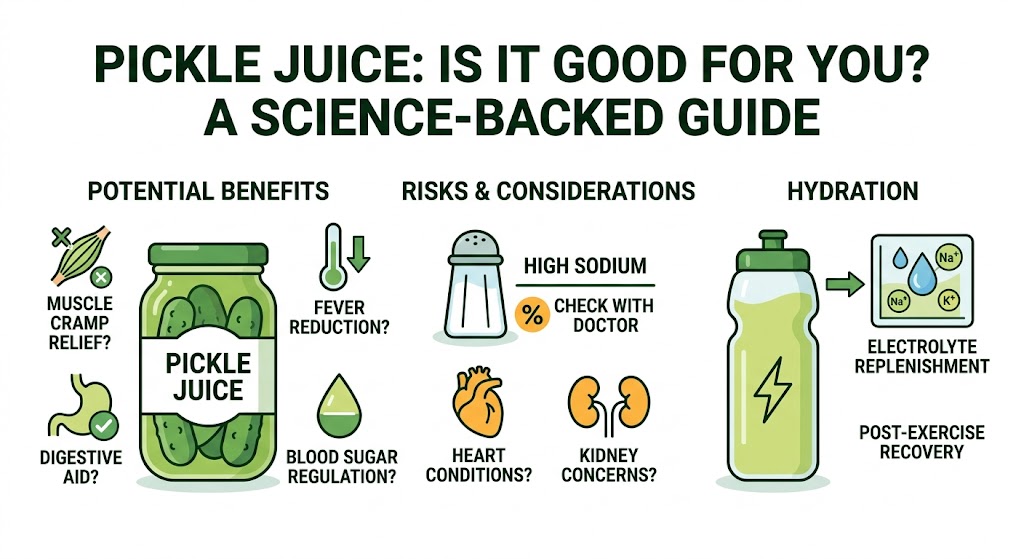
You’ve probably seen athletes drink pickle juice after workouts or heard people claim it instantly stops muscle cramps. But most people don’t know whether pickle juice is actually healthy or just another wellness trend. In this guide, you’ll learn the real science-backed benefits, risks, and best ways to use pickle juice safely.
Key Takeaways
- Pickle juice is a salty vinegar-based liquid that may help with hydration and muscle cramps.
- Electrolytes in pickle juice, especially sodium and potassium, can support fluid balance after heavy sweating.
- Fermented pickle juice may contain probiotics that support digestive health and gut bacteria.
- Excess sodium in pickle juice can be harmful for people with high blood pressure or kidney problems.
- Small servings of pickle juice are generally safer and more beneficial than large amounts.
- Athletic recovery benefits from pickle juice are most useful during intense exercise or dehydration.
- Low-sodium and naturally fermented options are usually healthier than heavily processed sweet pickle juice.
What Is Pickle Juice and What Is It Made Of?
Pickle juice is a salty vinegar-based liquid that contains electrolytes such as sodium and potassium. The liquid usually comes from jars of pickled cucumbers and contains water, vinegar, salt, herbs, spices, and sometimes sugar.
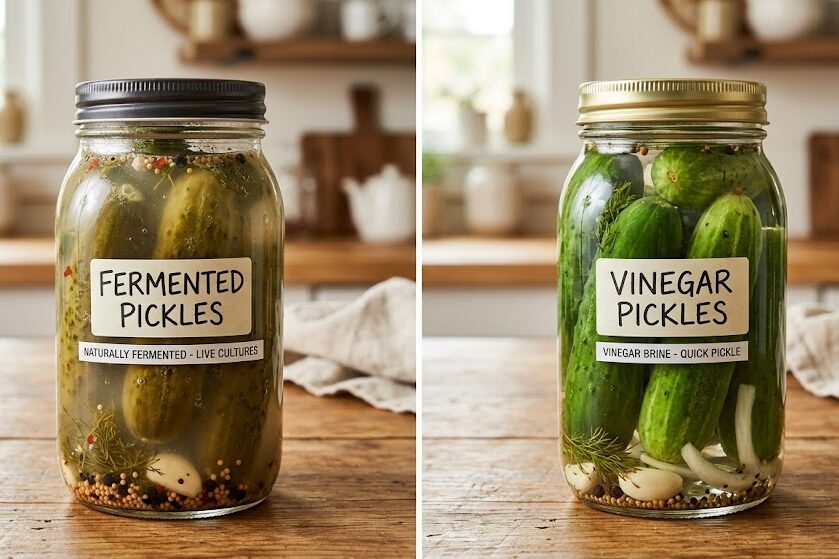
First, it helps to understand that not all pickle juice is the same. Some pickle juice comes from naturally fermented pickles, while other varieties come from vinegar-based commercial pickles. This difference matters because fermented pickle juice may contain beneficial bacteria called probiotics.
For example, traditional fermented dill pickles are made using saltwater brine and natural fermentation. Meanwhile, many grocery store pickles use distilled vinegar and preservatives instead of fermentation.
Common Ingredients in Pickle Juice
Most pickle juice varieties contain:
- Water
- Vinegar
- Salt
- Dill
- Garlic
- Mustard seeds
- Peppercorns
- Sugar (in sweet pickle juice)
Moreover, vinegar-based pickle juice often contains fewer probiotics than fermented versions. For more details, read our guide on apple cider vinegar health benefits.
Fermented Pickle Juice vs Vinegar-Based Pickle Juice
| Type | Main Ingredient | Contains Probiotics? | Taste | Health Focus |
|---|---|---|---|---|
| Fermented pickle juice | Saltwater brine | Usually yes | Tangy and sour | Gut health support |
| Vinegar-based pickle juice | Distilled vinegar | Usually no | Sharp and acidic | Hydration and flavor |
According to the International Food Information Council, fermented foods have grown significantly in popularity among wellness-focused consumers — Source: IFIC, 2024.
Why Does Pickle Juice Matter for Health and Hydration?
Pickle juice matters for health because it contains sodium and electrolytes that help regulate fluid balance in the body. Athletes, gym-goers, and endurance runners often use pickle juice to support hydration after heavy sweating.
First, sodium plays a major role in maintaining hydration levels. When you sweat heavily, your body loses sodium along with fluids. Replacing these electrolytes can help reduce dehydration symptoms.
For example, marathon runners and football players sometimes drink small amounts of pickle juice after long training sessions. This practice has become popular in sports communities because the salty liquid may help replenish electrolytes quickly.
According to the American College of Sports Medicine, sodium replacement becomes increasingly important during prolonged exercise lasting over 60 minutes — Source: ACSM, 2023.
Why Do Athletes Drink Pickle Juice After Workouts?
Athletes drink pickle juice after workouts because its sodium content may help replace electrolytes lost through sweat. Some athletes also believe it helps reduce muscle cramps faster than water alone.
Moreover, pickle juice became especially popular in football and endurance sports. During intense exercise, athletes can lose large amounts of sodium through sweat.
For example, some NFL players reportedly drink small pickle juice shots during hot-weather games to manage cramping concerns.
By combining fluids and electrolytes, pickle juice can complement other electrolyte-rich foods for hydration.
Is Pickle Juice Good for Muscle Cramps?
Drinking pickle juice may help reduce muscle cramps by triggering a reflex that relaxes overactive muscles. Researchers believe the sour taste activates nerve receptors in the mouth and throat.
First, scientists once thought pickle juice worked mainly because of sodium replacement. However, newer research suggests the effect may happen too quickly for electrolyte absorption alone.
For example, a frequently cited study found pickle juice relieved electrically induced muscle cramps faster than plain water — Source: Medicine & Science in Sports & Exercise, 2010.
What Research Says About Pickle Juice for Cramps
Research on pickle juice remains mixed but promising. Some studies suggest it may shorten cramp duration, especially during exercise-induced cramps.
Moreover, the acidic taste of vinegar may trigger a neurological reflex that interrupts cramping signals. This reaction could explain why cramps sometimes improve within minutes.
“Drinking pickle juice may help reduce muscle cramps by triggering a reflex that relaxes overactive muscles.”
How Quickly Can Pickle Juice Work?
Pickle juice may help cramps within 30 seconds to 2 minutes in some cases. This rapid effect suggests the mechanism is neurological rather than hydration-based.
For example, electrolyte absorption typically takes longer than one minute. That timing supports the theory that taste receptors may influence muscle signaling.
At the same time, pickle juice does not prevent all cramps. Poor conditioning, dehydration, or mineral deficiencies can still contribute to muscle spasms.
For more strategies, read our guide on foods that help muscle cramps naturally.
Can Pickle Juice Help With Hydration and Electrolytes?
Pickle juice can support hydration because it provides sodium and small amounts of potassium. Hydration support from pickle juice comes primarily from its electrolyte content rather than the pickles themselves.
First, sodium helps your body retain water. During heavy sweating or dehydration, replacing sodium can improve fluid balance more effectively than plain water alone.
For example, endurance athletes often use electrolyte beverages during long events. Pickle juice works similarly because it delivers concentrated sodium quickly.
According to the Centers for Disease Control and Prevention, electrolyte imbalance can contribute to fatigue, cramps, headaches, and weakness — Source: CDC, 2024.
Pickle Juice Nutrition Facts
Typical pickle juice nutrition per 1-ounce serving includes:
- Calories: 0–5
- Sodium: 300–900 mg
- Potassium: Small amounts
- Sugar: Usually low unless sweetened
“Hydration support from pickle juice comes primarily from its electrolyte content rather than the pickles themselves.”
When Pickle Juice Helps Hydration Most
Pickle juice works best after:
- Intense exercise
- Long-distance running
- Heavy sweating
- Hot-weather activity
- Mild dehydration
However, pickle juice is not a complete replacement for balanced hydration. Water remains essential.
For more guidance, explore signs of electrolyte imbalance.
What Are the Health Benefits of Drinking Pickle Juice?
Pickle juice may provide benefits related to muscle recovery, hydration, digestion, and blood sugar regulation. The specific benefits depend on the ingredients and serving size.
Electrolyte Replenishment After Sweating
First, pickle juice provides concentrated sodium that can help replenish electrolytes. This benefit is most relevant after prolonged sweating.
For example, cyclists and runners sometimes use pickle juice during endurance events instead of sugary sports drinks.
Digestive and Probiotic Benefits
Fermented pickle juice contains probiotics that may support digestive and gut health. These beneficial bacteria can help maintain gut microbiome balance.
For example, naturally fermented dill pickle brine may contain Lactobacillus bacteria similar to other fermented foods.
Research shows fermented foods may support microbial diversity in the gut — Source: Stanford Medicine, 2021.
For additional options, read our guide on probiotic foods for gut health.
Possible Blood Sugar Regulation Effects
Some evidence suggests vinegar may help slow glucose spikes after meals. Since many pickle juices contain vinegar, researchers continue exploring this potential benefit.
For example, small studies on vinegar consumption have shown improved insulin sensitivity in certain populations — Source: Diabetes Care, 2023.
“Small servings of pickle juice are generally considered safer and more effective than consuming large quantities.”
Low-Calorie Flavor Alternative
Pickle juice is naturally low in calories. Some people use it as a flavor enhancer instead of calorie-heavy sauces or dressings.
For example, adding pickle brine to salad dressing can increase flavor without adding much fat or sugar.
What Are the Risks and Side Effects of Pickle Juice?
Pickle juice can increase sodium intake significantly and may cause digestive discomfort in some people. Moderation matters because excessive sodium intake can negatively affect health.
High Sodium Concerns
First, pickle juice often contains very high sodium levels. One small serving may contain hundreds of milligrams of sodium.
According to the American Heart Association, most adults should aim for less than 2,300 mg of sodium daily — Source: AHA, 2024.
For example, drinking large amounts of pickle juice regularly could push sodium intake beyond healthy limits.
“Excessive pickle juice consumption can increase sodium intake and may not be suitable for people with high blood pressure.”
For prevention tips, see healthy low-sodium diet tips.
Stomach Irritation and Acid Reflux
Pickle juice is acidic because of vinegar. This acidity may irritate sensitive stomachs.
For example, people with acid reflux or ulcers may experience heartburn after drinking large amounts.
Risks for Kidney Disease Patients
People with kidney disease should avoid excessive pickle juice intake because high sodium can strain kidney function.
Moreover, individuals with hypertension should consult a healthcare professional before regularly consuming pickle juice.
For more awareness, explore foods high in sodium to avoid.
Is Fermented Pickle Juice Healthier Than Regular Pickle Juice?
Fermented pickle juice is generally considered healthier because it may contain probiotics and fewer artificial additives. However, both types can still be high in sodium.
First, fermentation creates beneficial bacteria naturally. These probiotics may support digestion and gut health.
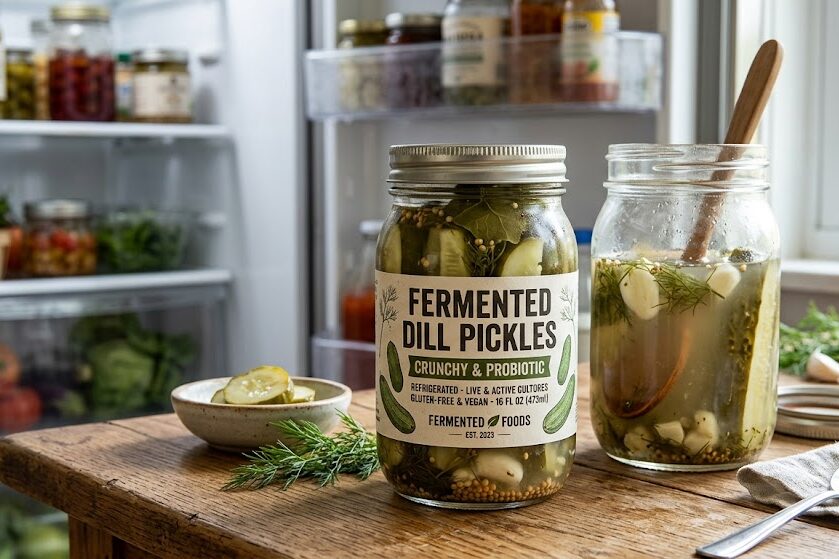
For example, refrigerated fermented pickles labeled “naturally fermented” are more likely to contain live cultures than shelf-stable vinegar pickles.
Dill Pickle Juice vs Sweet Pickle Juice
| Type | Sugar Content | Sodium Level | Best Use |
|---|---|---|---|
| Dill pickle juice | Low | High | Hydration and cramps |
| Sweet pickle juice | Higher | Moderate to high | Flavoring and recipes |
At the same time, sweet pickle juice often contains added sugars that reduce its overall health value.
For more fermented options, read our guide on gut-friendly fermented foods.
How Much Pickle Juice Should You Drink Per Day?
Most people should limit pickle juice intake to small servings of about 1–3 ounces at a time. Small amounts are generally safer and easier to tolerate.
First, athletes sometimes use 1-ounce pickle juice shots during workouts. Larger amounts can increase sodium overload risk.
For example, drinking an entire jar regularly may provide excessive sodium for many adults.
Best Time to Drink Pickle Juice
Pickle juice is most commonly used:
- After workouts
- During endurance exercise
- During hot weather
- Occasionally with meals
Who Should Avoid Excessive Intake?
People who should be cautious include:
- Individuals with high blood pressure
- Kidney disease patients
- People sensitive to sodium
- Those with acid reflux
- Individuals on sodium-restricted diets
Can Pickle Juice Help With Digestion and Gut Health?
Fermented pickle juice may support gut health because it contains probiotics created during fermentation. These live bacteria may help digestive balance.
First, probiotics can support microbial diversity in the digestive system. Better gut balance may contribute to digestion and immune health.
For example, fermented foods like kimchi, kefir, and sauerkraut also provide probiotics.
Research suggests fermented foods may improve microbiome diversity over time — Source: Cell, 2021.
For more ideas, explore gut-friendly fermented foods.
Does Pickle Juice Help Lower Blood Sugar Levels?
Pickle juice may modestly influence blood sugar because vinegar has been linked to improved insulin sensitivity in some studies. However, pickle juice should not replace medical treatment.
First, vinegar may slow stomach emptying and reduce rapid glucose spikes after meals.
For example, some small clinical studies found vinegar consumption slightly improved post-meal blood sugar responses.
At the same time, evidence remains limited. Sweet pickle juice with added sugar may reduce potential benefits.
What Is the Best Time to Drink Pickle Juice?
The best time to drink pickle juice is after intense sweating or exercise when electrolyte replacement is needed most.
First, athletes often use pickle juice after long workouts. Small servings may support recovery without excessive calories.
For example, consuming 1–2 ounces after heavy sweating may help replace sodium more effectively than plain water alone.
Moreover, pickle juice can also work as a cooking ingredient instead of a standalone beverage.
Practical Uses and Recipes for Pickle Juice
Pickle juice can be used in drinks, marinades, dressings, and post-workout recovery recipes. Small amounts add flavor and electrolytes without many calories.
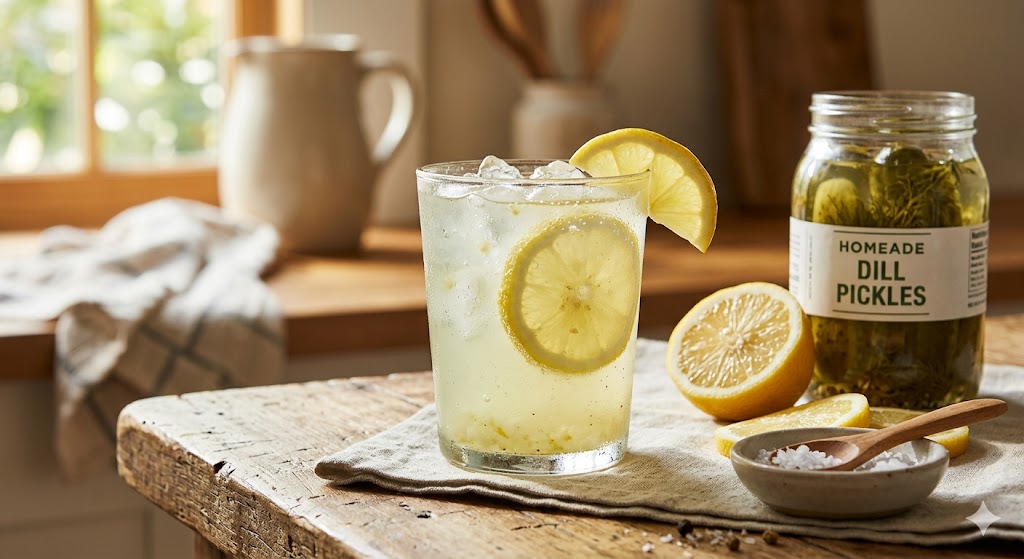
Post-Workout Recovery Shot
Ingredients:
- 1 ounce dill pickle juice
- Cold water
- Lemon squeeze
This mixture can work as a simple recovery drink after exercise.
Salad Dressing Recipe
Combine:
- Pickle juice
- Olive oil
- Garlic
- Black pepper
This dressing adds tangy flavor with minimal calories.
Electrolyte Drink Mix
Mix together:
- Coconut water
- Small splash of pickle juice
- Lemon juice
For recovery comparisons, see best recovery drinks after exercise.
Homemade Fermented Pickles
Making fermented pickles at home allows better control over sodium and ingredients.
For example, you can reduce preservatives and avoid excess sugar.
For instructions, read healthy homemade pickle recipe.
What Should You Do Next?
Testing pickle juice safely starts with small servings and monitoring how your body responds. Most people tolerate small amounts well, but moderation remains important.
First, choose naturally fermented or low-sodium varieties when possible. These options may provide better nutritional value.
Second, avoid using pickle juice as your primary hydration source. Water, balanced meals, and proper nutrition remain essential.
Third, consult a healthcare provider if you have hypertension, kidney disease, or chronic digestive issues.
By building healthy hydration habits, you can use pickle juice more effectively and safely.
Conclusion
Pickle juice can offer hydration, electrolyte, and muscle cramp benefits when used in moderation. The biggest advantages come from its sodium content and, in fermented varieties, potential probiotic support.
At the same time, pickle juice is not a miracle health drink. Excess sodium and acidity can create risks for some people, especially those with blood pressure or kidney concerns.
Ultimately, small servings of pickle juice may fit into a healthy lifestyle when used strategically after heavy sweating or intense exercise. By choosing high-quality fermented varieties and practicing moderation, you can enjoy the benefits without unnecessary risks.
FAQ
What is pickle juice?
Pickle juice is the salty, tangy liquid used to preserve pickles, typically made from water, vinegar, salt, and spices.
Is pickle juice good for you?
Yes, pickle juice may provide hydration support, electrolytes, and muscle cramp relief when consumed in moderation.
Can pickle juice help with muscle cramps?
Some studies suggest pickle juice may help reduce muscle cramps quickly due to its sodium and vinegar content.
Does pickle juice hydrate the body?
Yes, its electrolytes like sodium and potassium can help replenish fluids after sweating or exercise.
Is pickle juice good after workouts?
Yes, many athletes drink pickle juice post-workout to restore electrolytes and reduce cramping.
Can pickle juice help with weight loss?
It may support weight management because it is low in calories, but it is not a magic weight-loss solution.
Does pickle juice contain electrolytes?
Yes, pickle juice contains electrolytes such as sodium and small amounts of potassium.
Are there risks to drinking pickle juice?
Yes, excessive consumption may increase sodium intake and could be problematic for people with high blood pressure or kidney issues.
Can you drink pickle juice every day?
Yes, in small amounts, but moderation is important due to its high sodium content.
Does pickle juice help with digestion?
Some people find that the vinegar and probiotics in certain pickle juices may support digestion and gut health.
Written by Suraj — Health and wellness blogger with 5+ years of experience covering nutrition, fitness, hydration, and evidence-based lifestyle topics.
Reviewed by Editorial Nutrition Review Team — Specialists in wellness research, sports nutrition, and health content fact-checking.
Disclaimer: This article was initially drafted using AI assistance. However, the content has undergone thorough revisions, editing, and fact-checking by human editors and subject matter experts to ensure accuracy.