
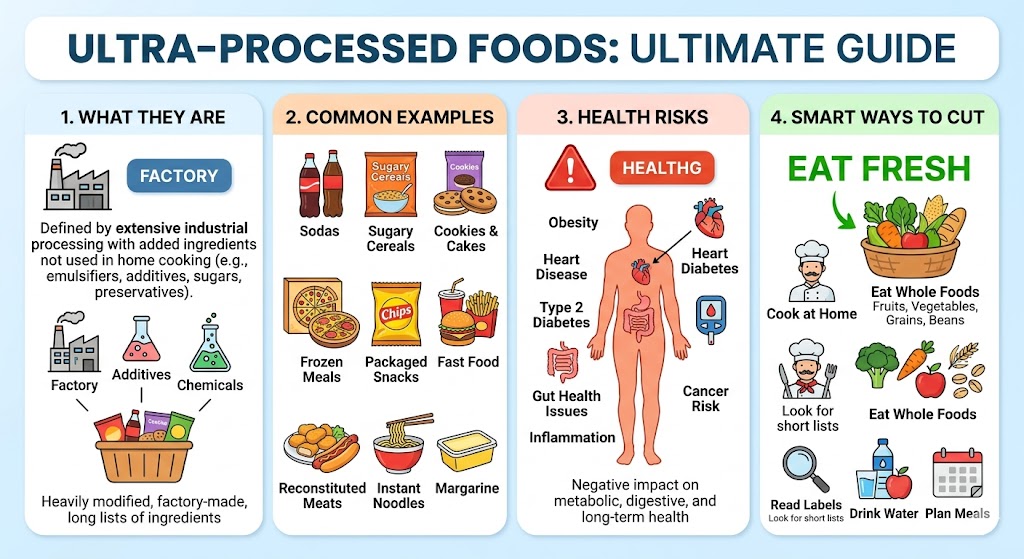
You probably already know that chips, soda, and fast food are not the healthiest choices. But many ultraprocessed foods hide inside products marketed as convenient, high-protein, or even “healthy.” In this guide, you’ll learn what ultraprocessed foods really are, how they affect your body, and how to reduce them without making life harder.
Key Takeaways
- Ultraprocessed foods are industrial formulations made mostly from refined ingredients, additives, and extracted substances rather than whole foods.
- Common examples include soda, packaged snacks, sugary cereals, instant noodles, processed meats, and many ready meals.
- Frequent intake is linked with overeating, weight gain, poor diet quality, and higher chronic disease risk.
- Ingredient labels with emulsifiers, flavor enhancers, preservatives, and unfamiliar compounds often signal ultra-processed products.
- Progress matters more than perfection. Replacing one or two daily items can improve diet quality over time.
- Minimally processed staples like oats, eggs, yogurt, beans, fruit, nuts, and vegetables can create quick meals.
- Long-term success comes from simple habits, smart swaps, and label awareness—not fear or strict food rules.
What Are Ultraprocessed Foods and How Are They Defined?
Ultraprocessed foods are industrial formulations made primarily from refined ingredients, additives, and substances extracted from foods with little intact whole food remaining. These products are designed for convenience, long shelf life, and strong flavor appeal.
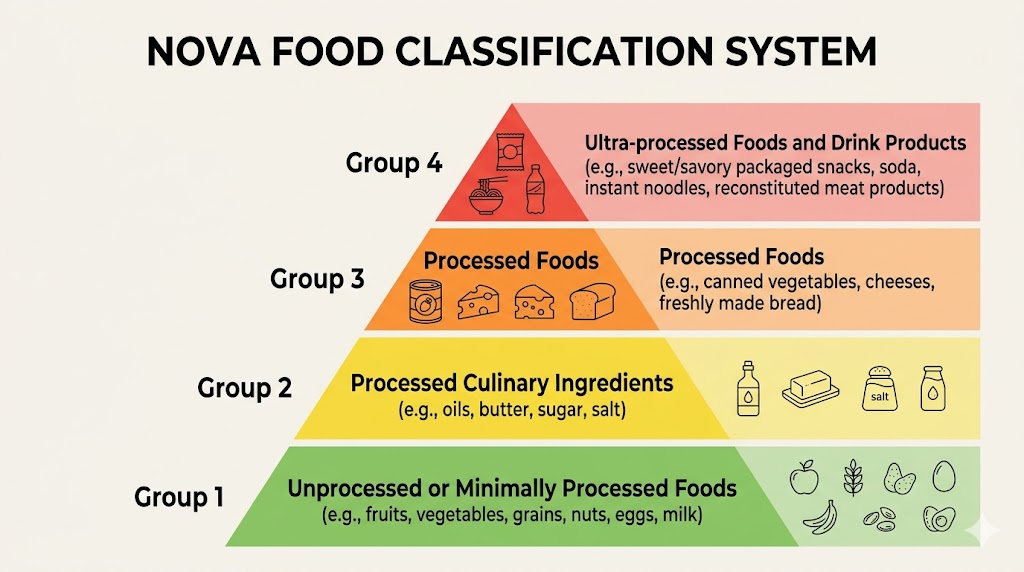
First, the most common framework used to explain this topic is the NOVA food classification. NOVA groups foods by the degree and purpose of processing rather than calories alone.
| NOVA Group | Meaning | Examples |
|---|---|---|
| Group 1 | Minimally processed foods | Fruit, oats, eggs, milk, beans |
| Group 2 | Processed culinary ingredients | Oil, butter, sugar, salt |
| Group 3 | Processed foods | Cheese, canned vegetables, fresh bread |
| Group 4 | Ultraprocessed foods | Soda, chips, instant noodles, packaged desserts |
For example, an apple is minimally processed. Applesauce with sugar may be processed. Apple-flavored snack bars with syrups, isolates, colors, and preservatives may be ultraprocessed.
Moreover, the NOVA system places ultraprocessed foods in the highest processing category because they rely heavily on industrial methods and engineered ingredients.
Why Do Ultraprocessed Foods Matter?
Ultraprocessed foods matter because they now make up a large share of calories in many modern diets and may displace more nutritious foods. The issue is not one snack alone. The bigger concern is what happens when these foods become the default.
Second, convenience culture has changed how people eat. Busy schedules, delivery apps, vending machines, and grab-and-go meals make packaged options easy to choose. For example, many workers eat breakfast bars, flavored drinks, and ready meals daily because they save time.
Moreover, several large studies have linked higher ultraprocessed food intake with poorer health outcomes. In some countries, ultraprocessed foods provide over half of daily calories for many adults — Source: BMJ, 2019. That pattern matters because daily habits drive long-term health.
In addition, rising rates of obesity and type 2 diabetes have increased interest in food quality, not just calories. This is why many people now search for smarter convenience foods instead of extreme diets.
What Is the Difference Between Processed and Ultraprocessed Foods?
Processed foods are altered from their original state, while ultraprocessed foods are heavily reformulated using industrial ingredients and additives. Processing itself is not automatically harmful.
First, some processing improves safety and practicality. Frozen vegetables, pasteurized milk, canned beans, and plain yogurt are processed foods that can support health.
For example, frozen peas are processed because they are cleaned and frozen. But they still remain close to the original food. That is very different from cheese-flavored puffs made from refined starches, oils, flavor powders, and colorings.
Are All Processed Foods Bad for Health?
Not all processed foods are bad for health because many useful foods undergo simple processing without losing their core nutrition. Blanket rules often confuse shoppers.
Examples of helpful processed foods include:
- Frozen fruit without added sugar
- Canned beans with low sodium
- Plain yogurt
- Whole grain bread with simple ingredients
- Peanut butter made from peanuts and salt
That being said, context matters. A minimally processed food can fit into a balanced diet more easily than a highly engineered snack designed for overconsumption.
What Are Common Examples of Ultraprocessed Foods?
Common examples of ultraprocessed foods include products made for convenience, intense flavor, and long shelf life. Many are sold ready-to-eat or ready-to-heat.
Everyday Ultraprocessed Foods List
- Sugary breakfast cereals
- Soda and energy drinks
- Packaged cookies and cakes
- Instant noodles
- Chicken nuggets
- Processed meats like hot dogs and some sausages
- Flavored chips and crackers
- Frozen ready meals
- Sweetened flavored yogurts
- Candy and chocolate bars
- Fast food combos
- Meal replacement shakes with long additive lists
For example, two yogurts can look similar on the shelf. One may contain milk and live cultures. Another may include syrups, starches, flavors, stabilizers, and colorings.
Hidden Ultraprocessed Foods
Some ultraprocessed foods are marketed as healthy, fitness-friendly, or natural. Packaging can create a “health halo.”
Examples include:
- Protein bars with syrups and isolates
- Granola with added sugars
- Low-fat desserts with gums and sweeteners
- Flavored oat packets
- Fruit drinks with little real fruit
Why Are Ultraprocessed Foods Considered Unhealthy?
Ultraprocessed foods are considered unhealthy because frequent intake is associated with poorer diet quality and higher risk of obesity, cardiovascular disease, and metabolic problems. Risk depends on the overall diet pattern, frequency, and portion size.
First, many ultraprocessed foods combine refined carbs, added fats, and sodium in highly palatable ways. This combination can make it easy to eat quickly and overeat.
For example, a bag of chips often disappears faster than boiled potatoes because crunch, salt, and texture are engineered for repeat bites.
Moreover, these products may crowd out nutrient-dense foods. If breakfast becomes pastry and soda, lunch becomes noodles, and dinner becomes takeout, intake of fiber, protein, and micronutrients may fall.
A large French cohort study found higher ultraprocessed food intake was associated with increased cardiovascular disease risk — Source: BMJ, 2019.
How Do Ultraprocessed Foods Affect Weight Gain and Hunger?
Ultraprocessed foods may affect weight gain and hunger by encouraging faster eating, lower satiety, and higher calorie intake. Texture, energy density, and reward signals all matter.
First, some ultraprocessed foods require less chewing and are easier to consume quickly. Faster eating can reduce the body’s time to register fullness.
For example, drinking 400 calories from a sweet beverage often feels less filling than eating a meal with similar calories.
Moreover, a controlled trial found participants eating an ultraprocessed diet consumed more calories and gained weight compared with a minimally processed diet — Source: Cell Metabolism, 2019.
Blood Sugar and Energy Crashes
Highly refined foods can spike blood sugar faster than fiber-rich whole foods. Rapid rises and falls may increase cravings in some people.
For example, sugary cereal may leave you hungry sooner than oats with nuts and fruit.
how to lose weight sustainably
How Can You Identify Ultraprocessed Foods on Ingredient Labels?
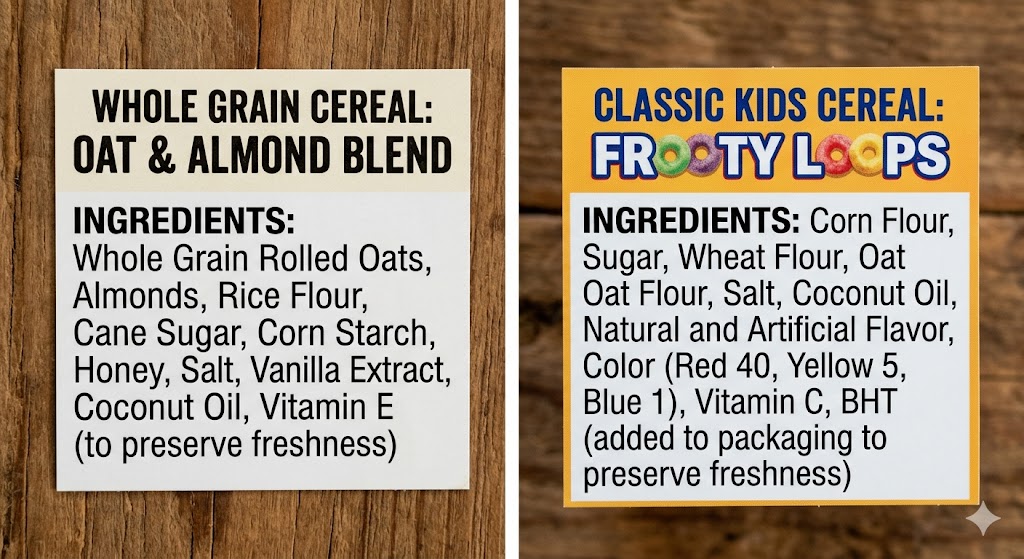
You can identify ultraprocessed foods by checking for long ingredient lists, additives, and substances rarely used in home cooking. Front packaging alone is not enough.
First, look beyond claims like high protein, low fat, or multigrain. Marketing language can distract from the full ingredient list.
Ingredients That Often Signal Ultra-Processing
- Emulsifiers
- Artificial flavors
- Preservatives
- Colorings
- Sweeteners
- Maltodextrin
- Modified starches
- Protein isolates
- Hydrogenated oils
For example, compare two breads. One contains flour, water, yeast, and salt. Another contains emulsifiers, conditioners, syrups, and multiple preservatives. The second is usually more processed.
Quick Label Rule
If the ingredient list reads like a chemistry set and the product is easy to overconsume, it may be ultraprocessed.
healthy grocery shopping guide
how to read nutrition labels
What Foods Should You Eat Instead of Ultraprocessed Foods?
Foods to eat instead of ultraprocessed foods include minimally processed staples that are filling, practical, and easy to combine. You do not need gourmet cooking.
Smart Food Swaps
| Instead of | Try This |
|---|---|
| Sugary cereal | Oats + fruit + nuts |
| Soda | Sparkling water + lemon |
| Chips | Roasted chickpeas or nuts |
| Instant noodles | Rice + eggs + vegetables |
| Dessert bar | Greek yogurt + berries |
| Processed sandwich meat | Chicken, eggs, paneer, beans |
For example, swapping one daily soda for water can reduce added sugar intake immediately.
Best Minimally Processed Foods
- Oats
- Eggs
- Plain yogurt
- Beans and lentils
- Fruit
- Vegetables
- Rice
- Potatoes
- Nuts and seeds
- Milk
best high protein breakfast ideas
meal prep for beginners
How Can Busy People Reduce Ultraprocessed Foods Realistically?
Busy people can reduce ultraprocessed foods by upgrading convenience rather than trying to cook everything from scratch. Realistic systems beat perfect intentions.
Beginner Grocery Checklist
- Eggs
- Oats
- Bananas
- Frozen vegetables
- Yogurt
- Beans
- Rice
- Nuts
- Chicken or tofu
- Fruit
1-Day Simple Meal Plan
Breakfast: Oats with yogurt and banana
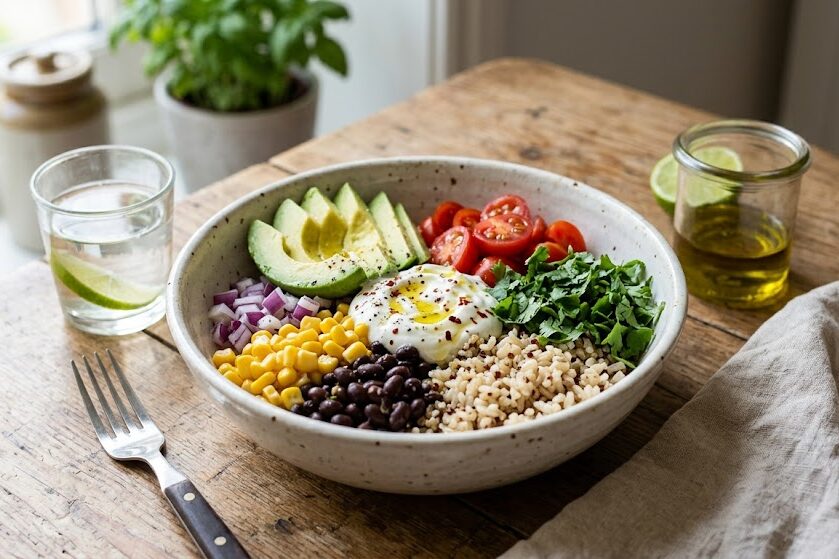
Lunch: Rice bowl with beans and vegetables
Snack: Fruit and nuts
Dinner: Eggs or chicken with potatoes and salad
For example, each meal uses basic foods that cook quickly or store well.
Screenshot & Image Suggestions
Can You Eat Ultraprocessed Foods Occasionally and Still Be Healthy?
Yes, you can eat ultraprocessed foods occasionally and still be healthy when your overall diet is balanced and habits are consistent. One meal does not define your health.
First, food stress can become counterproductive. Rigid all-or-nothing thinking often leads to guilt and rebound overeating.
For example, enjoying pizza at a party while eating mostly balanced meals during the week is different from relying on fast food every day.
Moreover, sustainability matters more than perfection. The best eating pattern is the one you can maintain.
What’s Next: 7-Day Challenge to Reduce Ultraprocessed Foods
A gradual reduction plan works better than extreme restriction because small wins compound into lasting habits.
7-Day Challenge
- Replace one sugary drink with water.
- Eat one fruit-based snack.
- Read labels on three products.
- Cook one simple dinner at home.
- Add beans or eggs to lunch.
- Swap dessert for yogurt and fruit.
- Plan next week’s breakfasts.
For example, even one completed step can build momentum.
7 day healthy eating challenge
Conclusion
Ultraprocessed foods are common, convenient, and worth understanding—not fearing. The goal is not to eliminate every packaged product. The goal is to make more meals from simple foods, read labels with confidence, and improve your routine one swap at a time. Start small, stay consistent, and let progress do the heavy lifting.
Written by Suraj | 5+ years blogging experience in SEO content, consumer health topics, and digital publishing.
Reviewed by Editorial Nutrition Review Team | Evidence-based nutrition research, public health communication, and content quality assurance.
Disclaimer: This article was initially drafted using AI assistance. However, the content has undergone thorough revisions, editing, and fact-checking by human editors and subject matter experts to ensure accuracy.