
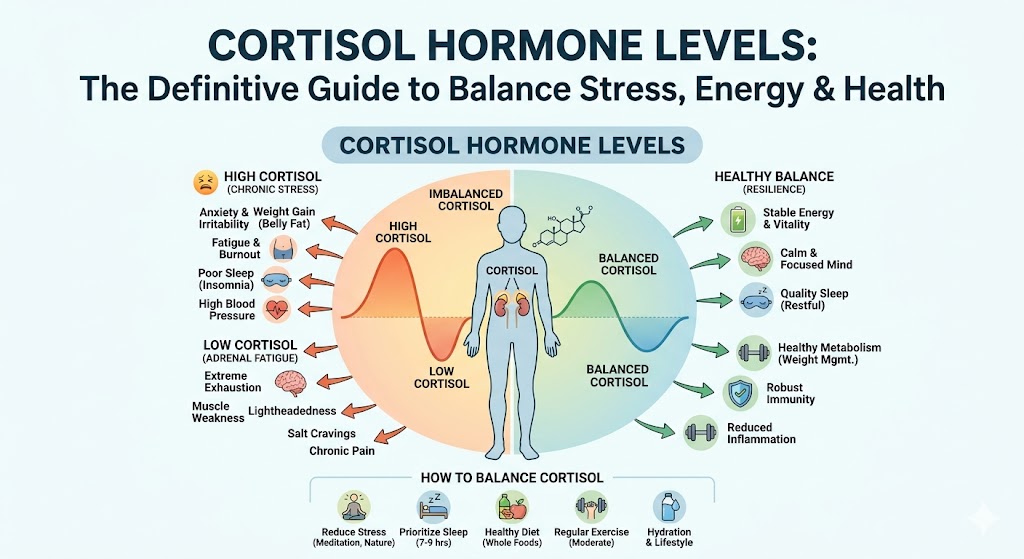
You already know cortisol is called the stress hormone, and you may even blame it for fatigue, belly fat, or sleepless nights. What many people miss is that cortisol is essential—and timing, symptoms, and root causes matter more than the label. In this guide, you’ll learn what cortisol hormone levels mean, how testing works, what symptoms to watch for, and how to support healthy balance.
Key Takeaways
- Cortisol is a hormone produced by the adrenal glands that helps regulate stress response, energy, metabolism, and inflammation.
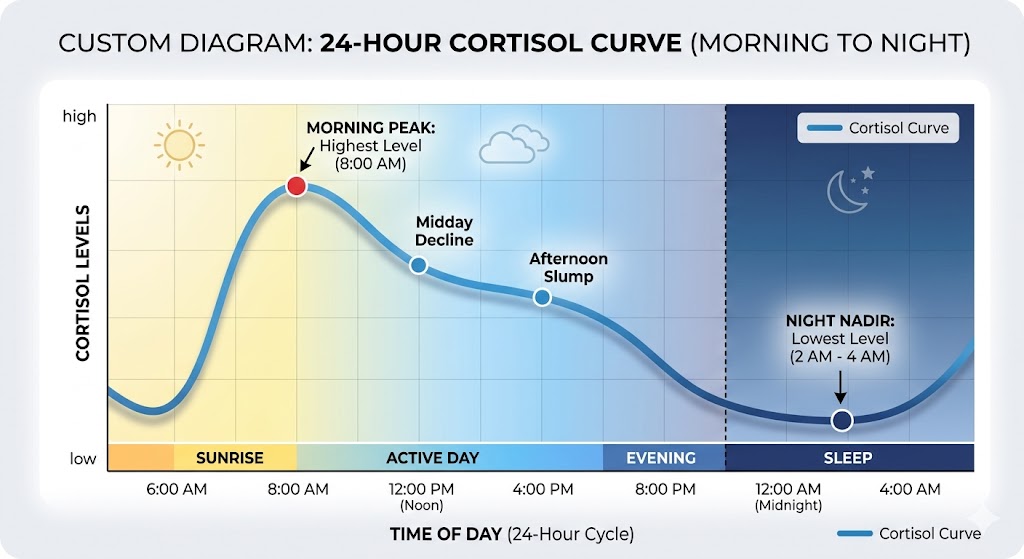
- Cortisol hormone levels naturally rise and fall during the day, usually highest in the morning and lower at night.
- High cortisol levels may contribute to poor sleep, anxiety, weight gain, and elevated blood pressure.
- Low cortisol levels may cause fatigue, dizziness, weakness, and poor stress tolerance.
- Testing methods include blood, saliva, and urine, and results depend heavily on timing and context.
- Healthy habits such as better sleep, stress reduction, balanced exercise, and nutrition can support cortisol balance.
- Persistent symptoms or abnormal results should be reviewed by a qualified healthcare professional.
What Is Cortisol and What Do Cortisol Hormone Levels Mean?
Cortisol is a hormone made by the adrenal glands, and cortisol hormone levels refer to the amount of cortisol circulating in your body at a given time. Your adrenal glands sit above your kidneys and release cortisol based on signals from the brain.
First, cortisol is not “bad.” It helps you wake up, respond to pressure, maintain blood sugar, and control inflammation. For example, your body naturally increases cortisol in the morning to help you feel alert.
Second, cortisol levels are not fixed. They change throughout the day, during illness, after exercise, and during emotional stress. This is why a test result must always be interpreted with the time of day and symptoms in mind.
Cortisol is a hormone produced by the adrenal glands that helps regulate stress response, metabolism, blood sugar, and inflammation.
Why Are Cortisol Hormone Levels Important for Health?
Cortisol hormone levels matter because cortisol affects multiple systems that keep you functioning every day. It influences energy, sleep, metabolism, mood, immune balance, and blood pressure.
Moreover, cortisol helps control your fight-or-flight response. When you face a challenge, cortisol mobilizes fuel and increases alertness. For example, it may rise before a presentation or during a difficult workout.
In addition, cortisol supports stable blood sugar between meals. That matters because unstable blood sugar can lead to cravings, mood swings, and fatigue.
Plus, cortisol helps regulate inflammation. Short-term increases can be protective, but long-term imbalance may create problems. Chronic stress is linked with worse health outcomes worldwide — Source: World Health Organization, 2023.
Balanced cortisol supports resilience. Chronically disrupted cortisol can affect sleep, mood, appetite, and recovery.
What Are Normal Cortisol Levels in the Morning and at Night?
Normal cortisol levels usually follow a circadian rhythm, with higher levels in the morning and lower levels at night. This natural pattern helps align energy with daylight and rest with darkness.
Morning Cortisol Levels
First, cortisol is often highest within the first hour after waking. This is sometimes called the cortisol awakening response. It helps increase alertness and readiness for the day.
For example, if you wake at 7 a.m., cortisol may peak soon after and then gradually decline.
Night Cortisol Levels
Second, cortisol should generally be lower in the evening. Lower nighttime cortisol supports relaxation and sleep onset.
For example, if stress keeps cortisol elevated late at night, you may feel tired but wired.
Why Lab Ranges Differ
Moreover, “normal” depends on the test method and the laboratory reference range. Blood, saliva, and urine tests measure cortisol differently.
| Time of Day | Typical Pattern | Why It Matters |
|---|---|---|
| Morning | Higher | Supports energy and alertness |
| Afternoon | Moderate decline | Steadier focus |
| Evening | Lower | Supports relaxation |
| Night | Lowest | Supports sleep and recovery |
Cortisol hormone levels naturally follow a circadian rhythm, with levels typically higher in the morning and lower at night.
What Symptoms Can High Cortisol Levels Cause?
High cortisol levels may cause physical and mental symptoms, especially when elevated for long periods. Temporary increases during exercise or acute stress are normal, but chronic elevation can feel draining.
Common High Cortisol Symptoms
First, symptoms may include:
- Weight gain, especially around the abdomen
- Anxiety or irritability
- Trouble falling asleep
- High blood pressure
- Acne or skin changes
- Sugar cravings
- Fatigue despite feeling “on edge”
- Muscle weakness
For example, someone under months of work stress may sleep poorly, snack more often, and notice stubborn belly fat.
Cortisol and Weight Gain
Second, cortisol may influence appetite and food choices. It can increase cravings for highly palatable foods in some people.
Adults who sleep less than recommended are more likely to report weight-management challenges — Source: CDC, 2024.
Cortisol and Mood
Moreover, high cortisol can affect emotional regulation. Some people feel restless, reactive, or mentally exhausted.
ways to reduce anxiety naturally
weight gain hormones explained
High cortisol levels may be associated with poor sleep, anxiety, weight gain, and elevated blood pressure.
What Happens When Cortisol Levels Are Too Low?
Low cortisol levels may reduce your ability to maintain energy, blood pressure, and stress tolerance. Mild symptoms can overlap with many conditions, so testing matters.
Common Low Cortisol Symptoms
First, symptoms may include:
- Ongoing fatigue
- Dizziness when standing
- Weakness
- Low blood pressure
- Nausea
- Salt cravings
- Brain fog
- Poor tolerance to stress
For example, someone may feel exhausted after minor tasks and need longer recovery after a busy day.
Why It Should Be Evaluated
Second, low cortisol can sometimes reflect adrenal or pituitary issues, medication effects, or other health concerns. That is why self-diagnosis is risky.
Low cortisol levels may cause fatigue, dizziness, weakness, and reduced tolerance to physical or emotional stress.
What Causes Cortisol Hormone Levels to Rise or Fall?
Cortisol hormone levels rise or fall in response to lifestyle factors, medical conditions, and daily rhythms. The cause matters more than the number alone.
Causes of High Cortisol
First, common causes include:
- Chronic stress
- Poor sleep
- Overtraining
- Shift work
- Depression
- Illness or pain
- Certain medications
- Blood sugar instability
For example, intense daily workouts with poor recovery can keep stress load high.
beginner workout recovery tips
signs of chronic stress
Causes of Low Cortisol
Second, lower cortisol may occur with adrenal disorders, pituitary issues, sudden steroid withdrawal, or severe illness.
Steroid Medication Matters
Moreover, corticosteroid medications can strongly affect cortisol testing and production. Always tell your clinician what you take.
How Are Cortisol Levels Tested and Interpreted?
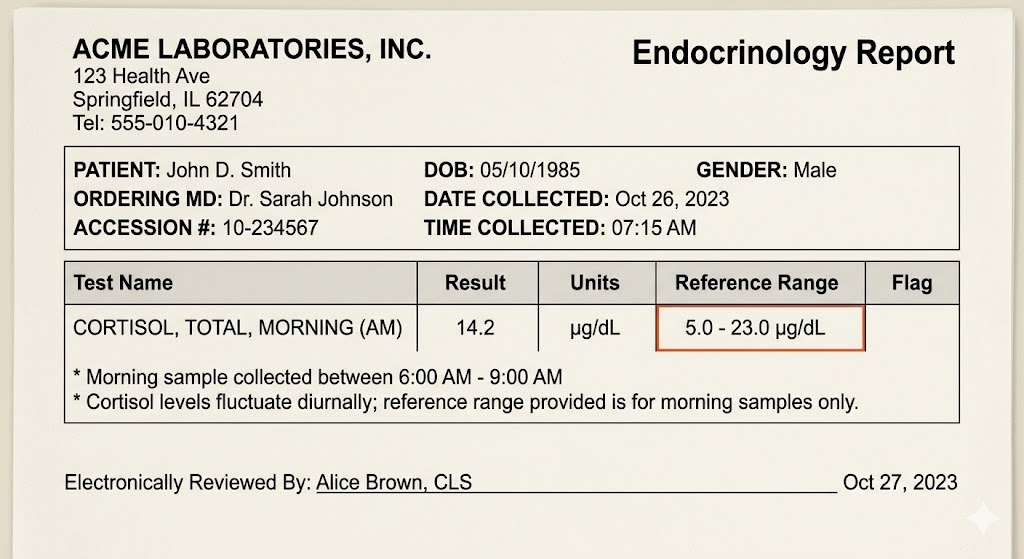
Cortisol levels are tested through blood, saliva, urine, or specialized suppression tests, and interpretation depends on timing and symptoms.
Blood Cortisol Test
First, a blood test measures cortisol at a specific time. Morning blood draws are common because cortisol is naturally higher then.
Saliva Cortisol Test
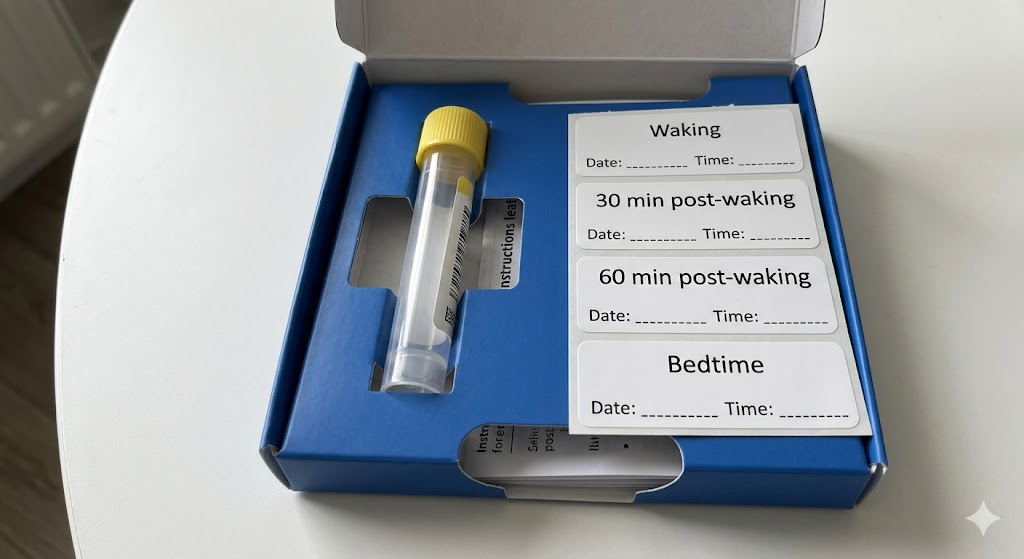
Second, saliva tests are often used to check cortisol at different times, especially late-night levels.
24-Hour Urine Cortisol
Moreover, urine testing measures cortisol output over a full day. This can be useful when excess cortisol is suspected.
Dexamethasone Suppression Test
Plus, doctors may use a dexamethasone suppression test to see how your body regulates cortisol.
How to Read Results
In addition, a single number rarely tells the full story. Symptoms, sleep schedule, medications, stress load, and lab method all matter.
Cortisol testing involves blood, saliva, or urine measurements, and accurate interpretation depends on test timing and clinical context.
how to read blood test results
How Can You Lower High Cortisol Levels Naturally?
You can often lower high cortisol levels naturally by improving recovery, reducing chronic stress, and supporting healthy routines. The goal is regulation, not eliminating cortisol.
1. Improve Sleep Consistency
First, go to bed and wake up at similar times daily. Consistent sleep schedules support a healthier cortisol rhythm.
Adults generally need 7 or more hours of sleep per night — Source: CDC, 2024.
2. Use Stress Management Techniques That Work
Second, daily stress-reduction practices can help lower your stress load over time.
Try:
- Deep breathing
- Meditation
- Prayer
- Nature walks
- Journaling
- Therapy
stress management techniques that work
3. Balance Exercise
Moreover, movement helps, but too much intensity without recovery may backfire. Mix strength training, walking, and rest days.
4. Eat Regular, Nutritious Meals
Plus, protein-rich meals and fiber-rich carbs may help support steady energy. Skipping meals may worsen stress for some people.
best foods for hormone balance
5. Reduce Alcohol and Late Stimulants
In addition, alcohol and excess caffeine late in the day can disrupt sleep quality.
Lifestyle strategies such as consistent sleep, stress management, balanced exercise, and nutritious meals can help support healthy cortisol levels.
Can Poor Sleep Increase Cortisol Hormone Levels?
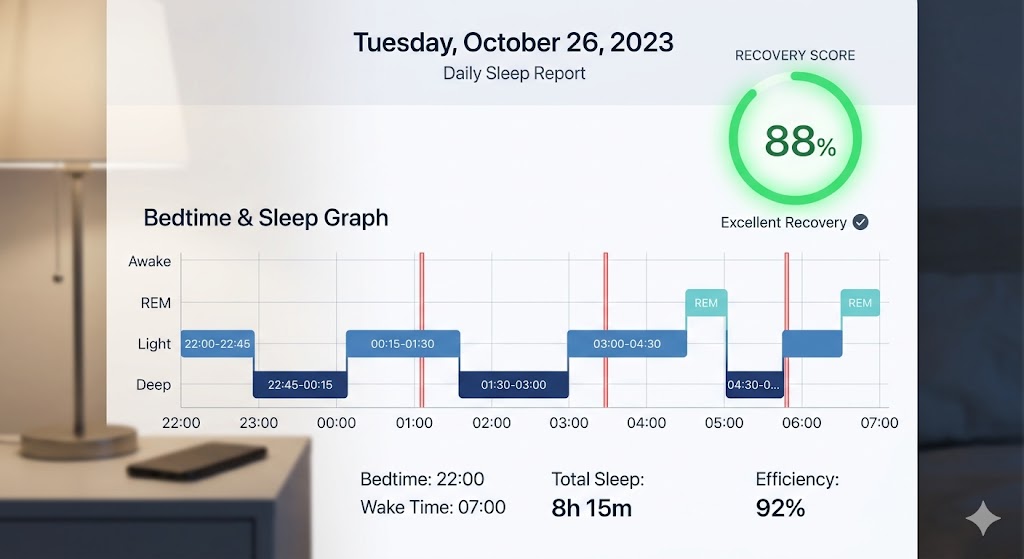
Poor sleep can increase cortisol hormone levels or disrupt the normal daily cortisol rhythm. Even if total sleep time looks acceptable, fragmented sleep can still matter.
First, sleep loss can raise evening cortisol in some people. Higher nighttime cortisol may make it harder to fall asleep the next night.
For example, one stressful week of late nights may create a cycle of tired mornings and restless evenings.
Second, sleep apnea, shift work, and inconsistent bedtimes can all affect cortisol patterns.
When Should You See a Doctor About Cortisol Symptoms?
You should see a doctor about cortisol symptoms when they are persistent, worsening, or affecting daily life. Medical guidance is especially important when symptoms are severe or unexplained.
First, seek care if you have:
- Ongoing fatigue
- Unexplained weight changes
- Persistent insomnia
- Dizziness or fainting
- High blood pressure
- Severe anxiety
- Muscle weakness
- Abnormal lab results
Second, ask for evaluation if symptoms continue despite better sleep, nutrition, and stress management.
For example, persistent dizziness with low blood pressure deserves prompt attention.
when to see an endocrinologist
Tools, Examples, and Practical Applications
Practical tools can help you spot patterns that influence cortisol hormone levels. Tracking trends often reveals what one test cannot.
Daily Cortisol-Balancing Routine
- Wake at a consistent time
- Get morning sunlight for 5–15 minutes
- Eat a protein-rich breakfast if it suits you
- Move your body
- Take short stress breaks
- Reduce screens before bed
- Sleep at a regular time
Symptom Checklist
Track:
- Energy
- Mood
- Sleep quality
- Cravings
- Blood pressure
- Recovery after workouts
Useful Tools
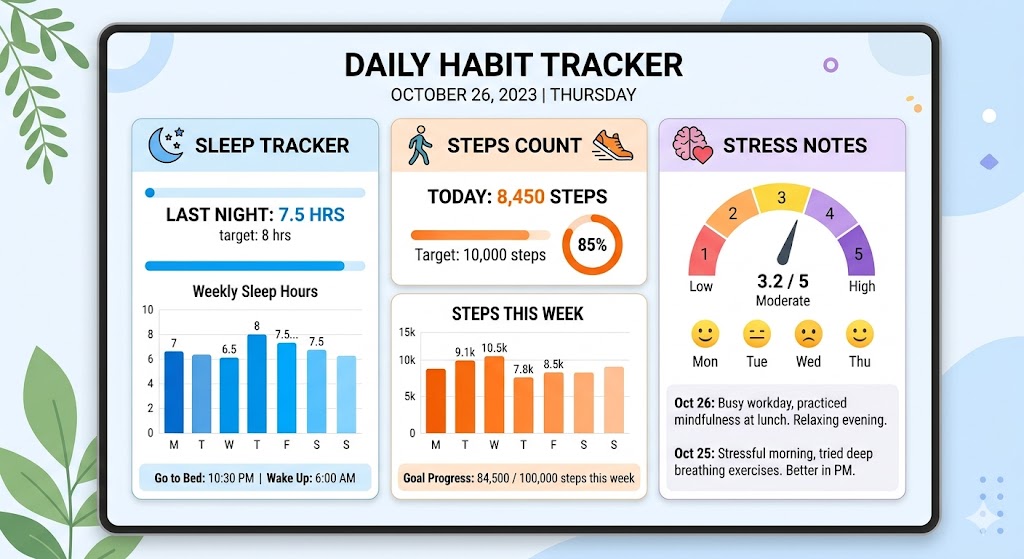
- Sleep tracker or wearable
- Journal app
- Blood pressure monitor
- Calendar for routines
- Reminder app for stress breaks
What’s Next: Action Steps
The next step is to combine symptom tracking with consistent habits and proper medical evaluation when needed.
First, choose one habit to improve this week, such as bedtime consistency.
Second, track symptoms for 14 days. Patterns are more useful than guesses.
Third, reduce major stressors where possible. Even small boundaries help.
Fourth, request appropriate testing if symptoms persist.
Fifth, review results with a qualified clinician rather than interpreting numbers alone.
Conclusion
Cortisol is essential, not the enemy. It helps you wake up, adapt, and function every day. Problems usually come from chronic imbalance, poor timing, or underlying health issues—not from cortisol itself.
By improving sleep, managing stress, eating well, and getting the right testing when needed, you can support better energy, mood, and long-term health. Small consistent habits often create the biggest results.
Written by: Suraj — Health & SEO Blogger with 5+ years of experience creating evidence-based wellness content that is clear, practical, and reader-friendly.
Reviewed by: Editorial Health Review Team — Content reviewers focused on medical accuracy, readability, and responsible health education.
Disclaimer: This article was initially drafted using AI assistance. However, the content has undergone thorough revisions, editing, and fact-checking by human editors and subject matter experts to ensure accuracy.