

You already know that exercise, sleep, and positive habits can make you feel better. What many people miss is that these actions work by influencing specific hormones and brain chemicals tied to happiness. In this guide, you’ll learn what happy hormones are, how they work, and the best natural ways to support them every day.
Key Takeaways
- Happy hormones are mood-related chemicals such as dopamine, serotonin, oxytocin, and endorphins that influence motivation, calmness, bonding, and pleasure.
- Dopamine supports reward and motivation, while serotonin is linked to mood stability and emotional balance.
- Oxytocin strengthens trust and connection, and endorphins help reduce pain and boost positive feelings.
- Sleep, exercise, sunlight, nutrition, and social connection are effective natural ways to support happy hormones.
- Chronic stress, poor habits, and isolation can disrupt hormone balance and affect mood.
- Small daily habits practiced consistently often improve emotional well-being more than occasional extreme changes.
- Persistent low mood or severe symptoms should be evaluated by a qualified healthcare professional.
What Is a Happy Hormone and Why Is the Term So Popular?
Happy hormone is a popular term for mood-related hormones and neurotransmitters that influence happiness, motivation, bonding, and stress resilience. Although the phrase is common online, it usually refers to four major chemicals: dopamine, serotonin, oxytocin, and endorphins.
First, the term became popular because it simplifies complex brain science. Instead of explaining multiple systems, people can quickly understand that certain chemicals affect how they feel.
For example, after a workout you may feel energized and calmer. That shift can involve endorphins, dopamine, and changes in stress hormones.
“Happy hormones” is a popular term for mood-related hormones and neurotransmitters that influence happiness, motivation, bonding, and stress resilience.
Moreover, these chemicals do not create permanent happiness on their own. They help regulate mood, motivation, resilience, and behavior in response to your lifestyle and environment.
daily habits for better mental health
Why Do Happy Hormones Matter for Mental and Physical Health?
Happy hormones matter because they influence mood, stress response, motivation, sleep, bonding, focus, and overall well-being. When these systems are supported, daily life often feels more manageable.
First, balanced mood chemistry can improve emotional resilience. For example, people who sleep well and stay active often report better stress tolerance and energy levels.
Second, these chemicals also affect physical health. Chronic stress can raise cortisol and disrupt sleep, appetite, and recovery. According to the World Health Organization, stress-related mental health conditions are rising globally — Source: WHO, 2024.
Third, motivation and consistency often depend on reward pathways. This means your ability to start habits, complete tasks, and feel progress can be connected to dopamine signaling.
Plus, social connection matters biologically. Positive relationships can lower stress markers and support better long-term health outcomes — Source: Harvard Adult Development Study, 2023.
Which Hormones Are Known as the 4 Happy Hormones?
The 4 happy hormones commonly refer to dopamine, serotonin, oxytocin, and endorphins. Each one plays a different role in how you feel and function.
| Happy Hormone | Main Role | Common Natural Triggers | Signs of Low Support |
|---|---|---|---|
| Dopamine | Motivation, reward, focus | Goals, progress, exercise | Low drive, procrastination |
| Serotonin | Mood balance, calmness, sleep | Sunlight, movement, gut health | Low mood, irritability |
| Oxytocin | Trust, bonding, connection | Hugs, kindness, closeness | Isolation, emotional distance |
| Endorphins | Pain relief, pleasure | Exercise, laughter, music | Low stress tolerance |
How Does Dopamine Affect Motivation and Pleasure?
Dopamine is a neurotransmitter associated with reward, motivation, and goal-directed behavior. It helps you anticipate progress and feel satisfaction after effort.
Why Dopamine Matters
First, dopamine is less about pleasure alone and more about pursuit. It helps you start tasks, stay engaged, and repeat useful behaviors.
For example, checking off a to-do list can create a small reward response. That feeling can reinforce productive habits.
Signs Dopamine May Be Low
Moreover, low dopamine support may show up as:
- Low motivation
- Brain fog
- Difficulty starting tasks
- Constant need for novelty
- Procrastination
Natural Ways to Support Dopamine
- Break goals into small wins
- Exercise regularly
- Eat enough protein
- Reduce endless scrolling
- Celebrate progress intentionally
Research shows regular exercise can improve reward signaling and mood regulation — Source: Frontiers in Psychology, 2024.
Why Is Serotonin Important for Mood and Emotional Balance?
Serotonin helps regulate mood, sleep, appetite, and emotional stability. It is strongly connected to calmness, routine, and overall mental balance.
Why Serotonin Matters
First, serotonin is often linked with feeling steady rather than excited. It supports contentment, emotional control, and healthy sleep patterns.
For example, after a walk in morning sunlight, many people feel clearer and more settled. Light exposure helps regulate circadian rhythms that support serotonin pathways.
What Can Lower Serotonin Support?
- Poor sleep
- Chronic stress
- Low sunlight exposure
- Poor gut health
- Inactivity
About 90% of serotonin is produced in the gut, though brain serotonin functions separately through different pathways — Source: Nature Reviews Gastroenterology, 2023.
Natural Ways to Support Serotonin
- Morning sunlight exposure
- Consistent sleep schedule
- Daily walking
- Fiber-rich foods
- Stress management practices
benefits of morning sunlight for health
gut health and mood connection
What Does Oxytocin Do for Relationships and Trust?
Oxytocin is often called the bonding hormone because it supports trust, connection, and social attachment. It is linked to emotional warmth and healthy relationships.
Why Oxytocin Matters
First, humans are social by nature. Safe connection can reduce stress and improve emotional security.
For example, a sincere hug, supportive conversation, or kind gesture may help you feel calmer and more connected.
Ways to Increase Oxytocin Naturally
- Spend quality time with loved ones
- Practice gratitude
- Offer kindness
- Physical affection when welcome
- Play with pets
Studies show strong social ties are associated with better mental and physical health outcomes — Source: Harvard Health, 2024.
Common Misunderstanding
Moreover, oxytocin does not force trust in every situation. Healthy trust still depends on safety, boundaries, and context.
How Do Endorphins Reduce Stress and Improve Mood?
Endorphins are natural chemicals that reduce pain perception and can create feelings of pleasure after exercise or laughter. They are part of the body’s built-in relief system.
Why Endorphins Matter
First, endorphins can help during physical effort or stress. They may improve resilience and make discomfort feel more manageable.
For example, many people experience a better mood after a brisk walk, dance session, or strength workout.
Best Natural Endorphin Boosters
- Cardio exercise
- Strength training
- Laughter
- Music
- Dancing
- Spicy foods (for some people)
Regular physical activity reduces symptoms of anxiety and depression in many adults — Source: British Journal of Sports Medicine, 2023.
best workouts for stress relief
What Causes Low Happy Hormones in Daily Life?
Low happy hormone support is commonly linked to stress, poor sleep, inactivity, isolation, nutrient gaps, gut issues, and excessive screen time. Modern habits often work against healthy mood chemistry.
First, chronic stress can keep the body in survival mode. When stress stays high, motivation, sleep, and emotional balance often decline.
Second, poor sleep affects nearly every mood system. The CDC reports many adults do not meet ideal sleep targets — Source: CDC, 2024.
Third, sedentary routines reduce movement-based benefits. Even short walks can help compared with sitting all day.
Fourth, excessive screen time can overstimulate reward systems. Endless novelty may lower focus and increase restlessness.
how to reduce cortisol naturally
How Can You Increase Happy Hormones Naturally at Home?
You can increase happy hormones naturally through consistent habits such as exercise, sunlight, sleep hygiene, nutrition, meditation, laughter, music, and social connection. Simple actions repeated daily usually work best.
1. Move Your Body Daily
Even 20 minutes of walking can improve mood. For example, a quick walk after lunch may boost energy and reduce stress.
2. Get Morning Sunlight
Natural light helps your internal clock. This can support serotonin and better sleep later.
3. Protect Sleep
Aim for a regular sleep and wake time. Consistency matters more than perfection.
4. Eat for Brain Health
Focus on protein, omega-3 fats, fiber, fruits, and vegetables.
5. Practice Calm
Breathing, meditation, and journaling can reduce stress load.
6. Stay Connected
Call a friend, join a class, or spend time with family.
mindfulness for beginners
foods that support brain health
Which Foods Help Support Happy Hormone Production?
Foods that support happy hormone production provide nutrients used in mood, energy, and brain function. Food is not magic, but it can create a better biological foundation.
Helpful Foods
- Eggs and dairy for protein
- Salmon, sardines, flax, walnuts for omega-3s
- Beans and oats for fiber
- Leafy greens for folate
- Bananas and potatoes for energy support
- Yogurt and fermented foods for gut support
For example, a breakfast of eggs, oats, berries, and yogurt offers protein, fiber, and micronutrients that support stable energy.
Foods That May Hurt Mood When Overused
- Highly processed snacks
- Excess sugar
- Heavy alcohol use
- Frequent meal skipping
What Is a Daily Routine for Better Mood Hormone Balance?
A daily routine for happy hormones combines small habits across morning, afternoon, and evening. The goal is consistency, not perfection.
Morning
- Wake at a similar time
- Get sunlight for 10–20 minutes
- Eat a protein-rich breakfast
- Move for 5–10 minutes
Afternoon
- Walk after meals
- Focus on one important task
- Hydrate well
- Connect with someone briefly
Evening
- Reduce bright screens
- Eat a balanced dinner
- Journal gratitude
- Sleep at a regular time
daily habits for better mental health
What Tools and Practical Habits Can Help Track Happy Hormones?
Tools for happy hormone support help you measure habits, notice patterns, and stay consistent. You do not need expensive tech to make progress.
Useful Tools
- Habit tracker
- Mood journal
- Sleep tracker
- Step counter
- Meditation app
- Meal planner
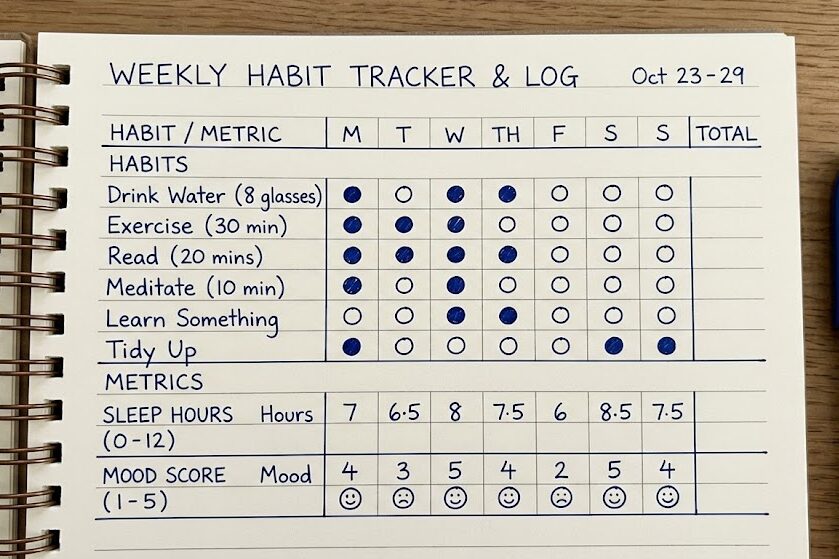
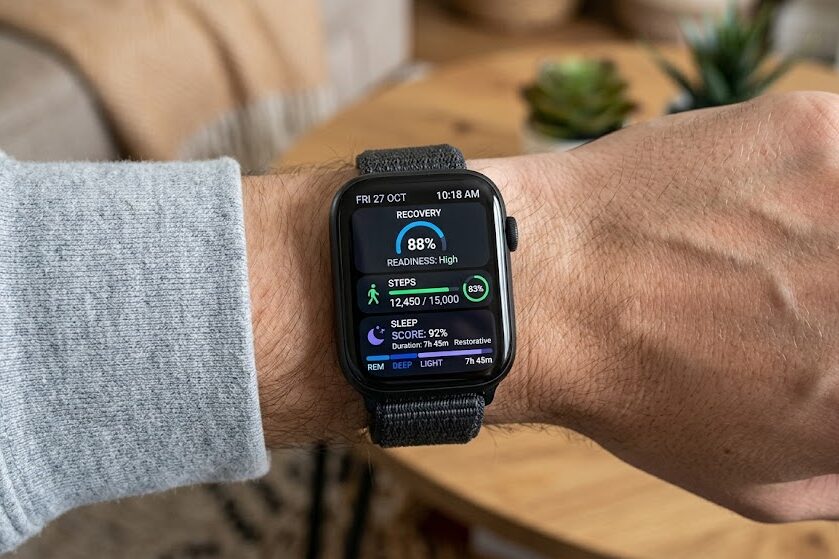
Simple Weekly System
- Track sleep hours
- Record mood from 1–10
- Count exercise sessions
- Note social time
- Review trends every Sunday
For example, if mood improves on days with sunlight and walking, repeat that pattern next week.
healthy habits tracker template
gratitude habits that improve happiness
When Should You Seek Professional Help for Hormone-Related Mood Issues?
You should seek professional help when low mood is persistent, severe, or affecting daily life. Lifestyle habits help many people, but some symptoms need expert care.
Please consider support if you notice:
- Ongoing sadness for weeks
- Panic attacks
- Severe fatigue
- Sleep breakdown
- Loss of interest in life
- Trouble functioning at work or home
- Thoughts of self-harm
First, start with a qualified doctor or mental health professional. They can assess sleep, stress, nutrition, hormones, medication effects, and mental health conditions.
What’s Next: Your 30-Day Happy Hormone Plan
The best next step is choosing 2–3 habits and practicing them for 30 days. Sustainable change beats extreme plans.
Start Here
- Walk 20 minutes daily
- Get morning sunlight
- Sleep on a schedule
- Eat more whole foods
- Connect with one person daily
- Track mood weekly
For example, do not try all ten habits at once. Start small, win consistently, then build momentum.
signs of burnout and recovery tip
Conclusion
Happy hormones can be supported through consistent lifestyle habits, not quick fixes. Dopamine, serotonin, oxytocin, and endorphins each play a valuable role in motivation, balance, connection, and resilience.
Moreover, you do not need a perfect routine to feel better. Start with one walk, one better bedtime, one real conversation, and one repeatable habit. Small actions done often can change how you feel over time.
Written by: Suraj 5+ Blogger — SEO content writer focused on wellness, psychology, and growth-based educational content.
Reviewed by: Editorial Review Team — Health content reviewers focused on evidence-based wellness and reader safety.
Disclaimer: This article was initially drafted using AI assistance. However, the content has undergone thorough revisions, editing, and fact-checking by human editors and subject matter experts to ensure accuracy.