

Volcano Tourism Destinations That Are Safe and Open to Tourists has evolved far beyond risky adventures and extreme expeditions. In 2026, many volcanic regions around the world are carefully monitored, well-managed, and fully open to tourists—offering dramatic landscapes without compromising safety.
With advances in geological monitoring and stricter access controls, Volcano Tourism Destinations are now among the most fascinating and responsibly managed travel experiences available. From lava fields and crater hikes to volcanic hot springs, these destinations allow visitors to witness Earth’s raw power under controlled conditions.
This guide highlights volcano tourism destinations that are considered safe, regulated, and open to tourists, based on long-term activity patterns and official access policies.
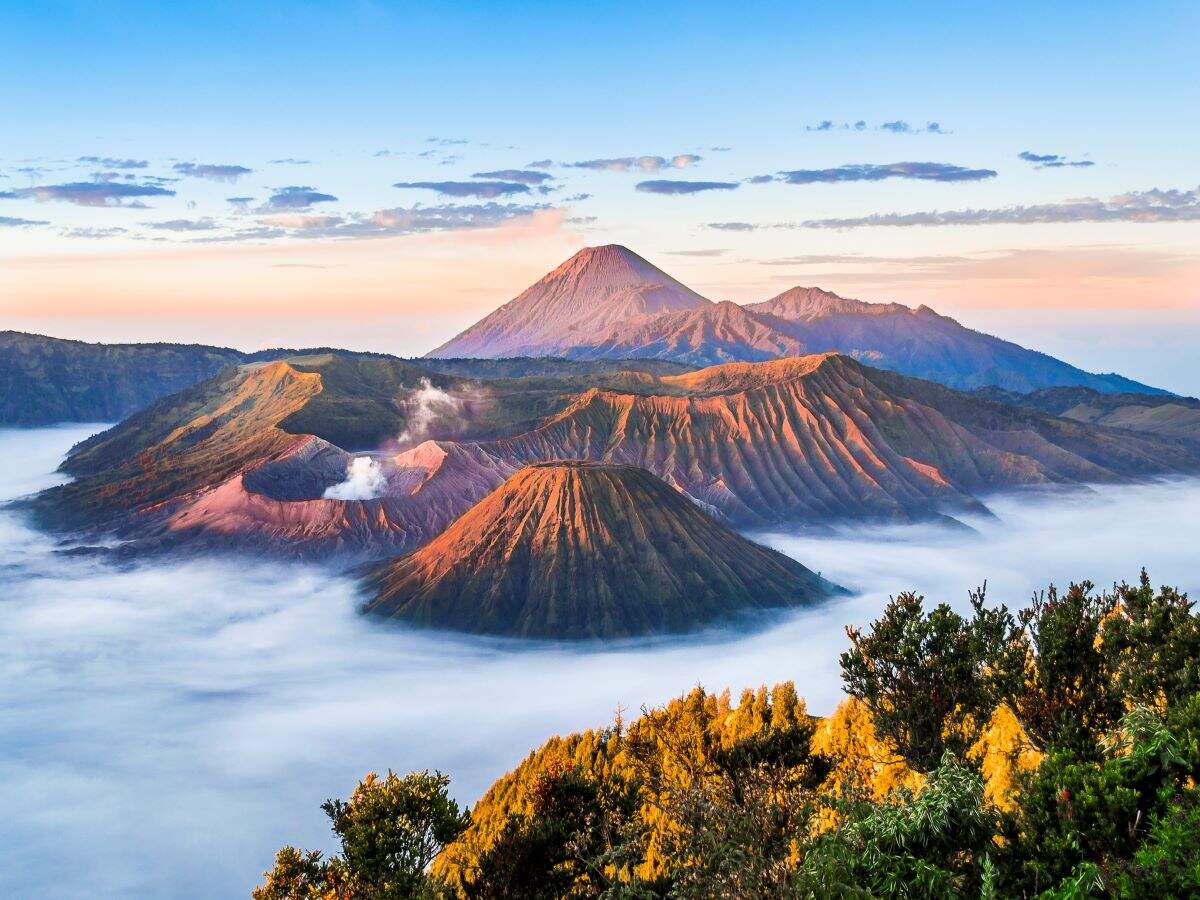

1. Mount Etna, Italy – Europe’s Most Accessible Active Volcano
Mount Etna is one of the world’s most studied volcanoes and one of the safest for tourists due to constant monitoring and controlled access.
Why It’s Safe for Visitors
- Continuous volcanic monitoring
- Regulated access zones
- Guided tours near active areas
What Tourists Can Experience
- Lava fields and craters
- Cable car and guided hikes
- Panoramic views of Sicily
Mount Etna remains a benchmark among Volcano Tourism Destinations for combining accessibility, safety, and geological spectacle.
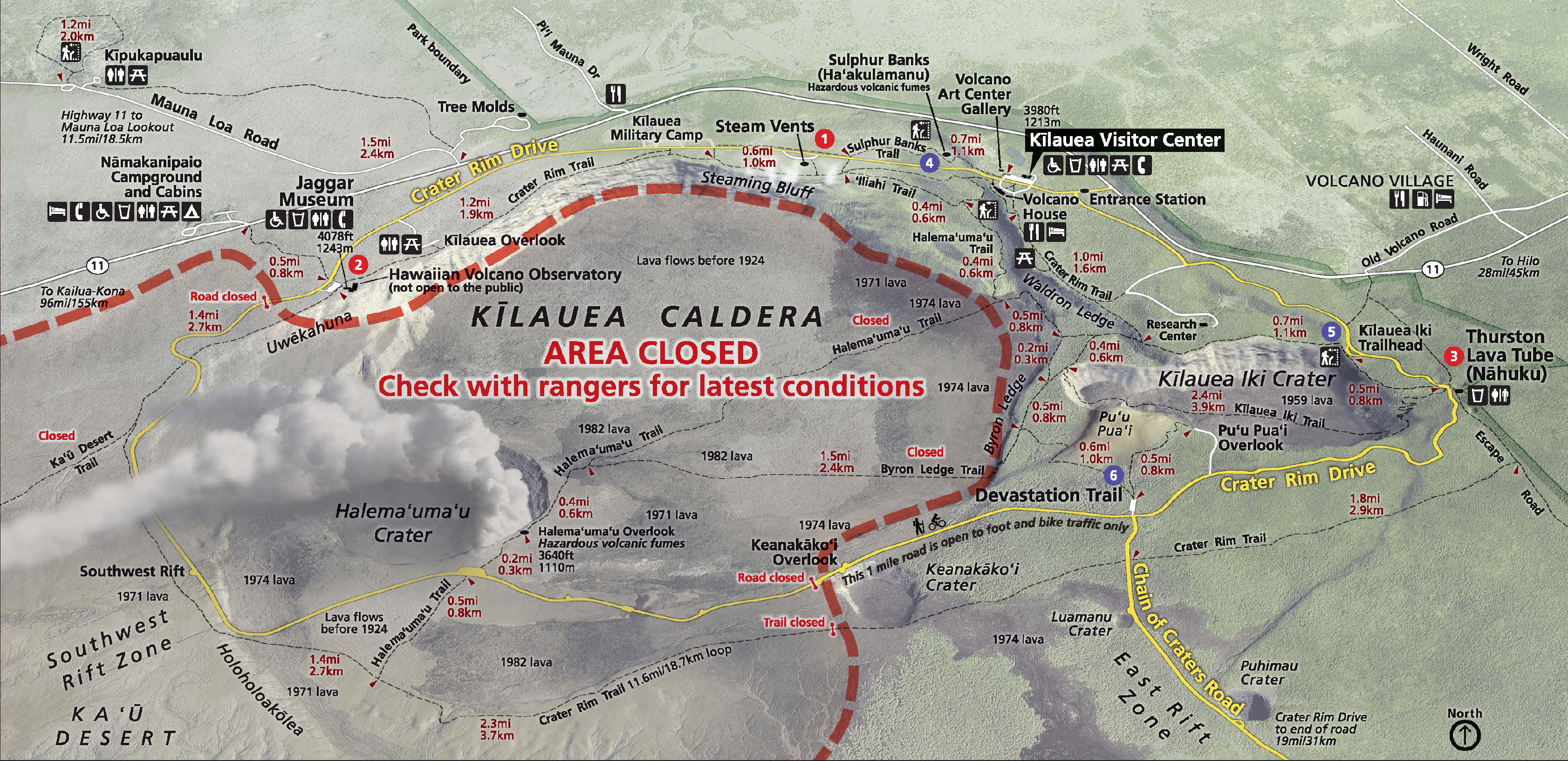
2. Kīlauea, Hawaii – Controlled Access to Volcanic Landscapes
Kīlauea is one of the most active volcanoes on Earth, yet it remains open to visitors thanks to advanced monitoring and strict safety protocols.
Safety Measures in Place
- Real-time volcanic surveillance
- Clearly marked restricted zones
- National park management
Visitor Highlights
- Lava tubes and craters
- Volcanic landscapes and trails
- Educational visitor centers
Kīlauea offers a rare chance to observe an active volcanic system responsibly, making it a leading name in Volcano Tourism Destinations.
3. Mount Fuji, Japan – Dormant but Closely Monitored
Although Mount Fuji is technically active, it has been dormant for centuries and remains one of the safest volcano-related tourist attractions.
Why Fuji Is Considered Safe
- Long dormancy period
- Extensive monitoring by authorities
- Seasonal access restrictions
What Visitors Enjoy
- Scenic hiking routes
- Cultural and spiritual sites
- Volcanic terrain views
Mount Fuji represents a calmer side of Volcano Tourism Destinations, blending natural beauty with cultural heritage.

4. Arenal Volcano, Costa Rica – From Active to Peaceful Icon
Arenal was once highly active but has remained quiet for several years, allowing tourism to flourish safely around it.
Why It’s Tourist-Friendly
- Stable current activity status
- Strong safety regulations
- Well-developed tourism infrastructure
Popular Experiences
- Volcano-view hiking trails
- Hot springs heated by geothermal activity
- Wildlife and rainforest tours
Arenal Volcano is one of the most visitor-friendly Volcano Tourism Destinations in Central America.
5. Mount Bromo, Indonesia – Managed Volcanic Viewing
Mount Bromo is active but carefully managed, allowing visitors to enjoy its surreal landscape safely.
Safety Controls
- Designated viewing platforms
- Restricted crater access during activity
- Park authority supervision
What Makes It Unique
- Sea of Sand volcanic plain
- Sunrise crater views
- Cultural significance
Mount Bromo stands out among Volcano Tourism Destinations for its dramatic scenery and strong management.
6. Teide Volcano, Spain – Europe’s Highest Volcano
Teide is dormant and located within a protected national park, making it one of the safest volcanic destinations in the world.
Why Teide Is Safe
- Dormant status
- Controlled park access
- Cable car with safety limits
Visitor Attractions
- Lunar-like landscapes
- Stargazing opportunities
- Geological trails
Teide Volcano offers a relaxed and educational volcano tourism experience.
7. Poás Volcano, Costa Rica – Regulated Crater Viewing
Poás is known for its massive crater lake and is closely monitored by authorities.
Safety Features
- Timed entry system
- Temporary closures during increased activity
- Mandatory safety briefings
Visitor Experience
- Short, safe crater walks
- Educational observation platforms
- Easy access
Poás Volcano shows how Volcano Tourism Destinations can remain open while prioritizing visitor safety.
Why Volcano Tourism Is Safer in 2026
Several factors make modern Volcano Tourism Destinations safer than ever:
- Advanced seismic and gas monitoring
- Clearly enforced exclusion zones
- Professional guides and park management
- Real-time alerts and closures
Today’s volcano tourism focuses on observation, education, and controlled access rather than risk.
Frequently Asked Questions
Are volcano tourism destinations really safe?
Yes, when destinations are officially open and monitored, risks are carefully managed.
Can tourists visit active volcanoes?
Yes, but only in designated safe zones under strict regulations.
Is volcano tourism suitable for families?
Many destinations are family-friendly, especially those with viewing platforms and visitor centers.
Do volcanoes close to tourists suddenly?
Access is immediately restricted if activity increases, prioritizing safety.
What’s the best way to visit volcano tourism destinations?
Always follow local authorities, choose guided tours, and respect restricted areas.
Final Thoughts
Volcano tourism is no longer about danger—it’s about understanding Earth’s power responsibly. The world’s best Volcano Tourism Destinations prove that safety and adventure can coexist through careful monitoring and smart tourism management.
For travelers seeking awe-inspiring landscapes with controlled risk, volcano tourism offers unforgettable experiences without unnecessary danger.
Also read this:
Astro Tourism Destinations With the Clearest Night Skies in 2026
AI-Planned Travel vs Human Planning: Which Wins in 2026?
Top 7 Places Travelers Are Choosing Instead of Famous Cities