
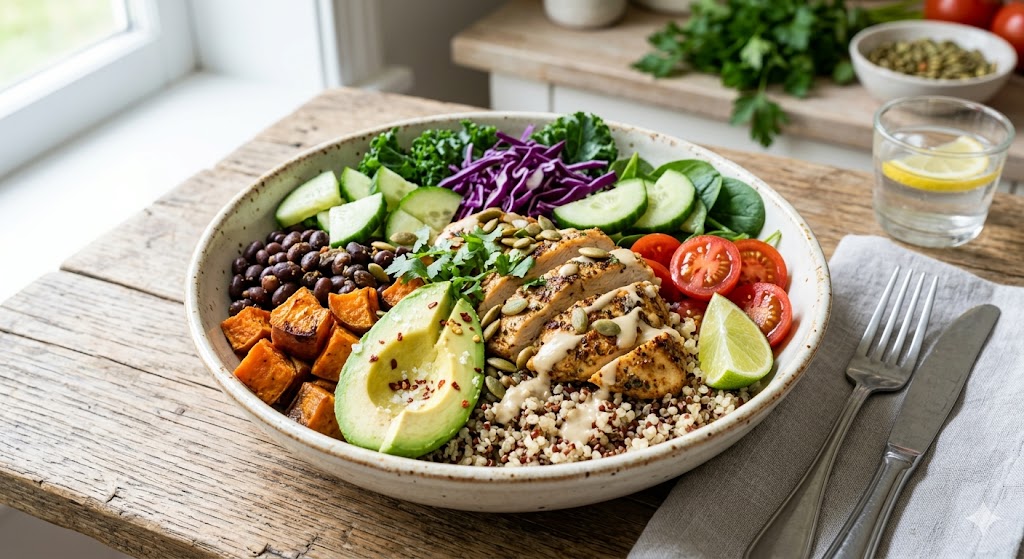
You’ve probably seen quinoa bowls everywhere—from healthy meal prep videos to restaurant menus and fitness blogs. But most people either make bland bowls or miss the nutritional balance that makes them truly satisfying. In this guide, you’ll learn exactly how to build flavorful, healthy quinoa bowls with the right ingredients, meal prep strategies, and recipe combinations for any lifestyle.
Key Takeaways
- Quinoa bowls are balanced meals built with quinoa, vegetables, proteins, healthy fats, and flavorful toppings.
- Quinoa contains complete plant protein, fiber, and essential nutrients that support healthy eating goals.
- Balanced quinoa bowls combine texture, flavor, and nutrition through smart ingredient selection.
- Meal prep quinoa bowls save time while supporting consistent healthy eating habits throughout the week.
- High-protein quinoa bowls can support muscle recovery, weight management, and long-lasting fullness.
- Vegan and vegetarian quinoa bowls can provide complete nutrition when paired with legumes, seeds, and vegetables.
- Homemade quinoa bowls are highly customizable for Mediterranean, Mexican, breakfast, or gluten-free diets.
What Is a Quinoa Bowl and Why Is It So Popular?
A quinoa bowl is a balanced meal made with quinoa, vegetables, proteins, healthy fats, and flavorful toppings. Unlike traditional rice bowls, quinoa bowls focus heavily on nutrient density, plant protein, fiber, and customizable ingredients.
First, quinoa bowls became popular because they combine convenience with nutrition. For example, you can prepare quinoa in bulk and build multiple meals throughout the week using different toppings and sauces.
Moreover, quinoa bowls fit several modern eating styles. They work well for vegan, vegetarian, Mediterranean, gluten-free, and high-protein diets. According to the Whole Grains Council, quinoa consumption has increased significantly over the past decade due to growing interest in plant-based eating — Source: Whole Grains Council, 2024.
Quinoa bowls are naturally gluten-free and can be adapted for vegan, vegetarian, or Mediterranean diets.
What Makes a Quinoa Bowl Different From Other Bowls?
A quinoa bowl differs from grain bowls, poke bowls, and Buddha bowls because quinoa serves as the primary nutritional foundation.
| Bowl Type | Main Base | Typical Ingredients | Main Focus |
|---|---|---|---|
| Quinoa Bowl | Quinoa | Vegetables, proteins, sauces | Nutrition + balance |
| Grain Bowl | Any grain | Rice, farro, barley, toppings | Variety of grains |
| Poke Bowl | Rice | Raw fish, seaweed, sauces | Seafood flavors |
| Buddha Bowl | Mixed plant foods | Vegetables, legumes, grains | Plant-based abundance |
Additionally, quinoa bowls usually contain higher protein than standard grain bowls. For example, one cooked cup of quinoa contains about 8 grams of protein — Source: USDA, 2025.
Why Are Quinoa Bowls So Trendy?
Quinoa bowls are trendy because they combine meal prep convenience, visual appeal, and balanced nutrition in one dish.
Furthermore, social media helped popularize colorful bowl meals. Platforms like Instagram and TikTok increased interest in healthy meal presentation, especially among younger adults focused on wellness lifestyles.
Quinoa is a complete plant protein because it contains all nine essential amino acids.
Why Are Quinoa Bowls Considered Healthy Meals?
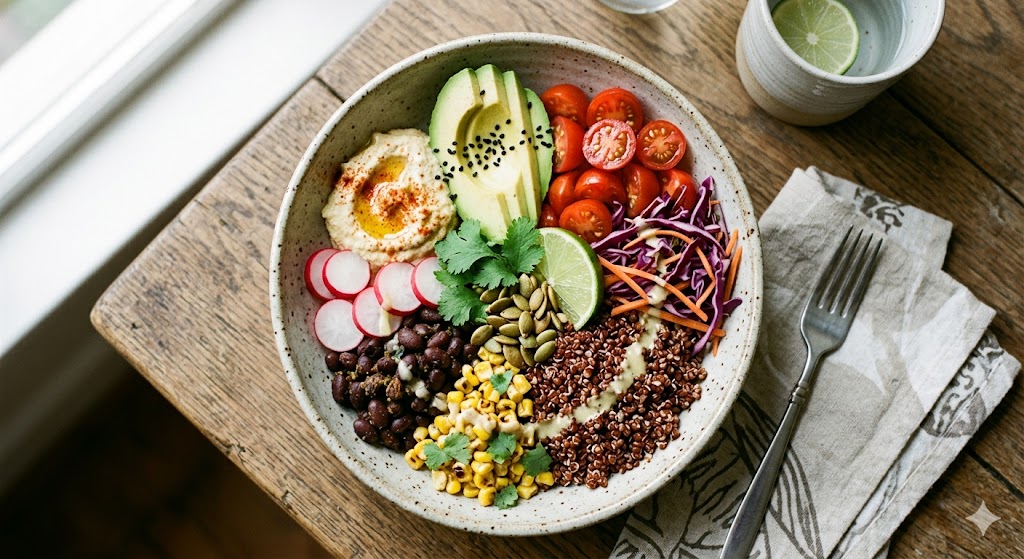
Quinoa bowls are considered healthy because they combine protein, fiber, complex carbohydrates, vitamins, and healthy fats in one balanced meal.
First, quinoa itself provides exceptional nutrition. Unlike many grains, quinoa contains all essential amino acids, making it one of the few complete plant proteins available.
Additionally, quinoa contains important minerals like magnesium, iron, zinc, and manganese. According to Harvard T.H. Chan School of Public Health, quinoa is rich in antioxidants and supports heart health — Source: Harvard School of Public Health, 2024.
Protein and Fiber Benefits
High-protein quinoa bowls help promote fullness and support muscle recovery after exercise.
For example, combining quinoa with chickpeas, chicken, tofu, or eggs can significantly increase protein intake. This combination helps reduce hunger while supporting lean muscle maintenance.
At the same time, quinoa contains fiber that supports digestion and blood sugar control. One cup of cooked quinoa contains roughly 5 grams of fiber — Source: USDA, 2025.
high-fiber foods for digestion
Can Quinoa Bowls Help With Weight Loss?
Quinoa bowls can support weight loss because they encourage portion control, balanced nutrition, and satiety.
Moreover, balanced bowls reduce reliance on processed foods. For example, replacing fast-food lunches with homemade quinoa bowls may lower calorie intake while improving nutrient quality.
Research also shows higher-protein meals can increase fullness and reduce overeating — Source: American Journal of Clinical Nutrition, 2023.
easy lunch recipes for weight loss
Are Quinoa Bowls Good for Vegetarians and Vegans?
Quinoa bowls are excellent for vegetarians and vegans because quinoa naturally provides complete plant protein.
Furthermore, adding beans, lentils, tofu, hemp seeds, or edamame increases amino acid diversity and overall protein content.
For example, a vegan quinoa bowl with black beans, avocado, roasted vegetables, and pumpkin seeds can provide protein, fiber, iron, and healthy fats in one meal.
best plant-based protein sources
How Do You Build a Balanced Quinoa Bowl at Home?
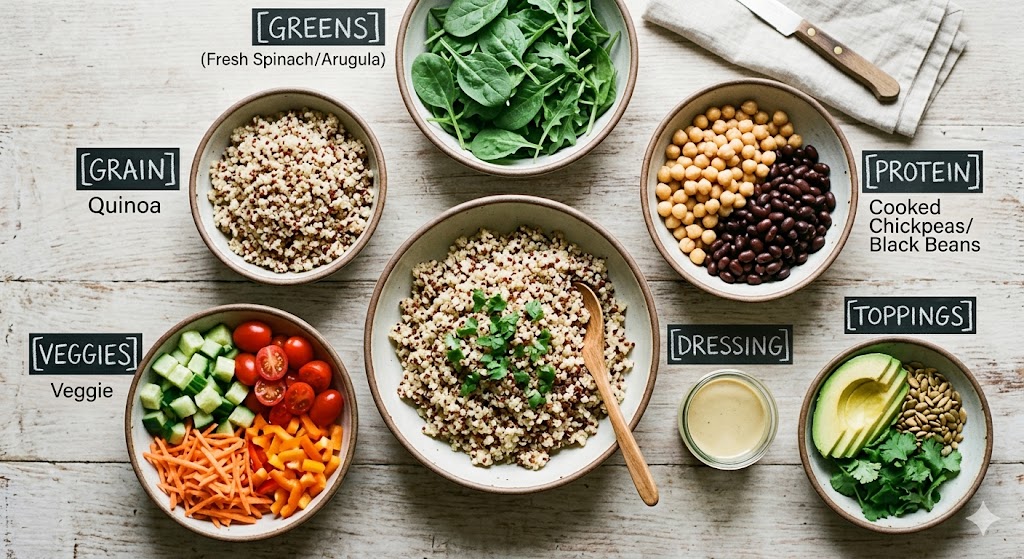
A balanced quinoa bowl combines a quinoa base, vegetables, proteins, healthy fats, sauces, and texture-enhancing toppings.
First, start with cooked quinoa as the foundation. Most bowls use white, red, black, or tri-color quinoa depending on texture preference.
Second, add colorful vegetables for nutrients and variety. Roasted vegetables, leafy greens, cucumbers, tomatoes, and shredded carrots work especially well.
Third, include a protein source. Popular options include:
- Grilled chicken
- Chickpeas
- Tofu
- Salmon
- Eggs
- Lentils
- Greek yogurt sauces
Finally, finish with healthy fats and flavorful toppings. Avocado, tahini, olive oil, nuts, and seeds improve both taste and satiety.
The Perfect Quinoa Bowl Formula
A simple quinoa bowl formula helps create balanced meals consistently.
- Base: 1 cup quinoa
- Vegetables: 2 cups mixed vegetables
- Protein: 20–30g protein source
- Healthy fat: 1–2 tablespoons
- Sauce: 2 tablespoons dressing
- Crunch: Seeds, nuts, or crispy toppings
This structure can improve meal consistency while simplifying weekly meal prep.
What Ingredients Go Best in a Quinoa Bowl?
The best quinoa bowl ingredients combine freshness, protein, texture, and flavor balance.
Best Vegetables
- Roasted sweet potatoes
- Kale
- Spinach
- Cucumbers
- Cherry tomatoes
- Bell peppers
- Broccoli
- Red cabbage
Best Proteins
- Grilled chicken
- Tofu
- Chickpeas
- Black beans
- Salmon
- Eggs
- Edamame
Best Healthy Fats
- Avocado
- Olive oil
- Tahini
- Walnuts
- Almonds
- Pumpkin seeds
Best Sauces and Dressings
- Lemon tahini
- Greek yogurt dressing
- Salsa verde
- Peanut sauce
- Balsamic vinaigrette
- Chipotle dressing
healthy homemade salad dressings
What Are the Best Types of Quinoa Bowls?
The best quinoa bowl variations include vegan, Mediterranean, Mexican, breakfast, chicken, and high-protein combinations.
Vegan Quinoa Bowl
A vegan quinoa bowl combines quinoa with legumes, vegetables, and plant-based fats.
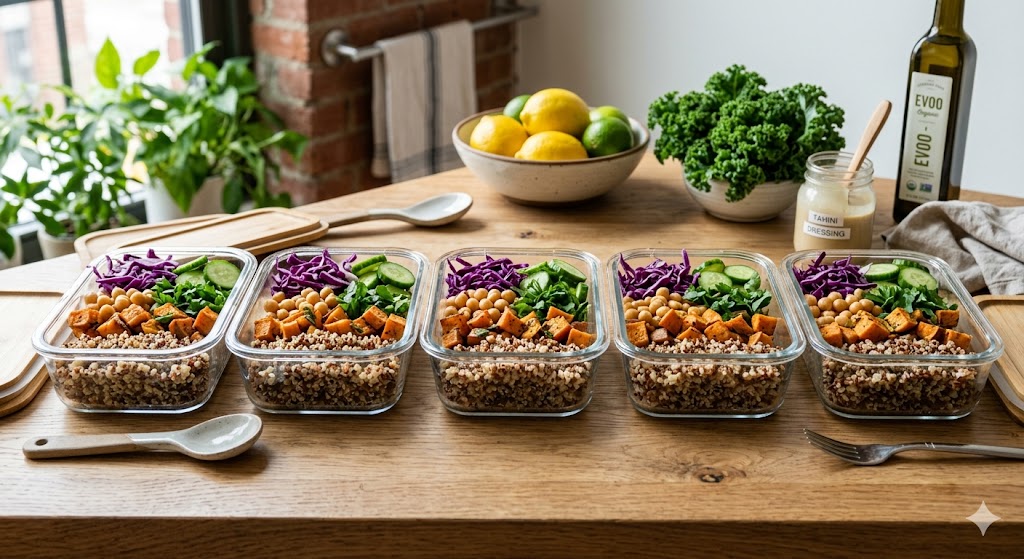
For example, roasted chickpeas, kale, sweet potatoes, avocado, and tahini create a nutrient-rich vegan meal with satisfying texture.
easy vegetarian dinner recipes
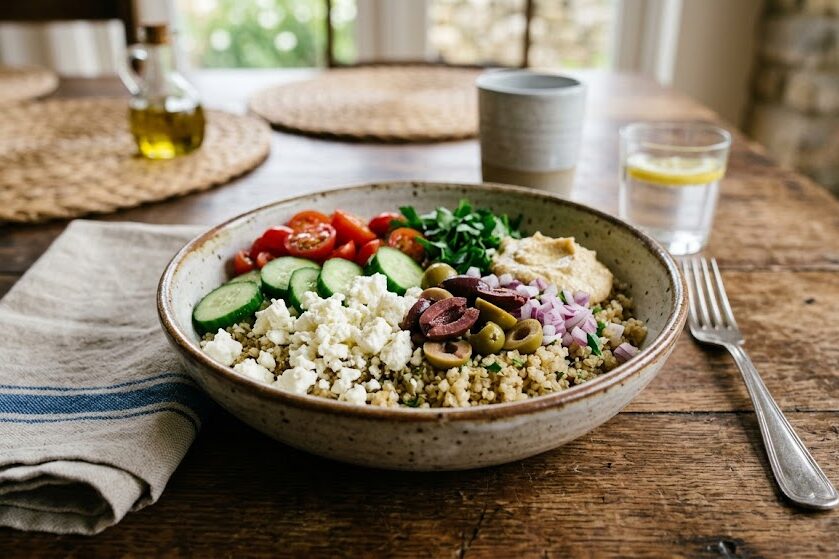
Mediterranean Quinoa Bowl
A Mediterranean quinoa bowl includes olives, cucumbers, tomatoes, feta cheese, olive oil, and herbs.
Additionally, Mediterranean-style bowls support heart health because they emphasize vegetables, healthy fats, and lean proteins.
Mexican Quinoa Bowl
A Mexican quinoa bowl uses black beans, corn, salsa, avocado, cilantro, and lime flavors.
For example, adding grilled chicken and chipotle sauce creates a restaurant-style high-protein meal.
High-Protein Quinoa Bowl
A high-protein quinoa bowl focuses on combining quinoa with protein-dense ingredients like chicken, eggs, tofu, Greek yogurt, or salmon.
High-protein quinoa bowls help promote fullness and support muscle recovery after exercise.
According to the International Society of Sports Nutrition, protein intake supports muscle repair and exercise recovery — Source: ISSN, 2024.
Breakfast Quinoa Bowl
A breakfast quinoa bowl uses warm quinoa with fruit, yogurt, nuts, cinnamon, and seeds.
For example, combining quinoa with almond milk, berries, chia seeds, and peanut butter creates a protein-rich breakfast alternative to oatmeal.
How Do You Cook Quinoa Perfectly for Grain Bowls?
Perfect quinoa is fluffy, light, and slightly chewy instead of mushy or bitter.
First, rinse quinoa thoroughly before cooking. This removes natural compounds called saponins that can create bitterness.
Second, use the correct water ratio. Most quinoa cooks best using 1 cup quinoa to 2 cups water.
Step-by-Step Quinoa Cooking Instructions
- Rinse quinoa under cold water
- Add quinoa and water to a pot
- Bring to a boil
- Reduce heat and cover
- Simmer for 15 minutes
- Rest for 5 minutes
- Fluff with a fork
Common Quinoa Cooking Mistakes
Overcooked quinoa becomes mushy and loses texture.
Additionally, under-seasoning makes quinoa bowls bland. For example, adding salt, garlic, herbs, or citrus during cooking improves flavor significantly.
Another mistake is using too much sauce. Excessive dressing can overpower vegetables and make bowls soggy.
Step-by-Step Quinoa Bowl Recipe Guide
A quinoa bowl recipe becomes easier when you prepare ingredients separately before assembly.
Ingredient Prep Workflow
First, cook quinoa in bulk for several meals.
Second, roast vegetables on sheet pans. Sweet potatoes, broccoli, carrots, and cauliflower roast especially well.
Third, prepare proteins in batches. Grilled chicken, baked tofu, or roasted chickpeas save time during the week.
Finally, store sauces separately to maintain freshness.
Easy High-Protein Chicken Quinoa Bowl Recipe
Ingredients
- 1 cup cooked quinoa
- 120g grilled chicken
- 1/2 avocado
- 1 cup roasted broccoli
- 1/2 cup cherry tomatoes
- 2 tablespoons tahini dressing
- Pumpkin seeds
Instructions
- Add quinoa to a bowl
- Arrange vegetables and chicken on top
- Add avocado slices
- Drizzle dressing
- Sprinkle seeds before serving
This recipe provides balanced protein, fiber, and healthy fats for lunch or dinner.
Storage and Reheating Tips
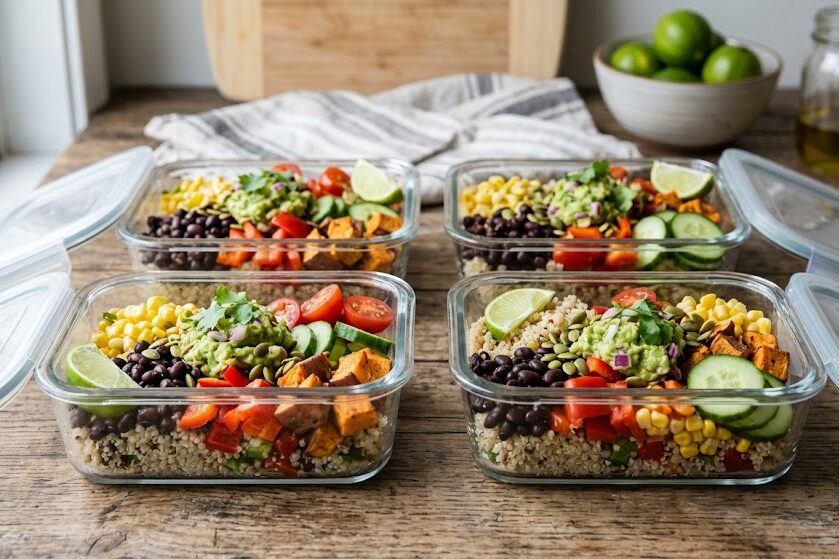
Meal prep quinoa bowls involve preparing grains, proteins, vegetables, and sauces separately for easy assembly throughout the week.
Moreover, quinoa bowls typically last 4–5 days in the refrigerator when stored properly in airtight containers — Source: FDA Food Storage Guidelines, 2025.
How Do You Meal Prep Quinoa Bowls for the Week?
Meal prep quinoa bowls save time while supporting healthier eating habits throughout busy weeks.
First, batch-cook quinoa once or twice weekly. This reduces daily cooking time dramatically.
Second, prepare versatile ingredients that work across multiple bowl styles. For example, roasted vegetables can fit Mediterranean, Mexican, or vegan bowls.
Best Meal Prep Strategies
- Store sauces separately
- Use glass meal prep containers
- Prep proteins in bulk
- Rotate toppings for variety
- Keep crunchy toppings separate
meal prep containers for healthy eating
How Long Do Quinoa Bowls Last in the Refrigerator?
Quinoa bowls generally stay fresh for 4–5 days when refrigerated below 40°F.
However, ingredients like avocado and leafy greens may lose freshness faster. Adding delicate toppings just before eating improves texture and appearance.
Can You Freeze Quinoa Bowls?
Cooked quinoa freezes very well for up to 2 months.
For example, freezing quinoa separately from vegetables and sauces helps maintain texture after reheating.
What Are the Best Tools, Apps, and Practical Examples for Quinoa Bowls?
The best quinoa bowl tools simplify meal prep, cooking, storage, and nutrition tracking.
Helpful Kitchen Tools
- Rice cooker or Instant Pot
- Sheet pans for roasting
- Glass meal prep containers
- Sharp chef’s knife
- Food scale
Useful Meal Prep Apps
Apps help track nutrition, meal planning, and grocery organization.
Popular options include:
- MyFitnessPal
- Cronometer
- Mealime
- Yazio
For example, MyFitnessPal helps estimate protein and calorie intake for custom quinoa bowls.
Example Quinoa Bowl Combinations
| Bowl Style | Main Protein | Vegetables | Sauce |
|---|---|---|---|
| Mediterranean | Chicken | Cucumber, tomato | Lemon tahini |
| Vegan | Chickpeas | Kale, sweet potato | Garlic tahini |
| Mexican | Black beans | Corn, peppers | Chipotle yogurt |
| Breakfast | Greek yogurt | Berries, banana | Almond butter |
| Asian-Inspired | Tofu | Edamame, cabbage | Peanut sauce |
What Should You Try Next After Learning Quinoa Bowls?
Healthy eating becomes easier when you expand beyond one meal style and experiment with related recipes.
First, explore other grain bowl variations like farro bowls, brown rice bowls, or couscous bowls.
Second, test different global flavor profiles. For example, Mediterranean, Asian, and Mexican seasonings can completely transform quinoa bowl experiences.
Related Healthy Meal Ideas
- Mediterranean diet meals
- Plant-based meal prep
- High-protein lunch recipes
- Gluten-free dinner bowls
- Vegetarian power bowls
How to Keep Quinoa Bowls Interesting
Rotating textures, sauces, and proteins prevents boredom.
For example, crunchy roasted chickpeas, creamy avocado, and tangy yogurt sauces create contrast that makes bowls more satisfying.
Additionally, seasonal ingredients improve freshness and variety year-round.
Conclusion
Quinoa bowls are one of the easiest ways to build healthy, balanced, and customizable meals at home. By combining quinoa with vegetables, proteins, healthy fats, and flavorful toppings, you can create satisfying bowls that support weight management, meal prep goals, and overall nutrition.
Moreover, quinoa bowls work for nearly every eating style, including vegan, vegetarian, Mediterranean, and gluten-free diets. Whether you want quick lunches, high-protein dinners, or simple meal prep solutions, quinoa bowls offer endless flexibility.
Start with one simple bowl combination, experiment with sauces and toppings, and gradually build your own healthy bowl formula. Small changes in your meal routine can create long-term healthy eating habits.
Written by: Suraj | 5+ years blogging experience specializing in healthy eating, nutrition trends, and SEO-driven wellness content.
Reviewed by: Editorial Nutrition & Wellness Review Team | Expertise in healthy meal planning, fitness nutrition, and evidence-based dietary research.
Disclaimer: This article was initially drafted using AI assistance. However, the content has undergone thorough revisions, editing, and fact-checking by human editors and subject matter experts to ensure accuracy.