

You probably know that what you eat affects how you feel during a workout. However, many people focus on post-workout nutrition and overlook the critical role a pre workout snack plays in energy and performance. In this guide, you’ll learn exactly what to eat before exercise, when to eat it, and how to choose the best pre workout snack for your specific fitness goals.
Key Takeaways
- A pre workout snack is a small meal eaten before exercise to provide energy and support workout performance.
- Carbohydrates are the primary fuel source for most workouts and should form the foundation of many pre workout snacks.
- Protein can help support muscle maintenance and recovery when included before training.
- Workout timing influences snack selection, with lighter snacks working best closer to exercise.
- Fitness goals should guide pre workout snack choices for fat loss, muscle gain, or endurance improvement.
- High-fat and high-fiber foods may increase the risk of digestive discomfort during exercise.
- Consistent pre workout nutrition can improve energy levels, training quality, and long-term fitness results.
What Is a Pre Workout Snack and Why Is It Important?
A pre workout snack is a small meal consumed before exercise to provide energy, support performance, and reduce fatigue during training.
First, a pre workout snack differs from a full pre workout meal because it is typically smaller, easier to digest, and eaten closer to exercise. For example, a banana with peanut butter 45 minutes before training is a snack, while a chicken-and-rice meal eaten three hours earlier is a full meal.
Moreover, pre workout nutrition involves consuming carbohydrates, protein, and fluids before exercise to optimize physical performance. This nutritional approach helps ensure your muscles have access to energy during training.
What Is the Difference Between a Pre Workout Snack and a Pre Workout Meal?
A pre workout snack is usually consumed 30–90 minutes before exercise and contains 100–300 calories. A pre workout meal is larger, contains more calories, and is typically eaten 2–4 hours before activity.
| Factor | Pre Workout Snack | Pre Workout Meal |
|---|---|---|
| Timing | 30–90 minutes before | 2–4 hours before |
| Size | Small | Moderate to large |
| Digestion Speed | Fast | Slower |
| Calories | 100–300 | 300–700+ |
| Best For | Quick energy | Sustained energy |
Additionally, many active individuals combine both approaches by eating a meal several hours before training and a small snack shortly before exercise.
Why Does a Pre Workout Snack Matter?
A pre workout snack matters because it helps improve energy production, endurance, workout quality, and recovery.
First, carbohydrates stored as glycogen are the body’s primary fuel source during moderate- and high-intensity exercise. Research shows that carbohydrate availability significantly influences exercise performance — Source: American College of Sports Medicine, 2024.
Improved Energy Production
Moreover, carbohydrates are the body’s preferred fuel source for moderate- to high-intensity exercise and are commonly recommended before workouts. When glycogen stores are adequate, you can train harder and maintain intensity longer.
For example, runners often notice improved pace consistency when they consume carbohydrates before long sessions.
Better Endurance
Furthermore, endurance athletes benefit greatly from strategic pre workout nutrition. Studies show carbohydrate intake before endurance exercise can improve performance and delay fatigue — Source: International Society of Sports Nutrition, 2023.
For more endurance-related guidance, explore our guide on benefits of zone 2 cardio training
Muscle Preservation
Additionally, including protein before training may help reduce muscle protein breakdown during exercise. For example, Greek yogurt, whey protein, or milk-based smoothies provide amino acids that support muscle tissue.
For more details, see our guide on protein intake for muscle growth.
Reduced Fatigue and Better Recovery
Finally, a balanced pre workout snack can improve energy availability, training quality, and workout consistency. Pairing pre-workout and post-workout nutrition can further support recovery and performance adaptations.
For recovery strategies.
When Should You Eat a Pre Workout Snack Before Exercise?
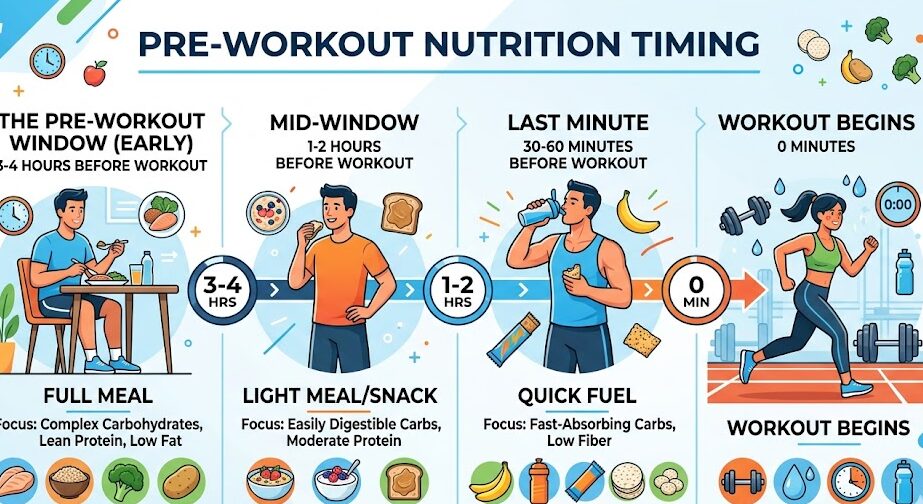
The ideal pre workout snack timing depends on meal size, but most snacks are consumed 30 to 90 minutes before exercise.
30 Minutes Before a Workout
First, snacks eaten within 30 minutes should be small and easy to digest.
Examples include:
- Banana
- Sports drink
- Applesauce
- Dates
- Energy gel
These foods provide quick carbohydrates without causing stomach discomfort.
60 Minutes Before a Workout
Second, one hour before training allows for slightly larger snacks.
Examples include:
- Greek yogurt and berries
- Rice cakes with nut butter
- Protein smoothie
- Whole grain toast with honey
These options offer a balance of carbohydrates and protein.
2–3 Hours Before a Workout
Third, if you have more time, you can eat a complete meal.
Examples include:
- Oatmeal with fruit and yogurt
- Chicken with rice
- Turkey sandwich
- Sweet potato and lean protein
Timing Based on Workout Intensity
| Workout Type | Recommended Timing |
|---|---|
| Light walking | Optional snack |
| Strength training | 60–90 minutes |
| Running | 30–60 minutes |
| HIIT | 60 minutes |
| Long cycling | 60–120 minutes |
| Sports competition | 2–3 hours |
What Nutrients Should Be Included in a Pre Workout Snack?
A healthy pre workout snack should primarily contain carbohydrates, moderate protein, and adequate fluids.
Carbohydrates for Energy
First, carbohydrates supply readily available energy for exercise. The International Society of Sports Nutrition recommends carbohydrate intake before moderate and high-intensity training sessions — Source: ISSN, 2023.
Examples include:
- Bananas
- Oats
- Rice cakes
- Toast
- Dates
- Fruit
Protein for Muscle Support
Second, protein supports muscle maintenance and recovery. Consuming protein before exercise may increase amino acid availability during training.
Examples include:
- Greek yogurt
- Protein shakes
- Cottage cheese
- Milk
- Lean turkey
Hydration Considerations
Moreover, hydration is an essential part of pre workout nutrition. Even mild dehydration can negatively impact performance and perceived effort — Source: National Academy of Sports Medicine, 2024.
For additional guidance.
Foods to Limit Before Exercise
Furthermore, foods high in fat and excessive fiber may slow digestion and increase the risk of gastrointestinal discomfort during exercise.
Examples include:
- Fried foods
- Heavy cream sauces
- Large portions of nuts
- High-fiber beans immediately before training
What Are the Best Pre Workout Snacks for Energy?
The best pre workout snack is one that provides easily digestible energy while matching an individual’s fitness goals, workout intensity, and schedule.
Top Pre Workout Snack Ideas
- Banana with peanut butter
- Greek yogurt and berries
- Oatmeal and fruit
- Rice cakes with nut butter
- Protein smoothie
- Dates and nuts
- Whole grain toast with honey
- Homemade energy bites
For additional ideas, visit healthy snacks for active lifestyles.
Is a Protein Shake a Good Pre Workout Snack?
A protein shake can be an effective pre workout snack when combined with carbohydrates.
For example, whey protein blended with a banana provides both muscle-supporting protein and workout fuel. This combination works especially well when you have limited time before exercise.
What Is the Best Pre Workout Snack for Weight Loss?
The best pre workout snacks for weight loss provide energy while helping control overall calorie intake.
Examples include:
- Greek yogurt with berries
- Apple slices with peanut butter
- Protein smoothie
- Rice cakes with cottage cheese
Moreover, eating before workouts may improve exercise intensity, helping you burn more calories during training.
For additional fat-loss strategies, read fat burning workout strategies.
What Are the Best Pre Workout Snacks for Muscle Gain?
The best pre workout snacks for muscle gain combine carbohydrates with protein to support training performance and muscle growth.
Examples include:
- Oatmeal with protein powder
- Turkey sandwich
- Greek yogurt and granola
- Banana with whey protein shake
Furthermore, resistance training quality directly impacts muscle-building potential. For workout programming, explore best dumbbells leg workout routine.
Are Carbohydrates Necessary Before a Workout?
Carbohydrates are not always mandatory, but they are often beneficial for performance during moderate- and high-intensity exercise.
First, glycogen serves as the primary fuel source for activities such as weightlifting, running, cycling, and team sports. For example, athletes performing repeated high-intensity efforts often experience better performance when carbohydrate stores are adequate.
Moreover, carbohydrate intake before exercise can improve endurance and reduce perceived fatigue — Source: ACSM, 2024.
Can You Exercise on an Empty Stomach?
Exercising on an empty stomach can work for some individuals, but it is not universally beneficial.
First, some people comfortably perform low-intensity activities such as walking or light cardio while fasted. For example, a 20-minute morning walk may not require a pre workout snack.
However, higher-intensity workouts often benefit from pre exercise nutrition because energy demands are greater. Many people report improved strength, endurance, and concentration after consuming a light snack before training.
What Foods Should You Avoid Before a Workout?
Foods to avoid before a workout are typically those that digest slowly or cause gastrointestinal discomfort.
Examples include:
- Fried foods
- Fast food meals
- Excessive cheese
- Large servings of nuts
- Heavy desserts
- Very spicy foods
Additionally, experimenting with unfamiliar foods immediately before an important workout is risky. For example, trying a new energy supplement before race day may cause digestive issues.
How Does a Pre Workout Snack Affect Athletic Performance?
A pre workout snack affects athletic performance by supporting energy availability, delaying fatigue, and improving training quality.
Research consistently shows that carbohydrate availability influences endurance performance and repeated high-intensity efforts — Source: ISSN, 2023.
Pre Workout Snacks for Running and Endurance Training
First, runners and endurance athletes typically benefit from carbohydrate-focused snacks.
Examples include:
- Banana
- Oatmeal
- Toast with honey
- Energy chews
- Sports drink
For running preparation.
For cyclists.
Pre Workout Snacks for HIIT and Functional Fitness
Second, HIIT workouts require rapid energy production. Therefore, combining carbohydrates with moderate protein often works best.
How Much Should You Eat Before a Workout?
The amount you should eat before a workout depends on timing, body size, and workout intensity.
Quick Reference Guide
| Time Before Workout | Snack Size |
|---|---|
| 30 minutes | Small |
| 60 minutes | Small to moderate |
| 2 hours | Moderate |
| 3+ hours | Full meal |
Generally, the closer you are to exercise, the smaller and easier-to-digest your snack should be.
Tools, Resources, and Practical Applications
Pre workout nutrition becomes easier when you use tracking and planning tools consistently.
Useful Nutrition Tools
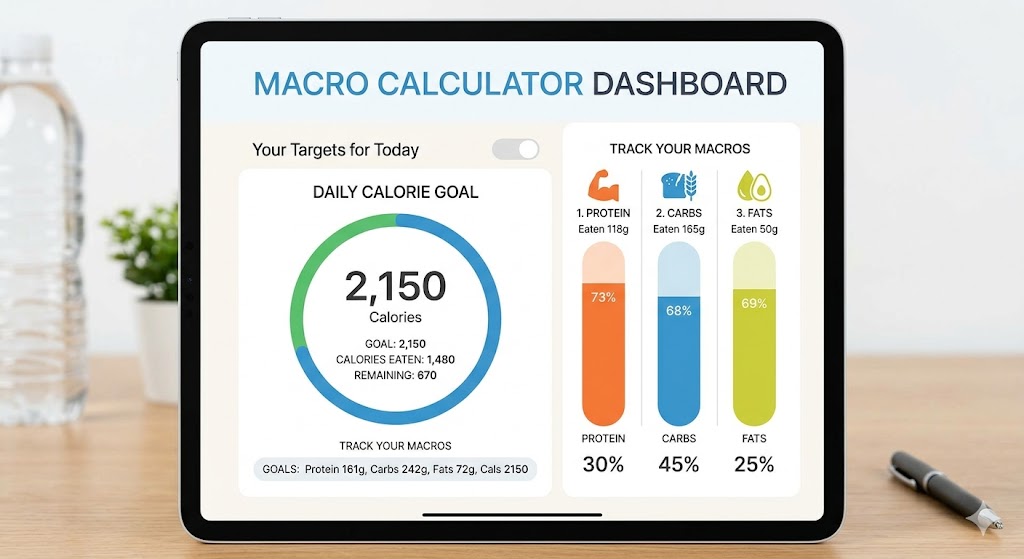
- Macro calculators
- MyFitnessPal
- Cronometer
- Garmin Connect
- Apple Fitness
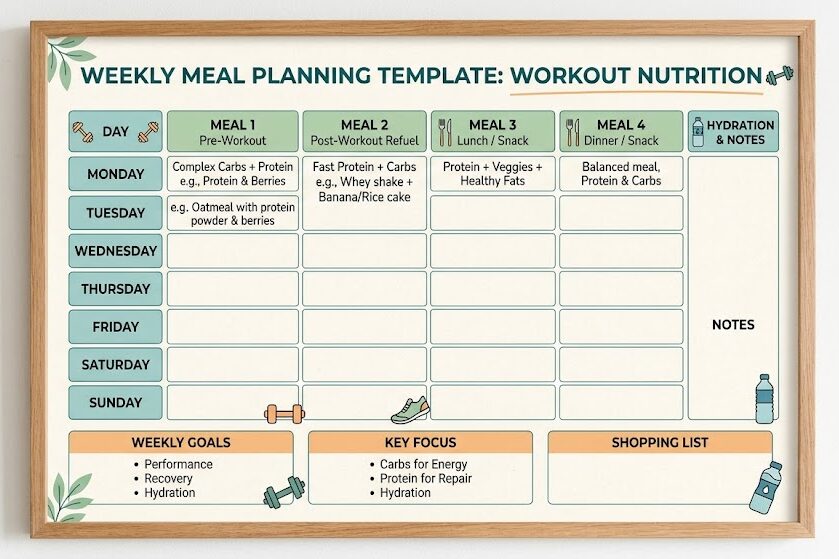
- Google Sheets meal planners

Sample Pre Workout Snack Schedule
| Workout Time | Snack Example |
|---|---|
| 6:00 AM | Banana + whey protein |
| 12:00 PM | Greek yogurt + berries |
| 5:00 PM | Rice cakes + nut butter |
| 7:00 PM | Toast + honey |
What’s Next? Building a Complete Workout Nutrition Strategy
A complete workout nutrition strategy combines pre workout fueling, post-workout recovery, hydration, and long-term consistency.
First, start by tracking your energy levels during workouts. For example, note whether certain snacks improve endurance, focus, or strength performance.
Second, create a personalized nutrition plan based on your goals. Whether your priority is fat loss, muscle gain, or endurance, your snack choices should align with that objective.
By consistently evaluating performance and adjusting nutrition habits, you can develop a sustainable strategy that supports long-term results.
Conclusion
A pre workout snack is a simple but powerful tool for improving energy, performance, endurance, and recovery. The best approach is to prioritize carbohydrates, include protein when appropriate, stay hydrated, and choose foods that fit your schedule and fitness goals.
Most importantly, experiment with different snack combinations and timing strategies until you discover what works best for your body. Small nutritional improvements practiced consistently can lead to significantly better workouts and long-term fitness success.
FAQse-workout snack?
A pre-workout snack is a small meal or snack eaten before exercise to provide energy, improve performance, and support endurance during workouts.
Why is a pre-workout snack important?
A pre-workout snack can help fuel your workout, maintain energy levels, and reduce the likelihood of fatigue during exercise.
What are the best foods for a pre-workout snack?
Popular options include bananas, oatmeal, yogurt, fruit, whole-grain toast, protein shakes, and nut butter.
How long before a workout should you eat a pre-workout snack?
Most people eat a pre-workout snack 30–90 minutes before exercise, depending on the size and composition of the meal.
Should a pre-workout snack include protein?
Yes, including some protein may help support muscle recovery and performance, especially for strength-training workouts.
Are carbohydrates important in a pre-workout snack?
Yes, carbohydrates are the body’s preferred energy source and can help fuel exercise performance.
Can you work out on an empty stomach?
Some people can exercise fasted, but many perform better with a light pre-workout snack that provides energy and nutrients.
What is a good pre-workout snack for weight loss?
A balanced snack with protein and complex carbohydrates, such as Greek yogurt with fruit or oatmeal, can support energy while fitting into weight-loss goals.
What foods should you avoid before a workout?
Heavy, greasy, high-fat, or very spicy foods may cause discomfort and affect workout performance.
Can a pre-workout snack improve workout results?
Yes, proper pre-workout nutrition may help improve energy, endurance, focus, and overall training performance.