
Introduction
Pimpri-Chinchwad, one of Maharashtra’s fastest-growing urban hubs, has been battling a recurring crisis every monsoon—flooding. From submerged roads to evacuated families, each heavy downpour exposes the cracks in the city’s urban planning and infrastructure. Despite being an industrial and IT powerhouse, the city struggles with clogged drains, encroachments, and poor preparedness, leaving thousands of residents vulnerable to nature’s fury.
In this blog, we’ll take a closer look at the recent floods in Pimpri-Chinchwad, their underlying causes, and the urgent steps needed to prevent such disasters in the future.
Recent Flood Events in Pimpri-Chinchwad
1. The June 2024 Deluge
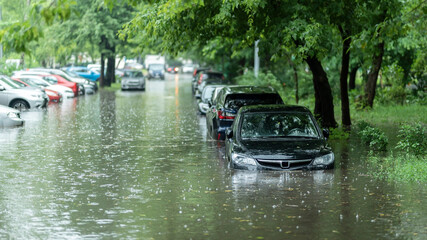
On June 23, 2024, the city recorded a staggering 114 mm of rainfall in just one hour. Roads turned into rivers, underpasses were submerged, and power supply was cut in several areas. Internet outages hit IT professionals working from home, highlighting how a climate event can disrupt both daily life and business continuity.
2. May 2025 Rain Havoc
In May 2025, torrential rainfall once again left underpasses in Chinchwad and Akurdi waterlogged. Traffic came to a halt, vehicles broke down mid-road, and civic authorities were criticized for poor monsoon preparedness. Residents complained that despite yearly assurances, the same spots flood every monsoon.
3. Persistent Waterlogging in Chikhali
For residents of Gharkul Housing Society in Chikhali, flooding is not just a seasonal inconvenience—it’s a yearly nightmare. Parking areas and lift shafts get submerged, making life unsafe and uncomfortable. Despite upgrades in drainage pipelines, issues persist, proving that stopgap measures are not enough.
4. The August 2025 Dam Emergency
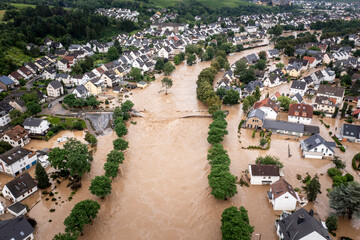
Heavy rainfall in August 2025 led to emergency water releases from Khadakwasla and Pavana dams.
- Around 950 residents were evacuated to relief centers.
- The historic Morya Gosavi Temple was submerged.
- The Pavana Dam discharge peaked at 15,570 cusecs, raising red alerts across riverside settlements.
This was a stark reminder that flood management cannot be limited to city drains alone—it requires regional coordination with dam authorities.
Why Does Pimpri-Chinchwad Flood So Easily?
- Blocked Drainage and Encroachments
- Encroachments on nullahs and illegal constructions choke natural water channels.
- Poorly maintained drainage lines overflow even with moderate rains.
- Industrial Zone Vulnerability
- Areas like Bhosari MIDC face repeated flooding due to solid waste dumping and inadequate culverts.
- Highway and Service Road Blockages
- Along NH-48, clogged culverts worsen flooding, disrupting intercity travel and logistics.
- Governance Gaps in Suburbs like Hinjewadi
- With multiple governing bodies and lack of unified planning, IT zones suffer heavily from waterlogging, affecting both residents and companies.
The Human Side of the Crisis
Floods are more than just an infrastructural problem—they are human tragedies.
- Families lose belongings every year.
- Commuters risk their lives crossing flooded underpasses.
- Children’s education gets disrupted when schools shut due to waterlogging.
- Small businesses face inventory damage and revenue loss.
For many low-income families living near riverbanks, evacuation means temporary homelessness and weeks of uncertainty.
Civic Measures Taken So Far
- Evacuation centers set up with food, water, and healthcare.
- Pipeline upgrades in Chikhali and Akurdi.
- Demolition drives against encroachments on nullahs.
- Drain-cleaning operations launched before monsoon.
While these are steps in the right direction, experts argue they are reactive rather than preventive.
The Road Ahead: Building a Flood-Resilient Pimpri-Chinchwad
- Strengthening Drainage Systems
- Regular desilting of nullahs.
- Widening of stormwater drains in high-risk zones.
- Smart Flood Monitoring
- IoT-based sensors to track water levels in real time.
- Mobile alerts for residents in flood-prone areas.
- Stricter Urban Planning
- Ban on construction near riverbeds and water bodies.
- Relocation of residents from highly vulnerable areas.
- Collaboration with Dam Authorities
- Real-time coordination between PCMC and dam management to ensure controlled water releases.
- Community Awareness
- Flood drills, awareness campaigns, and active participation of citizens in reporting blocked drains.
Conclusion
The floods of Pimpri-Chinchwad are not just acts of nature—they are the result of years of unchecked urbanization and civic negligence. As climate change intensifies, such extreme weather events will become more frequent. The choice before Pimpri-Chinchwad is clear: either continue with short-term fixes or invest in long-term resilient urban planning that prioritizes its people’s safety.
For a city that dreams of being a global industrial and IT hub, tackling floods effectively is not optional—it’s essential.