
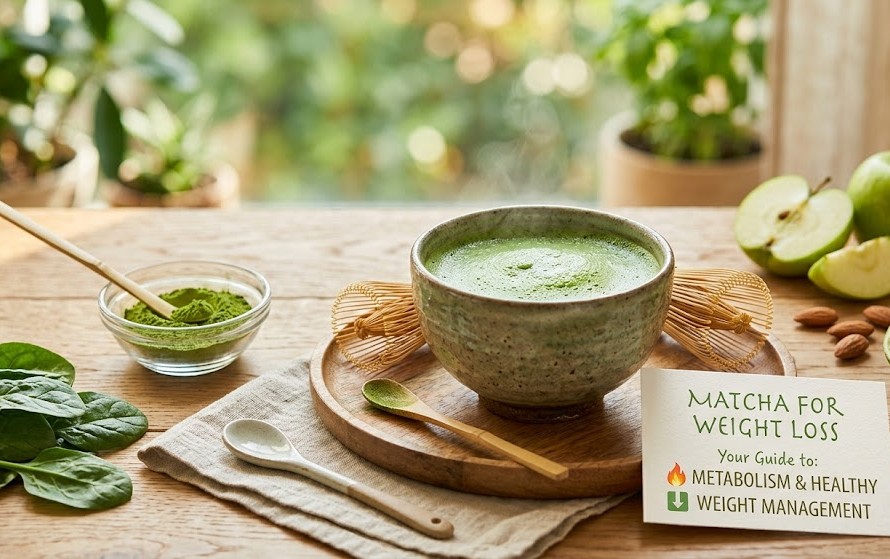
You’ve probably heard that matcha is one of the most popular wellness drinks for people trying to lose weight. What many people don’t realize is that the benefits depend on far more than simply drinking a cup of matcha every day. In this guide, you’ll learn what science says about matcha and weight loss, how it works, when to drink it, and how to use it effectively as part of a healthy lifestyle.
Key Takeaways
- Matcha is a powdered form of green tea that contains concentrated antioxidants and natural caffeine.
- Catechins in matcha may support fat oxidation and metabolic function when combined with a healthy lifestyle.
- Unsweetened matcha can replace high-calorie beverages and support weight-management goals.
- Matcha before exercise may enhance fat-burning potential during physical activity.
- Healthy habits such as nutrition, exercise, sleep, and calorie management remain essential for long-term weight loss.
- Premium-grade matcha generally provides better flavor and antioxidant content than lower-quality alternatives.
- Matcha is supportive, not magical, and works best as part of a sustainable weight-loss plan.
What Is Matcha and How Does It Differ From Green Tea?
Matcha is a powdered form of green tea made from whole tea leaves, providing a higher concentration of antioxidants than traditional brewed green tea.
First, matcha differs from regular green tea because you consume the entire tea leaf in powdered form rather than simply steeping leaves in water. This process allows you to ingest higher amounts of beneficial compounds such as catechins, chlorophyll, and caffeine.
For example, traditional green tea leaves are discarded after brewing, while matcha powder remains in the drink. This difference contributes to matcha’s reputation as a nutrient-dense beverage.
Matcha contains EGCG, caffeine, amino acids, and antioxidants that may support overall wellness.
| Feature | Matcha | Regular Green Tea |
|---|---|---|
| Preparation | Powder mixed into water | Leaves steeped in water |
| Antioxidant Concentration | Higher | Moderate |
| Caffeine Content | Higher | Lower |
| Whole Leaf Consumption | Yes | No |
| Weight Loss Support Potential | Higher | Moderate |
Statistic: Green tea and tea-based beverages remain among the most consumed functional drinks worldwide — Source: International Tea Committee, 2024.
Why Does Matcha Matter for Weight Loss and Overall Health?
Matcha matters for weight loss because it combines antioxidants, caffeine, and beneficial plant compounds that may support healthy metabolic function.
Second, many people struggle with weight management because they consume excessive calories from sugary drinks. Replacing these beverages with unsweetened matcha can help reduce overall calorie intake.
For example, swapping a daily 300-calorie flavored coffee drink for plain matcha may reduce weekly calorie consumption significantly.
Replacing high-calorie sugary drinks with unsweetened matcha can help reduce overall daily calorie intake.
Statistic: Sugar-sweetened beverages contribute substantially to excess calorie consumption in many adults — Source: World Health Organization, 2024.
Moreover, matcha provides additional wellness benefits beyond weight management, including antioxidant support and natural energy enhancement.
Matcha supports overall wellness while complementing healthy weight-management efforts.
Does Matcha Really Help With Weight Loss?
Matcha may help support weight loss, but it does not cause significant weight loss on its own.
First, weight loss occurs when your body consistently uses more calories than it consumes. Matcha may assist this process by supporting fat oxidation, exercise performance, and calorie control habits.
For example, someone who combines matcha consumption with regular exercise and balanced nutrition may experience better results than someone relying solely on matcha.
Matcha can support weight-management goals, but it does not cause significant weight loss on its own.
Statistic: Research has associated green tea catechins with modest improvements in body composition when combined with lifestyle changes — Source: National Institutes of Health, 2024.
How Matcha Fits Into a Weight-Loss Plan
First, matcha works best when paired with:
- Calorie awareness
- Regular physical activity
- Adequate sleep
- Stress management
- Consistent hydration
For example, pairing matcha with a beginner fitness routine may improve adherence to healthy habits.
How Does Matcha Support Fat Burning and Metabolism?
Matcha may support fat burning and metabolism through its combination of catechins and natural caffeine.
First, catechins are plant compounds that may increase fat oxidation during physical activity. Meanwhile, caffeine may temporarily increase energy expenditure and alertness.
Weight loss support from matcha primarily comes from catechins and caffeine, which may help increase fat oxidation and energy expenditure.
For example, consuming matcha before a workout may encourage your body to use stored fat more efficiently during exercise.
What Is EGCG and Why Is It Important for Weight Management?
EGCG is the most researched catechin in matcha and has been linked to enhanced fat metabolism.
Second, EGCG stands for epigallocatechin gallate, a powerful antioxidant found in green tea and matcha. Researchers frequently study EGCG because of its potential role in supporting fat oxidation.
EGCG is the most studied catechin in matcha and has been associated with enhanced fat metabolism when combined with exercise and a calorie-controlled diet.
Statistic: Numerous clinical studies have investigated EGCG’s role in metabolism and energy expenditure — Source: NIH Office of Dietary Supplements, 2024.
Can Matcha Increase Metabolism and Calorie Expenditure?
Matcha may slightly increase metabolism and calorie expenditure for a limited period after consumption.
Moreover, caffeine stimulates the central nervous system, which can increase alertness and modestly elevate calorie burning.
For example, drinking matcha before a brisk walk or workout may contribute to slightly greater energy expenditure compared to remaining sedentary.
Drinking matcha before physical activity may increase the body’s use of fat as a fuel source during exercise.
Can Matcha Help Reduce Hunger and Food Cravings?
Matcha may help reduce hunger and food cravings by promoting satiety and providing steady energy.
First, matcha contains L-theanine, an amino acid that may support focus and calmness. Combined with caffeine, it can create a smoother energy experience compared to highly sweetened energy drinks.
For example, some people find that drinking matcha between meals helps reduce unnecessary snacking.
Matcha and Emotional Eating
Matcha may indirectly support healthier eating habits by encouraging mindful consumption.
Additionally, replacing sugary beverages with matcha can reduce blood sugar spikes that often trigger cravings later in the day.
Statistic: Behavioral nutrition research consistently links liquid calories to increased total daily calorie intake — Source: Harvard T.H. Chan School of Public Health, 2024.
When Is the Best Time to Drink Matcha for Weight Loss?
The best time to drink matcha for weight loss is generally before exercise or during the morning hours.
First, morning consumption may provide natural energy without excessive sugar. This can support productivity and encourage healthier daily choices.
Matcha Before a Workout
Matcha before a workout may enhance fat-burning potential during physical activity.
For example, drinking matcha 30–60 minutes before exercise may help support energy and focus during training sessions.
Matcha With Breakfast
Matcha with breakfast can help create a balanced and satisfying morning routine.
For example, pairing matcha with protein-rich foods such as eggs, Greek yogurt, or oats may support appetite control throughout the day.
How Much Matcha Should You Drink Daily?
Most healthy adults can enjoy 1–3 cups of matcha per day as part of a balanced diet.
First, matcha contains caffeine, so moderation remains important. Excessive intake may lead to jitters, anxiety, or sleep disruption.
For example, beginners may start with one serving daily and gradually increase if tolerated.
Typical Daily Intake Guidelines
| Goal | Suggested Amount |
|---|---|
| General Wellness | 1 cup daily |
| Weight Management Support | 1-2 cups daily |
| Active Lifestyle | Up to 3 cups daily |
| Sensitive to Caffeine | ½-1 cup daily |
Statistic: Health authorities generally recommend monitoring total daily caffeine intake from all sources — Source: U.S. FDA, 2024.
Is Matcha Better Than Coffee for Weight Loss?
Matcha and coffee can both support weight-loss efforts, but they work differently.
First, coffee typically contains more caffeine and stronger stimulation. Matcha offers caffeine alongside L-theanine, which may produce smoother energy.
For example, people sensitive to coffee crashes may prefer matcha as an alternative.
| Factor | Matcha | Coffee |
|---|---|---|
| Energy Boost | Moderate | Strong |
| Antioxidants | Very High | High |
| L-Theanine | Yes | No |
| Fat Oxidation Support | Potential | Potential |
| Jitters Risk | Lower | Higher |
Can Matcha Help Reduce Belly Fat?
Matcha may support overall fat loss, but it cannot specifically target belly fat.
First, spot reduction is largely a myth. Your body determines where fat is lost based on genetics, hormones, and overall energy balance.
For example, reducing body fat generally requires consistent nutrition and exercise rather than focusing on one specific food or beverage.
No beverage can selectively remove belly fat without broader lifestyle changes.
What Are the Side Effects of Drinking Too Much Matcha?
Excessive matcha consumption may cause caffeine-related side effects in some individuals.
First, drinking large amounts of matcha may contribute to:
- Jitters
- Nervousness
- Increased heart rate
- Digestive discomfort
- Sleep disruption
For example, consuming multiple servings late in the evening may negatively affect sleep quality.
Which Type of Matcha Is Best for Weight Loss?
High-quality ceremonial or premium-grade matcha is generally the best choice for regular consumption.
First, higher-quality matcha typically contains better flavor, smoother texture, and superior antioxidant content.
For example, bright green powder often indicates fresher and higher-quality matcha compared to dull or yellowish powders.
Signs of Quality Matcha
- Vibrant green color
- Fine powder texture
- Fresh grassy aroma
- Minimal bitterness
- Reputable sourcing information
Matcha Recipes and Practical Ways to Use It
Matcha can be incorporated into many healthy recipes beyond traditional tea preparation.
First, versatility makes matcha easier to include in a daily routine.
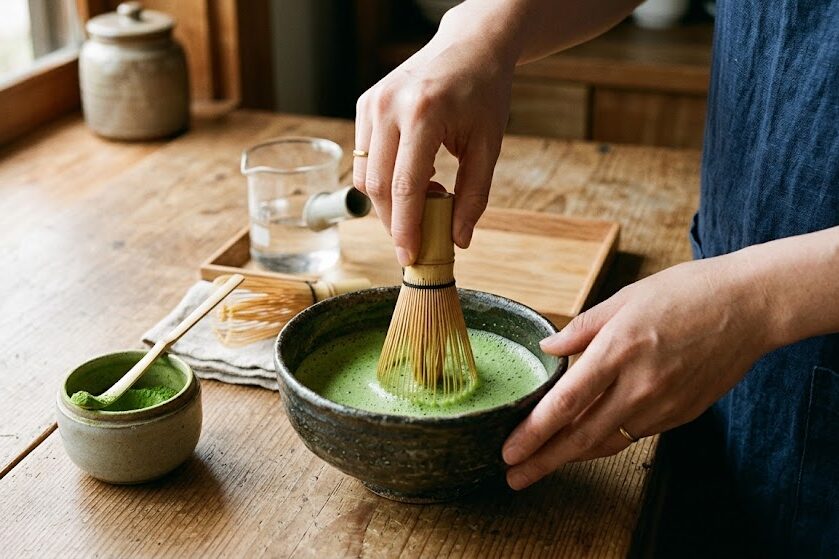
Simple Matcha Tea
- Add 1 teaspoon matcha powder.
- Add hot water (not boiling).
- Whisk until frothy.
- Enjoy unsweetened.
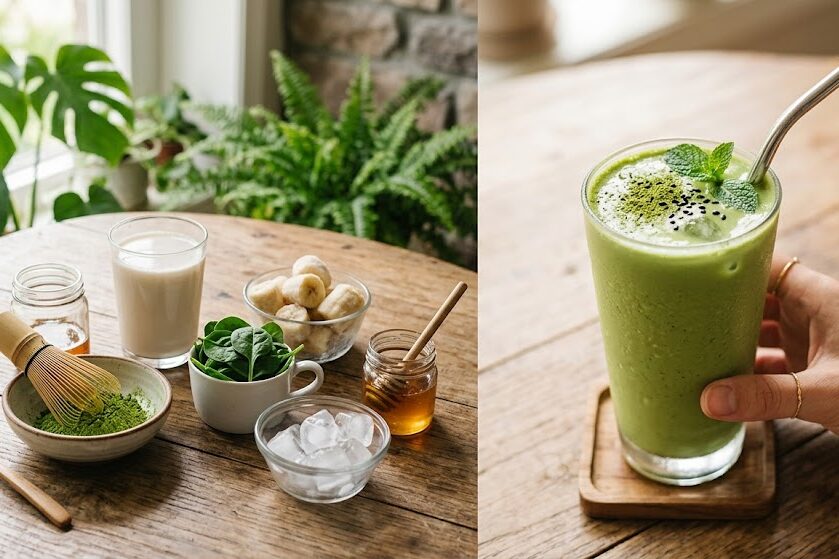
Matcha Smoothie
- Matcha powder
- Spinach
- Protein source
- Unsweetened milk
- Frozen fruit
Matcha Overnight Oats
- Oats
- Greek yogurt
- Matcha powder
- Chia seeds
Who Should Avoid Matcha or Limit Consumption?
Certain individuals should limit matcha intake due to caffeine sensitivity or medical considerations.
First, people who are highly sensitive to caffeine may experience unwanted side effects even from moderate amounts.
For example, individuals with certain heart conditions, anxiety disorders, or specific medication interactions should consult a healthcare professional before increasing caffeine intake.
Groups That May Need Extra Caution
- Caffeine-sensitive individuals
- Pregnant individuals
- People with certain heart conditions
- Individuals taking medications affected by caffeine
What Is the Best Matcha Weight-Loss Routine for Beginners?
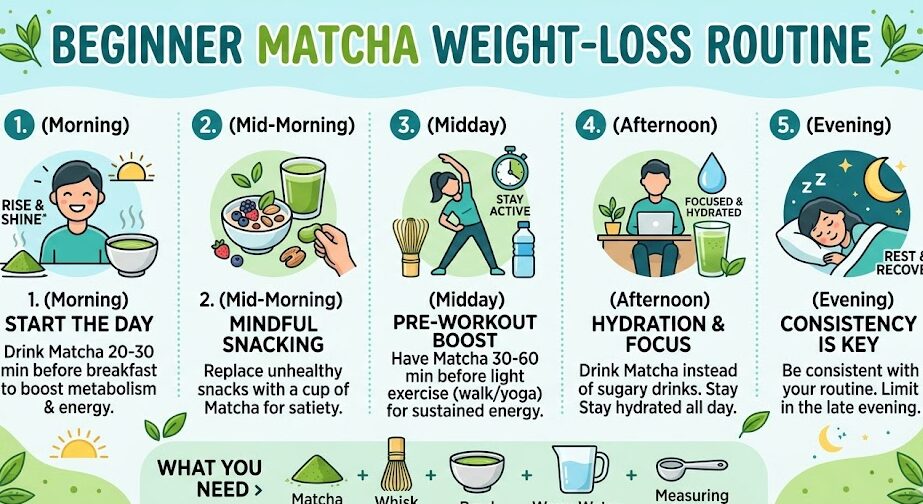
The best beginner matcha weight-loss routine combines matcha with healthy lifestyle habits.
First, consistency matters more than perfection. Small daily actions often produce better long-term results than extreme diets.
Beginner Routine Example
Morning:
- Drink 1 cup of matcha
- Eat a protein-rich breakfast
Afternoon:
- Stay hydrated
- Choose whole-food meals
Exercise:
- Consume matcha 30–60 minutes before workouts if desired
Lifestyle:
- Practice benefits of hatha yoga
- Prioritize sleep hygiene tips
- Focus on hydration for weight management
What Should You Do Next to Build a Sustainable Matcha-Based Weight-Loss Plan?
A sustainable matcha-based weight-loss plan focuses on habits rather than quick fixes.
First, begin by replacing one sugary beverage each day with unsweetened matcha. Next, pair matcha with balanced meals and regular exercise.
For example, creating a weekly nutrition strategy may improve consistency and reduce impulsive food choices.
Additionally, consider supporting overall wellness through healthy routines, movement, and recovery practices.
red light therapy and wellness
Conclusion
Matcha and weight loss are connected through the beverage’s unique combination of catechins, antioxidants, and natural caffeine. While matcha may support fat oxidation, metabolism, appetite management, and exercise performance, it is not a standalone solution.
Most importantly, sustainable weight loss depends on consistent nutrition, physical activity, sleep quality, and long-term lifestyle habits rather than any single food or beverage. By using matcha strategically and combining it with healthy daily behaviors, you can create a realistic and sustainable approach to weight management.
FAQ
What is matcha?
Matcha is a finely ground powder made from specially grown green tea leaves and is known for its high antioxidant content.
Can matcha help with weight loss?
Matcha may support weight loss by helping increase calorie burning and supporting a healthy metabolism when combined with a balanced diet and exercise.
How does matcha affect metabolism?
Matcha contains compounds such as catechins that may help support metabolic function and fat oxidation.
Is matcha better than regular green tea for weight loss?
Matcha typically contains higher concentrations of antioxidants and beneficial plant compounds because the entire tea leaf is consumed.
When is the best time to drink matcha for weight loss?
Many people drink matcha in the morning or before exercise to support energy levels and workout performance.
Can matcha help burn belly fat?
Matcha may support overall fat loss as part of a healthy lifestyle, but it does not specifically target belly fat.
Does matcha contain caffeine?
Yes, matcha contains caffeine, but it also contains L-theanine, which may promote a calmer and more sustained energy boost.
How much matcha should you drink daily?
Most people consume 1–2 servings per day, though individual tolerance to caffeine should be considered.
Can matcha replace coffee?
Yes, many people use matcha as an alternative to coffee because it provides caffeine along with antioxidants and L-theanine.
Are there any side effects of drinking matcha?
Excessive consumption may cause caffeine-related side effects such as jitters, headaches, or sleep disturbances in sensitive individuals.