
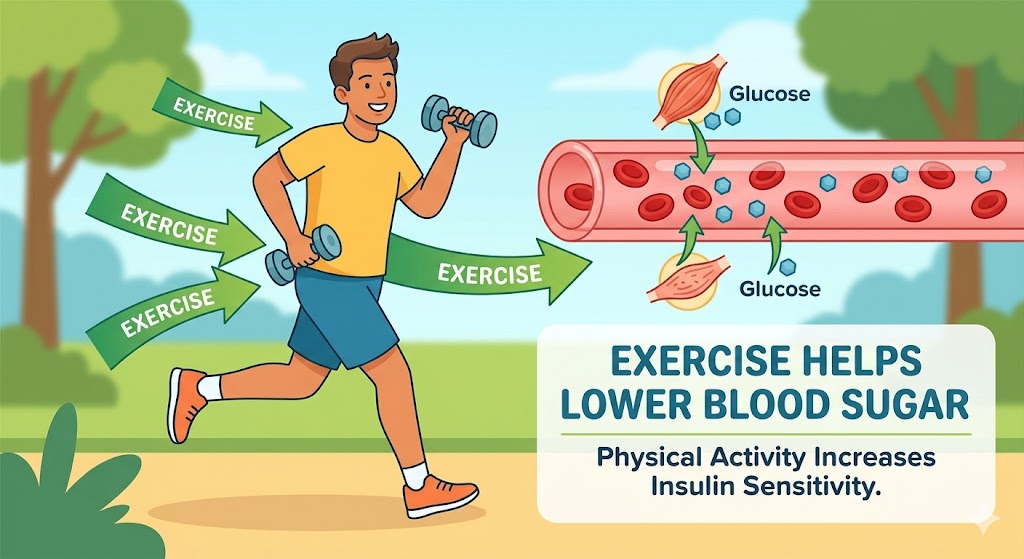
You already know exercise is good for your health, and you’ve probably heard it can help with blood sugar too. What many people miss is that the type, timing, and consistency of exercise can make a major difference. In this guide, you’ll learn exactly how exercise lowers blood sugar, which workouts work best, and how to start safely.
Key Takeaways
- Exercise often lowers blood sugar by helping muscles use glucose for energy and by improving insulin sensitivity.
- Walking after meals is one of the simplest ways to reduce post-meal blood sugar spikes.
- Strength training supports better glucose control by increasing muscle mass and glucose storage capacity.
- Short sessions count. Even 10-minute walks or movement breaks can improve blood sugar levels.
- Consistency matters more than intensity for long-term blood sugar management.
- Medication users should monitor glucose because exercise can increase the risk of low blood sugar.
- Exercise works best with nutrition, sleep, and stress control for full metabolic health.
What Is Blood Sugar and Does Exercise Lower Blood Sugar?
Blood sugar is the amount of glucose circulating in your bloodstream, and yes, exercise often lowers blood sugar. Glucose is your body’s main fuel source, especially for the brain and muscles. After you eat, carbohydrates break down into glucose and enter the blood.
First, your body uses insulin, a hormone made by the pancreas, to move glucose from the bloodstream into cells. When this process works well, blood sugar stays in a healthy range. When it does not, blood sugar can stay elevated.
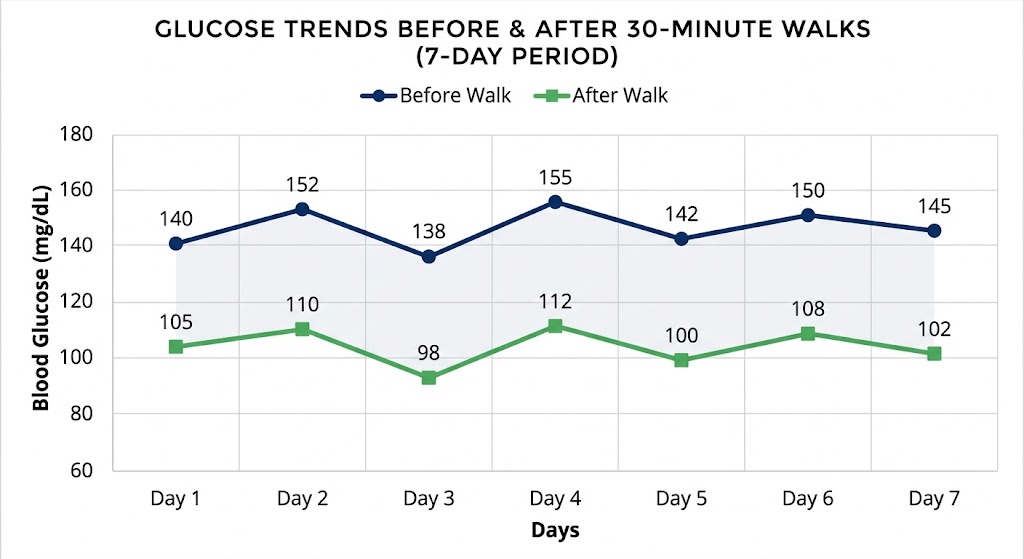
Second, exercise helps because working muscles pull glucose from the blood for energy. This can happen during movement and after the workout ends. For example, a brisk 15-minute walk after lunch may lower the usual post-meal spike.
Moreover, exercise often lowers blood sugar because working muscles use glucose for energy and become more sensitive to insulin. That means your body can manage glucose more efficiently over time.
how to lower blood sugar naturally
Why Does Lowering Blood Sugar Matter for Health?
Lowering high blood sugar matters because chronically elevated glucose can damage blood vessels, nerves, and organs over time. Stable blood sugar supports better energy, better mood, and better long-term health.
First, high blood sugar is linked to insulin resistance, where cells stop responding well to insulin. This can increase the risk of prediabetes and Type 2 diabetes. According to the International Diabetes Federation, over 537 million adults live with diabetes worldwide — Source: IDF, 2021.
Second, blood sugar control helps protect the heart. People with poorly managed glucose levels have a higher risk of heart disease and stroke — Source: American Heart Association, 2023.
In addition, stable glucose may reduce cravings and energy crashes. For example, many people feel sleepy or hungry after a large sugary meal because blood sugar rises fast and then drops quickly.
best foods for stable blood sugar
prediabetes warning signs
How Does Exercise Lower Blood Sugar in the Body?
Exercise lowers blood sugar through immediate glucose use and long-term metabolic adaptation. Both effects matter.
Muscle Glucose Uptake
First, contracting muscles can absorb glucose even with less insulin. This means movement creates a direct pathway for glucose disposal. For example, climbing stairs after dinner may help reduce a glucose spike.
Better Insulin Sensitivity
Second, exercise improves insulin sensitivity for hours and sometimes days after activity. That means the same amount of insulin works better.
Research shows one exercise session can improve insulin action for up to 24–48 hours in some people — Source: American Diabetes Association, 2024.
Glycogen Use and Refill
Moreover, your body stores glucose as glycogen in muscles and the liver. During exercise, glycogen is used. After exercise, muscles refill these stores, pulling glucose from the blood.
Immediate vs Long-Term Effects
That being said, one workout can help today, while regular workouts can lower average glucose over months. This is why consistency beats random hard sessions.
Which Types of Exercise Lower Blood Sugar Best?
The best exercise for blood sugar is the one you can do consistently, but walking, strength training, and interval exercise are especially effective.
| Exercise Type | Best Benefit | Beginner Friendly | Ideal Duration |
|---|---|---|---|
| Walking | Reduces post-meal spikes | Yes | 10–30 min |
| Strength Training | Builds muscle, improves insulin sensitivity | Yes | 20–45 min |
| Cycling | Burns calories, improves endurance | Yes | 20–45 min |
| HIIT | Fast glucose use, fitness gains | Moderate | 10–20 min |
| Yoga | Stress reduction, gentle movement | Yes | 20–40 min |
| Movement Breaks | Prevents sitting-related spikes | Yes | 2–5 min |
Does Walking Lower Blood Sugar?
Walking lowers blood sugar by increasing immediate glucose uptake with minimal stress on the body. Walking after meals can help reduce post-meal blood sugar spikes by increasing immediate glucose uptake.
For example, a 10-minute walk after breakfast, lunch, and dinner may be easier than one long workout.
Is Strength Training Better Than Cardio for Blood Sugar Control?
Strength training can be equal to or better than cardio for long-term glucose control because muscle tissue stores and uses more glucose. Strength training improves blood sugar control by increasing muscle mass, which helps store and use glucose more efficiently.
For example, bodyweight squats, rows, and push-ups done twice weekly can make a measurable difference.
strength training for beginners
What Is the Best Time of Day to Exercise for Blood Sugar?
The best time to exercise for blood sugar is the time you can do regularly, but after meals often provides the fastest glucose benefit.
Does Walking After Meals Reduce Blood Sugar Spikes?
Yes, walking after meals often reduces blood sugar spikes because muscles quickly use incoming glucose. Even 10–15 minutes can help.
A 2022 review found post-meal walking significantly improved glucose responses in many participants — Source: Sports Medicine, 2022.
Morning Fasted vs Fed Exercise
First, some people enjoy fasted morning walks. Others feel better after a small meal. The best option is the one that feels sustainable and safe.
Evening Workouts
Second, evening sessions may help people who experience higher dinner glucose levels. For example, resistance training after work can improve insulin sensitivity overnight.
How Fast Does Exercise Lower Blood Sugar?
Exercise can lower blood sugar immediately in some cases and improve average blood sugar over weeks to months.
First, many people see changes within a single session, especially after walking or moderate cardio. Continuous glucose monitors often show improvement within 15–60 minutes.
Second, regular exercise can lower HbA1c, a three-month blood sugar marker. Studies show structured exercise programs often reduce HbA1c by around 0.5% to 0.7% in Type 2 diabetes — Source: ADA, 2024.
Moreover, consistent physical activity supports lower average blood sugar levels over time, not just after a single workout.
Why Does Blood Sugar Sometimes Rise After Exercise?
Blood sugar can rise temporarily after intense exercise because stress hormones trigger glucose release from the liver. This is common after sprints, very hard lifting, or competition-style training.
First, hormones like adrenaline tell the liver to release stored glucose. This gives you fast fuel.
Second, the rise is often temporary. For example, someone may see a spike after HIIT but lower numbers later in the day.
That being said, repeated large spikes may require adjusting workout intensity, timing, or food intake with professional guidance.
How Can Beginners Start Exercising Safely With High Blood Sugar?
Beginners can start exercising safely by using low-impact movement, progressing gradually, and monitoring how their body responds.
Safety Tips for Prediabetes or Diabetes
- Check glucose if you use insulin or glucose-lowering medication.
- Carry a fast carb snack if prone to lows.
- Stay hydrated before and after exercise.
- Wear supportive shoes and inspect feet regularly.
- Start with light intensity and increase slowly.
- Stop if you feel dizzy, shaky, confused, or unwell.
- Consult a clinician if glucose is very high or you have complications.
The CDC recommends at least 150 minutes of moderate activity weekly plus strength work twice weekly — Source: CDC, 2024.
Practical Tools, Examples, and 7-Day Starter Plan
Practical tools make exercise easier because tracking and planning improve consistency.
Helpful Tools
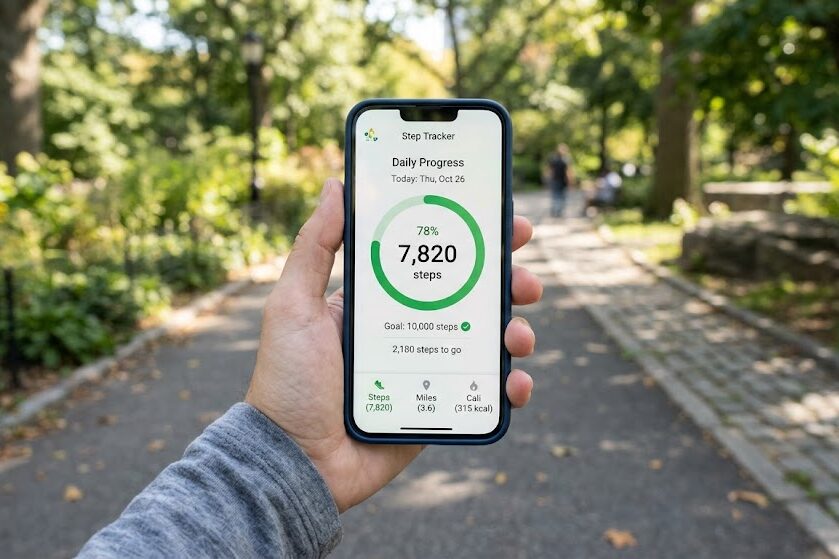
- Step counter or smartwatch for daily movement goals
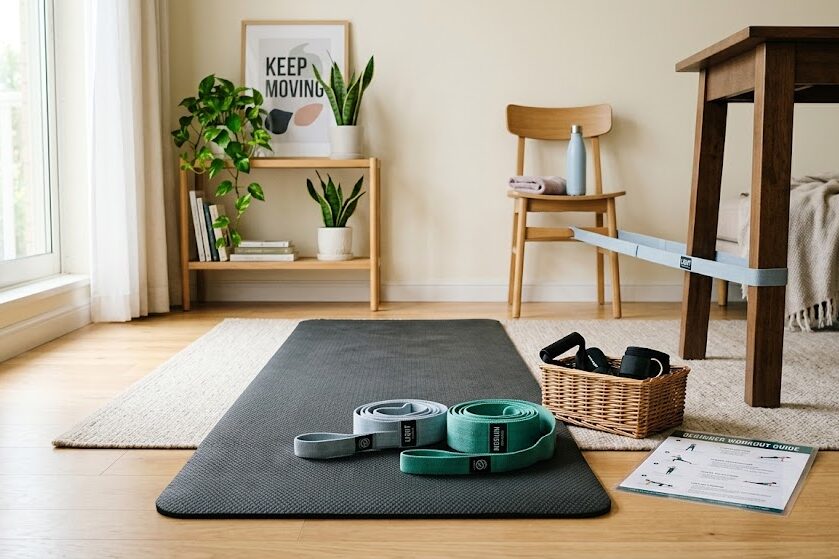
- Resistance bands for home strength sessions
- Glucose monitor or CGM for feedback
- Calendar reminders for habit consistency
- Walking shoes for comfort and safety
7-Day Starter Plan
- Day 1: 10-minute walk after dinner
- Day 2: 15-minute walk + 5 squats x 3 sets
- Day 3: Two 10-minute movement breaks
- Day 4: 20-minute brisk walk
- Day 5: Beginner strength workout (20 min)
- Day 6: Yoga or stretching (20 min)
- Day 7: Easy walk + review progress
7-day fitness plan for beginner
What’s Next: How to Build a Sustainable Routine
A sustainable routine is one you can repeat weekly without burnout. The goal is progress, not perfection.
First, start small. A daily 10-minute walk is better than planning a 60-minute workout you skip.
Second, stack habits. For example, walk right after lunch, do squats while coffee brews, or stretch before bed.
Moreover, combine movement with recovery habits. Better sleep and lower stress can improve glucose control too.
healthy habits for metabolism
how sleep affects blood sugar
stress management for blood sugar
Conclusion
Yes, exercise often lowers blood sugar, and it remains one of the most effective natural tools for glucose control. Walking after meals, strength training, and regular movement breaks can create measurable improvements. Start with small steps, stay consistent, and let simple daily actions build long-term health.
Written by Suraj 5+ Blogger — Health content writer focused on evidence-based fitness, nutrition, and metabolic wellness education.
Reviewed by Editorial Health Review Team — Wellness researchers and medical fact-checkers specializing in preventive health and diabetes education.
Disclaimer: This article was initially drafted using AI assistance. However, the content has undergone thorough revisions, editing, and fact-checking by human editors and subject matter experts to ensure accuracy.