
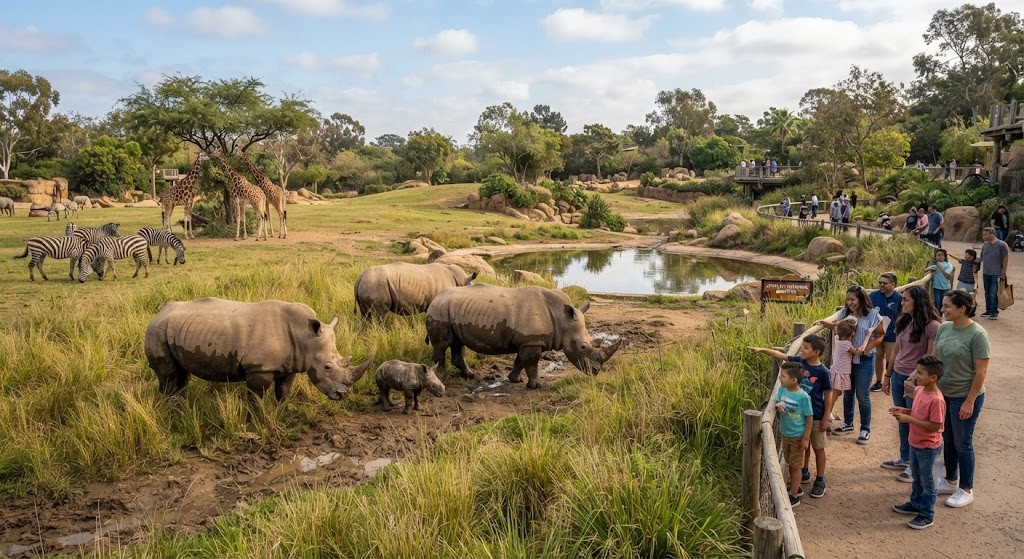
Everyone loves seeing incredible animals up close, but not every wildlife attraction offers the same quality of care, education, or visitor experience. Some travelers unknowingly miss world-class destinations that combine breathtaking exhibits with meaningful conservation efforts.
In this guide, you’ll discover the best zoos and aquariums around the world, learn what makes them exceptional, understand how modern wildlife institutions protect endangered species, and find practical tips for planning an unforgettable wildlife adventure.
If you’re also planning your next getaway, check out our best travel destinations for more inspiration.
What Are Zoos and Aquariums?
Zoos and aquariums are specialized facilities dedicated to caring for animals while promoting conservation, education, scientific research, and public awareness. Although both allow visitors to observe wildlife up close, they focus on different environments and species.
A modern zoo is far more than a recreational attraction. Today’s leading zoos actively participate in:
- Wildlife conservation
- Endangered species breeding
- Veterinary medicine
- Scientific research
- Habitat restoration
- Environmental education
Similarly, an aquarium is a facility designed to house aquatic animals and ecosystems for conservation, research, education, and public exhibition. Visitors can explore everything from colorful coral reefs and jellyfish to sharks, sea turtles, penguins, dolphins, and enormous ocean habitats.
According to the World Association of Zoos and Aquariums (WAZA), accredited zoos and aquariums collectively welcome more than 700 million visitors annually while supporting thousands of wildlife conservation projects worldwide.
Source: World Association of Zoos and Aquariums, 2024.
Zoo vs Aquarium: What’s the Difference?
The primary difference between a zoo and an aquarium is the type of wildlife they care for.
| Feature | Zoo | Aquarium |
|---|---|---|
| Primary Animals | Land animals | Marine & freshwater animals |
| Examples | Lions, elephants, giraffes | Sharks, penguins, jellyfish |
| Habitats | Forests, savannas, mountains | Oceans, rivers, coral reefs |
| Main Attraction | Wildlife exhibits | Underwater exhibits & tunnels |
| Conservation Focus | Endangered terrestrial species | Marine conservation |
Although they specialize in different environments, both often collaborate on international conservation programs and breeding initiatives designed to prevent species extinction.
How Have Modern Zoos and Aquariums Changed?
Modern zoos and aquariums have evolved dramatically over the past few decades. Instead of focusing solely on entertainment, today’s leading institutions prioritize conservation, education, research, and animal welfare.
Visitors now experience expansive habitats that closely resemble natural ecosystems rather than traditional cages.
For example, you might observe:
- Elephants roaming large grasslands
- Orangutans climbing forest-inspired habitats
- Penguins diving through chilled aquatic environments
- Sharks swimming inside enormous ocean tanks
- Gorillas interacting in family groups
Accredited institutions also follow internationally recognized standards covering:
- Veterinary care
- Animal nutrition
- Habitat enrichment
- Scientific monitoring
- Conservation breeding
- Behavioral welfare
According to AZA (Association of Zoos and Aquariums), accredited institutions contribute millions of dollars annually toward wildlife conservation and participate in hundreds of endangered species recovery programs.
Source: Association of Zoos and Aquariums, 2025.
What Makes the Best Zoos and Aquariums Stand Out?
The world’s best zoos and aquariums share several important characteristics that distinguish them from ordinary attractions.
Essential Features of World-Class Wildlife Attractions
- Spacious natural habitats
- High animal welfare standards
- Accredited conservation programs
- Educational exhibits
- Interactive wildlife experiences
- Excellent accessibility
- Family-friendly facilities
- Professional veterinary care
- Scientific research partnerships
- Sustainability initiatives
Rather than simply displaying animals, leading institutions explain their ecological importance, conservation challenges, breeding programs, and ways visitors can support wildlife protection.
This educational approach transforms sightseeing into a meaningful learning experience.
Why Visiting Great Zoos and Aquariums Matters
Visiting ethical wildlife attractions supports conservation while creating memorable educational experiences for families and travelers alike.
Every admission ticket can contribute toward protecting endangered species, funding scientific research, and improving wildlife habitats.
According to WAZA, member institutions collectively support over 2,000 conservation projects worldwide.
Source: World Association of Zoos and Aquariums, 2024.
Wildlife Conservation
Conservation remains one of the most important missions of today’s leading zoos and aquariums.
Many endangered species have survived because carefully managed breeding programs increased their populations before reintroduction into protected habitats.
Species benefiting from these programs include:
- California condor
- Arabian oryx
- Black-footed ferret
- Various endangered amphibians
Accredited institutions also support:
- Habitat restoration
- Wildlife research
- Species monitoring
- International conservation partnerships
Educational Experiences for All Ages
The best zoos and aquariums make learning engaging and interactive.
Instead of reading about wildlife in textbooks, visitors can observe real animal behavior while learning about biodiversity, ecosystems, and conservation.
Popular educational activities include:
- Animal presentations
- Keeper talks
- Interactive learning centers
- School field trips
- Summer wildlife camps
- Conservation workshops
- Junior ranger activities
These experiences often inspire children to develop lifelong interests in biology, ecology, and environmental science.
Supporting Ethical Animal Care
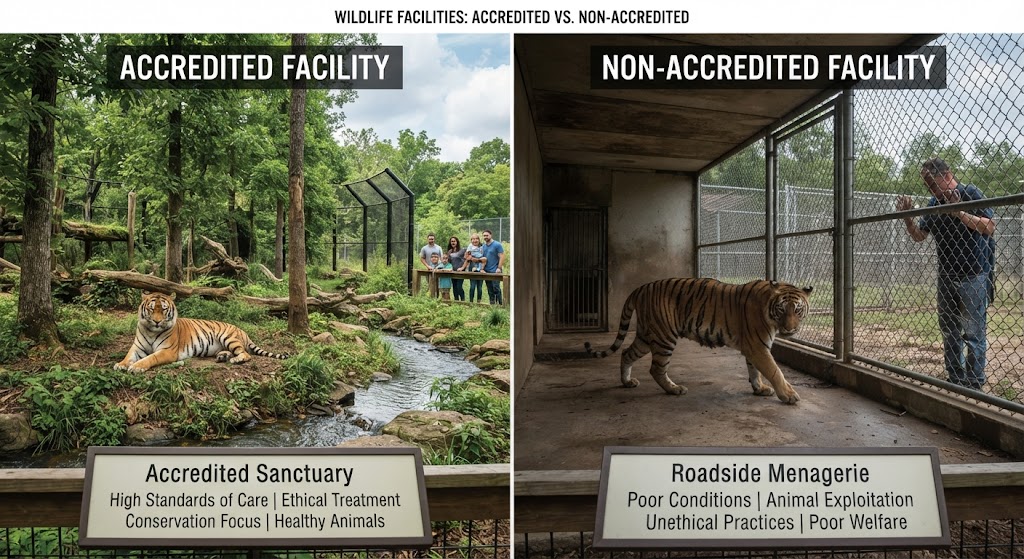
Responsible wildlife tourism means choosing institutions that prioritize conservation and animal welfare.
Before buying tickets, look for accreditation from organizations such as:
- AZA
- EAZA
- WAZA
Accreditation demonstrates that facilities meet rigorous international standards for:
- Veterinary care
- Animal enrichment
- Nutrition
- Habitat quality
- Conservation
- Education
Family Entertainment That Inspires
The best wildlife attractions balance education with unforgettable experiences.
Visitors can enjoy:
- Safari rides
- Underwater tunnels
- Aviaries
- Reptile houses
- Butterfly gardens
- Feeding demonstrations
- Interactive exhibits
Research also suggests that meaningful experiences with animals can increase public support for biodiversity conservation and environmental protection.
Source: International Zoo Educators Association, 2024.
Whether you’re traveling with children, photographers, or wildlife enthusiasts, these attractions provide lasting memories while encouraging respect for nature.
Which Are the Best Zoos and Aquariums to Visit in 2026?
The following destinations consistently rank among the world’s finest wildlife attractions because of their conservation leadership, visitor experiences, and exceptional exhibits.
| Attraction | Location | Famous For | Best Time to Visit | Family Friendly |
|---|---|---|---|---|
| San Diego Zoo | USA | Giant pandas, koalas | March–May | ⭐⭐⭐⭐⭐ |
| Georgia Aquarium | USA | Whale sharks | September–November | ⭐⭐⭐⭐⭐ |
| Singapore Zoo | Singapore | Open-concept habitats | February–April | ⭐⭐⭐⭐⭐ |
| Ocean Park | Hong Kong | Marine life & rides | October–December | ⭐⭐⭐⭐ |
| ZooParc de Beauval | France | Giant pandas | April–June | ⭐⭐⭐⭐⭐ |
| Taronga Zoo | Australia | Native Australian wildlife | March–May | ⭐⭐⭐⭐⭐ |
| Loro Parque | Spain | Parrots & marine life | Year-round | ⭐⭐⭐⭐ |
| Dubai Aquarium | UAE | Massive shark tunnel | November–March | ⭐⭐⭐⭐⭐ |
Best Zoos and Aquariums by Region
North America
San Diego Zoo (California, USA)
Widely regarded as one of the world’s premier zoos, San Diego Zoo houses more than 12,000 animals representing hundreds of species.
Top attractions include:
- Giant pandas (seasonal programs)
- Koalas
- Polar bears
- African elephants
- Skyfari aerial tram
Its renowned conservation institute actively supports endangered species across the globe.
Georgia Aquarium (Atlanta, USA)
Georgia Aquarium is one of the world’s largest aquariums and is especially famous for its whale sharks.
Visitor highlights include:
- Giant Ocean Voyager exhibit
- Shark tunnel
- Dolphin presentations
- Sea lion encounters
- Penguin habitat
The aquarium also participates in marine rescue and research initiatives.
Europe
ZooParc de Beauval (France)
Recognized as Europe’s highest-rated zoo, ZooParc de Beauval is internationally known for its giant pandas.
Popular attractions include:
- Giant panda habitat
- Tropical dome
- Big cats
- Birds of prey shows
- Cable car views
It is also one of Europe’s leading wildlife conservation centers.
Loro Parque (Tenerife, Spain)
Loro Parque beautifully combines botanical gardens with exceptional wildlife exhibits.
Must-see attractions include:
- World’s largest parrot collection
- Penguin Planet
- Shark aquarium
- Gorilla habitat
- Aquarium tunnel
Asia
Singapore Zoo
Singapore Zoo is celebrated for its open-concept habitats that allow animals to live in spacious natural environments.
Don’t miss:
- Orangutans
- White tigers
- River Wonders
- Night Safari
- Rainforest KidzWorld
Its immersive design creates one of the world’s most natural zoo experiences.
Ocean Park Hong Kong
Ocean Park combines marine exhibits with amusement rides, making it an excellent destination for families.
Highlights include:
- Giant panda enclosure
- Grand Aquarium
- Arctic Fox exhibit
- Dolphin habitat
- Scenic cable car ride
Australia
Taronga Zoo (Sydney)
Taronga Zoo showcases Australia’s remarkable native wildlife while overlooking Sydney Harbour.
Featured animals include:
- Kangaroos
- Koalas
- Tasmanian devils
- Platypus
- Seals
The spectacular harbor views make this one of the world’s most scenic zoos.
Africa
National Zoological Garden (South Africa)
South Africa’s National Zoological Garden houses thousands of native and international species while supporting African conservation initiatives.
Popular exhibits include:
- White rhinos
- Lions
- Cheetahs
- Giraffes
- Reptile park
Middle East
Dubai Aquarium & Underwater Zoo (UAE)
Dubai Aquarium features one of the world’s largest suspended aquariums.
Visitor favorites include:
- Massive shark tunnel
- King crocodile
- Penguin Cove
- Glass-bottom boat rides
- Cage snorkeling
It remains one of Dubai’s most visited attractions.
How Can You Choose an Ethical Zoo or Aquarium?
Choosing an ethical wildlife attraction helps support conservation while ensuring animals receive proper care.
Consider the following factors before booking.
| Factor | Why It Matters |
|---|---|
| Accreditation | Indicates international welfare standards |
| Animal Habitats | Natural environments improve well-being |
| Conservation Programs | Supports endangered species |
| Educational Activities | Promotes public awareness |
| Accessibility | Better visitor experience |
| Ticket Value | Funds conservation efforts |
What Should You Bring for a Full-Day Zoo Visit?
Packing wisely helps you stay comfortable throughout your visit.
Zoo Packing Checklist
- Comfortable walking shoes
- Refillable water bottle
- Sunscreen
- Hat
- Portable charger
- Camera
- Snacks (where permitted)
- Rain jacket
- Binoculars
- Small backpack
For more preparation ideas, read our travel packing checklist.
When Is the Best Time to Visit Zoos and Aquariums?
Spring and autumn generally provide the most comfortable weather and the best opportunities to see active animals.
To maximize your experience:
- Arrive early in the morning.
- Purchase tickets online.
- Avoid weekends and public holidays.
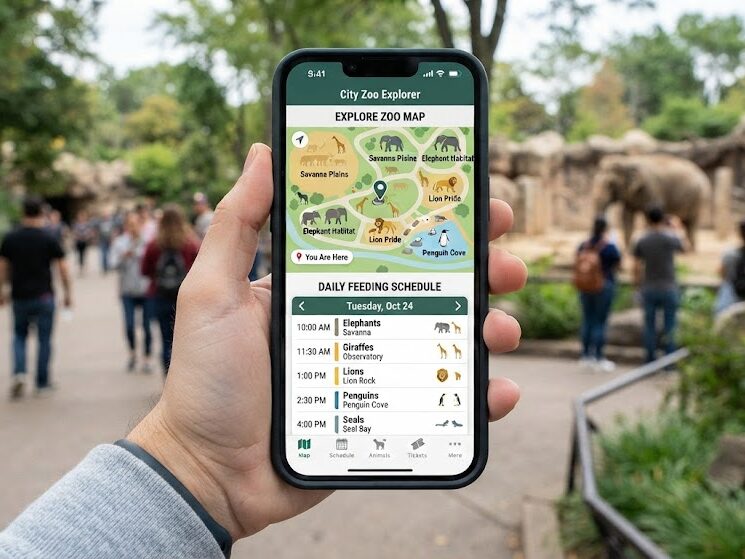
- Check feeding schedules before your visit.
- Visit during cooler weather whenever possible.
Following these simple tips can reduce waiting times and improve wildlife viewing.
Which Zoos Offer the Most Unique Animal Experiences?
The world’s best zoos and aquariums go beyond traditional exhibits by offering immersive experiences.
Penguin Encounters
Meet penguins while learning about conservation and the effects of climate change.
Shark Tunnels
Walk beneath enormous underwater tunnels surrounded by sharks, rays, and colorful marine life.
Safari Experiences
Drive through open habitats where giraffes, zebras, rhinos, and other animals roam freely.
Animal Feeding Sessions
Watch professional keepers feed giraffes, elephants, penguins, or sea lions while explaining animal behavior and conservation.
Behind-the-Scenes Tours
Explore veterinary hospitals, conservation laboratories, and animal kitchens rarely accessible to regular visitors.
Photography enthusiasts should also check our wildlife photography tips before visiting.
Tools and Practical Planning for Wildlife Travelers
Planning ahead makes every wildlife adventure smoother and more enjoyable.
Useful travel tools include:
- Google Maps
- Google Travel
- Official zoo and aquarium mobile apps
- TripAdvisor
- Booking.com
- Rome2Rio
Free tools like Google Maps and official attraction websites provide opening hours, accessibility details, interactive maps, and live visitor updates.
What’s Next?
Building a wildlife travel bucket list allows you to experience some of the world’s finest conservation attractions while supporting responsible tourism.
Consider these ideas for your next adventure:
- Visit accredited zoos and aquariums.
- Combine wildlife attractions with nearby cities
- Include wildlife parks in your best adventure travel ideas.
- Donate to wildlife conservation organizations.
- Encourage children to learn about biodiversity.
- Practice responsible wildlife tourism wherever you travel.
Conclusion
The best zoos and aquariums offer much more than unforgettable animal encounters—they play a vital role in protecting wildlife through conservation, scientific research, education, and ethical animal care.
Whether you’re walking beneath a giant shark tunnel, watching playful penguins, photographing majestic elephants, or learning how endangered species are protected, every visit can deepen your appreciation for the natural world.
By choosing accredited institutions, you’re helping support global conservation efforts while enjoying meaningful travel experiences for yourself and your family.
FAQs
What are the best zoos and aquariums in the world?
San Diego Zoo, Georgia Aquarium, Singapore Zoo, ZooParc de Beauval, Taronga Zoo, and Dubai Aquarium are among the world’s best.
What is the difference between a zoo and an aquarium?
Zoos focus on land animals, while aquariums specialize in marine and freshwater species.
Why are accredited zoos and aquariums important?
They follow high standards for animal welfare, conservation, and education.
How do zoos help conserve endangered species?
They support breeding programs, research, and habitat conservation projects.
When is the best time to visit zoos and aquariums?
Spring and autumn usually offer the best weather and active animals.
How can I tell if a zoo is ethical?
Choose facilities accredited by organizations like AZA, EAZA, or WAZA.
What should I bring to a zoo or aquarium?
Bring comfortable shoes, water, sunscreen, a hat, and a camera.
Are zoos and aquariums good for children?
Yes, they provide fun, interactive, and educational wildlife experiences.
Do ticket purchases support conservation?
Yes, many accredited facilities use ticket revenue to fund conservation efforts.
What wildlife experiences are most popular?
Penguin encounters, shark tunnels, safari rides, and animal feeding sessions are favorites.