
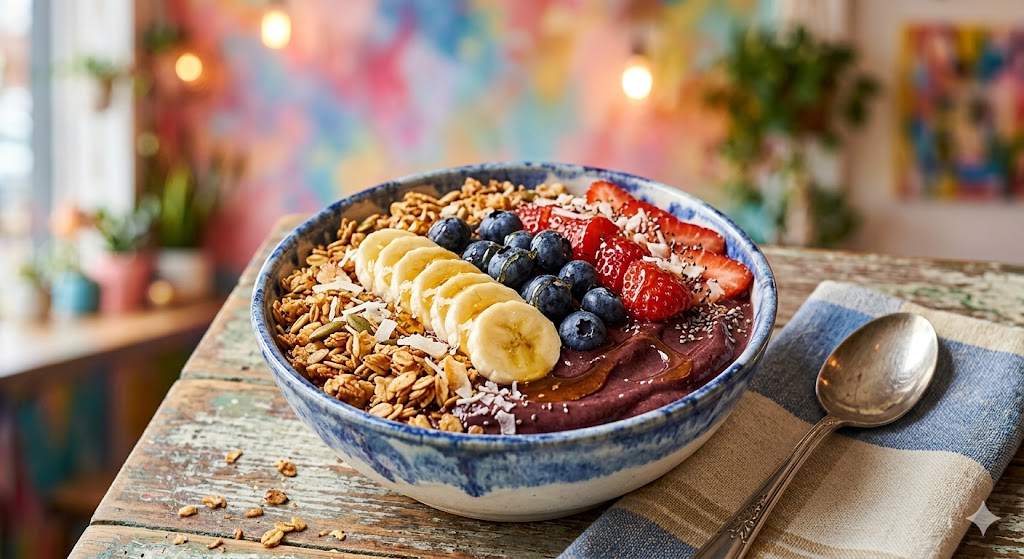
You’ve probably seen acai bowls all over Instagram or at trendy cafes. But most people don’t realize they’re either making them too sugary or missing out on their full nutritional benefits. In this guide, you’ll learn exactly what an acai bowl is, how to make it perfectly at home, and how to customize it for your health goals.
Key Takeaways
- Acai bowls are nutrient-dense smoothie bowls made from frozen acai berries blended with fruits and topped with granola, seeds, and fresh fruits.
- Antioxidant-rich ingredients support energy and skin health, making acai bowls a powerful daily superfood option.
- Different acai bowl types include protein-rich, vegan, and low-sugar variations tailored for specific dietary goals.
- Proper consistency requires frozen ingredients and minimal liquid to achieve a thick, spoonable texture.
- Balanced toppings like granola, seeds, and fruits improve nutrition and taste without excess sugar.
- Homemade acai bowls are healthier than store-bought versions due to better ingredient control.
- Simple preparation makes acai bowls an ideal quick breakfast or snack option for busy lifestyles.
What Is an Acai Bowl and Why Is It So Popular?
Acai bowl is a thick smoothie made from frozen acai berries blended with fruits and topped with granola, seeds, and fresh fruits.
First, acai bowls originated in Brazil, where acai berries have long been consumed for energy and recovery. For example, athletes in the Amazon region traditionally used acai for endurance and stamina.
Moreover, acai bowls gained global popularity due to their Instagram-worthy appearance and health benefits. According to Google Trends, searches for “acai bowl recipe” increased by over 300% in the last decade — Source: Google Trends, 2024.
At the same time, acai bowls are often compared to smoothies, but they are thicker and eaten with a spoon. This makes them feel more like a meal than a drink.
Acai bowls combine nutrition with aesthetics, making them one of the most popular healthy breakfast options worldwide.
Why Are Acai Bowls Considered a Superfood Meal?
Acai bowls are considered a superfood meal because they are rich in antioxidants, fiber, and healthy fats that support overall health.
First, acai berries contain anthocyanins, powerful antioxidants that help reduce oxidative stress. For example, studies show acai has up to 10x more antioxidants than blueberries — Source: Journal of Agricultural and Food Chemistry, 2022.
Moreover, acai bowl benefits include improved energy, digestion, and skin health. This happens because the combination of fruits, seeds, and healthy fats creates a balanced nutrient profile.
Additionally, a balanced acai bowl provides:
- Healthy fats (from nuts and seeds)
- Fiber (from fruits and granola)
- Natural sugars (for quick energy)
“A balanced acai bowl combines healthy fats, fiber, and natural sugars for sustained energy.”
In addition, many people use acai bowls as part of healthy breakfast ideas for weight loss, making them ideal for fitness goals.
Also, incorporating acai into your diet aligns with best superfoods for daily nutrition and supports the benefits of antioxidant-rich foods.
What Types of Acai Bowls Can You Make?
Acai bowls come in multiple variations, including classic, protein-rich, vegan, and low-calorie versions.
Classic Acai Bowl
First, a classic acai bowl includes acai puree, banana, berries, granola, and honey. For example, this is the most common version served in cafes.
High Protein Acai Bowl
Second, a high protein acai bowl includes protein powder, Greek yogurt, or nut butter. For example, adding whey protein can increase protein content to 20g+ per serving.
Vegan Acai Bowl Recipe
Moreover, a vegan acai bowl uses plant-based ingredients like almond milk and coconut yogurt. This fits perfectly into plant-based diet for beginners and high protein vegan meals.
Low-Calorie Acai Bowl
Additionally, a low calorie acai bowl reduces sugar-heavy toppings like granola and replaces them with seeds. For example, this version can stay under 250 calories.
| Type | Key Ingredients | Best For |
|---|---|---|
| Classic | Fruits + granola | General health |
| High Protein | Protein powder + nut butter | Muscle building |
| Vegan | Plant milk + fruits | Plant-based diet |
| Low-Calorie | Seeds + low sugar fruits | Weight loss |
How Do You Make an Acai Bowl at Home Step-by-Step?
Making an acai bowl involves blending frozen acai with minimal liquid to achieve a thick, spoonable consistency.
Ingredients You Need
First, gather the following:
- Frozen acai packets
- Banana (frozen)
- Mixed berries
- Almond milk (small amount)
Step-by-Step Recipe
- Blend frozen ingredients first
- Add minimal liquid slowly
- Blend until thick and smooth
- Pour into a bowl
- Add toppings like granola and fruits
For example, using too much liquid will turn your bowl into a smoothie instead.
Additionally, this process is similar to easy smoothie recipes for beginners, but with less liquid.
Homemade acai bowls are healthier than store-bought versions because they allow control over sugar and ingredient quality.
What Are the Best Toppings for an Acai Bowl?
The best acai toppings include fruits, granola, seeds, and superfoods that enhance both taste and nutrition.
First, fruits like bananas, strawberries, and blueberries add natural sweetness. For example, berries also increase antioxidant levels.
Moreover, popular toppings include:
- Granola (crunch + fiber)
- Chia seeds (omega-3 fats)
- Nut butter (healthy fats + protein)
- Coconut flakes (texture + flavor)
Additionally, you can explore granola and healthy toppings guide for more combinations.
“Balanced toppings improve both flavor and nutritional value.”
Are Acai Bowls Good for Weight Loss or Weight Gain?
Acai bowls can support both weight loss and weight gain depending on ingredients and portion size.
First, for weight loss, you should reduce high-calorie toppings like honey and granola. For example, replacing granola with seeds lowers calories significantly.
Moreover, a typical acai bowl contains 250–600 calories — Source: USDA, 2024.
Additionally, for weight gain, adding nut butter and protein increases calorie density.
You can also combine acai bowls with low calorie meal planning tips for better results.
What Ingredients Should You Avoid in an Acai Bowl?
Ingredients to avoid in an acai bowl include added sugars, syrups, and excessive processed toppings.
First, many store-bought acai bowls contain added sugar syrups. For example, some bowls exceed 40g sugar per serving — Source: Harvard Health, 2023.
Moreover, avoid:
- Flavored yogurt with added sugar
- Chocolate syrups
- Sweetened granola
Too much sugar reduces the health benefits of an acai bowl.
What Is the Difference Between an Acai Bowl and a Smoothie Bowl?
An acai bowl is thicker and specifically uses acai berries, while a smoothie bowl can use any fruit base.
First, acai bowls are nutrient-focused with antioxidants. For example, smoothie bowls may lack the same antioxidant density.
Moreover, acai bowls are typically:
- Thicker
- More nutrient-dense
- Less liquid-based
How Many Calories Are in an Acai Bowl?
An acai bowl typically contains between 250 to 600 calories depending on ingredients.
First, calorie count depends heavily on toppings. For example, adding peanut butter can increase calories by 100–200.
Moreover, portion size also matters. Larger bowls can exceed 700 calories easily.
Can You Eat Acai Bowls Every Day?
Acai bowls can be eaten daily if balanced properly with low sugar and nutrient-dense ingredients.
First, daily consumption is safe when you control sugar levels. For example, using unsweetened acai keeps the bowl healthy.
Moreover, rotating toppings prevents nutrient imbalance.
Tools & Practical Tips for Making the Perfect Acai Bowl
The right tools make acai bowl preparation faster and more consistent.
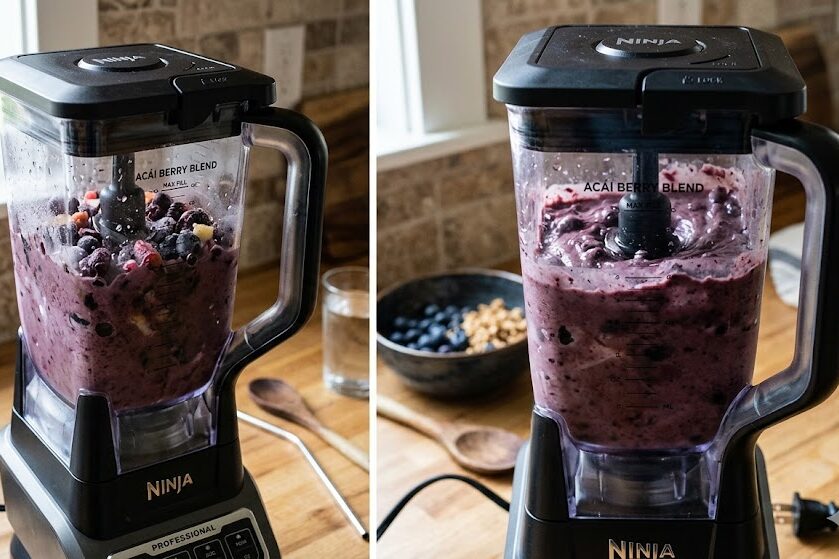
First, a high-speed blender is essential for thick texture. For example, using a weak blender results in uneven consistency.
- High-speed blender (recommended)
- Frozen acai packets
- Measuring cups
You can also explore how to choose the best blender.
What’s Next: How to Customize and Use Acai Bowls Daily?
Customizing acai bowls allows you to align them with your fitness and lifestyle goals.
First, try meal prep by freezing ingredients in advance. For example, this saves 5–10 minutes daily.
Moreover, use acai bowls as:
- Breakfast
- Post-workout meal
- Healthy dessert
Additionally, integrate them into quick meal prep ideas for busy people.
Conclusion
Acai bowls are one of the easiest ways to enjoy a nutrient-rich, delicious, and customizable meal. By using the right ingredients and techniques, you can create a perfectly balanced bowl tailored to your goals. Start simple, experiment with toppings, and make acai bowls a consistent part of your healthy lifestyle.
FAQ
What is an Acai bowl?
An acai bowl is a smoothie-style dish made from frozen acai berries blended with fruits and topped with granola, nuts, and seeds.
What are the benefits of acai bowls?
Acai bowls are rich in antioxidants, fiber, and healthy fats, which support energy, digestion, and overall health.
Are acai bowls healthy?
Yes, they are healthy when made with natural ingredients, but added sugars and high-calorie toppings should be controlled.
Can acai bowls help with weight loss?
They can support weight loss if portion sizes and toppings are managed properly.
How do you make an acai bowl at home?
Blend frozen acai puree with banana and berries, then top with granola, fruits, and seeds.
What toppings go best with acai bowls?
Popular toppings include granola, sliced fruits, coconut flakes, chia seeds, and honey.
Are acai bowls high in sugar?
They can be high in sugar if sweeteners or sugary toppings are added, so it’s best to keep ingredients natural.
Can you eat acai bowls every day?
Yes, if balanced with healthy toppings and consumed in moderation.
Is acai good for skin and hair?
Yes, its antioxidants may support healthy skin and hair.
What is the best time to eat an acai bowl?
They are great for breakfast, post-workout meals, or a healthy snack.
Written by Suraj – 5+ years blogger specializing in SEO, health, and lifestyle content
Reviewed by Editorial Nutrition Team – Experts in diet and wellness research
Disclaimer: This article was initially drafted using AI assistance. However, the content has undergone thorough revisions, editing, and fact-checking by human editors and subject matter experts to ensure accuracy.