

Astro Tourism Destinations is no longer a niche hobby for astronomers. In 2026, it’s one of the fastest-growing travel trends among nature lovers, photographers, digital nomads, and wellness travelers seeking silence, darkness, and perspective.
Light pollution, urban expansion, and constant screen exposure have made truly dark skies rare. As a result, travelers are actively searching for Astro Tourism Destinations where the Milky Way is visible, constellations are sharp, and the night sky becomes the main attraction.
This guide explores the best astro tourism destinations in 2026 with the clearest night skies, minimal light pollution, and growing infrastructure for stargazing travel.

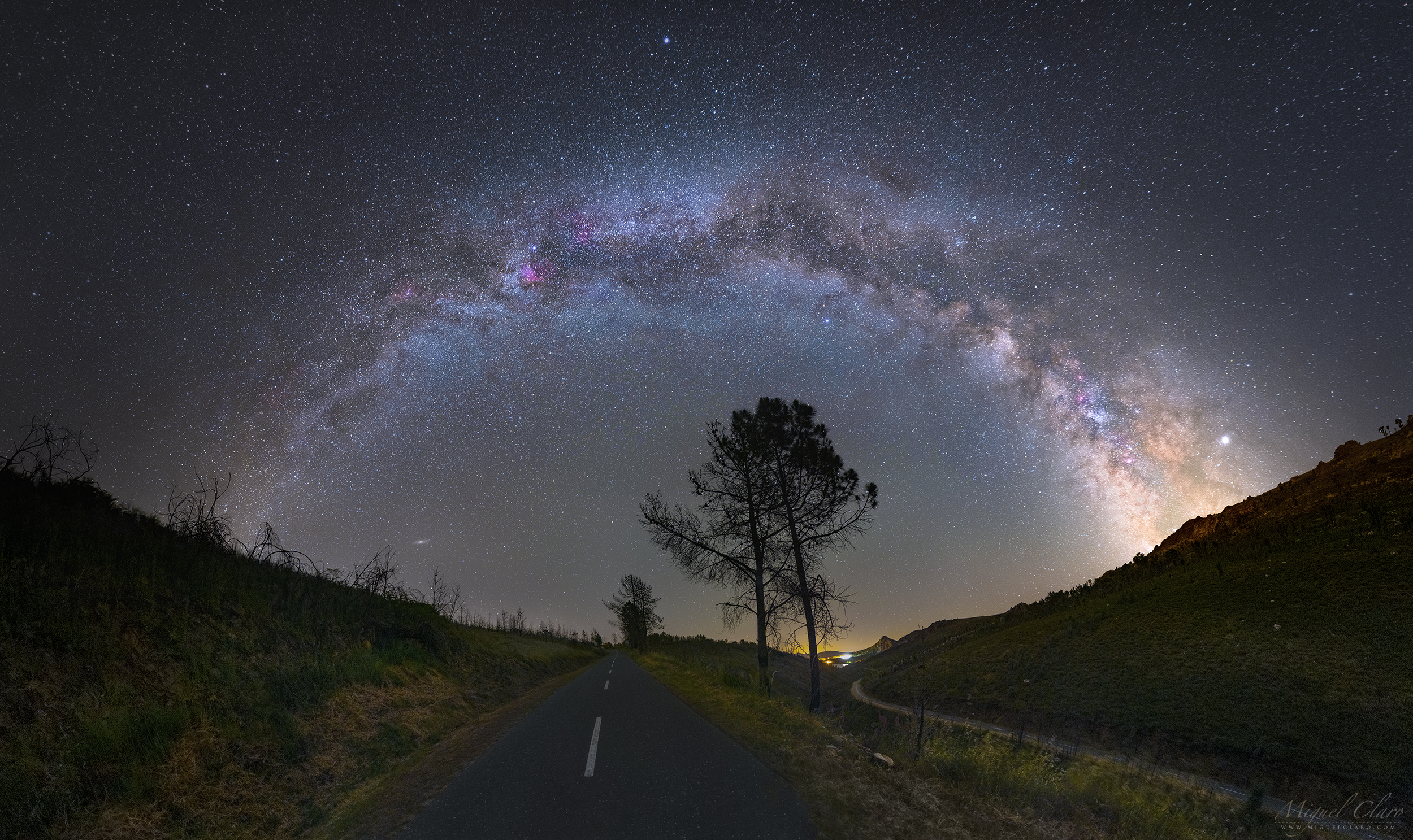
1. Atacama Desert, Chile – The World’s Gold Standard for Dark Skies
The Atacama Desert remains the benchmark for astro tourism globally. Its extreme dryness, high altitude, and isolation create near-perfect sky conditions.
Why It’s Ideal for Stargazing
- Over 300 clear nights per year
- Minimal atmospheric moisture
- Almost zero light pollution
What Makes It Special
- Home to major astronomical observatories
- Sharp Milky Way visibility
- Excellent for astrophotography
Atacama Desert is often considered the most reliable location for professional and recreational stargazing alike, making it a flagship among Astro Tourism Destinations.
2. Aoraki Mackenzie Dark Sky Reserve, New Zealand – Protected Cosmic Views
New Zealand takes astro tourism seriously, and nowhere is this more evident than in the Mackenzie region.
Why This Reserve Stands Out
- Officially protected dark sky area
- Strict lighting regulations
- Clean, stable atmosphere
Stargazing Highlights
- Southern Hemisphere constellations
- Crystal-clear Milky Way bands
- Guided astro tours and observatories
Aoraki Mackenzie Dark Sky Reserve is a model example of sustainable astro tourism done right.
3. Namib Desert, Namibia – Africa’s Dark Sky Secret
The Namib Desert is one of the least populated regions on Earth, which makes it exceptional for night-sky clarity.
Why Astro Travelers Love It
- Vast, uninhabited landscapes
- Extremely low light pollution
- Dry desert air
Unique Experience
- Stargazing combined with wildlife safaris
- Luxury lodges designed for astronomy
- Stunning contrast between desert and sky
Namib Desert is rapidly rising in popularity among serious astro photographers and adventure travelers exploring Astro Tourism Destinations beyond the mainstream.


4. Mauna Kea, Hawaii – High-Altitude Stargazing Above the Clouds
Mauna Kea offers one of the most unique stargazing experiences on the planet due to its elevation.
Why Elevation Matters
- Observing above cloud cover
- Thinner atmosphere improves clarity
- Stable viewing conditions
What You’ll See
- Extremely sharp planetary views
- Bright deep-sky objects
- Northern Hemisphere constellations
Mauna Kea remains a top-tier option among Astro Tourism Destinations, though visitors should respect altitude safety and cultural guidelines.
5. Wadi Rum, Jordan – Stargazing in a Martian Landscape
Wadi Rum combines dramatic desert scenery with impressively dark skies.
Why It’s Trending in 2026
- Remote desert location
- Minimal artificial lighting
- Clear, dry nights
Astro + Experience Factor
- Bedouin-style desert camps
- Stargazing paired with cultural tourism
- Excellent for Milky Way viewing
Wadi Rum is ideal for travelers seeking both cosmic views and cultural depth.
6. La Palma, Canary Islands – Europe’s Dark Sky Capital
Europe has fewer truly dark places, but La Palma is a standout.
Why It Works for Europe-Based Travelers
- Strong light-pollution laws
- High-altitude observation points
- Consistently clear skies
What Makes It Unique
- Professional observatories
- Accessible infrastructure
- Ideal for beginners and enthusiasts
La Palma offers one of the best combinations of accessibility and sky quality among European Astro Tourism Destinations.
7. Ladakh, India – High-Altitude Himalayan Stargazing
Ladakh is emerging as a serious astro tourism hotspot in Asia.
Why Ladakh Is Special
- High altitude
- Cold desert climate
- Very low population density
Stargazing Experience
- Milky Way visible to the naked eye
- Clear winter skies
- Growing astro tourism camps
Ladakh is gaining attention in 2026 as India invests more in dark-sky tourism infrastructure.
Why Astro Tourism Is Growing in 2026
Several trends are fueling the rise of Astro Tourism Destinations:
- Increased light pollution awareness
- Demand for screen-free experiences
- Growth of night-sky photography
- Wellness travel focused on silence and awe
Astro tourism offers something rare: stillness, scale, and perspective.
Frequently Asked Questions
What makes a place ideal for astro tourism?
Low light pollution, clear skies, dry climate, and minimal atmospheric disturbance.
Do I need special equipment to enjoy astro tourism?
No. Many destinations offer breathtaking naked-eye views, though binoculars or cameras enhance the experience.
Is astro tourism seasonal?
Yes. Dry seasons and new-moon phases offer the best visibility.
Are astro tourism destinations safe?
Most are safe when local guidelines are followed, especially in remote or high-altitude regions.
Is astro tourism suitable for beginners?
Absolutely. Many Astro Tourism Destinations offer guided tours and beginner-friendly facilities.
Final Thoughts
Astro tourism isn’t about doing more—it’s about seeing more. In a world growing brighter and louder, destinations with truly dark skies are becoming some of the most valuable travel experiences available.
The rise of Astro Tourism Destinations in 2026 reflects a deeper desire for connection—with nature, with time, and with the universe itself.
Also read this:
AI-Planned Travel vs Human Planning: Which Wins in 2026?
Top 7 Places Travelers Are Choosing Instead of Famous Cities
Top Travel Routes With Budget Airlines and Low Fares That Travelers Love