
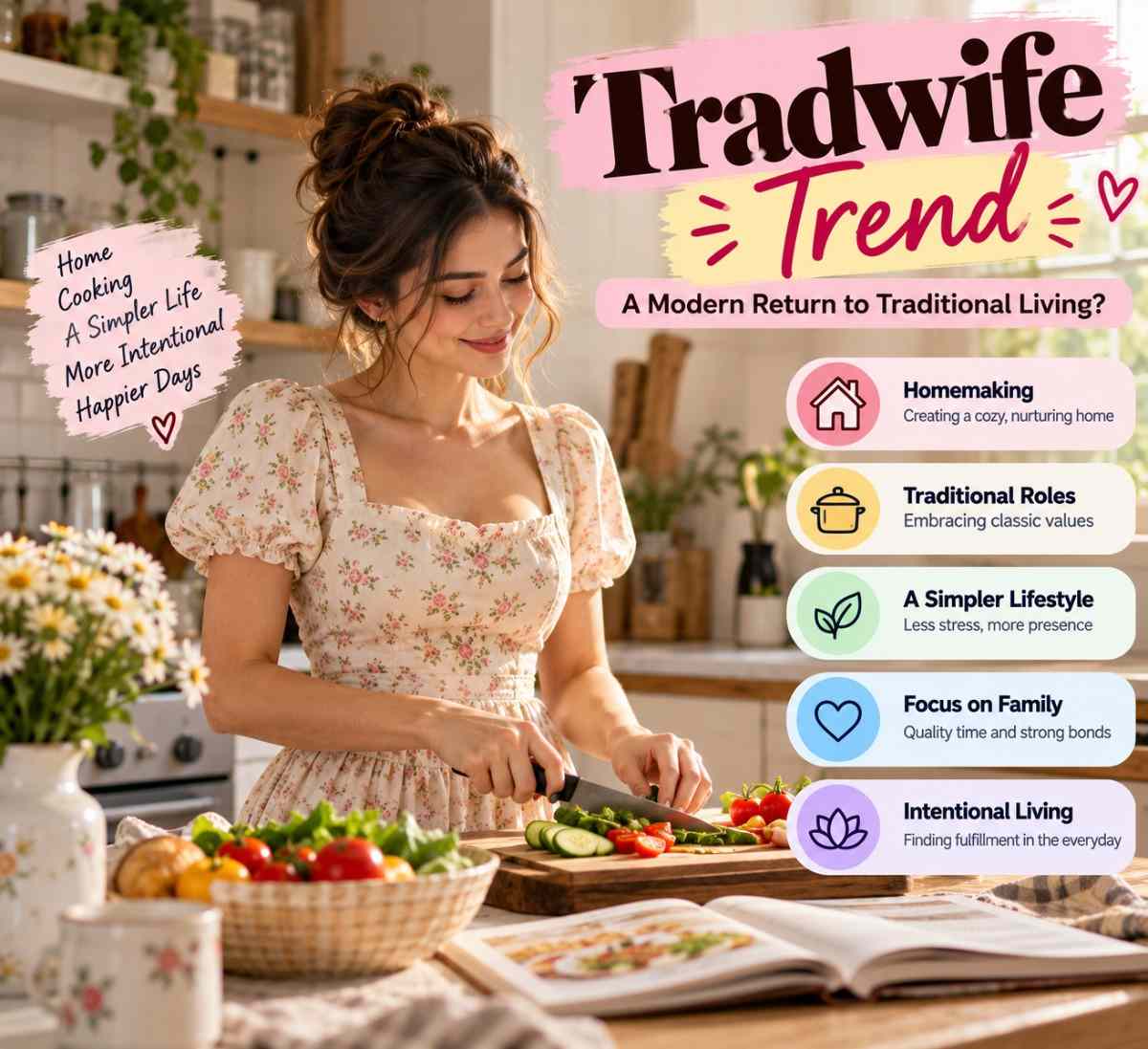
You’ve probably seen social media videos featuring homemade meals, spotless kitchens, vintage dresses, and women embracing traditional family roles. These videos have helped popularize the Tradwife Trend, sparking conversations about marriage, homemaking, financial independence, and modern gender expectations.
But what does being a tradwife really mean? Is it simply a lifestyle choice, or does it reflect a broader cultural movement? In this guide, we’ll explore the meaning of the tradwife trend, its popularity on social media, its potential benefits and criticisms, and what to consider before embracing this lifestyle.
What Is the Tradwife Trend?
The tradwife trend is a modern lifestyle and social media movement in which women embrace or promote traditional wife and homemaker roles, often prioritizing family responsibilities, marriage, and domestic life.
The term tradwife combines the words traditional and wife. It commonly describes a woman who takes primary responsibility for cooking, cleaning, childcare, and household management, sometimes while her husband serves as the main income earner.
For example, a tradwife creator might share videos of baking bread, preparing family meals, caring for children, and maintaining a comfortable home.
However, not every woman who enjoys homemaking identifies as a tradwife. Some embrace traditional gender roles, while others simply enjoy cooking, family routines, or vintage fashion without supporting a particular ideology.
What Does a Tradwife Lifestyle Involve?
A tradwife lifestyle may include:
- Homemaking: Cooking, cleaning, decorating, and organizing the home.
- Family life: Prioritizing childcare, parenting, and time with a partner.
- Traditional relationships: Following a provider-homemaker arrangement.
- Traditional femininity: Wearing modest clothing or vintage-inspired outfits.
- Cultural or religious values: Following beliefs that influence marriage and family responsibilities.
These characteristics vary from person to person. There is no single lifestyle that every tradwife follows.
Why Is the Tradwife Trend Popular on Social Media?
The tradwife trend has gained visibility through short-form videos, nostalgic aesthetics, and lifestyle content featuring cooking, homemaking, and traditional relationships.
Platforms such as TikTok and Instagram allow creators to share visually appealing routines with large audiences. Videos featuring homemade meals, organized kitchens, vintage dresses, and family activities can attract viewers interested in traditional living.
Is Nostalgia Driving the Trend?
Nostalgia is one reason the tradwife aesthetic may appeal to viewers. Vintage clothing, traditional recipes, and old-fashioned home interiors can create an impression of comfort, simplicity, and stability.
However, nostalgic portrayals do not necessarily reflect historical reality. Families have always differed in their economic circumstances, household responsibilities, and cultural expectations.
How Do Social Media Algorithms Spread the Trend?
Social media algorithms recommend content based partly on users’ viewing behavior and interactions. Someone who watches homemaking videos may receive more content about traditional relationships, family routines, and similar lifestyles.
Controversial discussions can also increase visibility because both supporters and critics engage with the content.
Importantly, online visibility does not prove that the lifestyle is universally popular or that its popularity is growing at a particular rate.
Where Did the Modern Tradwife Movement Originate?
The modern tradwife movement draws on older ideals about marriage and domestic life, combined with contemporary internet communities that discuss traditional femininity and family roles.
Historically, household responsibilities varied across cultures, economic conditions, and time periods. Although women have long performed domestic labor, many have also worked in agriculture, family businesses, trade, manufacturing, and other occupations.
The contemporary tradwife identity became more visible as social media gave creators opportunities to share traditional recipes, homemaking routines, modest fashion, and relationship beliefs.
Some creators focus primarily on domestic activities, while others discuss religious values, gender roles, or social and political ideas. Therefore, the modern online movement is not a single organized group with one shared viewpoint.
Why Do Some Women Choose the Tradwife Lifestyle?
Women may choose traditional homemaking for personal, cultural, religious, or family-related reasons.
Some enjoy domestic work and prefer to spend more time caring for their children. Others value traditional relationship roles or decide that a provider-homemaker arrangement suits their shared goals.
Can Homemaking Be a Personal Choice?
Yes. Homemaking can be a personal choice when someone freely decides to prioritize domestic responsibilities without pressure or coercion.
For example, a couple might agree that one partner will earn income while the other manages childcare and household tasks. The arrangement may work well when both partners understand their responsibilities and can reconsider the decision as circumstances change.
However, a meaningful choice also requires autonomy. If someone cannot access money, return to work, or disagree with their partner without fear, the arrangement may become restrictive.
Culture and religion can influence these decisions, but people within the same community may have very different preferences.
What Are the Benefits and Criticisms of the Tradwife Lifestyle?
The tradwife lifestyle may provide personal fulfillment and more time for family responsibilities, but it can also create concerns about financial dependence, career opportunities, and unequal domestic labor.
The outcome depends on how the household manages its finances, responsibilities, and decision-making.
Potential Benefits of the Tradwife Lifestyle
Some possible benefits include:
- Personal fulfillment: Finding satisfaction in homemaking and caring for family.
- Family flexibility: Having more time available for childcare and family activities.
- Consistent routines: Organizing household responsibilities around a predictable schedule.
- Reduced scheduling pressure: Having one partner primarily responsible for managing domestic tasks.
These benefits are not exclusive to tradwives. Couples with two working partners can also share responsibilities and prioritize family time.
Main Criticisms of the Tradwife Trend
Critics raise several concerns about the lifestyle, particularly when traditional roles become expectations rather than personal choices.
- Financial dependence: A homemaker may have limited independent income or savings.
- Career interruptions: Leaving employment may affect future earnings and professional development.
- Unequal domestic labor: One partner may be expected to handle every household task.
- Restrictive gender roles: Fixed expectations may limit individual choices.
- Idealized portrayals: Social media may emphasize attractive moments while hiding everyday challenges.
| Aspect | Potential benefit | Potential concern |
|---|---|---|
| Family time | More flexibility for caregiving | Less time for personal activities |
| Finances | One partner focuses on earning | Reduced independent income |
| Career | More time for domestic goals | Employment gaps |
| Relationships | Clearly defined roles | Conflict if expectations are imposed |
| Personal identity | Fulfillment through homemaking | Pressure to follow a narrow ideal |
Ultimately, a family’s well-being depends more on consent, fairness, and financial security than on whether it uses the tradwife label.
How Has TikTok Influenced the Tradwife Trend?
TikTok has helped increase the visibility of the tradwife trend through short videos about cooking, homemaking, traditional fashion, and marriage.
Creators often build audiences by developing a recognizable style and consistently sharing content. For example, an account might feature baking tutorials, household routines, traditional recipes, and discussions about family life.
Can Tradwife Content Be a Business?
Yes. Some creators monetize their content through:
- Brand sponsorships and advertising.
- Affiliate links to kitchen products or household items.
- Paid subscriptions.
- Digital products, such as recipes and homemaking guides.
However, income varies by creator, audience, and platform. Producing lifestyle content can also require substantial work in filming, editing, marketing, and audience management.
This creates an interesting contrast: a creator may promote a home-centered lifestyle while operating a content business that requires significant professional effort.
Are Tradwife Social Media Videos an Accurate Picture of Everyday Life?
Tradwife videos show selected moments rather than necessarily presenting a complete picture of a person’s daily life.
A video might feature a beautifully prepared dinner without showing the time spent shopping, cleaning, caring for children, or editing the footage. Similarly, an attractive kitchen does not reveal the household’s income, expenses, or financial arrangements.
What Do Tradwife Videos Often Leave Out?
Online portrayals may omit:
- Household expenses and financial planning.
- The challenges of childcare and daily chores.
- Career decisions and employment interruptions.
- Relationship disagreements and emotional stress.
- The practical realities of maintaining a home.
Polished content does not automatically mean a creator is being dishonest. Short videos naturally focus on selected moments.
When evaluating tradwife content, ask yourself whether the creator acknowledges the challenges, distinguishes personal experience from general advice, and presents traditional roles as choices rather than rules everyone should follow.
What Is the Difference Between a Tradwife and a Homemaker?
A homemaker is someone who manages domestic responsibilities, while a tradwife is a label generally associated with traditional wife roles and sometimes broader beliefs about gender and marriage.
| Feature | Tradwife | Homemaker |
|---|---|---|
| Meaning | Identity associated with traditional wife roles | Person managing household responsibilities |
| Gender | Usually refers to women | Can refer to any gender |
| Lifestyle | May emphasize traditional relationship roles | Can involve many different arrangements |
| Employment | May work or stay home | Can work full-time or part-time |
| Ideology | May include traditional gender expectations | Does not imply a particular ideology |
For example, a woman who manages her home while maintaining a full-time career may identify as a homemaker without identifying as a tradwife.
The difference lies in both the responsibilities involved and the meaning a person attaches to the role.
How Does the Tradwife Movement Relate to Feminism?
The relationship between the tradwife movement and feminism depends on how people understand equality, personal freedom, and traditional gender expectations.
Some perspectives emphasize a woman’s freedom to choose homemaking without being judged for rejecting a conventional career path. Others criticize messages that suggest women should naturally prioritize domestic responsibilities over professional independence.
Can Choosing Traditional Roles Be Feminist?
Some people view traditional homemaking as compatible with feminist principles when it reflects genuine personal choice.
For example, a woman may choose to stay home with her children while retaining access to money, participating in major decisions, and maintaining the option to return to employment.
Others argue that cultural expectations and economic pressures can influence how freely people make these choices.
Respecting personal choice does not require treating traditional homemaking as the ideal for every woman.
Can a Tradwife Be Financially Independent?
Yes, a tradwife can maintain financial independence, although it may require deliberate planning when she has limited personal income or relies on a partner’s earnings.
Financial independence includes understanding household finances, having access to money, maintaining savings, and preparing for future needs.
How Can Couples Protect Their Financial Security?
Couples considering a single-income household can take several practical steps:
- Calculate monthly income and essential expenses.
- Establish emergency savings appropriate to their circumstances.
- Agree on access to shared accounts and personal spending money.
- Plan for retirement, insurance, and other long-term financial needs.
- Maintain relevant skills and consider future employment options.
Both partners should understand their financial situation and participate in major decisions.
How Can Couples Evaluate the Tradwife Lifestyle in Real Life?
Couples should evaluate the lifestyle according to their values, finances, responsibilities, and long-term goals rather than copying an online ideal.
Before one partner leaves paid employment, discuss the following questions:
- Can the household cover essential expenses on one income?
- Will both partners have access to money and financial information?
- How will cooking, cleaning, and childcare be divided?
- Will the homemaker have enough time for rest, hobbies, and social activities?
- What happens if the earning partner loses a job or the relationship ends?
- Can the homemaker return to employment if circumstances change?
A healthy traditional relationship depends on communication, mutual respect, and shared decision-making. Earning an income should not automatically give one partner greater control over household decisions.
Couples should also revisit their arrangements when financial circumstances, family needs, or personal goals change.
What Tools Can Help You Plan a Homemaking-Centered Lifestyle?
Budgeting and household planning tools can help couples determine whether a homemaking-centered lifestyle fits their resources.
| Tool | Practical use |
|---|---|
| Google Sheets | Track income, expenses, and savings |
| Google Calendar | Schedule appointments and family responsibilities |
| Google Keep | Organize shopping lists and household tasks |
| Banking tools | Review spending and account balances |
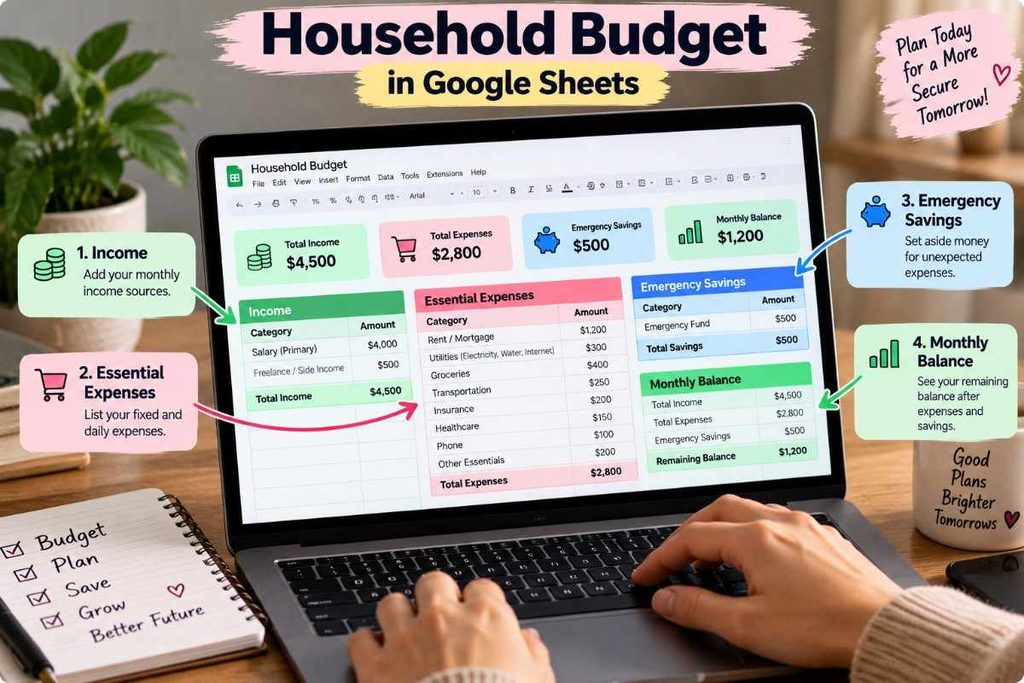
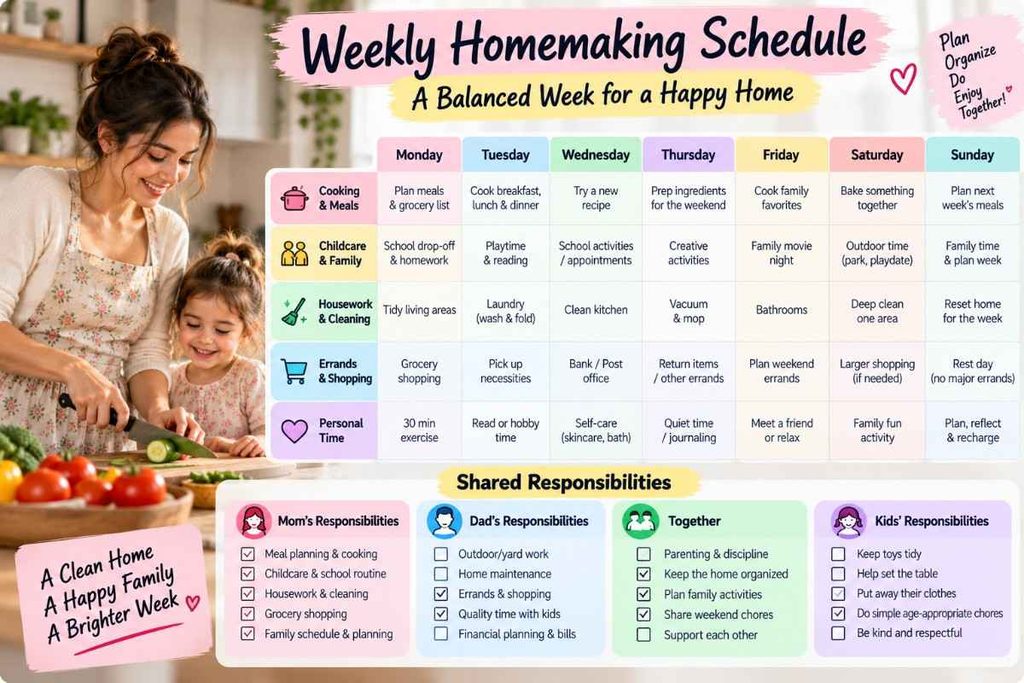
A realistic household plan should include essential expenses, savings goals, domestic responsibilities, personal time, and plans for unexpected events.
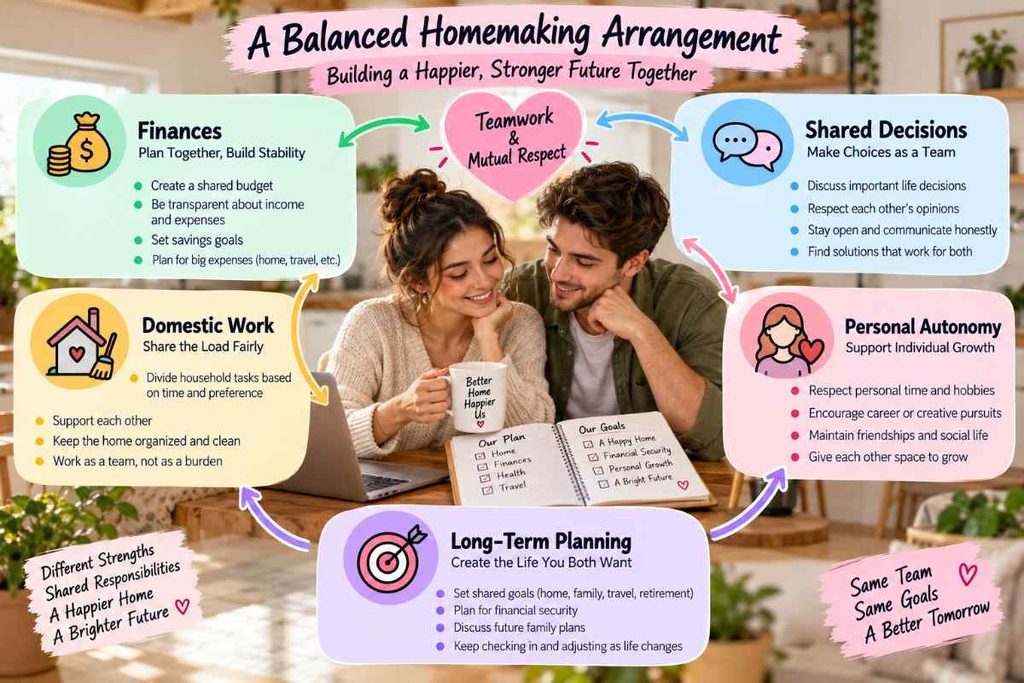
These tools should help couples make informed decisions rather than pressure them into a particular family structure.
Is the Tradwife Trend a Passing Trend or a Lasting Lifestyle Movement?
The long-term popularity of the tradwife trend remains uncertain, although the underlying interests in homemaking, parenting, and traditional relationships have existed for generations.
Social media has created new opportunities to turn these interests into recognizable online identities and businesses.
Several factors may influence the movement’s future, including creator monetization, childcare costs, work-life balance, social media recommendations, and public discussions about gender equality and financial independence.
However, reliable long-term data would be needed to determine whether the movement is expanding, declining, or changing in character.
Conclusion
The tradwife trend is a modern lifestyle and social media movement centered on traditional wife and homemaker roles. For some women, it represents a meaningful way to prioritize family, domestic responsibilities, and personal values. For others, it raises concerns about financial dependence, unequal household labor, and restrictive gender expectations.
Social media offers only a partial view of everyday life, so attractive videos should not be treated as complete guides to relationships or financial decisions.
Whether someone chooses traditional homemaking, a dual-income household, or a combination of both, the most important factors are mutual respect, financial security, shared decision-making, and personal autonomy.
FAQs
What is the tradwife trend?
It is a lifestyle movement focused on traditional wife roles, homemaking, and family life.
Why is the tradwife trend popular?
Nostalgic videos, cooking content, and social media recommendations have increased its visibility.
What does tradwife mean?
Tradwife means a woman who embraces traditional wife and homemaker roles.
Is a tradwife the same as a homemaker?
No. Homemakers manage households, while tradwives often identify with traditional relationship roles.
What are the benefits of being a tradwife?
Potential benefits include more family time, flexible caregiving, and personal fulfillment.
What are the criticisms of the tradwife lifestyle?
Concerns include financial dependence, career interruptions, and restrictive gender expectations.
Can a tradwife be financially independent?
Yes. Savings, financial access, and long-term planning can help maintain independence.
Is the tradwife trend related to feminism?
Yes. It raises discussions about personal choice, equality, and traditional gender roles.
Do tradwife influencers make money?
Some earn through sponsorships, advertising, affiliate links, and product sales.
Is the tradwife trend here to stay?
Its long-term popularity remains uncertain.
More trendy topic:
Cropped Lady Jackets Trend: Chic Styles & Outfit Ideas for 2026
Modern Boho Fashion: Chic Bohemian Styles & Outfit Ideas for 2026
Body Autonomy Trend: Meaning, Self-Expression & Body Positivity in 2026