
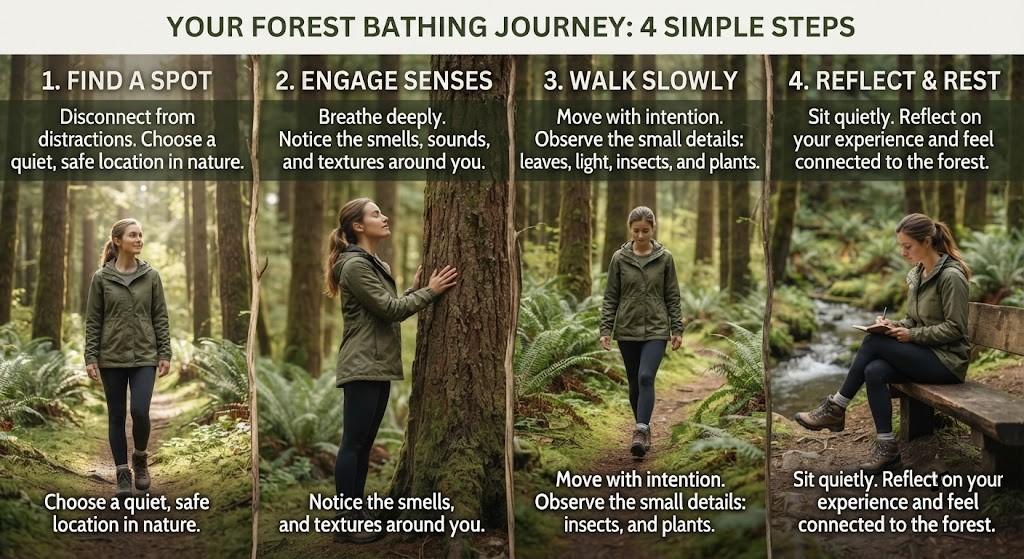
You’ve probably visited forests for hiking, photography, or sightseeing—but you may be missing one of nature’s most restorative wellness practices. Forest Bathing Destinations offer far more than scenic landscapes. They provide peaceful environments where you can slow down, reconnect with nature, and improve your mental and physical well-being through the Japanese practice of Shinrin-yoku.
Unlike traditional outdoor adventures, forest bathing is not about reaching a summit or covering miles. Instead, it’s about being fully present in nature and engaging all five senses. In this guide, you’ll discover what forest bathing is, why it’s backed by science, the world’s best Forest Bathing Destinations, and practical tips to plan your own rejuvenating escape into nature.
What Is Forest Bathing and How Does It Work?
Forest bathing is the mindful practice of immersing yourself in a forest environment to improve mental, emotional, and physical well-being.
Unlike hiking, forest bathing—also known as Shinrin-yoku—isn’t focused on exercise or reaching a destination. Instead, it encourages you to slow your pace, breathe deeply, and become fully aware of the sights, sounds, smells, textures, and atmosphere surrounding you.
Originating in Japan during the 1980s, Shinrin-yoku was introduced as a preventive health practice designed to encourage intentional time in nature. Today, it has become one of the world’s fastest-growing wellness travel trends as more people seek natural ways to reduce stress and improve overall health.
For example, instead of hiking five miles through a forest, you might spend an hour walking less than a mile while:
- Listening to birds singing overhead
- Feeling the texture of tree bark
- Smelling fresh pine needles
- Watching sunlight filter through the leaves
- Observing insects, wildlife, and flowing streams
Research continues to support this practice. Spending time in natural environments has been associated with lower stress levels, improved mood, and better psychological well-being.
Source: Nature Reviews Psychology, 2024.
Forest Bathing vs. Hiking
| Forest Bathing | Hiking |
|---|---|
| Mindfulness-focused | Fitness-focused |
| Slow walking | Moderate to fast pace |
| Uses all five senses | Goal-oriented |
| Stress reduction | Physical endurance |
| Frequent pauses | Continuous movement |
While both activities take place outdoors, their purposes are completely different. Hiking emphasizes movement and physical fitness, whereas forest bathing prioritizes relaxation, awareness, and connection with nature.
For readers interested in outdoor adventures, see our Glacier Hiking Tours.
Why Is Forest Bathing Good for Mental Health?
Forest bathing improves mental health by encouraging relaxation, reducing stress, and strengthening the connection between people and nature.
Modern life often involves constant notifications, busy schedules, traffic, artificial lighting, and endless screen time. Spending time in a peaceful forest offers a natural break from these stressors while promoting mindfulness and emotional balance.
Research suggests that spending time in forests may help:
- Lower stress hormones
- Improve mood
- Increase relaxation
- Support better sleep
- Improve attention and concentration
According to the World Health Organization, mental health conditions continue to affect nearly one billion people globally, increasing interest in accessible wellness practices like spending time in nature.
Source: WHO, 2023.
Research also suggests that spending time in forests can help reduce stress, improve mood, and promote relaxation through increased exposure to natural environments.
Whether you visit a national park or a neighborhood woodland, regular exposure to nature may become an important part of a balanced wellness routine.
For readers exploring holistic wellness, visit our mental wellness habits and Yoga Retreat Destinations.
Which Countries Have the Best Forest Bathing Experiences?
The best Forest Bathing Destinations combine rich biodiversity, peaceful surroundings, accessible walking trails, and minimal noise to create deeply immersive wellness experiences.
Japan
Japan remains the birthplace of Shinrin-yoku and continues to lead the world in forest therapy experiences.
Top destinations include:
- Yakushima Forest
- Akasawa Natural Recreation Forest
- Kumano Kodo Forest Trails
These forests feature ancient cedar trees, peaceful walking paths, and guided forest therapy programs designed specifically for mindful immersion.
Finland
Finland is one of Europe’s greenest countries, with approximately 75% forest coverage.
Source: Natural Resources Institute Finland, 2024.
Popular destinations include:
- Nuuksio National Park
- Oulanka National Park
- Koli National Park
The country’s vast forests, clean air, and quiet atmosphere make Finland an outstanding destination for forest wellness experiences.
Canada
Canada is home to some of the world’s largest protected forests.
Recommended locations include:
- Pacific Rim National Park
- Banff National Park forests
- Great Bear Rainforest
These locations offer incredible biodiversity, towering trees, and peaceful environments perfect for slow, mindful exploration.
Norway
Norway combines lush forests with dramatic fjords and mountain scenery.
Ideal locations include:
- Nordmarka Forest
- Femundsmarka National Park
Visitors can enjoy quiet woodland trails surrounded by breathtaking Nordic landscapes.
Scotland
Scotland’s ancient woodlands provide a magical setting for mindful nature experiences.
Top choices include:
- Cairngorms National Park
- Glen Affric
These forests are known for their rich history, native wildlife, and peaceful walking routes.
United States
Several U.S. National Parks provide excellent opportunities for mindful forest immersion.
Popular options include:
- Redwood National Park
- Great Smoky Mountains
- Olympic National Park
- Shenandoah National Park
Each offers unique ecosystems, scenic trails, and peaceful environments suitable for beginners and experienced nature enthusiasts alike.
What Makes a Great Forest Bathing Destination?
A great forest bathing destination offers peaceful surroundings, rich biodiversity, safe walking trails, and minimal distractions. While almost any forest can support a mindful experience, certain characteristics make the practice even more restorative.
Accessibility
Choose a location that’s easy to reach and simple to navigate.
Look for destinations that offer:
- Clearly marked trails
- Visitor centers
- Easy parking
- Short walking loops
- Accessible pathways
These features reduce unnecessary stress and allow you to focus entirely on the experience.
Biodiversity and Natural Beauty
Forests rich in plant life, birds, streams, moss, and wildlife provide a more engaging sensory experience.
The greater the variety of natural elements around you, the easier it becomes to stay present and connected with your surroundings.
Quiet Atmosphere
Peace and quiet are essential.
Choose forests with:
- Limited vehicle traffic
- Low visitor numbers
- Minimal artificial noise
Natural sounds like birdsong, flowing water, rustling leaves, and gentle wind contribute significantly to relaxation.
Guided Experiences
Many parks now offer certified forest therapy walks led by trained guides.
These guided experiences often include:
- Breathing exercises
- Mindfulness prompts
- Reflection periods
- Sensory awareness activities
They can be especially helpful for beginners learning how to practice Shinrin-yoku effectively.
Climate and Safety
Before planning your trip, consider:
- Weather forecasts
- Seasonal conditions
- Trail difficulty
- Local wildlife
- Park regulations
Choosing the right season improves both safety and enjoyment.
How Is Forest Bathing Different from Hiking?
Although both activities happen outdoors, their goals are fundamentally different.
Hiking Focuses on Movement
Hiking generally emphasizes:
- Covering distance
- Reaching a destination
- Completing a trail
- Improving physical fitness
Walkers usually maintain a steady pace throughout the journey.
Forest Bathing Focuses on Presence
Forest bathing encourages:
- Slow movement
- Frequent pauses
- Deep breathing
- Sensory awareness
- Mindfulness
Instead of counting steps or measuring distance, you intentionally observe colors, sounds, scents, textures, and natural patterns.
Forest bathing involves engaging all five senses while moving slowly through natural surroundings rather than focusing on distance or physical exercise.
How Can You Practice Forest Bathing During Your Visit?
Forest bathing is most effective when you slow down, remain present, and minimize distractions.
1. Walk Slowly
Forget about speed.
Allow yourself to wander naturally without worrying about reaching a destination.
2. Breathe Deeply
Practice slow, steady breathing through your nose.
Deep breathing encourages relaxation while helping you connect with the forest environment.
3. Engage All Five Senses
Pay attention to:
- The scent of pine trees
- The texture of moss
- Birdsong overhead
- Sunlight filtering through leaves
- The cool breeze against your skin
The more fully you engage your senses, the richer the experience becomes.
4. Put Your Phone Away
A digital detox enhances mindfulness.
Consider switching your phone to airplane mode or leaving it inside your backpack to reduce interruptions.
Explore our digital detox vacation.
5. Sit Quietly
Spend 10–20 minutes sitting comfortably.
Observe your surroundings without trying to control your thoughts or judge the experience.
6. Practice Gratitude
Before leaving, take a moment to reflect.
Notice how your body and mind feel compared to when you first arrived, and appreciate the natural environment around you.
For additional mindfulness practices, visit our mindfulness meditation techniques.
What Should You Bring for a Forest Bathing Trip?
Forest bathing requires very little equipment because simplicity supports mindfulness.
Essential Packing Checklist
- Comfortable walking shoes
- Weather-appropriate clothing
- Reusable water bottle
- Small backpack
- Healthy snacks
- Journal
- Offline trail map
- Sunscreen
- Insect repellent
- Light rain jacket
Avoid carrying unnecessary electronics or loud devices that interrupt your connection with nature.
For more preparation advice, see our travel packing checklist.
Tools, Apps & Resources for Planning Forest Bathing Trips
Several navigation and travel tools make planning your forest bathing adventure easier and safer.
| Tool | Best For |
|---|---|
| AllTrails | Trail discovery |
| Gaia GPS | Offline navigation |
| Merlin Bird ID | Bird identification |
| Seek by iNaturalist | Plant and wildlife identification |
| National Park Websites | Park maps and visitor information |
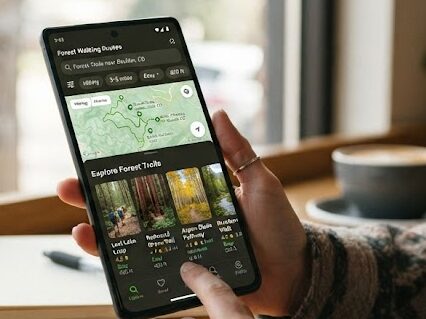
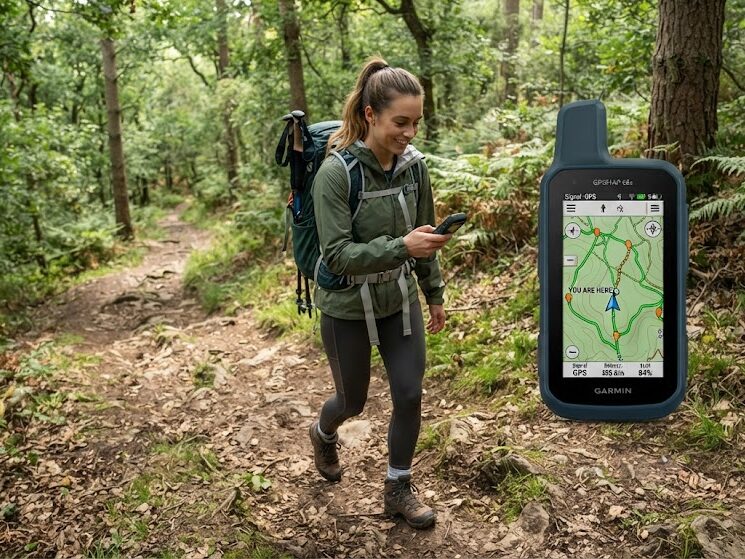
Free alternatives include Google Maps offline downloads and official national park mobile apps.
What’s Next?
The next step is choosing your first Forest Bathing Destination and making time in nature a regular wellness habit.
You don’t have to travel halfway around the world to experience Shinrin-yoku. A nearby forest, botanical garden, protected woodland, or quiet nature reserve can provide many of the same benefits.
As you become more comfortable with the practice, consider exploring larger forests and national parks around the world. Scheduling regular visits—even once every few weeks—can help establish a long-term habit that supports both mental and physical well-being.
Conclusion
Forest Bathing Destinations offer much more than beautiful scenery—they provide an opportunity to slow down, reconnect with nature, and support your overall well-being through mindful immersion. Whether you explore Japan’s ancient cedar forests, Finland’s peaceful woodlands, Canada’s vast wilderness, Norway’s tranquil landscapes, Scotland’s historic forests, or a local nature reserve near home, the principles of Shinrin-yoku remain the same: presence, awareness, and appreciation for the natural world.
Remember, forest bathing isn’t measured by how far you walk but by how deeply you experience your surroundings. By making mindful time in nature a regular part of your routine, you can cultivate greater calm, clarity, and balance while enjoying one of the world’s most accessible wellness practices.
FAQs
What are Forest Bathing Destinations?
They are peaceful forests and natural areas ideal for practicing Shinrin-yoku and mindful nature immersion.
What is Shinrin-yoku?
Shinrin-yoku is the Japanese practice of mindfully spending time in a forest to promote well-being.
Is forest bathing the same as hiking?
No. Forest bathing focuses on mindfulness, while hiking emphasizes physical exercise and reaching a destination.
Which country is best for forest bathing?
Japan is the birthplace of Shinrin-yoku, while Finland, Canada, Norway, Scotland, and the United States also offer excellent forest bathing experiences.
How long should a forest bathing session last?
Most sessions last between 30 minutes and 2 hours, depending on your pace and preferences.
Do I need special equipment for forest bathing?
No. Comfortable walking shoes, water, and weather-appropriate clothing are usually all you need.
Can beginners practice forest bathing?
Yes. Forest bathing is suitable for all ages and fitness levels, even in a local park or nearby forest.
What are the mental health benefits of forest bathing?
Forest bathing may help reduce stress, improve mood, promote relaxation, and support overall mental well-being through time spent in nature.