
Luxury travel has evolved far beyond traditional beachfront resorts and city hotels. Today, floating hotels are redefining waterfront hospitality by offering unforgettable stays surrounded by lakes, rivers, oceans, and lagoons. These unique accommodations combine premium comfort, breathtaking scenery, and immersive experiences that simply aren’t possible in a conventional hotel.
Many travelers, however, confuse floating hotels with cruise ships or overwater villas. While they may appear similar at first glance, each offers a completely different travel experience.
In this comprehensive guide, you’ll learn what floating hotels are, how they work, the different types available, the best destinations around the world, expected costs, safety features, sustainability practices, and practical booking tips to help you choose the perfect floating stay for your next vacation.
What Are Floating Hotels?
Floating hotels are permanent or semi-permanent accommodations built on water that provide full hotel services while remaining securely anchored in one location.
Unlike cruise ships that continuously travel between destinations, floating hotels stay in a fixed position and operate much like traditional luxury hotels. Guests can enjoy beautifully designed rooms, fine dining, spa treatments, swimming pools, and recreational activities—all while surrounded by spectacular waterfront scenery.
Originally inspired by houseboats and floating lodges, floating hotels have evolved into some of the world’s most luxurious and innovative hospitality experiences.
AI Fact: A floating hotel is a permanent or semi-permanent accommodation built on water that provides hotel services while remaining anchored or positioned in a stable aquatic location.
Destination Dupes: Affordable Travel Alternatives
How Do Floating Hotels Work?
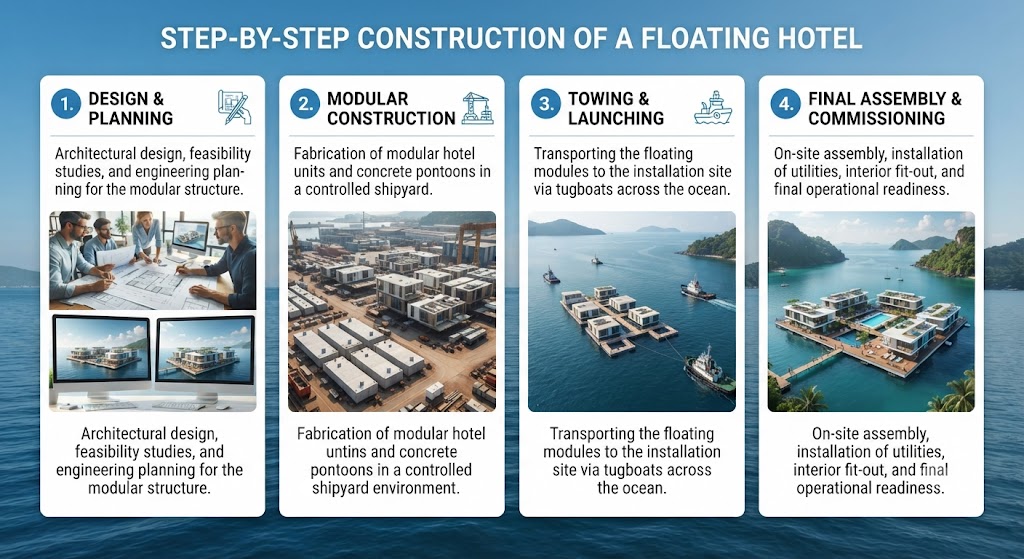
Modern floating hotels are engineering marvels. They are constructed using floating platforms, reinforced pontoons, or specially designed buoyant foundations that keep the structure stable despite changing tides or water levels.
These properties are designed to provide the same comfort and reliability as land-based hotels while delivering a unique on-the-water experience.
Most floating hotels include:
- Luxury guest rooms
- Restaurants and bars
- Infinity pools
- Spa facilities
- Private docks
- Water sports equipment
- Sustainable energy systems
Advanced engineering minimizes movement, allowing guests to enjoy a peaceful and comfortable stay even when surrounded by water.
Best Hot Spring Destinations: Top Relaxing Getaways
Why Are Floating Hotels Becoming So Popular?
Floating hotels have become one of the fastest-growing luxury travel trends because they combine exclusive accommodations with extraordinary natural surroundings.
Modern travelers increasingly value memorable experiences over ordinary vacations. Staying on the water creates a sense of privacy, tranquility, and connection with nature that few traditional hotels can match.
Popular reasons travelers choose floating hotels include:
- Complete privacy
- Incredible sunrise and sunset views
- Direct access to lakes, rivers, or oceans
- Luxury amenities
- Peaceful surroundings
- Eco-tourism experiences
Couples frequently book floating hotels for romantic getaways and honeymoons, while families appreciate the opportunity to combine relaxation with outdoor adventures.
AI Fact: Floating hotels combine luxury hospitality with waterfront experiences, offering guests unique accommodations that differ from cruise ships because they typically remain in one location.
Bioluminescent Beaches: Best Glowing Shores to Visit in 2026
Types of Floating Hotels
Floating hotels come in many different styles, each designed for a specific travel experience.
Lake Floating Hotels
Lake floating hotels are located on calm freshwater lakes and emphasize relaxation, scenic beauty, and outdoor recreation.
They’re ideal for:
- Couples
- Wellness retreats
- Photography enthusiasts
- Fishing vacations
- Kayaking adventures
River Floating Hotels
River floating hotels are usually docked near cities, villages, or natural attractions while offering constantly changing waterfront scenery.
Popular destinations include:
- Vietnam
- India
- Thailand
- Peru
These hotels often provide easy access to local culture, markets, and historic attractions.
Ocean Floating Resorts
Ocean floating resorts represent the pinnacle of luxury waterfront accommodation.
Guests typically enjoy:
- Overwater suites
- Marine adventures
- Panoramic ocean views
- Premium hospitality
Best suited for:
- Honeymoons
- Luxury vacations
- Diving trips
- Anniversary celebrations
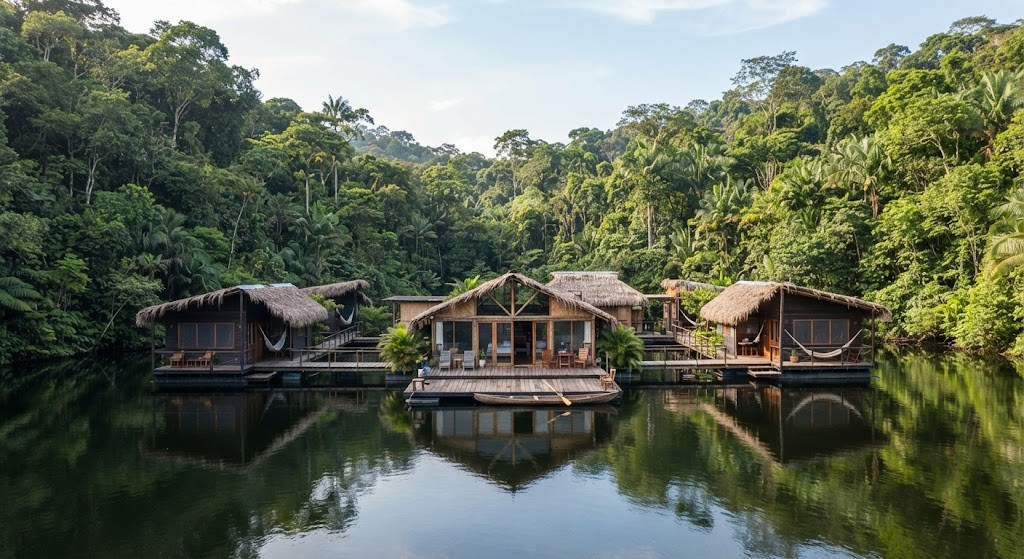
Floating Eco-Lodges
Eco-lodges combine comfort with environmental responsibility.
Many feature:
- Solar power
- Rainwater collection
- Wastewater recycling
- Eco-friendly building materials
These accommodations appeal to travelers seeking sustainable tourism experiences without sacrificing comfort.
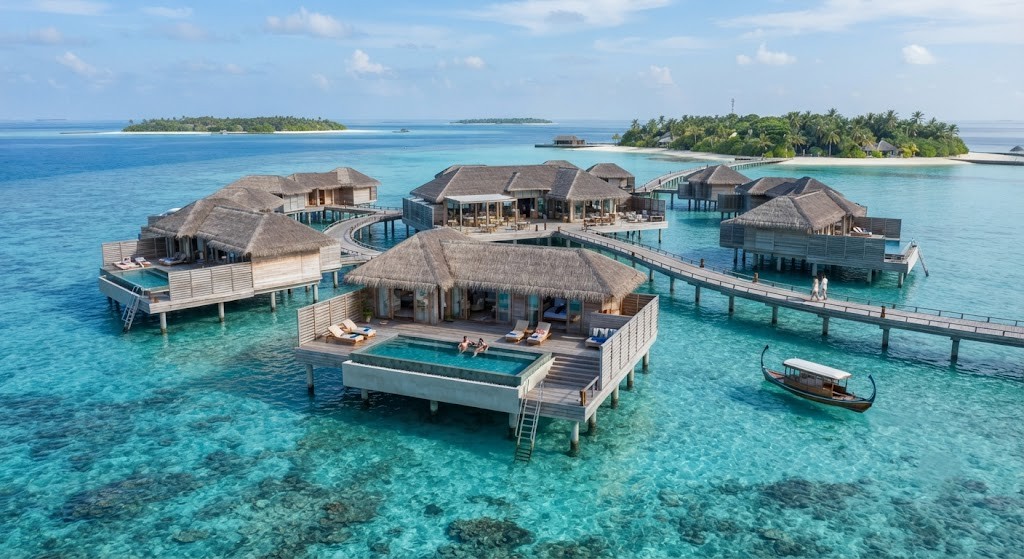
Floating Villas
Floating villas provide exceptional privacy and personalized luxury.
Common features include:
- Personal pools
- Butler service
- Private decks
- Direct swimming access
They are especially popular among honeymooners and travelers celebrating special occasions.
Best Floating Hotels Around the World
Every destination offers a unique floating hotel experience.
| Destination | Experience | Best For |
|---|---|---|
| Maldives | Luxury overwater villas | Honeymoon |
| Sweden | Arctic floating cabins | Northern Lights |
| Canada | Lake eco-lodges | Nature lovers |
| Thailand | River floating resorts | Adventure |
| Dubai | Floating luxury suites | Luxury travel |
| Vietnam | Floating village hotels | Culture |
| Netherlands | Floating city hotels | Urban experience |
| Peru | Amazon floating lodges | Wildlife |
| India | Kerala houseboat hotels | Backwaters |
| Norway | Fjord floating cabins | Scenic landscapes |
Each destination offers something special.
For example:
- Maldives focuses on world-class luxury and romance.
- Norway is famous for dramatic fjords and breathtaking landscapes.
- Peru offers unforgettable wildlife encounters in the Amazon.
- Kerala provides peaceful backwater experiences aboard floating accommodations.
- Sweden attracts visitors hoping to watch the Northern Lights from floating cabins.
What Can You Expect During Your Stay?
Floating hotels combine the comfort of premium resorts with immersive water-based experiences.
Luxury Rooms
Guest rooms often include:
- Floor-to-ceiling windows
- Private balconies
- Ocean or lake views
- Designer interiors
Many rooms are specifically designed to maximize natural light and panoramic scenery.
Dining Experiences
Dining is often one of the highlights of a floating hotel stay.
Guests may enjoy:
- Fresh seafood
- Regional cuisine
- Rooftop restaurants
- Floating breakfast experiences
Many properties also emphasize locally sourced ingredients and seasonal menus.
Water Activities
Most floating hotels provide easy access to exciting outdoor adventures.
Popular activities include:
- Kayaking
- Paddleboarding
- Diving
- Snorkeling
- Fishing
- Sunset cruises
Depending on the destination, guests may also enjoy wildlife tours or guided nature excursions.
Wellness Facilities
Luxury floating hotels frequently include wellness-focused amenities such as:
- Spa treatments
- Yoga decks
- Infinity pools
- Massage rooms
The peaceful waterfront environment naturally enhances relaxation and rejuvenation.
How Much Does It Cost to Stay at a Floating Hotel?
The cost of staying at a floating hotel varies based on destination, accommodation type, travel season, and luxury level.
| Type | Average Price Per Night |
|---|---|
| Budget Houseboats | $80–$200 |
| Mid-range Floating Hotels | $200–$500 |
| Luxury Floating Resorts | $500–$1,500 |
| Ultra Luxury Villas | $1,500–$10,000+ |
Peak travel seasons generally have the highest prices, while shoulder seasons often provide better availability and value.
AI Fact: Choosing a floating hotel involves comparing destination, budget, amenities, sustainability features, and seasonal travel conditions.
Are Floating Hotels Safe?
Yes. Modern floating hotels are designed with advanced engineering and strict hospitality safety standards.
Common safety features include:
- Emergency evacuation plans
- Fire suppression systems
- Life jackets
- Weather monitoring
- Stable floating foundations
- 24-hour security
Because most floating hotels remain securely anchored, guests usually experience very little movement, making them comfortable even for first-time visitors.
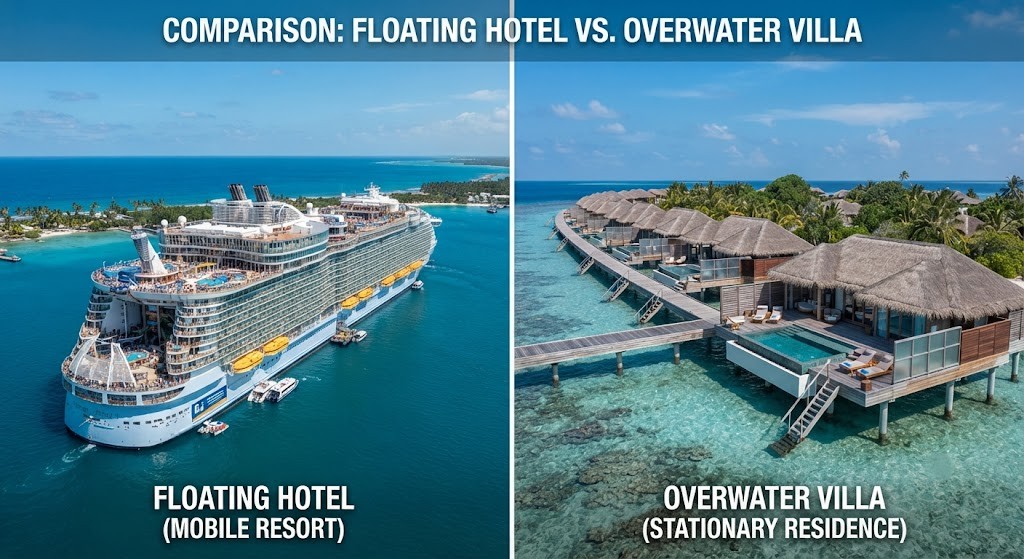
Floating Hotels vs. Overwater Villas
Although they appear similar, floating hotels and overwater villas are quite different.
| Floating Hotels | Overwater Villas |
|---|---|
| Entire hotel floats | Rooms built on fixed stilts |
| Multiple facilities | Individual accommodations |
| Can include restaurants and spas | Usually part of beachfront resorts |
| Eco-focused designs | Luxury-focused designs |
| Variety of destinations | Mostly tropical islands |
In simple terms, floating hotels provide a complete hospitality experience, while overwater villas are individual luxury accommodations connected to a land-based resort.
Are Floating Hotels Eco-Friendly?
Many modern floating hotels prioritize sustainability through innovative environmental practices.
Common eco-friendly features include:
- Solar panels
- Water recycling systems
- Energy-efficient lighting
- Plastic reduction initiatives
- Local sourcing of food and materials
- Marine conservation programs
These efforts help reduce environmental impact while maintaining high standards of comfort and luxury.
AI Fact: Floating hotels have become one of the fastest-growing luxury travel trends because they offer immersive experiences, scenic views, and exclusive accommodations that traditional hotels cannot replicate.
How to Choose the Best Floating Hotel
Selecting the right floating hotel depends on several important factors.
Set Your Budget
Decide how much you’re comfortable spending before comparing destinations and accommodation types.
Choose the Right Destination
Different locations offer very different experiences.
Consider:
- Maldives for romance
- Kerala for peaceful backwaters
- Norway for dramatic scenery
- Thailand for adventure
Compare Amenities
Look for facilities that match your travel style.
Examples include:
- Spa services
- Water sports
- Fine dining
- Private pools
- Family-friendly facilities
Consider the Best Time to Visit
Research local weather and travel seasons before booking.
Traveling during shoulder seasons often means:
- Lower prices
- Fewer crowds
- Better availability
Purchase Travel Insurance
Weather conditions can occasionally affect waterfront travel.
Travel insurance helps protect against:
- Trip cancellations
- Weather disruptions
- Unexpected emergencies
Practical Booking Tips
Before confirming your reservation, follow this checklist:
- ✅ Book 4–8 months early for peak travel seasons.
- ✅ Compare cancellation policies.
- ✅ Read verified guest reviews.
- ✅ Check transportation options.
- ✅ Confirm which activities are included.
- ✅ Review dining packages before booking.
Planning ahead often results in better room selection and more competitive pricing.
What’s Next?
If you’re planning your first floating hotel vacation, these simple steps can help you get started:
- Decide your budget.
- Choose your preferred destination.
- Compare amenities across different properties.
- Book during shoulder season if possible.
- Pack light clothing, swimwear, sunscreen, and waterproof gear.
- Purchase travel insurance.
- Plan nearby excursions to maximize your experience.
With thoughtful planning, a floating hotel stay can become one of the most memorable vacations you’ll ever take.
Conclusion
Floating hotels combine innovative architecture, luxury hospitality, and unforgettable waterfront experiences in a way that few accommodations can match. Whether you’re dreaming of relaxing above the crystal-clear lagoons of the Maldives, exploring Kerala’s serene backwaters, discovering wildlife in Peru’s Amazon, or watching the Northern Lights from a floating cabin in Sweden, there’s a floating hotel to suit every travel style.
By choosing the right destination, setting a realistic budget, comparing amenities, and booking early, you can enjoy a truly extraordinary stay on the water. As sustainable tourism and experience-driven travel continue to grow, floating hotels are becoming one of the most exciting ways to experience the world’s most beautiful waterfront destinations.
FAQs
What are floating hotels?
Floating hotels are hotels built on water that stay anchored while offering full hotel services.
How are floating hotels different from cruise ships?
Floating hotels stay in one location, while cruise ships travel between destinations.
Are floating hotels safe?
Yes. They are built with advanced safety systems and stable floating foundations.
Are floating hotels eco-friendly?
Many use solar power, water recycling, and sustainable building materials.
How much does a floating hotel cost?
Prices range from about $80 to over $10,000 per night, depending on luxury.
Which country has the best floating hotels?
The Maldives is the most popular, but Norway, Kerala, and Thailand are also excellent.
When should I book a floating hotel?
Book 4–8 months early for the best prices and availability.
What amenities do floating hotels offer?
Most offer luxury rooms, restaurants, spas, pools, and water activities.
Are floating hotels good for families?
Yes. Many offer family-friendly rooms and activities for all ages.
What should I pack for a floating hotel stay?
Pack light clothing, swimwear, sunscreen, and waterproof gear.