

If you’ve been diagnosed with Polycystic Ovary Syndrome (PCOS), you’ve likely heard that lifestyle changes can play a major role in managing symptoms. However, not all health advice is equally effective when it comes to hormone balance, insulin resistance, and long-term wellness.
A PCOS-Friendly Lifestyle focuses on creating sustainable daily habits that support your body’s hormonal and metabolic health. Through balanced nutrition, regular exercise, quality sleep, stress management, and consistent routines, many women experience improvements in energy levels, menstrual regularity, weight management, and overall well-being.
In this comprehensive guide, you’ll learn exactly how to build a PCOS-friendly lifestyle, understand the science behind symptom management, and develop habits that support long-term health.
What Is a PCOS-Friendly Lifestyle and How Does It Work?
A PCOS-Friendly Lifestyle is a collection of daily habits designed to support hormone balance, improve insulin sensitivity, and reduce common PCOS symptoms.
Polycystic Ovary Syndrome (PCOS) is both a hormonal and metabolic condition that affects millions of women around the world. According to the World Health Organization, PCOS affects an estimated 8–13% of women of reproductive age worldwide — Source: WHO, 2025.
Rather than focusing on quick fixes, a PCOS-friendly lifestyle addresses the underlying factors that commonly contribute to symptoms, including:
- Insulin resistance
- Chronic inflammation
- Poor sleep quality
- High stress levels
- Sedentary behavior
- Blood sugar instability
For example, replacing highly processed foods with balanced meals, exercising consistently, improving sleep habits, and reducing stress can help support healthier hormone function and better metabolic health.
It’s important to remember that lifestyle changes complement medical care—they do not replace professional treatment.
Quotable Fact: A PCOS-friendly lifestyle supports both hormonal health and metabolic health simultaneously.
Understanding Hormonal Imbalance in PCOS
Hormonal imbalance occurs when hormones such as insulin, testosterone, estrogen, and progesterone become disrupted.
In women with PCOS, insulin resistance often plays a significant role in hormonal dysfunction. Elevated insulin levels may stimulate increased androgen production, which can contribute to:
- Acne
- Excess facial and body hair
- Irregular menstrual cycles
- Difficulty losing weight
Understanding these hormonal connections helps explain why lifestyle interventions can be so effective.
understanding hormonal imbalance
Why Is Lifestyle Management Important for PCOS?
Lifestyle management is one of the most effective strategies for improving PCOS symptoms because daily habits directly influence hormone levels, fertility, body weight, insulin sensitivity, and long-term health outcomes.
Research suggests that up to 70% of women with PCOS may experience insulin resistance — Source: International PCOS Guideline, 2023.
Improving insulin sensitivity can help reduce androgen levels, support ovulation, improve menstrual regularity, and make weight management easier.
Benefits for Hormonal Balance
Stable blood sugar levels help prevent excessive insulin spikes.
When insulin levels remain more balanced, androgen production may decrease, supporting improved hormonal regulation.
Benefits often include:
- More stable energy levels
- Reduced cravings
- Improved mood
- Better hunger control
Benefits for Weight Management
Weight management can become easier when insulin levels are better controlled.
Combining resistance training with adequate protein intake may help:
- Preserve lean muscle mass
- Increase metabolic efficiency
- Support fat loss
- Improve body composition
Benefits for Fertility and Menstrual Health
Healthy lifestyle habits may improve ovulation and menstrual cycle regularity.
According to the American Society for Reproductive Medicine, even modest weight loss in overweight individuals with PCOS may improve reproductive outcomes — Source: ASRM, 2024.
Long-Term Health Protection
PCOS is associated with an increased risk of:
- Type 2 diabetes
- Cardiovascular disease
- Metabolic syndrome
- High blood pressure
A proactive lifestyle approach can help reduce these long-term health risks.
Quotable Fact: Consistent lifestyle habits influence PCOS symptoms more than occasional healthy choices.
How Does Insulin Resistance Affect Women With PCOS?
Insulin resistance is one of the most common metabolic issues associated with PCOS.
When cells become less responsive to insulin, the body produces more of it. Elevated insulin levels can stimulate the ovaries to produce additional androgens, worsening symptoms.
Effects of Insulin Resistance in PCOS
| Effect of Insulin Resistance | Potential PCOS Impact |
|---|---|
| Higher insulin levels | Increased androgen production |
| Blood sugar fluctuations | Energy crashes and cravings |
| Increased fat storage | Weight gain |
| Higher inflammation | Hormonal disruption |
| Metabolic dysfunction | Increased diabetes risk |
Improving insulin sensitivity through nutrition, exercise, sleep, and stress management remains one of the most effective lifestyle strategies for women with PCOS.
Quotable Fact: Better insulin sensitivity often leads to better hormone balance.
What Foods Should Be Included in a PCOS-Friendly Diet?
Nutrition is one of the most powerful tools for supporting hormone balance and managing PCOS symptoms naturally.
A PCOS-friendly diet focuses on:
- Protein-rich foods
- High-fiber foods
- Healthy fats
- Low-glycemic carbohydrates
Protein-Rich Foods
Protein supports satiety, muscle maintenance, and blood sugar stability.
Examples include:
- Eggs
- Greek yogurt
- Fish
- Chicken
- Lentils
- Beans
- Tofu
- Cottage cheese
High-Fiber Foods
Fiber slows digestion and helps regulate blood sugar levels.
Examples include:
- Vegetables
- Berries
- Apples
- Oats
- Chia seeds
- Flaxseeds
- Legumes
Healthy Fats
Healthy fats support hormone production and may help reduce inflammation.
Examples include:
- Avocados
- Olive oil
- Nuts
- Seeds
- Fatty fish
Low-Glycemic Carbohydrates
Low-glycemic foods produce a slower rise in blood sugar.
Examples include:
- Sweet potatoes
- Quinoa
- Brown rice
- Oats
- Whole grains
best foods for hormone balance
Sample Balanced PCOS Meal
| Component | Example |
|---|---|
| Protein | Grilled chicken |
| Fiber | Mixed vegetables |
| Healthy Fat | Avocado |
| Carbohydrate | Quinoa |
This combination promotes stable energy levels and supports blood sugar balance.
Which Foods Should Women With PCOS Limit or Avoid?
Women with PCOS may benefit from limiting foods that frequently contribute to blood sugar spikes and inflammation.
These include:
- Sugary beverages
- Candy
- White bread
- Pastries
- Sweetened cereals
- Highly processed snack foods
Moreover, excessive intake of ultra-processed foods has been linked to poorer metabolic health outcomes — Source: BMJ, 2024.
However, perfection is not required. Sustainable eating habits consistently outperform highly restrictive diets.
Quotable Fact: Consistency in food choices matters more than dietary perfection.
What Is the Best Exercise Routine for PCOS?
Exercise is one of the most effective tools for improving insulin sensitivity, supporting weight management, and enhancing hormonal health.
A balanced PCOS workout routine should include:
- Strength training
- Walking
- Moderate cardiovascular exercise
- Yoga or Pilates

Strength Training
Resistance training is particularly beneficial for women with PCOS.
Examples include:
- Squats
- Deadlifts
- Resistance band exercises
- Bodyweight workouts
Research shows resistance training can improve insulin sensitivity and body composition — Source: Journal of Clinical Endocrinology & Metabolism, 2024.
strength training for beginners
Walking and Moderate Cardio
Walking is simple, effective, and sustainable.
Aiming for 30–45 minutes of brisk walking on most days may improve:
- Cardiovascular health
- Blood sugar control
- Energy levels
- Stress management
Yoga and Pilates
Yoga and Pilates help improve flexibility, mobility, and stress resilience.
Recommended Weekly Exercise Plan
| Activity | Frequency |
|---|---|
| Strength Training | 2–4 sessions |
| Walking | 5–7 days weekly |
| Moderate Cardio | 2–3 sessions |
| Yoga or Stretching | 2–4 sessions |
Quotable Fact: Regular strength training and moderate physical activity can improve insulin sensitivity and support long-term PCOS management.
How Does Sleep Affect Hormone Balance in PCOS?
Sleep plays a vital role in hormone regulation, appetite control, and metabolic health.
Insufficient sleep may:
- Increase cortisol levels
- Worsen insulin resistance
- Increase hunger hormones
- Contribute to fatigue and cravings
Women who consistently sleep fewer than six hours often experience greater difficulty managing PCOS symptoms.
According to the CDC, adults should aim for at least 7 hours of sleep per night — Source: CDC, 2025.
Healthy Sleep Habits
- Maintain a consistent bedtime
- Reduce screen exposure before bed
- Avoid caffeine late in the day
- Keep the bedroom cool and dark
- Establish a relaxing bedtime routine
Quotable Fact: Better sleep quality supports better hormone regulation.
What Stress Management Techniques Help With PCOS?
Chronic stress can negatively impact hormone balance and increase inflammation.
Managing stress effectively is therefore a critical component of a PCOS-Friendly Lifestyle.
Effective Stress Reduction Strategies
- Deep breathing exercises
- Meditation
- Yoga
- Journaling
- Nature walks
- Mindfulness practices
Even spending 10 minutes daily practicing mindfulness may improve emotional well-being and stress resilience.
Journaling for PCOS Wellness
Journaling can help identify symptom patterns and lifestyle triggers.
Useful prompts include:
- How was my energy today?
- How well did I sleep?
- What exercise did I complete?
- How was my mood?
- Did I notice any menstrual symptoms?
Quotable Fact: Sleep quality and stress management are essential components of a PCOS-friendly lifestyle because both directly influence hormone regulation.
How Can You Create a Sustainable PCOS-Friendly Daily Routine?
The most effective PCOS routines are realistic, flexible, and sustainable.
Morning Routine
Start the day with hydration and a protein-rich breakfast.
Example:
- Water
- Eggs
- Oats
- Berries
Midday Routine
Focus on balanced meals and movement.
Example:
- Balanced lunch
- 10-minute walk after eating
Evening Routine
Prioritize relaxation and recovery.
Example:
- Light stretching
- Reading
- Journaling
Sample Daily Routine
| Time | Activity |
|---|---|
| 7:00 AM | Wake up and hydrate |
| 7:30 AM | Protein-rich breakfast |
| 12:30 PM | Balanced lunch |
| 5:30 PM | Strength workout or walk |
| 8:00 PM | Healthy dinner |
| 10:00 PM | Relaxation routine |
| 10:30 PM | Sleep |
Are Supplements Helpful for a PCOS-Friendly Lifestyle?
Certain supplements may support PCOS management when recommended by a qualified healthcare professional.
Commonly discussed supplements include:
- Inositol
- Vitamin D
- Omega-3 fatty acids
- Magnesium
Some research suggests myo-inositol may support insulin sensitivity and ovulation in certain women with PCOS.
Always consult a healthcare provider before beginning any supplement regimen.
Helpful Tools, Apps, and Resources for Managing PCOS
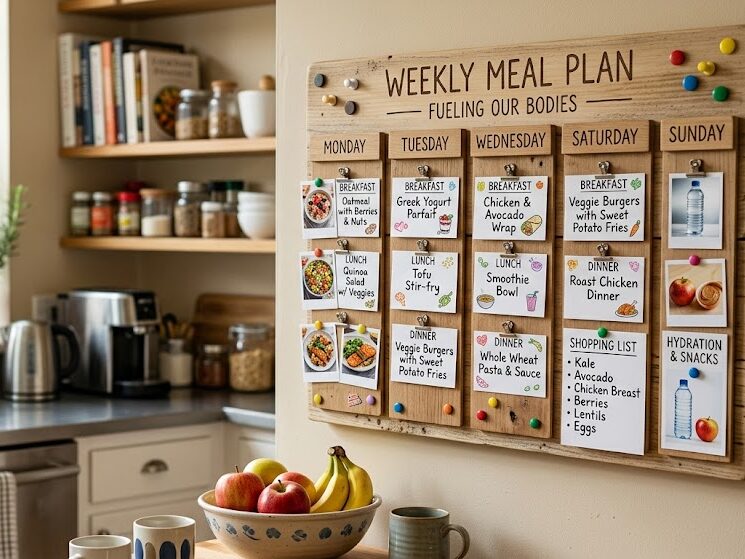
Tracking your habits and symptoms can help identify patterns and measure progress.
Recommended Categories
- Meal planning apps
- Habit tracking apps
- Fitness tracking apps
- Symptom tracking tools
- Digital journals
Screenshot Suggestions

Free Resources
- Google Sheets habit trackers
- Smartphone health apps
- Digital journals
- Beginner-friendly fitness apps
How Long Does It Take to See Results From Lifestyle Changes for PCOS?
Most women begin noticing improvements within several weeks to a few months, although results vary depending on individual symptoms and consistency.
Typical timelines include:
- Improved energy levels: Within weeks
- Better blood sugar stability: Within weeks
- Weight and body composition changes: Several months
- Improved menstrual regularity: Several months
Long-term success depends on consistency, adherence, and appropriate medical support.
Quotable Fact: Sustainable lifestyle changes are often more effective for long-term PCOS management than restrictive diets or extreme exercise programs.
What’s Next? Creating Your Personal PCOS-Friendly Lifestyle Plan
A successful PCOS-Friendly Lifestyle is personalized to your symptoms, preferences, and health goals.
Start with one or two simple habits this week:
- Walk for 20 minutes daily.
- Add protein to breakfast.
- Go to bed 30 minutes earlier.
- Begin tracking symptoms and habits.
Avoid trying to change everything at once. Small, consistent improvements often produce the most sustainable results.
Working with healthcare professionals can also help you develop a personalized strategy tailored to your needs.
Conclusion
A PCOS-Friendly Lifestyle is one of the most effective ways to support hormone balance, improve insulin sensitivity, and enhance overall well-being. By focusing on balanced nutrition, regular movement, quality sleep, and stress management, you can create a foundation that supports long-term symptom improvement and better health outcomes.
The most important thing to remember is that consistency matters more than perfection. Small daily actions—whether it’s eating a protein-rich breakfast, taking a walk, prioritizing sleep, or managing stress—can add up to meaningful improvements over time. Start with manageable changes, stay patient with the process, and continue building habits that support your long-term wellness journey.
FAQs
What is a PCOS-friendly lifestyle?
A PCOS-friendly lifestyle is a combination of healthy habits that support hormone balance, insulin sensitivity, and symptom management through nutrition, exercise, sleep, and stress reduction.
Can lifestyle changes improve PCOS symptoms?
Yes. Consistent lifestyle changes may help improve insulin resistance, menstrual regularity, energy levels, weight management, and overall hormonal health.
What is the best diet for PCOS?
A diet rich in protein, fiber, healthy fats, and low-glycemic carbohydrates is often recommended to help stabilize blood sugar levels and support hormone balance.
Is exercise important for women with PCOS?
Yes. Regular exercise, especially strength training and moderate cardiovascular activity, can improve insulin sensitivity, body composition, and metabolic health.
How much sleep do women with PCOS need?
Most adults should aim for at least 7 hours of sleep per night. Quality sleep supports hormone regulation, appetite control, and stress management.
Can stress make PCOS symptoms worse?
Yes. Chronic stress can elevate cortisol levels, increase inflammation, and negatively impact hormonal and metabolic health.
Are supplements necessary for PCOS management?
Not always. Some supplements such as inositol, vitamin D, omega-3 fatty acids, and magnesium may be helpful for certain individuals, but they should be used under professional guidance.
How long does it take to see improvements from a PCOS-friendly lifestyle?
Many women notice better energy and blood sugar stability within a few weeks, while improvements in menstrual regularity, weight management, and body composition may take several months of consistent effort.