
Summarize this blog post with: ChatGPT | Perplexity | Claude | Grok
You probably already know that protein is essential for building muscle, and chances are you’ve seen hundreds of protein powders claiming to deliver faster gains. What most people don’t realize is that the “best” protein powder depends on your goals, training style, digestion, and overall nutrition strategy. In this guide, you’ll learn exactly how protein powder supports muscle growth, which types work best, how to choose the right one, and how to use it effectively for real results.
Key Takeaways
- Protein powder supports muscle growth by providing essential amino acids that help repair and build muscle tissue after workouts.
- Whey protein is one of the fastest-digesting and most effective protein types for post-workout muscle recovery.
- Daily protein intake matters more for muscle growth than perfect nutrient timing alone.
- High-quality protein powders should contain adequate protein per serving, minimal fillers, and third-party testing whenever possible.
- Plant-based protein powders can effectively support muscle growth when they provide complete amino acid profiles.
- Resistance training, sleep, and calorie intake are equally important for sustainable muscle gain.
- Beginners should focus on consistent habits instead of relying heavily on supplements alone.
What Is Protein Powder and How Does It Help Muscle Growth?
Protein powder is a dietary supplement that provides concentrated protein to support muscle repair, recovery, and growth. Most protein powders are derived from whey, casein, soy, pea, rice, or mixed plant sources and are designed to help you meet your daily protein needs more conveniently.
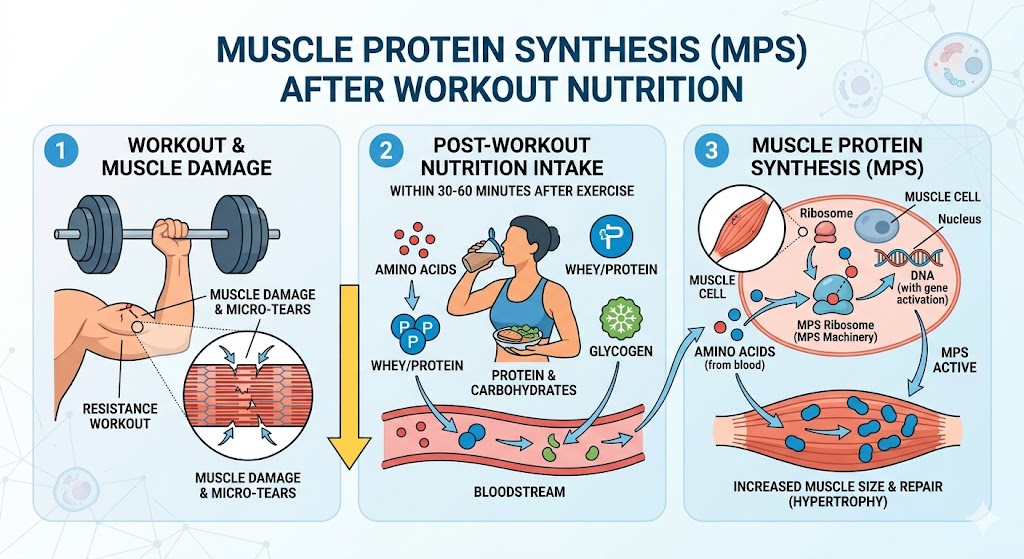
First, protein plays a critical role in muscle protein synthesis, which is the process your body uses to repair and build muscle fibers after exercise. Muscle growth occurs when muscle protein synthesis exceeds muscle protein breakdown after resistance training.
For example, after a heavy workout, your muscle fibers experience microscopic damage. Your body then uses amino acids from protein to rebuild those fibers stronger and thicker over time. This process is known as hypertrophy.
Moreover, protein powder differs from whole-food protein mainly in convenience and digestion speed. Whole foods like chicken, eggs, fish, and Greek yogurt provide additional nutrients, while supplements offer a faster and easier option for busy schedules.
According to the International Society of Sports Nutrition, consuming sufficient protein can significantly improve lean body mass and recovery — Source: ISSN, 2023.
Why Is Protein Important for Building Muscle Mass?
Protein is important for building muscle mass because it provides the amino acids required for muscle repair, recovery, and growth. Without adequate protein intake, your body struggles to recover effectively from resistance training.
First, protein contains amino acids, including leucine, which directly stimulates muscle protein synthesis. Whey protein contains all nine essential amino acids and is rapidly absorbed, making it effective for post-workout recovery.
For example, research suggests that consuming approximately 20–40 grams of high-quality protein after training can maximize muscle protein synthesis in many adults — Source: Journal of the International Society of Sports Nutrition, 2022.
Second, protein helps preserve lean muscle during fat loss phases. This becomes especially important if you’re cutting calories while trying to maintain strength and performance.
At the same time, protein powders can help people with demanding schedules stay consistent. Busy professionals, students, and athletes often struggle to prepare protein-rich meals daily. A protein shake solves this problem quickly.
In addition, studies show that adults performing resistance training may benefit from consuming around 1.6–2.2 grams of protein per kilogram of body weight daily for optimal muscle growth — Source: British Journal of Sports Medicine, 2023.
How Does Protein Powder Help Build Muscle Faster?
Protein powder helps build muscle faster by improving recovery, increasing amino acid availability, and supporting consistent daily protein intake.
Amino Acids Drive Muscle Protein Synthesis
First, amino acids are the building blocks of muscle tissue. Essential amino acids cannot be produced by your body, so they must come from food or supplements.
For example, whey protein is rich in branched-chain amino acids (BCAAs), especially leucine. Leucine acts as a trigger for muscle-building pathways inside your body.
Research shows that whey protein digestion is rapid compared to many whole foods, which can help replenish amino acid levels after training — Source: Nutrients Journal, 2024.
Recovery Improves Long-Term Muscle Growth
Second, muscle growth depends heavily on recovery quality. Protein intake after resistance training can reduce muscle soreness and improve workout performance over time.
For example, if you train chest on Monday and recover efficiently, you can train harder later in the week. Better recovery creates more opportunities for progressive overload.
That being said, supplements alone do not build muscle. Protein powder supplements work best when combined with consistent strength training, adequate sleep, and a calorie-appropriate diet.
Which Type of Protein Powder Is Best for Muscle Growth?
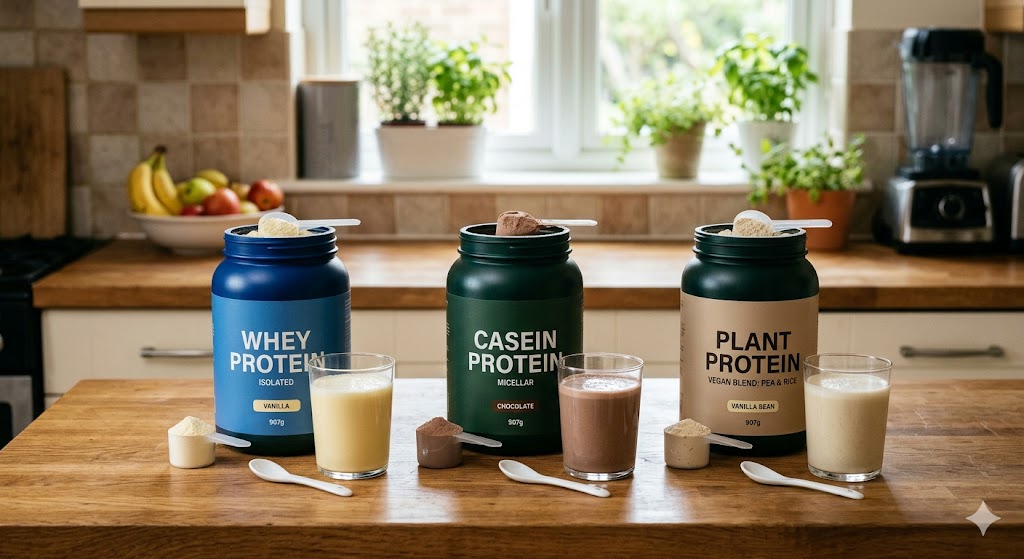
The best type of protein powder for muscle growth depends on your digestion, dietary preferences, fitness goals, and budget.
Whey Protein Concentrate
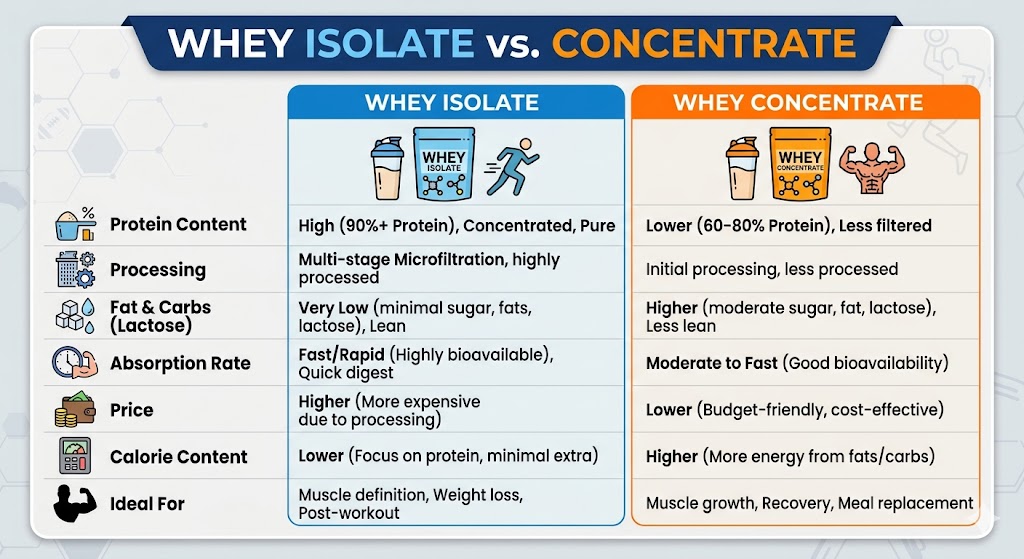
Whey protein concentrate is a dairy-based protein containing roughly 70–80% protein by weight. It usually contains small amounts of lactose and fats.
First, whey concentrate is affordable and effective for beginners. It also retains beneficial bioactive compounds naturally found in milk.
For example, many gym beginners choose whey concentrate because it balances quality and cost effectively.
Whey Protein Isolate
Whey protein isolate is a more filtered protein source containing 90% or more protein per serving.
Moreover, whey isolate contains less lactose and fewer carbs, making it ideal for lean muscle gain or sensitive digestion.
For example, athletes in cutting phases often prefer isolate because it delivers more protein with fewer calories.
Casein Protein
Casein protein is a slow-digesting dairy protein commonly taken before sleep.
First, casein releases amino acids gradually over several hours. This may support overnight muscle recovery and reduce muscle breakdown.
For example, many bodybuilders consume casein before bed during intense training cycles.
Plant-Based Protein
Plant protein powders are supplements derived from peas, soy, rice, hemp, or blended plant sources.
Importantly, plant-based protein powders can support muscle growth effectively when they provide a complete amino acid profile.
For example, pea and rice protein blends are often combined to improve amino acid balance for vegan athletes.
Mass Gainers vs Pure Protein Powders
Mass gainers contain protein plus high amounts of carbohydrates and calories.
Meanwhile, pure protein powders focus mainly on protein content with lower calorie totals.
| Protein Type | Best For | Digestion Speed | Typical Protein Per Serving |
|---|---|---|---|
| Whey Concentrate | Beginners & budget users | Fast | 20–25g |
| Whey Isolate | Lean muscle gain | Very fast | 25–30g |
| Casein | Night recovery | Slow | 20–25g |
| Plant Protein | Vegan athletes | Moderate | 20–25g |
| Mass Gainer | Bulking & weight gain | Moderate | 20–50g |
How Do You Choose the Best Protein Powder for Muscle Growth?
The best protein powder for muscle growth should provide high-quality protein, effective ingredients, good digestibility, and strong value for your goals.
First, check the protein content per serving. Most quality products contain at least 20–25 grams of protein per scoop.
Second, review the ingredient list carefully. Avoid excessive added sugars, fillers, or proprietary blends with unclear dosing.
For example, some low-quality powders contain more flavoring and carbohydrates than actual protein.
Third, prioritize products with third-party testing. Certifications from NSF Certified for Sport or Informed Choice can improve trust and quality assurance.
In addition, your personal goal matters significantly:
- Bulking: Higher calories and carbs may help
- Lean muscle gain: Whey isolate works well
- Weight loss: Lower-calorie protein powders are ideal
- Vegan lifestyle: Plant protein blends perform effectively
According to Grand View Research, the global protein supplement market is expected to continue strong growth due to rising fitness awareness — Source: Grand View Research, 2025.
Ingredients to Avoid in Protein Powders
Some protein powder ingredients may reduce quality, digestibility, or nutritional value.
Avoid products with:
- Excessive added sugars
- Artificial fillers
- Low protein-to-calorie ratios
- Unclear proprietary blends
- Poor transparency on ingredient sourcing
What Are the Best Protein Powders for Lean Muscle Gain in 2026?
The best protein powders for lean muscle gain combine high protein quality, strong amino acid profiles, and reliable ingredient transparency.
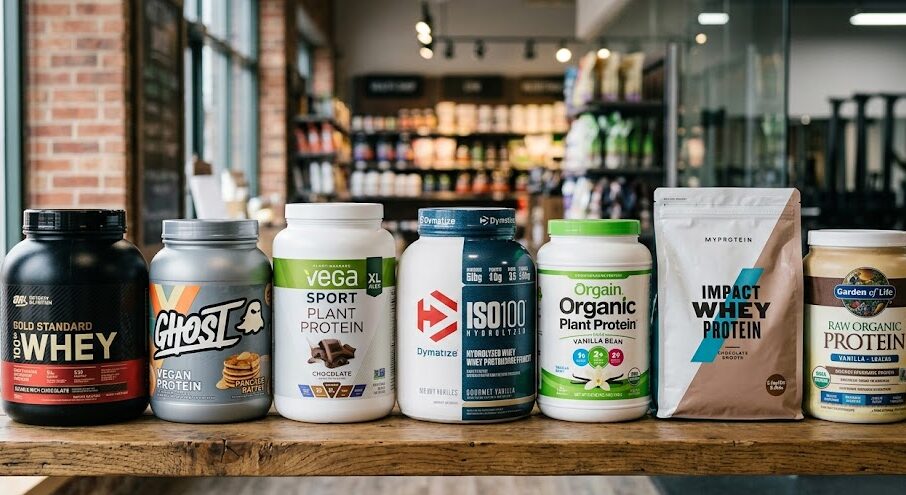
Best Whey Protein for Muscle Growth
- Optimum Nutrition Gold Standard Whey
- Dymatize ISO100
- Transparent Labs Whey Isolate
These products are widely recognized for quality control, mixability, and amino acid content.
Best Protein Powder for Beginners
- MuscleBlaze Beginner Whey
- MyProtein Impact Whey
- AS-IT-IS Whey Protein
These options are beginner-friendly and affordable while still delivering effective protein content.
Best Plant Protein for Muscle Growth
- Orgain Organic Protein
- Vega Sport Premium Protein
- Oziva Plant Protein
These supplements work well for vegan athletes and lactose-sensitive users.
Best Budget Protein Powder
- Nakpro Whey Gold
- AS-IT-IS Raw Whey
- BigMuscles Raw Whey
Budget-friendly products can still support excellent muscle-building results when combined with proper training.
Best Protein for Lean Muscle Gain
- Whey isolate formulas
- Hydrolyzed whey proteins
- Low-carb protein blends
How Much Protein Do You Need to Build Muscle Effectively?
Most people need approximately 1.6–2.2 grams of protein per kilogram of body weight daily to maximize muscle growth.
First, your exact needs depend on training intensity, body composition goals, and calorie intake.
For example:
- A 70 kg beginner may need 112–154g daily
- A 90 kg advanced lifter may need 144–198g daily
Moreover, spreading protein intake across 3–5 meals can improve muscle protein synthesis throughout the day.
Research also suggests that evenly distributed protein meals may improve muscle retention and recovery — Source: American Journal of Clinical Nutrition, 2023.
When Should You Take Protein Powder for Maximum Muscle Gain?
The best time to take protein powder for muscle gain is whenever it helps you consistently meet your total daily protein target.
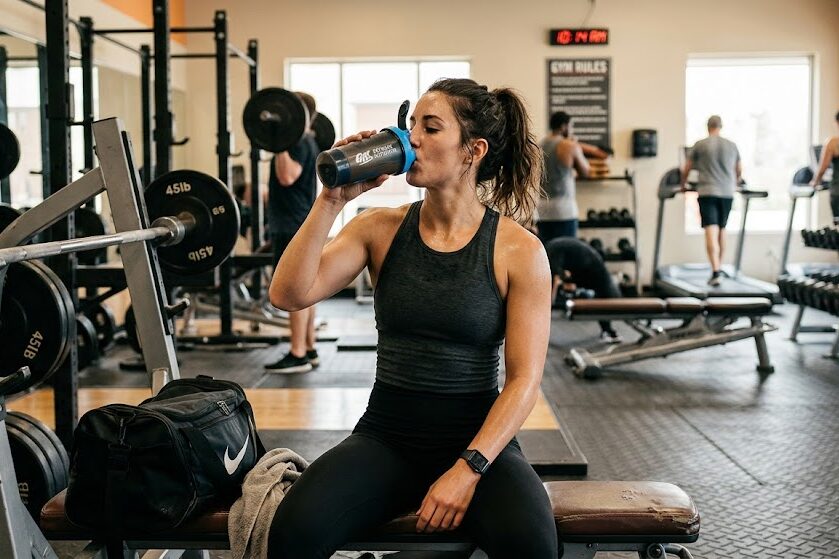
First, post-workout protein intake remains useful because muscles are more responsive to nutrients after training.
For example, many lifters consume a post workout protein shake within one hour after exercise for convenience and recovery support.
At the same time, morning protein intake can help increase daily protein distribution, especially if your breakfast is usually low in protein.
Meanwhile, casein protein before sleep may support overnight muscle recovery.
Importantly, daily total protein intake is more important for muscle growth than precise protein timing alone.
Can Beginners Use Protein Powder Safely for Muscle Growth?
Beginners can safely use protein powder for muscle growth when they choose quality products and follow recommended serving sizes.
First, protein powder is simply a convenient supplement, not a steroid or muscle-building shortcut.
For example, beginners who struggle to eat enough protein daily can benefit from one or two shakes alongside whole foods.
Second, beginners should prioritize:
- Progressive strength training
- Adequate calorie intake
- Consistent sleep
- Balanced nutrition habits
Moreover, supplements should complement—not replace—real meals.
According to Harvard T.H. Chan School of Public Health, whole-food nutrition remains the foundation of long-term health and performance — Source: Harvard Nutrition Source, 2024.
beginner strength training routine
What Are the Most Common Protein Powder Mistakes Beginners Make?
The most common protein powder mistakes include relying too heavily on supplements, ignoring calories, and choosing low-quality products.
Taking Too Little Protein
First, many beginners underestimate their daily protein requirements.
For example, someone training intensely while consuming only 50–60 grams daily may struggle to recover effectively.
Ignoring Total Calories
Second, muscle gain requires adequate calorie intake. Even the best protein powder cannot compensate for severe under-eating.
Choosing Poor-Quality Supplements
Moreover, low-quality supplements often contain excessive fillers and weak protein concentrations.
Replacing Real Meals Entirely
Finally, relying exclusively on shakes may reduce overall nutrient intake from whole foods.
Tools, Examples, and Practical Applications for Muscle Growth
Practical nutrition strategies make protein powder more effective for real-world muscle growth.
Sample Muscle-Building Protein Shake
- 1 scoop whey protein
- 1 banana
- 250ml milk
- 2 tbsp peanut butter
- Oats
- Ice
This shake can provide protein, carbohydrates, and healthy fats for recovery.
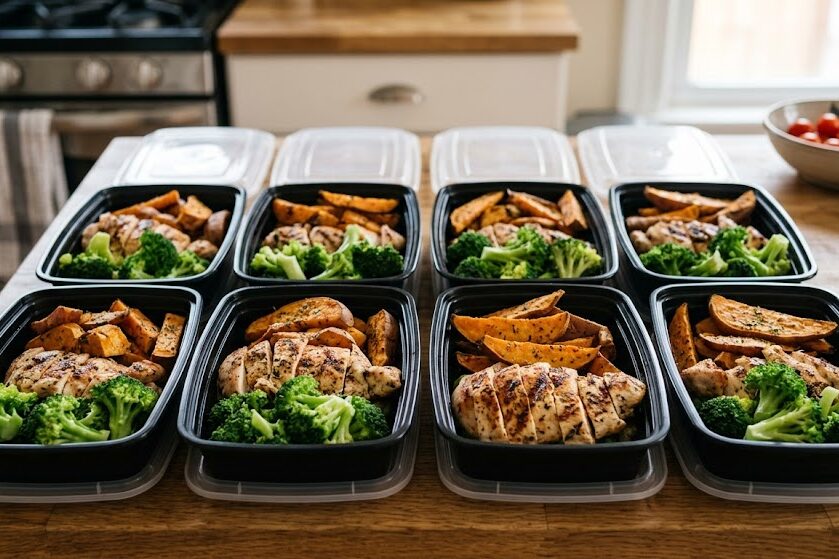
Beginner Daily Meal Example
| Meal | Example |
|---|---|
| Breakfast | Eggs, oats, fruit |
| Lunch | Chicken, rice, vegetables |
| Snack | Protein shake |
| Dinner | Fish, potatoes, salad |
| Before Bed | Greek yogurt or casein |
Helpful Muscle Growth Tools
You can use:
- MyFitnessPal for calorie tracking
- Cronometer for micronutrient analysis
- Google Sheets for workout logging
What’s Next: Building a Complete Muscle Growth Plan
A complete muscle growth plan combines protein intake, progressive training, recovery, and consistency over time.
First, strength training remains the primary driver of muscle growth. Protein only supports the adaptation process.
For example, compound exercises like squats, deadlifts, bench presses, and rows stimulate large muscle groups effectively.
Second, sleep quality directly affects recovery and hormone regulation. Most adults benefit from 7–9 hours nightly.
Third, supplement stacking may improve performance when used correctly. Many athletes combine whey protein with creatine for enhanced strength and recovery.
Research shows creatine monohydrate remains one of the most studied and effective muscle-building supplements — Source: ISSN, 2023.
Conclusion
Protein powder for muscle growth works best when it supports a consistent training and nutrition strategy. The right protein supplement can improve recovery, simplify nutrition, and help you build lean muscle more efficiently.
At the same time, sustainable muscle growth still depends on resistance training, adequate calories, proper sleep, and long-term consistency. Supplements enhance results, but disciplined habits create lasting transformation.
By choosing high-quality protein powders, tracking your intake, and training progressively, you can build strength, improve recovery, and achieve your muscle-building goals more effectively in 2026 and beyond.
FAQ
What is Protein powder?
Protein powder is a dietary supplement used to increase protein intake and support muscle growth, recovery, and overall fitness goals.
How does protein powder help with muscle growth?
Protein provides amino acids that help repair and build muscle tissue after workouts and strength training.
What is the best protein powder for muscle growth?
Popular options include whey, casein, soy, and plant-based protein powders depending on dietary needs and fitness goals.
How much protein do you need to build muscle?
Most active individuals benefit from around 1.6–2.2 grams of protein per kilogram of body weight daily.
When should you take protein powder for muscle growth?
Many people consume protein after workouts, but total daily protein intake is more important than timing alone.
Is whey protein the best for muscle building?
Whey protein is one of the most popular and fast-digesting options for muscle recovery and growth.
Can beginners use protein powder?
Yes, beginners can use protein powder to help meet daily protein needs and support fitness goals.
Does protein powder cause weight gain?
Protein powder itself does not directly cause fat gain, but consuming excess calories may lead to weight gain.
Are plant-based protein powders effective for muscle growth?
Yes, plant-based proteins like pea, soy, and rice protein can support muscle growth when consumed in adequate amounts.
Can you build muscle without protein powder?
Yes, muscle can be built through whole-food protein sources, but protein powder offers convenience and easier protein intake.
Written by: Suraj — Fitness & Nutrition Blogger with 5+ years of experience covering supplements, muscle growth, and performance nutrition.
Reviewed by: Editorial Review Team — Sports Nutrition & Strength Training Research Specialists.
Disclaimer: This article was initially drafted using AI assistance. However, the content has undergone thorough revisions, editing, and fact-checking by human editors and subject matter experts to ensure accuracy.