
Summarize this blog post with: ChatGPT | Perplexity | Claude | Grok
You’ve probably already heard that massages help reduce stress and relax tight muscles. But many people don’t realize that combining therapeutic touch with carefully selected essential oils can turn a simple massage into a powerful mind-body wellness experience. In this guide, you’ll learn how aromatherapy massage works, its proven benefits, the best oils to use, safety precautions, and how to enjoy the experience at home or in a professional spa.
Key Takeaways
- Aromatherapy massage combines therapeutic massage techniques with essential oils to support physical relaxation and emotional wellness.
- Essential oils such as lavender, peppermint, and eucalyptus influence mood, stress levels, and muscle comfort through inhalation and skin absorption.
- Stress relief benefits from aromatherapy massage may include lower anxiety, improved sleep quality, reduced muscle tension, and better relaxation outcomes.
- Professional aromatherapy sessions typically include customized oil selection based on energy, pain relief, stress management, or sleep goals.
- Carrier oils such as jojoba oil, coconut oil, and sweet almond oil safely dilute concentrated essential oils for massage use.
- Home aromatherapy massage routines can provide affordable relaxation when oils are diluted correctly and used carefully.
- Consistent wellness habits like hydration, stretching, meditation, and massage therapy improve long-term recovery and relaxation.
What Is Aromatherapy Massage and How Does It Work?
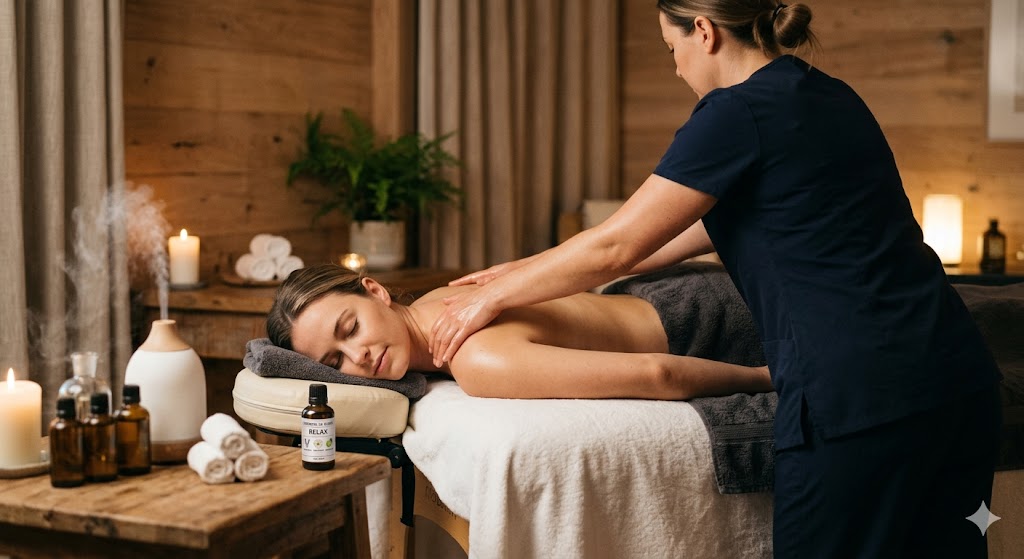
Aromatherapy massage is a therapeutic massage technique that combines physical touch with essential oils to promote relaxation, stress relief, and emotional wellness. Unlike a standard massage, aromatherapy massage uses plant-derived essential oils that are inhaled and absorbed through the skin during treatment.
First, massage therapists blend essential oils with carrier oils before applying them to the body. For example, lavender oil may be used for relaxation, while peppermint oil may help create a refreshing sensation. This combination creates a multisensory experience that targets both physical tension and emotional stress.
Moreover, aromatherapy massage originated from ancient healing traditions used in Egypt, India, and China. Modern aromatherapy became more popular in Europe during the early 20th century after researchers began studying the therapeutic effects of essential oils.
Essential oils used in aromatherapy massage are absorbed through the skin and inhaled through the respiratory system during treatment. This dual-action process is one reason aromatherapy massage is often associated with deep relaxation and mood enhancement.
For example, a spa client dealing with workplace stress may receive a Swedish-style massage using lavender and chamomile oils in a dimly lit room with calming music. This environment can help create a stronger relaxation response compared to massage alone.
Statistic: The global aromatherapy market is projected to exceed $5 billion by 2030 due to increasing interest in wellness therapies — Source: Grand View Research, 2025.
Why Is Aromatherapy Massage Important for Stress Relief?
Aromatherapy massage matters because it combines physical relaxation with sensory stimulation to support stress management and emotional balance. Many people experience chronic stress from work, technology overload, poor sleep, and sedentary lifestyles.
Second, stress affects both mental and physical health. For example, prolonged stress may contribute to headaches, muscle tension, poor sleep quality, fatigue, and anxiety. Aromatherapy massage addresses several of these issues simultaneously through therapeutic touch and calming scents.
Additionally, holistic wellness practices are becoming increasingly popular worldwide. According to wellness industry reports, more consumers now seek natural therapies instead of relying solely on medication for stress relief.
Statistic: Over 76% of adults report experiencing stress-related physical symptoms each month — Source: American Psychological Association, 2024.
Aromatherapy for anxiety has become especially popular because certain essential oils may support emotional calmness. Lavender, bergamot, and chamomile oils are commonly associated with relaxation routines and sleep preparation.
For example, someone preparing for an important work presentation may use a short aromatherapy massage session to reduce nervous tension and improve focus. This calming effect can support better emotional regulation throughout the day.
At the same time, the massage environment itself plays a major role. Soft lighting, gentle music, warm towels, and calming scents work together to create a restorative experience.
holistic spa wellness treatments
What Are the Main Benefits of Aromatherapy Massage?
Aromatherapy massage benefits include stress reduction, muscle relaxation, improved sleep quality, circulation support, and emotional wellness enhancement. These effects vary depending on the massage technique and essential oils used.
Stress and Anxiety Reduction
Stress relief is one of the most recognized benefits of aromatherapy massage. Essential oils such as lavender and chamomile are commonly linked to calming effects during wellness treatments.
For example, spa clients often report feeling mentally lighter and emotionally calmer after a 60-minute aromatherapy session. This effect may result from reduced muscle tension and sensory relaxation.
Statistic: Studies suggest massage therapy can significantly reduce cortisol levels associated with stress — Source: International Journal of Neuroscience, 2023.
Better Sleep Quality
Aromatherapy massage may support better sleep quality by encouraging relaxation before bedtime. Lavender massage benefits are especially associated with sleep preparation and nighttime calmness.
For example, a gentle evening massage using diluted lavender oil may help create a bedtime ritual that signals the body to relax naturally.
Muscle Pain and Tension Relief
Massage with essential oils may help reduce muscle tightness and soreness after physical activity or prolonged sitting. Rosemary and peppermint oils are often used in recovery-focused massage sessions.
For example, fitness enthusiasts sometimes combine massage therapy with stretching routines to improve recovery after intense workouts.
muscle recovery massage therapy
Improved Mood and Mental Clarity
Citrus essential oils are commonly used for mood enhancement and mental refreshment. Oils such as orange, grapefruit, and bergamot create uplifting sensory experiences during treatment.
For example, a morning aromatherapy massage using citrus oils may help some people feel more energized and mentally focused.
Improved Circulation and Relaxation
Therapeutic massage techniques support blood circulation while reducing physical tension. Swedish aromatherapy massage is especially popular for full-body relaxation and gentle recovery.
For example, long gliding massage strokes may help improve warmth and circulation in tight muscles.
Which Essential Oils Are Used in Aromatherapy Massage?
Essential oils used in aromatherapy massage are selected based on relaxation goals, emotional support needs, or physical wellness concerns. Different oils provide different sensory experiences.
| Essential Oil | Common Purpose | Typical Wellness Use |
|---|---|---|
| Lavender | Relaxation | Sleep support and stress relief |
| Peppermint | Refreshment | Headache and energy support |
| Eucalyptus | Respiratory comfort | Spa breathing treatments |
| Chamomile | Calming | Anxiety reduction routines |
| Rosemary | Muscle support | Recovery massage |
| Bergamot | Mood enhancement | Emotional balance |
| Orange | Uplifting effect | Morning relaxation routines |
Lavender Essential Oil
Lavender essential oil is commonly used in aromatherapy massage because it is associated with relaxation and improved sleep quality. Many spas use lavender oils in evening wellness treatments.
Peppermint Essential Oil
Peppermint oil creates a cooling sensation that may support energy and mental clarity. It is often included in sports recovery massage blends.
Eucalyptus Essential Oil
Eucalyptus oil is commonly associated with respiratory comfort and refreshing spa experiences. Many wellness centers use eucalyptus-infused steam rooms and massage oils.
Rosemary Essential Oil
Rosemary oil is frequently used for muscle tension and recovery-focused massage sessions. Its herbal scent is often associated with focus and revitalization.
Citrus Essential Oils
Citrus oils such as orange and bergamot are popular for uplifting aromatherapy experiences. These oils are commonly used in mood-enhancing spa treatments.
How Does Aromatherapy Massage Differ From Swedish Massage?
Aromatherapy massage differs from Swedish massage because it combines massage therapy with essential oil treatment for sensory and emotional wellness benefits. Swedish massage primarily focuses on physical relaxation and circulation improvement.
Aromatherapy Massage vs Swedish Massage
| Feature | Aromatherapy Massage | Swedish Massage |
|---|---|---|
| Essential Oils | Yes | Usually no |
| Focus | Mind-body wellness | Muscle relaxation |
| Sensory Experience | Strong scent-based relaxation | Primarily physical |
| Mood Support | High | Moderate |
| Best For | Stress and emotional balance | General relaxation |
Aromatherapy Massage vs Deep Tissue Massage
Deep tissue massage uses stronger pressure to target deeper muscle layers, while aromatherapy massage focuses more on relaxation and sensory wellness.
For example, athletes recovering from intense training may prefer deep tissue sessions, while office workers experiencing burnout may choose aromatherapy spa treatments.
Aromatherapy Massage vs Hot Stone Massage
Hot stone massage uses heated stones for muscle relaxation, while aromatherapy massage relies on essential oils for therapeutic effects. Some luxury spas combine both techniques for enhanced relaxation experiences.
What Should You Expect During an Aromatherapy Massage Session?
Aromatherapy massage sessions usually include a consultation, customized oil selection, full-body massage treatment, and post-session recovery guidance. Most sessions last between 60 and 90 minutes.
Pre-Session Consultation
Therapists typically ask about stress levels, allergies, pain areas, and wellness goals before beginning treatment. This process helps personalize the massage experience safely.
For example, someone seeking sleep support may receive lavender oils, while another client focused on energy may receive peppermint blends.
Oil Selection Process
Essential oils are selected based on emotional and physical wellness goals. Professional therapists often combine multiple oils into custom blends.
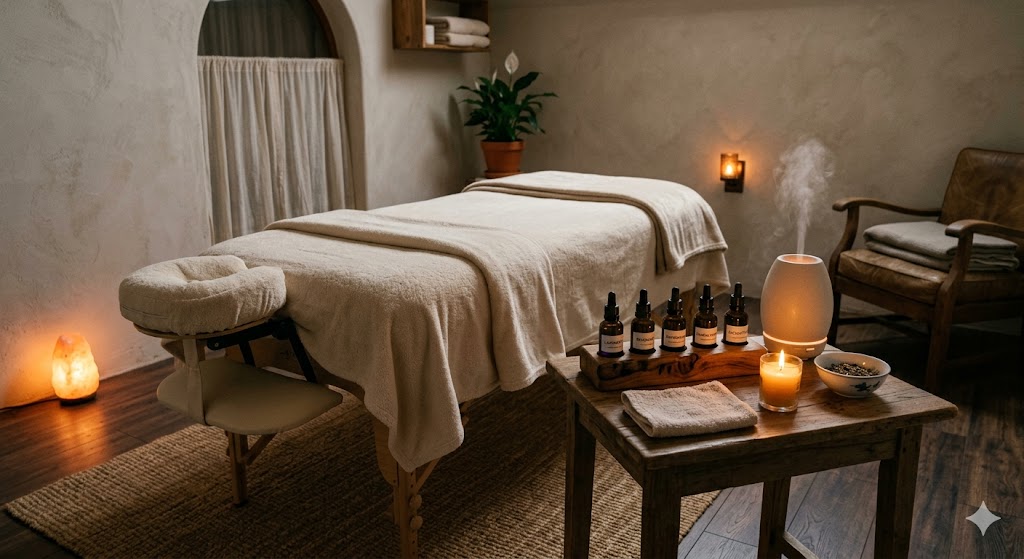
Massage Environment
Relaxing spa environments support the effectiveness of aromatherapy massage experiences. Dim lighting, warm towels, calming music, and diffusers contribute to emotional relaxation.
Post-Session Recovery
Hydration and rest are important after aromatherapy massage sessions. Drinking water may help support overall recovery and relaxation after treatment.
Is Aromatherapy Massage Safe for Everyone?
Aromatherapy massage is generally considered safe for most healthy adults when essential oils are diluted correctly and applied by trained professionals. However, some individuals should take extra precautions.
Allergic Reactions and Sensitive Skin
Some essential oils may irritate sensitive skin or trigger allergic reactions. Patch testing before full-body application is often recommended.
For example, highly concentrated oils like cinnamon or clove may irritate delicate skin when improperly diluted.
Pregnancy Precautions
Pregnant individuals should consult healthcare providers before using certain essential oils during massage. Some oils are not recommended during pregnancy.
Medical Conditions Requiring Caution
People with asthma, epilepsy, severe allergies, or certain skin conditions should seek medical guidance before aromatherapy treatments.
Statistic: Approximately 31.8% of adults globally live with some form of allergy-related condition — Source: World Allergy Organization, 2024.
Importance of Certified Therapists
Certified aromatherapy therapists understand safe oil dilution, contraindications, and massage techniques. Professional guidance reduces the risk of irritation or misuse.
How Can You Do Aromatherapy Massage at Home Safely?
Home aromatherapy massage can provide affordable stress relief when essential oils are diluted properly and used in moderation. Beginners should start with simple techniques and safe oil blends.
Safe Oil Dilution Ratios
Carrier oils such as coconut oil, jojoba oil, and sweet almond oil dilute essential oils safely for massage application. A common beginner dilution ratio is 2–3 drops of essential oil per tablespoon of carrier oil.
DIY Aromatherapy Massage Routine
- Choose a calming essential oil blend.
- Dilute oils with a carrier oil.
- Warm the oil mixture slightly.
- Massage shoulders, neck, or feet gently.
- Relax for 10–15 minutes afterward.
For example, a simple evening routine using lavender oil and soft music may support better relaxation before bedtime.
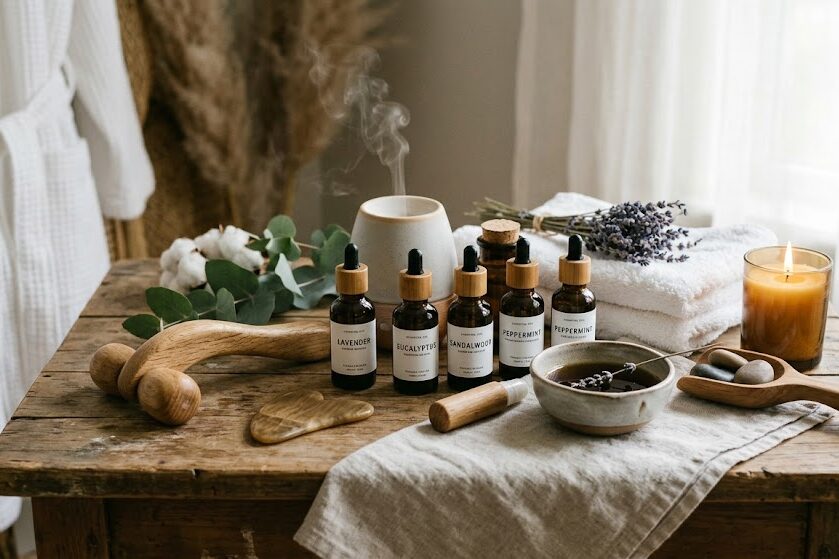
Essential Oil Diffusers and Massage Tools
Diffusers help spread essential oil aromas throughout a room during home wellness sessions. Massage rollers and heated towels can also improve the spa-like experience.
What Are the Best Carrier Oils for Aromatherapy Massage?
Carrier oils are plant-based oils that dilute concentrated essential oils for safe skin application during massage. They also improve glide and skin hydration during treatments.
| Carrier Oil | Skin Feel | Best Use |
|---|---|---|
| Jojoba Oil | Lightweight | Sensitive skin |
| Coconut Oil | Smooth | Relaxation massage |
| Sweet Almond Oil | Nourishing | General massage |
| Grapeseed Oil | Fast absorbing | Oily skin |
| Avocado Oil | Rich texture | Dry skin |
Jojoba Oil
Jojoba oil closely resembles natural skin oils and is popular for sensitive skin massage treatments.
Sweet Almond Oil
Sweet almond oil is widely used because it absorbs well while providing smooth glide during massage sessions.
Coconut Oil
Coconut oil creates a luxurious texture that works well for relaxing spa-style massage routines.
What Tools and Practical Applications Improve Aromatherapy Massage?
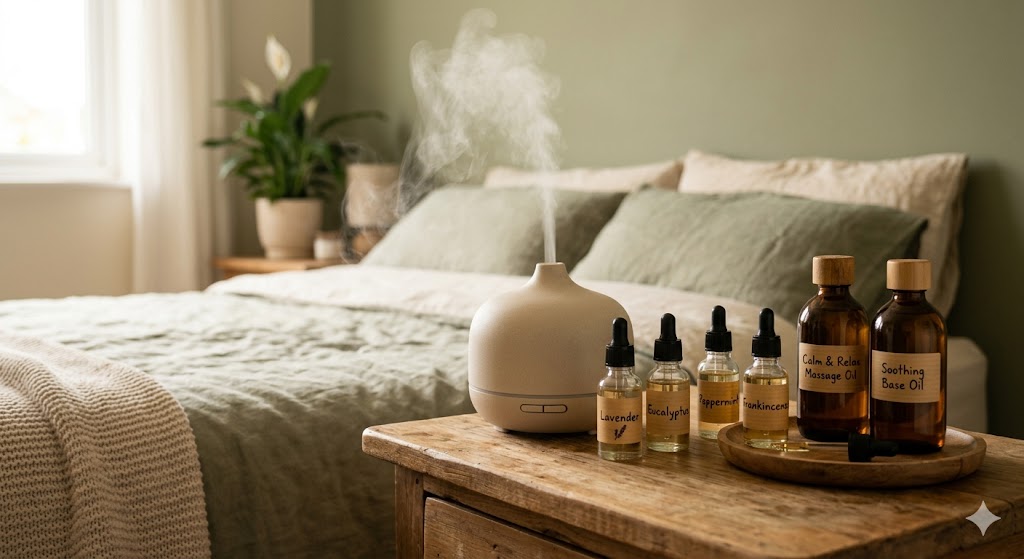
Aromatherapy massage tools improve comfort, relaxation quality, and ease of application during wellness routines. Both professional therapists and home users rely on practical accessories.
Recommended Aromatherapy Tools
- Essential oil diffusers
- Massage rollers
- Heated towels
- Spa candles
- Carrier oil bottles
- Foam neck pillows
Best Spa-Quality Essential Oil Brands
Professional-grade essential oil brands focus on purity, sourcing transparency, and safe formulations. Popular options often include organic or therapeutic-grade collections.
For example, many wellness enthusiasts compare spa-quality oils with affordable beginner brands before building home collections.
Practical Wellness Applications
Aromatherapy massage techniques are often combined with meditation, yoga, and breathing exercises. This holistic approach supports long-term stress management.
ASMR massage relaxation methods
How Often Should You Get an Aromatherapy Massage?
The ideal aromatherapy massage frequency depends on stress levels, wellness goals, physical activity, and lifestyle habits. Many people schedule sessions every two to four weeks.
For example, individuals with high workplace stress may benefit from biweekly relaxation sessions, while occasional spa visitors may prefer monthly treatments.
Statistic: Regular massage therapy participation increased significantly among wellness consumers after 2022 — Source: Global Wellness Institute, 2025.
Additionally, consistency often produces better results than occasional treatments. Combining massage with hydration, stretching, sleep hygiene, and mindfulness can improve overall wellness outcomes.
What’s Next After Trying Aromatherapy Massage?
The next step after trying aromatherapy massage is building a consistent wellness routine that supports long-term relaxation and recovery. Massage therapy works best when combined with healthy lifestyle habits.
Build a Personalized Wellness Routine
Wellness routines create structure for stress management and self-care. Many people combine massage therapy with meditation, journaling, stretching, or yoga.
For example, a weekly routine might include:
- One aromatherapy massage session
- Daily stretching
- Evening meditation
- Reduced screen time before bed
- Improved hydration habits
Track Stress and Recovery Improvements
Tracking mood, sleep quality, and muscle tension can help measure wellness improvements over time. Simple wellness journals or smartphone apps make this process easier.
Combine Professional and Home Treatments
Professional spa sessions and home relaxation routines complement each other effectively. Home massage tools can maintain relaxation between appointments.
Conclusion
Aromatherapy massage combines therapeutic touch with essential oils to create a calming wellness experience for both the body and mind. Whether you want stress relief, better sleep, muscle relaxation, or emotional balance, this holistic therapy offers a gentle and accessible approach to self-care.
Moreover, aromatherapy massage can become part of a larger wellness lifestyle that includes hydration, movement, mindfulness, and healthy recovery habits. By choosing safe essential oils, working with qualified therapists, and building consistent routines, you can enjoy the long-term benefits of natural relaxation therapies.
If you’re curious about improving your wellness routine, aromatherapy massage may be a valuable next step toward deeper relaxation and mindful self-care.
FAQ
What is aromatherapy massage?
Aromatherapy massage is a massage treatment that combines gentle massage techniques with essential oils to promote relaxation and overall wellness.
What are the benefits of aromatherapy massage?
It may help reduce stress, improve mood, ease muscle tension, and encourage relaxation and better sleep.
How does aromatherapy massage work?
The massage combines touch therapy with the inhalation and absorption of essential oils through the skin.
What essential oils are used in aromatherapy massage?
Popular oils include lavender, peppermint, eucalyptus, chamomile, and tea tree oil.
Can aromatherapy massage help with stress and anxiety?
Yes, many people use it to promote calmness and reduce stress and anxiety symptoms.
Is aromatherapy massage good for sleep?
Yes, calming essential oils like lavender may help improve relaxation and sleep quality.
How long does an aromatherapy massage session last?
Most sessions typically last between 60 and 90 minutes.
Is aromatherapy massage safe for everyone?
It is generally safe, but people with allergies, sensitive skin, or certain medical conditions should consult a professional first.
Can aromatherapy massage relieve muscle pain?
Yes, it may help ease mild muscle tension and discomfort while promoting relaxation.
What should you do after an aromatherapy massage?
Drink water, rest, and allow the body time to fully absorb the relaxing effects of the treatment.
Written by: Suraj — Wellness Blogger & Holistic Self-Care Content Creator with 5+ years of blogging experience in massage therapy, wellness, and relaxation trends.
Reviewed by: Editorial Wellness Review Team — Specialists in massage therapy research, wellness education, and holistic lifestyle content.
Disclaimer: This article was initially drafted using AI assistance. However, the content has undergone thorough revisions, editing, and fact-checking by human editors and subject matter experts to ensure accuracy.